Quantcast
Logo of Bare Pets

Can Pregnant Dogs Get Morning Sickness? What Pet Parents Should Know

If you’ve recently discovered that your beloved pup is pregnant, congratulations! This beautiful time in a dog’s life can be exciting and memorable for you and your pet. While it’s a beautiful experience, it can also come with some questions. 

One of the most common questions new pet parents may have is whether their pregnant dog will experience morning sickness. Let’s take a closer look at morning sickness in dogs. 

What Is Morning Sickness? 

Morning sickness is caused by the same hormones responsible for the fetus’s growth. These hormones cause changes in the body, leading to nausea and vomiting. 

In humans, this is often referred to as “morning sickness” because it usually occurs during the early stages of pregnancy; however, in dogs, this type of nausea and vomiting can occur at any time during the pregnancy or even after birth. 

Signs Of Morning Sickness In Dogs 

Some signs that your pup may be experiencing morning sickness include decreased appetite, loss of energy, and sometimes vomiting or retching. However, it is essential to note that these symptoms can also indicate other issues, such as infections or parasites. 

If you notice any change in your dog’s behavior or appetite, it’s always best to consult your vet as soon as possible. 

Treating Morning Sickness In Dogs 

If your vet determines that your pregnant pup is suffering from morning sickness, they will likely recommend an anti-nausea medication to help ease her symptoms while she goes through this process. 

Additionally, they may suggest switching her diet to something more easily digestible, like boiled chicken and rice or wet food that contains probiotics, which can help with digestion and reduce stomach upset. It is also essential to ensure she has plenty of fresh water available throughout her pregnancy to stay hydrated and healthy!

Want to help support your pregnant pup’s digestion naturally? Good Gut is a gentle, probiotic-rich supplement designed to ease tummy troubles and support gut health during sensitive times like pregnancy.

Preventive Measures for Morning Sickness in Dogs

Feeding your pregnant dog smaller, more frequent meals can help prevent or mitigate morning sickness. This approach eases digestion and keeps her stomach from becoming too full or empty, which can trigger nausea. Additionally, ensure her diet is balanced and gentle on the stomach. Avoiding sudden dietary changes during pregnancy is also advisable, as this can upset her digestive system.

If your dog’s appetite is unpredictable during pregnancy, try warming up her meals or mixing in a spoonful of Cluckin’ Good Chicken Wet Food for added taste and moisture.

Duration and Frequency of Morning Sickness in Dogs

Morning sickness in dogs usually occurs in the early stages of pregnancy and might last for a few days to a couple of weeks. The frequency of nausea or vomiting episodes varies with each dog. Some may experience it only once or twice, while others have more frequent bouts. Monitoring your dog’s condition is essential to ensure her symptoms are not escalating.

When to Seek Emergency Care

Seek immediate veterinary care if your dog exhibits signs of excessive vomiting or dehydration (such as dry gums or lethargy) or refuses to eat for more than 24 hours. Other alarming symptoms include extreme lethargy, diarrhea, or any signs of pain and distress. These could indicate a more severe condition requiring urgent medical attention.

Post-Birth Considerations

After giving birth, continue monitoring your dog for any lingering effects of morning sickness. Ensure she gradually returns to her regular diet and maintains adequate hydration, especially if nursing. Consult your vet if she shows signs of ongoing nausea or poor appetite post-delivery, as these could affect her ability to care for her puppies.

Once your dog transitions out of pregnancy, it’s a good time to reassess her long-term nutrition. Consider a complete and balanced option like Candidly Fresh Chicken Adult to support recovery and overall wellness.

Conclusion

The journey into motherhood can be beautiful – but understanding what physical changes your pup might go through along the way is critical! Knowing how to spot signs of morning sickness and when and how to treat them will help ensure a safe and comfortable experience for you and your furry friend throughout her pregnancy journey. 

With proper care and attention from both you and your vet, there’s no doubt that you two will have a wonderful time together!


Real dogs deserve real ingredients.

Tags
First Time Pet Parents, Food, Health, Safety, Tips

Everything You Need to Know About Rabies and Dogs

Rabies is a viral infection that affects the central nervous system of mammals, including humans, and is almost always fatal. All pet owners need to know about rabies and the steps they can take to protect their pets from this deadly virus. 

Let’s explore what you need to know about rabies in dogs. 

How Does Rabies Affect Dogs? 

The rabies virus is primarily spread through saliva or blood from an infected animal. In dogs, the virus affects the central nervous system and can cause severe neurological symptoms such as seizures, aggression, paralysis, disorientation, and difficulty walking or swallowing. 

The symptoms of rabies can vary depending on the strain of the virus and how far along it has progressed in the dog. The incubation period for rabies in dogs ranges from two weeks to six months after exposure, so pet owners must monitor their pets closely for any unusual behavior or symptoms throughout this time frame. 

Myths and Misconceptions About Rabies

Dispelling myths about rabies is critical to understanding and effectively preventing the disease. One common myth is that rabies is only a concern for pets living in rural areas. In reality, rabies can affect pets in urban areas, too, as they may encounter rabid bats or other wildlife. 

Another misconception is that indoor pets don’t need rabies vaccinations. However, even indoor pets can be exposed to rabies, for instance, through a bat entering the home. Understanding these facts ensures that pet owners do not overlook crucial preventive measures.

Can Pet Dogs Get Rabies? 

Yes, pet dogs are at risk for contracting rabies if bitten by an infected wild animal such as a raccoon, skunk, bat, fox, or coyote. The most common way a pet dog contracts rabies is through contact with an infected wild animal. Unfortunately, many people don’t realize their pet dog could become infected with rabies until too late. 

If your pet dog has had contact with any wild animals recently—even if it wasn’t bitten—it’s crucial to get them checked out by a veterinarian immediately just in case they have been exposed to the virus. 

How Can I Protect My Pet Dog From Rabies? 

The best way to protect your pet dog from contracting rabies is by getting them vaccinated against the virus annually or bi-annually (depending on your vet’s recommendation). Vaccinating your pet also protects other animals from contracting the virus if your pet is ever exposed and comes into contact with another animal before receiving treatment. 

Additionally, keeping your pet away from wild animals and supervising them when outdoors can help reduce their chances of coming into contact with a rabid animal. 

Handling Potential Exposure to Rabies

Immediate action is imperative if your dog is bitten or scratched by a wild or unknown animal. First, safely restrain your dog to prevent any further contact. Then, wearing gloves, examine the wound and gently clean it with soap and water. Contact your veterinarian immediately, even if your dog is up to date with its rabies vaccinations. They may recommend a booster shot or further medical intervention. 

Following a potential rabies exposure, your dog might need to be quarantined or observed for a specific period, as determined by local health authorities. This period is crucial for monitoring and development of rabies symptoms.

Legal Requirements and Rabies Certification

Different regions have specific legal requirements for rabies vaccinations in pets. Most states mandate that dogs receive regular rabies shots from around 12 to 16 weeks of age. 

As a pet owner, you must familiarize yourself with these laws in your area. After vaccination, dogs are issued a rabies certificate, a vital document that proves your pet’s immunization status. This certificate is often required for travel, boarding, and sometimes licensing. Keeping it updated ensures your dog complies with local regulations and is protected against rabies.

Recognizing Early Symptoms in Dogs

Identifying the early signs of rabies in dogs can be lifesaving. Initially, a dog may exhibit subtle changes in behavior, such as increased anxiety or irritability. This can progress to more pronounced symptoms like fever, seizures, and changes in bark tone. Dogs may also show hypersalivation or difficulty swallowing, often misinterpreted as choking. 

If you observe any unusual behavior or symptoms in your dog, especially after encountering a wild animal, contact your veterinarian immediately. Early detection and swift action are critical in managing potential rabies exposure.

Community Awareness and Responsibility

Raising awareness about rabies prevention is a community effort. Everyone plays a role in keeping pets and neighborhoods safe. Organizing or participating in community programs like free or low-cost vaccination clinics can make a significant difference. 

These events help pet owners comply with local vaccination laws and contribute to the community’s overall health and safety. Knowing about rabies prevention, symptoms, and response strategies among neighbors and local pet owners creates a more informed and proactive community.

Wildlife Precautions

Protecting pets from rabies starts with minimizing their contact with wild animals. Securing your yard with proper fencing and supervising pets outdoors are effective strategies. It’s also vital to avoid attracting wildlife by securing garbage cans and not leaving pet food outside. 

Educating family members, especially children, about the risks of interacting with wild animals is crucial. By taking these precautions, pet owners can significantly reduce the likelihood of their pets encountering potentially rabid wildlife.

Rabies Around the World

Rabies is a global concern, with some regions facing higher risks than others. In many parts of the world, stray dogs are the most common source of rabies transmission to humans. Traveling with pets to these areas requires extra vigilance and adherence to vaccination schedules. 

Researching the rabies status of your destination country and consulting with a veterinarian before travel can help you take the necessary precautions. Understanding the global perspective of rabies puts the importance of vaccination and prevention into a broader context, emphasizing the role of responsible pet ownership in global health.

Conclusion

Rabies is a deadly virus that affects both humans and animals alike. Still, luckily, there are steps we can take as responsible pet owners to protect our furry companions from its effects. 

By watching out for signs of exposure in our pets—especially after they come into contact with wild animals—and vaccinating our pets regularly as recommended by our veterinarians, we can ensure that our furry family members stay safe from this deadly disease!

Real dogs deserve real ingredients.

Tags
Educational, First Time Pet Parents, Health, Safety, Tips, Training

Where Do Dogs Get Distemper: Causes, Symptoms, and Prevention

Canine distemper, a severe viral illness, poses a significant threat to dogs worldwide. Its impact on the health of our furry companions can’t be overstated. Distemper primarily affects puppies and younger dogs, but older dogs are not immune to its reach. The virus targets various body systems, leading to various health issues. Understanding this disease is crucial for every dog owner. It helps in early detection, effective treatment, and, most importantly, prevention. 

Let’s delve into the specifics of canine distemper to equip ourselves with the knowledge needed to protect our beloved pets.

Causes of Canine Distemper

Dogs often contract distemper through airborne exposure to the virus. It spreads when infected animals cough or sneeze, releasing viral particles into the environment. Puppies are particularly susceptible due to their immature immune systems. Unvaccinated dogs and those with weakened immunity also face a higher risk. 

The virus can also spread through shared food and water bowls or direct contact with an infected animal. Wild animals like raccoons, foxes, and skunks are potential carriers, posing a risk to domestic dogs. Understanding these transmission routes empowers dog owners to take preventive measures to protect their pets from this dangerous virus.

Recognizing the Symptoms of Canine Distemper

Identifying distemper early is critical for the well-being of your dog. Initial signs often mimic those of a cold. These include watery discharge from the eyes, fever, and nasal discharge. As the virus progresses, dogs may develop a cough, become lethargic, and lose their appetite. 

In more advanced stages, the symptoms of distemper become more severe. Dogs may exhibit neurological symptoms like twitching, seizures, and paralysis. These signs indicate a grave situation, necessitating immediate veterinary attention. Prompt recognition of these symptoms can make a significant difference in the effectiveness of the treatment and the overall prognosis for your dog.

Diagnosis and Treatment

Veterinarians play a crucial role in diagnosing canine distemper. They often begin with a thorough physical examination, considering the dog’s symptoms and medical history. Blood tests and urine analysis are standard tools for confirming the diagnosis. Sometimes, cerebrospinal fluid analysis is necessary, especially if neurological symptoms are present.

Treating distemper focuses on alleviating symptoms and supporting the dog’s immune system. There is no specific cure for the virus itself. Supportive care might include intravenous fluids to combat dehydration, antibiotics to prevent secondary infections, and medications to control seizures and neurological symptoms. The dog’s recovery depends on the severity of the disease and how quickly treatment begins.

Prevention Strategies

Preventing canine distemper is more effective than treating it. Vaccination plays a pivotal role here. Puppies should receive their first vaccine at 6-8 weeks, followed by booster shots as a veterinarian recommends. Keeping up with these vaccinations is crucial for lifelong protection.

Hygiene and cleanliness are also crucial in preventing the spread of distemper. Regularly cleaning and disinfecting dog bowls, bedding, and play areas can reduce the risk. Isolating infected dogs from healthy ones is essential, especially in multi-dog households or kennels. Finally, minimizing contact with wild animals can further protect dogs from contracting distemper.

Myths and Misconceptions

Dispelling myths about canine distemper is essential for informed pet care. A common misconception is that only outdoor dogs are at risk. In reality, distemper can affect any dog, regardless of its lifestyle. Another myth is that once a dog recovers from distemper, it’s immune for life. While recovery can lead to immunity, it’s not guaranteed, and the disease can cause long-term health issues.

Some believe that distemper is always fatal. While it’s a severe disease, early detection, and proper care can lead to recovery. Understanding these truths helps dog owners make better decisions about their pets’ health and well-being.

Conclusion

Canine distemper is a formidable adversary in pet health, but knowledge is our most potent weapon. Recognizing the symptoms, understanding the transmission methods, and knowing the importance of vaccination and hygiene are crucial steps in safeguarding our dogs.

For those committed to their pets’ health, Bare Pets offers premium, nutritious dog food that supports a robust immune system. Our range of products, designed with your dog’s wellbeing in mind, ensures they receive the best nutrition possible. Visit Bare Pets to explore our collection and learn more about how our food can contribute to your dog’s healthy lifestyle. Join our community of responsible pet owners and give your furry friend the care they deserve.

Real dogs deserve real ingredients.

Tags
Educational, First Time Pet Parents, Health, Tips

How Our Furry Companions Help Us Cope with Mental Health Challenges

Mental health is an essential topic for pet owners. Owning a pet can bring about numerous psychological and physical health benefits. Dogs, in particular, have been shown to help us cope with our mental health challenges. 

Let’s look at the science behind how our furry companions can help us maintain a healthy mental state. 

The Power of Human-Animal Interaction 

Research has demonstrated the therapeutic power of human-animal interaction on people’s mental health. Studies have found that interacting with animals can reduce anxiety and stress levels and improve overall mood and self-esteem. 

This is due to animals’ effects on our hormones and neurotransmitters, such as cortisol and serotonin. It’s been suggested that pet ownership can even lead to increased life expectancy! 

While dogs are often the focus of pet-related mental health benefits, other pets like cats, birds, and even fish can also play a significant role. For instance, watching fish swim can induce a feeling of calmness and help reduce stress, making them ideal for individuals who might benefit from a more serene type of companionship. 

Cats, known for their independent nature, can provide comfort and companionship without needing extensive interaction, which might be preferable for some individuals. Even smaller pets like guinea pigs have been found to reduce anxiety levels in children with autism spectrum disorder during supervised playtime, showing the wide range of mental health benefits that different animals can offer.

Recent studies have provided compelling evidence about the mental health benefits of pets. Service dogs, for instance, have been shown to alleviate symptoms in veterans with post-traumatic stress disorder (PTSD). These dogs have been found to help their owners achieve lower overall symptoms of PTSD, reduced levels of depression, increased life satisfaction, and higher overall psychological well-being. 

Additionally, therapy dogs have been used effectively to reduce stress in college students and provide comfort in hospitals and nursing homes. Such interactions with animals have decreased cortisol levels, a stress-related hormone, and lower blood pressure​​​​.

The Benefits of Dog Ownership 

Of all pets, dog ownership has been studied the most in relation to its effects on mental health. Dogs are particularly beneficial for their owners because they provide love and companionship and require daily physical exercise and training (which helps keep owners active). 

Additionally, dogs help with socialization by allowing their owners to interact with other dog owners in parks or at doggy daycares. Walking your dog around your neighborhood can be a great way to meet new people while caring for your pup! 

The Bond Between Pets & Their Owners 

Not only do pets benefit us mentally, but studies have also shown that we benefit them! People tend to form strong emotional bonds with their pets over time — known as “pet bonding” — which can further reduce stress levels when humans feel overwhelmed or anxious. 

This bond works both ways; research suggests that pet owners may live longer and experience less loneliness than those who don’t own pets.  

Tips for Non-Pet Owners

For those who love animals but can’t own a pet due to various constraints like allergies, living situations, or financial limitations, there are still numerous ways to enjoy the benefits of animal companionship:

  • Volunteering at Animal Shelters: This is a great way to interact with animals. Many shelters need help with feeding, cleaning, and socializing animals. It’s a rewarding experience that allows you to contribute to the welfare of animals while enjoying their company.
  • Pet Sitting or Dog Walking: Offering to look after a friend’s or neighbor’s pet can provide some of the same benefits as having your pet. Dog walking, in particular, also encourages physical activity.
  • Visiting Pet Cafés: In many cities, pet cafés offer a space to enjoy a coffee while spending time with cats, dogs, or rabbits.
  • Animal-Assisted Therapy: Participating in programs where you can interact with therapy animals can be beneficial, especially if you’re dealing with mental health issues but can’t commit to owning a pet.
  • Virtual Pet Companionship: In the digital age, virtual pet apps or online animal live streams can offer a sense of companionship, albeit in a more limited form.

Emotional Support Animals (ESAs)

Emotional Support Animals (ESAs) are different from regular pets in several key ways, particularly in terms of mental health support:

  • Specific Role for Mental Health: ESAs provide comfort and support in ways that alleviate one or more identified symptoms or effects of a person’s disability. Unlike regular pets, they are often prescribed by a licensed mental health professional for individuals with mental illnesses.
  • Legal Recognition: ESAs are recognized under some housing and air travel laws, allowing them to accompany their owners where pets are not typically allowed.
  • No Special Training Required: ESAs do not require specialized training, unlike service animals. Their primary role is to offer emotional support through their presence.
  • Wide Range of Animals: While dogs and cats are the most common ESAs, any animal that provides comfort, companionship, and emotional support can be considered an ESA.
  • Impact on Mental Health: The presence of an ESA can significantly reduce symptoms such as anxiety, depression, and loneliness. They provide their owners with a sense of security and routine, benefiting those with mental health challenges.

Embracing the Healing Power of Pets

As we’ve explored the myriad ways pets can positively impact our mental health, it’s clear that the bond between humans and animals is more than just companionship—it’s a powerful source of comfort, joy, and emotional healing. Whether it’s the loyal presence of a dog, the soothing purr of a cat, or the tranquil sight of fish swimming, pets can improve our lives in countless ways.

We invite you to share your own experiences. How has a pet touched your life or helped you through tricky times? Your stories can inspire others and spread awareness about pets’ profound impact on our mental health.

If you’re considering welcoming a pet, remember that adoption is a beautiful way to find your new best friend. By adopting, you’re giving a pet a loving home and making room for another animal in need at the shelter. Check out organizations like Bare Pets for resources and guidance on pet adoption.

Your journey with a pet, whether just beginning or years in the making, is a testament to the healing power of these remarkable animals. Let’s celebrate and share the joy and love they bring to our lives.

By embracing the companionship of pets and recognizing their role in enhancing our mental wellness, we continue to strengthen the special bond between humans and animals.

Real dogs deserve real ingredients.

Tags
Educational, First Time Pet Parents, Health, Tips

Parvo in Dogs: Understanding the Link to Neurological Problems

Parvovirus, commonly known as parvo, is a highly contagious virus that affects dogs, causing severe vomiting, diarrhea, and dehydration. While most dogs can recover with prompt veterinary care, parvo can be deadly, especially for young puppies or dogs with weakened immune systems. 

In addition to the physical symptoms, recent studies have suggested that parvo may lead to neurological problems in some dogs. This article will explore the link between parvo and neurological problems in dogs and what pet owners should know.

Detailed Symptomatology

In the wake of a parvo diagnosis, vigilance for neurological signs is crucial. These symptoms may initially be subtle, often manifesting as behavioral changes. Your dog might appear unusually quiet or withdrawn, which can escalate to more pronounced symptoms. 

As the virus progresses, you may observe your pet developing a wobbly gait, known as ataxia, or experiencing full-body tremors. Neurological problems such as seizures and tremors can occur in dogs with parvo, although these are rare compared to gastrointestinal symptoms. In severe cases, dogs could exhibit seizures marked by convulsions and loss of consciousness. Notably, younger dogs with less mature immune systems may show these neurological symptoms more rapidly and with greater intensity.

Research has also shown that parvovirus can replicate in distinct cell types in the young canine brain and may be associated with neurological signs such as tremors, ataxia, and seizures.

Because parvo can weaken a dog’s overall system, supporting their gut health during recovery may reduce digestive strain and improve nutrient absorption.

Treatment Options

Upon noticing any neurological symptoms, immediate veterinary intervention is paramount. Your vet may administer anti-seizure medications to manage convulsions and recommend hospitalization for intensive care if symptoms are severe. 

Treatment often includes intravenous (IV) fluids to combat dehydration and balance electrolytes alongside anti-nausea medications to help control vomiting. For long-term management, dogs with neurological effects may require physical therapy to regain strength and coordination. 

Environmental adaptations, such as non-slip surfaces and quiet resting areas, can also support recovery. It’s essential to maintain an open dialogue with your veterinarian, as they will tailor the treatment plan to your dog’s specific needs and monitor their recovery process closely.

Dogs recovering from seizures or tremors may also benefit from joint health support to aid mobility and physical therapy efforts.

Navigating Treatment Options

When a dog shows neurological symptoms from parvo, time is of the essence. Vets often start with anticonvulsants to manage seizures. Fluid therapy, vital to address dehydration, can also help flush toxins. Dogs severely affected by parvo might need more aggressive treatment, such as IV immunoglobulin therapy. 

Additionally, medications to reduce brain swelling and protect the nervous system can be part of the treatment regimen. Throughout recovery, your vet might adjust treatments based on how your dog responds, ensuring the best possible outcome.

Offering Recovery Support

Supporting your furry friend through recovery from parvo is a journey that requires patience and understanding. For dogs with coordination challenges, gentle physical support can help them move safely. You might need to carry them outside or provide support with a harness. 

Modifying your home environment is also beneficial. Think non-slip mats and soft bedding in a quiet corner to rest. Nutritious food that’s easy to digest supports their weakened system. Adding a dog multivitamin can help ensure their immune system gets extra support during recovery. Remember, your companionship is a powerful medicine. Stay present, offer gentle encouragement, and provide all the cuddles your dog is comfortable with — it can significantly boost their morale and recovery speed.

Understanding Vaccines and Your Dog’s Health

Vaccinating your dog against parvo is a multi-step process that begins in puppyhood. The DA2PPC vaccine, commonly known as the distemper-parvo vaccine, is administered in a series of shots and boosts immunity against several serious diseases, including parvo. 

Vets may use different brands or combinations, so it’s wise to discuss the best option for your pup. Side effects are generally mild, ranging from soreness at the injection site to mild fever. Rarely more severe reactions occur, and it’s vital to contact your vet if your dog’s behavior changes post-vaccination.

Implementing Rigorous Hygiene Practices

Keeping your environment clean is an effective defense against parvo. It begins with a bleach solution — a go-to disinfectant for areas exposed to an infected dog. Regularly wash your dog’s bedding, bowls, and toys with this solution. 

Remember, the virus can linger on shoes and clothes, so it’s prudent to remove and clean these items before interacting with unvaccinated dogs.

Understanding the Canine Immune System

Dogs’ immune systems are complex, protecting them from many pathogens. Puppies, however, have immature immune systems that are still developing, which makes them more vulnerable to aggressive viruses like parvo. 

Dogs with compromised immune systems, whether from age, illness, or genetics, also struggle to fend off infections. These dogs may not respond to the vaccine as robustly, so it’s essential to keep them away from known hotspots of the virus and maintain strict hygiene protocols.

Skin and coat health supplements can also support overall vitality, helping dogs bounce back more quickly after illness.

Frequently Asked Questions 

Can adult dogs get parvo even if they’ve been vaccinated?

Yes, while rare, it’s possible for vaccinated adult dogs to contract parvo if their immunity has waned. Keeping up with regular booster shots minimizes this risk.

How long does the parvovirus survive in the environment?

The parvovirus is hardy and can survive for months outside a host under the right conditions. Disinfection and good hygiene are your best defenses.

Can a dog get parvo more than once?

In most cases, dogs that recover from parvo develop strong immunity, making reinfection unlikely. However, it’s not impossible, especially if the dog’s immune system is compromised.

Should I vaccinate my puppy against parvo during a parvo outbreak?

Absolutely. The protective benefits of vaccination far outweigh the risks, especially during an outbreak. Consult your vet for the safest way to do this.

Conclusion

Parvo is a severe viral infection that can cause various symptoms in dogs, from vomiting and diarrhea to neurological problems such as seizures and tremors. While it is still unclear why some dogs develop neurological symptoms after parvo infection, it is believed that the severity of the infection, age, and immune status of the dog can all play a role. 

Prevention through vaccination and good hygiene practices is crucial to protect your dog from parvo and other canine diseases. If your dog shows signs of parvo, seek veterinary care immediately to improve their chances of recovery and reduce the risk of complications.

Knowing parvo and its implications, you can safeguard your pet’s well-being. Embrace preventive measures like vaccination, enforce strict hygiene, and if symptoms arise, seek veterinary care promptly. Nutrition also plays a pivotal role in your dog’s health, especially when recovering from illnesses. 

For high-quality dog food that supports a strong immune system, switch to Bare Dog Food. Our products are designed to nourish your dog at every stage of recovery and beyond. Give your dogs the vitality they need and the delicious flavors they love with Bare.

Real dogs deserve real ingredients.

Tags
Educational, First Time Pet Parents, Health, Tips

First-Time Dog Mom? Here’s What You Need to Know to Prepare for Your Dog’s Delivery

Welcoming a litter of puppies into the world can be an exciting and rewarding experience for dog owners. However, it can also be nerve-wracking, especially for first-time dog moms. 

Preparing for the delivery, learning aftercare, and knowing the overall needs of the pregnant dog are crucial to ensure a safe and healthy delivery for both the mother and her puppies. 

In this article, we’ll provide essential information on what to expect during the dog’s pregnancy, what to prepare for the delivery, and how to take care of the mother and her pups post-delivery.

Signs of Pregnancy in Dogs

You must know your dog’s pregnancy signs as a responsible dog owner. It’s challenging to know whether your dog is pregnant in the first few weeks. You don’t only look for physical signs but also have to notice a change in your dog’s behavior and demeanor.

Instead of playing guessing games, it’s always best to take your dog to a vet for a pregnancy check-up and ultrasound to confirm if she’s pregnant or if these are symptoms of other concerns entirely. However, here are some common symptoms to watch out for:

  • Nesting behavior
  • Morning sickness
  • Sudden weight gain
  • Increase in appetite
  • Swollen stomach
  • Enlarged nipples
  • Gets tired easier
  • Increased irritability
  • Increased affection

A Week-by-Week Canine Pregnancy Guide

A journey through your dog’s pregnancy can be a complex process. To help you navigate, here’s a brief week-by-week guide to anticipate changes and prepare for the arrival of puppies. 

  • Weeks 1-2: Embryos journey towards the uterine horns following conception. Maintain the usual exercise regimen, but protect your dog from high-impact activities to avoid stress.
  • Weeks 3-4: The embryos start developing now that they are embedded in the uterine lining. A vet visit is crucial to discuss dietary adjustments that support embryonic growth. This is a time for gentle care, as the embryos are still fragile.
  • Weeks 5-6: The fetuses begin to take shape, with visible organs and claws. An ultrasound can confirm the number of puppies. Increase your dog’s food intake slightly, focusing on high-quality, nutrient-dense options.
  • Weeks 7-8: As puppies grow, your dog’s abdomen becomes more pronounced. Prepare the whelping box, allowing her to get accustomed to this birthing space. It’s also time to reduce her exercise to gentle, short walks.
  • Week 9 (Delivery): Delivery is imminent when your dog starts nesting. She may lose her appetite and become restless. Be alert, and ensure the whelping area has all the necessary supplies.

The Vital Role of Veterinary Support

Throughout your dog’s pregnancy, regular veterinary check-ups are indispensable. Around week five, schedule an ultrasound to confirm the pregnancy and see the litter size. Discuss which vaccinations are safe during pregnancy, as some can harm the developing puppies.

During weeks six to seven, the vet can palpate the abdomen to check on the puppies’ development. This hands-on examination assures you of their growth and positions. As the due date nears, consult your vet about the birth process and post-natal care. They can provide invaluable guidance on when and how to assist with the delivery and when to step back and let Mother Nature take its course.

Preparing for Potential Emergencies

Recognizing the signs of an emergency is crucial. If your dog experiences intense labor without delivering or seems excessively tired or anxious, seek immediate veterinary care. An emergency kit should include your vet’s contact information, directions to the nearest emergency clinic, clean towels, and necessary first-aid items.

Preparing for the Delivery

Preparing for the delivery involves creating a comfortable and safe space for your dog to give birth. It would help if you made a whelping box in a quiet and warm location in your home, with clean bedding for the mother and her puppies. You should also ensure you have all the necessary supplies, such as sanitary towels, scissors, and a heating pad.

Nutritional Needs of a Pregnant Dog

The nutritional demands of a pregnant dog are significantly higher, especially in the latter stages of gestation. Collaborate with your vet to adjust her diet, which may involve increasing her protein and calorie intake to ensure the puppies develop properly. During the last few weeks, your dog might need several smaller meals throughout the day instead of two large ones to accommodate her reduced stomach space.

Signs of Labor

As the delivery date approaches, you must watch your dog for signs of labor. Some of the symptoms include panting, restlessness, and frequent trips outside to urinate. Once your dog starts pushing, it’s essential to remain calm and let her do her job. You should also monitor the delivery and ensure the puppies are delivered safely.

Post-Delivery Care

After the excitement of delivery subsides, the focus shifts to the mother’s recovery. She needs a quiet space to rest and bond with her puppies. Monitor her closely for any signs of postpartum complications, such as excessive bleeding or signs of infection. It’s not uncommon for a mother dog to experience a change in appetite or mild lethargy, but these symptoms should be short-lived. Ensure she has easy access to fresh water and high-quality food to replenish nutrients, especially if she’s nursing.

Remember, the mother’s mental well-being is just as important. Gentle interaction with her and the puppies will help reassure her. If she seems unduly anxious or stressed, consult your vet for advice. Generally, a mother dog will gradually regain her pre-pregnancy energy levels and interest in activities within a few weeks.

Socialization and Training for Puppies

Early socialization and training are pivotal to a puppy’s development. Introduce your litter to various people, sights, sounds, and experiences between three to twelve weeks of age. This exposure helps them grow into well-adjusted adults, easing their ability to cope with changes and new encounters. Start with short, positive sessions at home. Gradually expose them to different people and controlled environments. Always pair new experiences with positive reinforcement, like treats or praise, to build their confidence.

Puppy training classes are an excellent resource for socialization and teaching basic commands and manners. Look for a trainer who uses positive reinforcement techniques and can tailor advice to each puppy’s temperament. Remember, patience and consistency are critical in these early stages.

Weaning Puppies

After a few weeks of nursing, it’s time to wean the puppies. You can gradually introduce them to solid food and water and reduce their dependency on their mother’s milk. You should also ensure that the puppies are socialized, vaccinated, and regularly dewormed.

Legal and Ethical Considerations

Breeding dogs carries legal and ethical responsibilities that must be taken seriously. Ensure you’re aware of local regulations regarding breeding licenses and the sale of puppies. Breeder registration, often required by law, helps promote responsible breeding practices. Ethical considerations involve providing high-standard care for both the mother and her puppies. This includes adequate nutrition, veterinary care, and ensuring living conditions for exercise, play, and social interaction.

Furthermore, committing to finding responsible, loving homes for each puppy is vital. This might involve screening potential owners and providing guidance on continuing care and training. Always prioritize the welfare of the dogs over profit or convenience.

Frequently Asked Questions

How do I know if my dog is in labor?

Look for signs like nesting behavior, restlessness, and a drop in body temperature.

What should I do if a puppy is not nursing? 

Try guiding them to a nipple, ensuring they latch on properly. If problems persist, consult your vet.

How long will it take for the mother to recover? 

Most dogs bounce back within a few weeks, but keep an eye on her behavior and health post-delivery.

When should the puppies receive their first vaccinations? 

Puppies typically get their first shots around six to eight weeks of age, but your vet can provide a specific schedule.

Conclusion

As we wrap up our guide, remember that the journey of bringing new puppies into the world is as rewarding as it is demanding. You now have the tools to navigate this path, ensuring the health and happiness of both the mother and her newborns. Embrace each step confidently, knowing your dedication will foster a nurturing start for these precious lives.

For more insights and personalized advice or to share the joys and challenges of your experience, connect with us at BARE. Our community of fellow dog lovers and experts is eager to support you. We’re here for you whether you need a comforting ear, expert guidance, or the right supplies for your dog’s journey through pregnancy and beyond.

Remember, the beautiful bond between you and your canine family grows stronger with each shared moment. We’re here to help you make each of those moments count.

Real dogs deserve real ingredients.

Tags
Educational, First Time Pet Parents, Health, Tips

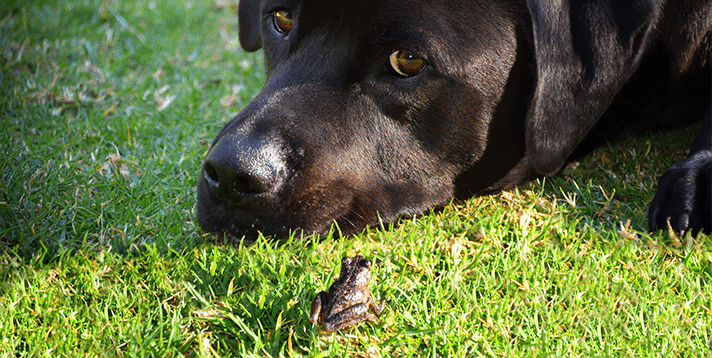
Are Frogs in the Philippines Poisonous to Dogs? Signs and Safety Tips

The Philippines, known for its rich biodiversity, houses various frog species. 

Each species comes with its unique traits. While not all frogs are poisonous to dogs, a few can still pose life-threatening dangers. One key aspect that differentiates them is the presence or absence of toxins. While frogs in the Philippines do not produce batrachotoxin, this neurotoxin, found in certain poison dart frogs in Central and South America can cause paralysis, seizures, and heart failure in dogs when ingested.

Learning about the varieties of these amphibians, including their tell-tale danger signs and the toxins they produce, can help keep your furry friend safe. By understanding the different frog species, you’re better equipped to protect your pet from potential threats.

Key Takeaways:

  • Immediate vet care is critical after exposure, time is life-saving.
  • Not all frogs are toxic, but Cane Toads and Dart Frogs in the Philippines can be lethal to dogs.
  • Watch for symptoms like drooling, seizures, and vomiting.
  • Use training commands, avoid marshy areas, and supervise your dog outdoors.

The Rich Diversity of Philippine Frogs

The Philippines shelters a wide array of amphibians, from the commonly-seen toads hopping in our gardens to the more colorfully spotted rarer types that live near bodies of water. 

These frog and toad species add to the country’s biodiversity and play crucial roles in local ecosystems. Each unique species, however, has their specific habits and traits. Some are nocturnal, others prefer particular habitats, and a select few can harm dogs.

Batrachotoxin: The Dangerous Venom

Not all frogs produce toxins, but those that do often produce batrachotoxin from their skin. This toxin can be extremely life-threatening to dogs when ingested. 

Immediate effects include intense drooling, foaming at the mouth, vomiting, seizures, and paralysis. Prolonged exposure or significant ingestion can even prove fatal. Recognizing the symptoms early and seeking swift veterinary care can make all the difference.

Identifying Threatening Frog Species

Cane Toads stand out as the most toxic frog species in the Philippines. Their bufotoxins can trigger life-threatening symptoms within minutes of contact. The Dart Frog, specifically, sports bright colors like yellow, blue, or green and can grow up to 14 centimeters in length. These vibrant colors often signal danger in the animal kingdom. Meanwhile, an adult Cane Toad can kill an average-sized dog in 15 minutes.

Preemptive Measures: Keeping Dogs Safe from Frogs

The best way to deal with potential threats is often to prevent the encounter in the first place. Since dogs naturally get curious outdoors, certain strategies can help ensure they don’t engage with harmful frogs. Pet owners can significantly decrease potential poisoning risks by understanding their environment and adapting behaviors.

Training Dogs for Outdoor Safety

A dog’s behavior can be shaped with adequate training. Teaching commands like “leave it” or “stay” can be useful when you spot potential dangers, such as a suspicious-looking frog or wandering toad. Reward-based methods, where good behavior earns them treats, pets, rubs, or something as simple as praise, often yield the best results. Start this training early, and soon, your dog will avoid chasing or ingesting foreign objects outside.

You can pair behavior training with positive reinforcement. A supplement like Bare Balance offers calming support and nutrient boosts for active or anxious pups.

Choosing Safer Play Areas

While you can’t always control every environment, you can pick safer places for your dog’s outdoor activities. Familiarize yourself with the local frog populations and their habitats. Avoid taking your dog near rice paddies, marshes, or ponds where harmful frogs may reside. Regular parks or open fields are typically safer bets, especially those frequented by other dogs.

Immediate Response to Frog Encounters

Even with precautions, encounters may still happen. Learning the necessary steps is crucial if your dog gets too close to a frog or toad. Immediately remove your pet from the area and monitor them for any unusual behavior. If there are any poisoning symptoms—like sudden drooling or weakness—rush to a vet immediately. Quick action can be a lifesaver.

Some toxins may trigger digestive or neurological distress. Products like Good Gut can be useful as a follow-up recovery aid, though always prioritize emergency vet care.

Recognizing the Red Flags: Symptoms of Frog Poisoning in Dogs

Awareness is key. By recognizing the appearances of these poisonous species, as well as knowing the early signs of frog poisoning, you can act quickly to either remove your dog from the scene or get your dog the medical attention they need. Symptoms vary based on the amount of toxin ingested and the dog’s size, but some common indicators stand out.

Severe Reactions: When It’s Critical

Neurologic symptoms such as tremors, seizures, or paralysis can appear within 5 to 15 minutes of toxin exposure. However, in some cases, toxins from a Cane Toad can kill an average-sized dog in as fast as 15 minutes. Many dog deaths annually are actually attributed to the Cane Toad. 

According to Green Cross Vets, the Cane Toad’s toxin is rapidly absorbed through the mouth and gums, with potentially fatal outcomes if not treated swiftly, including:

  • Sudden aggression
  • Confusion or disorientation
  • Difficulty walking and/or breathing
  • Tremors and seizures
  • Vomiting and diarrhea
  • Hypersalivation or drooling
  • Dilated pupils or eye flicking
  • Abnormal heart rhythm
  • Inflamed mouth, tongue, or throat
  • High-pitched vocalizations
  • Collapse or loss of consciousness

Safety Precautions for Pet Owners

Pet owners must stay one step ahead in a world teeming with curious critters. The Philippines, with its diverse frog population, presents unique challenges. But with some foresight and preparation, you can ensure your canine companion’s safety.

Outdoor Supervision

Keeping a watchful eye on your dog while you’re both outside can make all the difference. Frogs often inhabit wet areas, like ponds or marshes. If your dog loves exploring these spots, especially if you live close to such areas, it’s all the more reason to stay alert. By supervising their outdoor adventures, you can intervene before any potential frog encounters escalate.

Training and Discipline

It’s in a dog’s nature to be curious, but this trait can sometimes lead them into trouble. You can teach your pet to steer clear of potential dangers with consistent training. Reinforcing commands like “leave it” or “stay” can prevent them from approaching smaller venomous animals or consuming poisonous creatures, including frogs.

Conclusion

Frogs and dogs may share an environment, but they don’t always mix well. 

With the threat posed by species such as the Cane Toad and Dart Frog, caution is paramount. As pet owners, our pets’ safety rests in our hands. We can protect our dogs from potential dangers by staying informed, supervising outdoor play, and committing to training.

Discover more pet safety tips and share your experiences with our community. Follow us on social media and stay updated with our blog for more insights!

Real dogs deserve real ingredients.

Tags
Health, Safety, Tips

Furry Therapy: The Science of Pets and Stress Reduction

Finding moments of relaxation can seem daunting in a world that moves at breakneck speed. But for many, the answer to stress relief lies in the wagging tails and soft purrs of our animal companions. Let’s explore the numerous ways pets help us find peace in the chaos of life.

The Science Behind Pets and Stress Reduction

The bond between humans and their pets isn’t just emotional; it’s chemical. 

Many scientific studies have delved deep into understanding how our pet interactions impact our brain chemistry, revealing some fascinating insights. Some notable studies include:

Oxytocin and Pets: A 2009 study published in Hormones and Behavior found that petting and sharing long mutual gazes with dogs can increase oxytocin levels. Oxytocin, often referred to as the “love hormone,” is associated with bonding and stress reduction.

Cortisol Levels: A 2017 study published in the National Institutes of Health showed that interacting with pets can decrease cortisol levels, the hormone responsible for stress. This study found that pet owners had lower baseline cortisol levels compared to non-pet owners.

Mental Health Benefits: A more recent 2021 study in the National Institutes of Health found that pet owners were at least 41% less depressed and anxious than non-pet owners, attributing this to the calming effect of pet interactions and the routine and companionship pets provide.

Pet Therapy: Studies on pet therapy in 2015, such as those published in PLOS ONE, have shown that therapy animals can significantly reduce anxiety and improve mood in various settings, including hospitals, nursing homes, and schools.

The Power of Touch

One of the primary ways pets alleviate stress is through the simple act of touch. Petting a dog or a cat releases oxytocin, a hormone that induces feelings of love, trust, and connection. This hormone acts as a counterbalance to cortisol, the primary stress hormone.

The Consistency of Routine

Having a pet creates a routine for both you and your furry friend. Whether feeding, walking, or playtime, these activities allow us to step away from our worries. The predictability of these routines provides a comforting break from daily life’s uncertainties.

Practical Ways to Engage with Your Pet for Maximum Stress Relief

While the mere presence of a pet can already induce feelings of calm and happiness, actively engaging with them in different ways can further amplify these benefits.

Scheduled Playtime

Dedicate specific times during the day for play. Whether it’s a game of fetch with your dog or dangling a toy for your cat, these moments of joyous activity not only stimulate them but also divert your mind from worries to focus on your furry friend, acting as a quick stress buster.

Mindful Petting

Take a few minutes to sit quietly with your pet. Have a tinier pup or kitty on your lap. Slowly pet them and focus on the sensation of their shape and fur under your hands. This form of mindfulness, combined with the tactile experience, can be immensely calming and grounding.

Walks in Nature

If you have a dog, consider taking long walks in nature, whether up a trail or around a simple park. Nature itself has therapeutic properties, and when combined with the joy of a walk with your canine companion, it becomes an effective way to relax and disconnect.

Beyond Science: The Emotional Bond

While research provides evidence of the stress-relieving properties of pets, there’s an intangible, deep emotional bond between humans and their animal companions that goes beyond data and studies. This profound connection, built on mutual trust and affection, forms the bedrock of our relationship with our pets, who often observe our changing emotions daily, offering a unique comfort that’s difficult to articulate yet impossible to deny.

Unconditional Love and Acceptance

Unlike most people, pets don’t judge. They don’t care about your job, appearance, financial status, or past mistakes you’ve made. Their unconditional love and acceptance of who we are provides a safe emotional space during challenging times.

A Source of Distraction

When overwhelmed, taking a moment to play fetch with your pup or engage in a laser pointer chase with your vat can break the cycle of ruminating thoughts. Pets, with their playful antics, draw our attention away from stressors, offering a welcome distraction.

Pets and Their Benefits to Our Physical Health

Beyond the wagging tails and comforting purrs lies a range of tangible health benefits pets bring to different aspects of our bodies and lives. These advantages are not just limited to happiness and companionship but extend to remarkable improvements in our physical well-being.

Encouraging Physical Activity

Especially for dog owners, pets promote a more active lifestyle. Regular walks or play sessions contribute to cardiovascular health, further combating the negative health implications of stress.

Better Sleep

Several studies have shown that sharing your bed or bedroom with a pet can enhance sleep quality. The rhythmic breathing of a pet’s heartbeat beside your ear or hearing them breathe from across the room can act as a lullaby for many, easing them into a deep slumber.

Building Community & Connections 

Social Interactions

Pets can act as social catalysts, bridging the gap between people and fostering connections. Walking a dog often leads to conversations with neighbors or fellow pet lovers, breaking down social barriers and building community. 

Similarly, cat owners often find common ground in their shared experiences, such as discussing quirky behaviors, favorite toys, or tips for the best care. This shared passion for their feline friends fosters personal connections, reduces feelings of isolation, and builds a mutual understanding and support network among cat lovers.

Strengthening Family Bonds

Taking care of pets often becomes a shared responsibility in households, teaching kids the values of empathy, responsibility, and commitment. It creates opportunities for family members to bond over pet care activities, fostering teamwork and mutual respect. The shared love for a pet can bring families closer together as they share the joys and challenges of caring for their furry companion, creating lasting memories and strengthening familial bonds.

In Conclusion

The bond between humans and pets is ancient, and its benefits are manifold. While the hustle and bustle of modern life can be overwhelming, the company of our furry friends provides a sanctuary of calm and joy. As you come home to the excited barks or the soothing purrs, remember that these moments are nature’s way of reminding you to pause, smile, and relax.

Ready to share your stress-relieving pet stories? 
Join our community and engage with fellow pet lovers. Share your stories and photos, and find support in our loving community. Connect with us today!

Real dogs deserve real ingredients.

Tags
First Time Pet Parents, Health, Tips

Understanding Canine Behavior: Why Pet Dogs Become Aggressive

Ever wondered why your typically lovable pooch occasionally channels their inner ‘Cujo’? 

Understanding why pet dogs become aggressive isn’t just about keeping the peace in the family — it’s your ticket to a harmonious household and fewer chewed-up shoes. 

This guide, which partners insights from the American Kennel Club and RSPCA, goes nose-deep into the triggers and tricks for taming your dog’s feisty side.

Why Pet Dogs Become Aggressive: Identifying the Triggers

Understanding what sets off your dog’s aggressive behavior is key to preventing and managing it effectively. Here are some common triggers to help you navigate your dog’s behavior:

Fear and Anxiety 

As noted by the American Kennel Club, these are primary triggers for aggression in dogs. Loud noises, unfamiliar people, or sudden environmental changes can provoke these feelings.

When fearful or anxious, dogs may resort to aggression as a means of self-defense or to protect their owners. It’s crucial to pinpoint the source of their fear and work on desensitization through positive reinforcement training. Gradual exposure to triggers in a controlled environment can help your pet build confidence and reduce aggressive responses.

Protective Instincts 

According to the RSPCA, dogs possess a strong protective instinct toward their territory and loved ones. While being an instinct, it can lead to aggressive behavior if your dog misinterprets a situation as a threat. Ensuring your dog is well-socialized from a young age can help them distinguish between genuine threats and harmless situations.

Health-Related Aggression 

The sudden onset of aggression may signal underlying health issues, from injury pain and arthritis caused by aging to hormonal imbalances to even depression. If you observe a sudden change in your dog’s behavior, seek veterinary advice immediately. Addressing the underlying medical cause often leads to a significant reduction in aggressive behavior.

Lack of Training and Socialization

An inadequately socialized dog is more prone to reacting aggressively when confronted with new or uncomfortable situations. The American Kennel Club emphasizes the importance of comprehensive training and daily socialization regimes. 

Exposing your dog to diverse environments, animals, and people from an early age can help them develop confidence and appropriate behavior responses.

Genetics

Like humans, genetics can also significantly determine a dog’s temperament and predisposition to aggression. Certain breeds are known to have genetic tendencies towards assertiveness or protective instincts, which can manifest as aggressive behavior.

Behavioral Triggers

Certain behaviors or interactions can also trigger aggression in dogs. 

These may include resource guarding (e.g. food or toys), territorial disputes, or frustration due to lack of exercise or mental stimulation. Recognizing these triggers and employing positive reinforcement techniques can help modify your dog’s behavior positively over time.

Steps for Immediate Action

When faced with aggressive behavior from your dog, it’s essential to respond quickly to ensure the safety of everyone involved. Here are some immediate actions you can take:

  • Create a Safe Barrier

Establish a physical barrier. It could be as simple as closing the door to a room or using a secure gate to separate the aggressive dog from the person or animal they are reacting to. This step helps prevent escalation and keeps everyone safe.

  • Avoid Direct Eye Contact

Some dogs perceive direct eye contact as a challenge or threat. To defuse tension, avoid staring at the dog and instead minimize visual interaction. This can help reduce their stress and lower the likelihood of aggressive responses.

  • Seek Professional Help

Aggressive behavior may stem from various underlying issues, including fear, anxiety, or health problems. It’s crucial to consult with a professional dog trainer or behaviorist who can conduct a thorough assessment and create a tailored treatment plan. Professional guidance can help modify behavior safely and effectively, addressing the symptoms and root causes.

  • Assess the Situation Calmly

Stay calm and assess the situation carefully. Identify any potential triggers or patterns in the dog’s behavior that might contribute to aggression. Understanding these factors can aid in forming a more effective strategy to manage and improve your dog’s behavior.

  • Implement Immediate Safety Measures

While waiting for professional help, implement immediate safety measures such as securing your dog in a safe area, using muzzles (if appropriate and with proper training), and being cautious around the dog until you understand their behavior.

How to Choose a Professional Dog Behaviorist

The American Kennel Club recommends seeking a certified animal or a veterinary behaviorist for the most effective behavior modification strategies. While checking their credentials and consulting online reviews or referrals are usually enough, here are some additional things to consider when finding a behaviorist compatible with you and your dog.

  • Certification and Expertise Look for behaviorists certified by reputable organizations to ensure that they have completed the required rigorous training and meet the high standards of competence in animal behavior modification.
  • Experience and Specialization: Consider the behaviorist’s expertise and specialization in dealing with canine behavior issues. Some behaviorists may specialize in aggression, anxiety, or other behavioral problems, so inquire about their areas of expertise.
  • Consult Reviews and Referrals: Research their reputation by reading reviews from other pet owners or seeking referrals from your vets or trusted sources. Personal recommendations can provide valuable insights into the behaviorist’s effectiveness and rapport.
  • Approach to Behavior Modification: Before exposure to your dog, discuss the behaviorist’s approach to behavior modification during an initial consultation. A good behaviorist will thoroughly assess your dog’s behavior, consider underlying factors contributing to the problem, and develop a personalized treatment plan tailored to your dog’s needs.
  • Ethical Practices and Methods: Ensure that the behaviorist uses humane, science-based methods for behavior modification. Avoid professionals who rely on punitive or outdated training techniques that can harm your dog’s well-being and worsen behavioral issues.
  • Communication and Support: Choose a behaviorist who provides ongoing support throughout the behavior modification process. Clear communication ensures that you understand the treatment plan and can implement recommended strategies consistently.
  • Cost and Accessibility: Consider the cost of behaviorist services and whether they fit within your budget. Additionally, evaluate the behaviorist’s availability and proximity to your location to facilitate regular appointments and follow-ups.

Frequently Asked Questions (FAQs)

Can medication help my aggressive dog?

Medication can sometimes be prescribed for aggression related to anxiety or other behavioral issues. Consult your veterinarian first and foremost before giving any medication.

How do we differentiate between playful and aggressive behavior?

Playful behavior includes relaxed body movements and wagging tails, whereas aggressive behavior often involves growling, baring teeth, and rigid body posture.

Is aggression more common in specific dog breeds?

While some breeds are predisposed towards more assertive behavior, it’s important to note that aggression can be triggered by various health conditions and situations they deem threatening. Training and socialization play critical roles in a dog’s behavior.

Can neutering or spaying affect my dog’s aggression?

In some cases, neutering or spaying can reduce hormone-driven aggression. However, it is not a guaranteed solution for all types of aggression, and possible surgeries and alterations done to your pup should be discussed with your veterinarian prior.

Your Action Plan

Understanding why pet dogs become aggressive is your first step towards a safer, happier life for you and your canine companion. Focus on identifying triggers like fear, anxiety, or even underlying health issues and take immediate action by consulting professionals. 

Train and socialize your dog correctly, and watch for any warning signs to preempt any aggressive behavior as soon as possible. By following this guide and taking a proactive approach, you’ll be well-equipped to manage and understand why pet dogs become aggressive, ensuring a peaceful co-existence for everyone involved.

Real dogs deserve real ingredients.

Tags
First Time Pet Parents, Health, Safety, Tips, Training

How Pets Can Impact Asthma in Humans 

Disclaimer: This article provides general information on asthma and pet ownership. For personalized healthcare advice, always consult with qualified healthcare professionals.

Living with asthma can feel like navigating a maze of triggers and concerns, especially for pet owners. The question on many minds is: do pets worsen asthma symptoms? The answer isn’t as simple as night and day as one might expect. 

But fear not! We’re here to shed (pun intended) light on this fuzzy issue.

What is Asthma? 

Asthma is a persistent, sometimes life-threatening, respiratory condition characterized by inflamed airways, resulting in breathing difficulties. 

Those suffering from asthma often have symptoms like persistent coughing, wheezing, chest tightness, and fleeting breath. It’s a condition that can be prompted by various environmental factors, ranging from the common culprits like dust mites, pollen, and mold spores to less apparent triggers such as smoke, chilly air, or weather changes.

However, it’s essential to recognize that while these environmental factors can act as catalysts for asthmatic episodes, they aren’t always the cause of the condition.

That being said, research indicates that pets might pose a potential risk for triggering asthma due to their capacity to introduce allergens and other airborne irritants into our homes.

The Influence of Pets on Asthma Symptoms

Pets play a significant role in the lives of many, but for asthma sufferers, understanding their impact is crucial. Let’s break down how common household pets can influence asthma:

  1. Dogs: These lovable companions can bring joy to your life, but they may also bring allergens such as dander, saliva, and fur into your home, triggering asthma symptoms in sensitive individuals, particularly when inhaled. However, some studies suggest that early exposure to dogs helps reduce the risk of developing allergies and asthma in children.
  1. Cats: While another popular choice, feline dander is a common asthma trigger. Cat allergens can be found in their fur, saliva, and urine, and when airborne, they can provoke asthma symptoms in susceptible individuals. Similar to dogs, some research indicates that living with cats from a young age may help form a protective effect against asthma development.
  1. Birds: Feathered friends can bring a unique set of challenges thanks to their feathers, droppings, and dander, which can all contain allergens that trigger asthma symptoms. Plus, certain species can produce fine dust particles from their feathers, further aggravating respiratory issues.
  1. Small Furry Mammals (e.g., hamsters, guinea pigs, rabbits): While they are often considered low-allergen pets, their fur, bedding materials, and urine may contain allergens that trigger asthma attacks in some individuals, mainly when living in confined spaces with poor ventilation.

Fish: Our aquatic friends are generally considered asthma-friendly pets since they do not produce allergens like dander or fur. However, it’s essential to ensure that fish tanks are adequately maintained to prevent mold growth, a respiratory irritant for asthma sufferers.

How to Reduce Pet Allergens & Asthma Symptoms

If you own a pet, or multiple, and are concerned about their impact on your asthma symptoms, consider the following steps to minimize triggers:

  • Vacuum and dust regularly
  • Wash and change your bedding frequently
  • Also, wash your pet’s bedding and toys
  • Groom pets regularly to reduce shedding
  • Bathe and brush your pet outside
  • Invest in air purifiers with HEPA filters
  • Choose hypoallergenic bedding materials
  • Opt for hardwood or tile instead of carpeting
  • Keep pets out of humid rooms
  • Consult an allergist and explore immunotherapy

Conclusion

While scientific evidence suggests that certain animals may contribute to asthmatic episodes in humans, this doesn’t mean you should rule out getting a pet entirely if you have the condition. However, if you acquire one or a few, extra precautions must be taken regarding potential triggers so as not to exacerbate existing conditions. 

With proper maintenance, any pet—even one with fur and feathers—can live happily and peacefully with its human companions without triggering unwanted episodes. 

As always, it’s best to consult your doctor before adding new furry friends to your home.

FAQs

Are some pets safer for asthmatics than others?

Generally, pets with fur are more likely to trigger asthmatic episodes. However, fish and reptiles, which don’t have fur and dander, are often considered safer options.

Can you develop asthma from pets?

According to research, early sensitization to dogs and/or cats is a strong predictor of the development of childhood asthma. Some research indicates that exposure to furry pets from a young age may help reduce the risk of allergies and asthma.

Is there a difference between pet asthma and pet allergies?

You could have a pet allergy if you notice these symptoms around animals: sneezing and itchy eyes and nose, itchy skin, or a skin rash. Meanwhile, asthma symptoms include coughing, wheezing, breathlessness, and a tight chest.

Real dogs deserve real ingredients.

Tags
First Time Pet Parents, Health, Longevity
grab a Barepets bare
Close
doggy bowl
Your cart is emptyReturn to Shop
Apply Coupon
Available Coupons
bareparent20 Get 20% off New customers can avail 20% off their first order.