Quantcast
Logo of Bare Pets

How to Choose the Right Dog Shampoo & Soap

Welcome to the world of dog grooming, where a suitable soap can make all the difference! Bathing your dog is not just about keeping them clean; it’s crucial to their overall health and well-being. 

With an array of dog-friendly soap and shampoo options available, choosing a safe and beneficial product for your furry friend is essential. This blog dives into the different types of safe dog soap, highlighting the importance of pH-balanced and hypoallergenic options and guiding you through the maze of dog shampoo types. 

Whether you’re searching for the best soap for dogs with sensitive skin or organic dog shampoo for regular grooming, understanding these options will help you decide on your pet’s grooming routine.

Understanding Your Dog’s Skin

A dog’s skin is more than just a barrier to the outside world; it reflects their overall health. Unlike humans, dogs have a unique skin pH balance, making using a pH-balanced dog shampoo crucial. Human soaps and shampoos can disrupt this balance, leading to irritation and dryness. That’s where dog-friendly soap and shampoos come into play, specifically formulated to cater to the delicate nature of canine skin.

Opting for a hypoallergenic dog shampoo can be a game changer, especially for dogs with sensitive skin. These products minimize the risk of allergic reactions, ensuring a gentle yet effective cleaning process. 

For dogs with specific skin conditions, addressing dermatitis or flea infestation. It’s not just about cleanliness; it’s about providing your dog with the proper skin care to maintain their health and happiness.

Soap vs. Dog Shampoo – Making the Right Choice

When bathing your dog, choosing between soap and shampoo is crucial. While some might consider any safe dog soap adequate, specialized dog shampoos offer distinct advantages. 

Dog-friendly soap typically refers to products free from harsh chemicals and irritants, making them a safer choice than regular human soap. However, dog shampoo types are specifically formulated to match the pH level of a dog’s skin, ensuring optimal care and protection.

pH-balanced dog shampoo is not a luxury but a necessity. It helps maintain the natural oil balance of your dog’s skin, preventing dryness and irritation. For those with sensitive skin, hypoallergenic dog shampoo is a blessing. These shampoos are free from common allergens and reduce the risk of skin reactions and discomfort.

Organic dog shampoo and natural dog grooming products are becoming increasingly popular. These shampoos often include aloe vera, oatmeal, and essential oils, providing a gentle yet effective cleanse. They’re both better for your dog’s skin and environmentally friendly.

For pet owners seeking the best dog soap, the answer often lies in these specially designed dog shampoos. Their balanced formulas and skin-friendly ingredients make them essential to dog grooming essentials. By choosing the right type, you can ensure your dog’s bath time is about cleaning and nurturing their skin and coat.

Types of Dog-Friendly Soaps and Shampoos

Navigating the various dog shampoo types available can be overwhelming, but understanding their specific benefits simplifies the process. Dog-friendly soap and shampoo not only cleanse but also cater to the different needs of your pet’s skin and coat.

Hypoallergenic Dog Shampoo

Hypoallergenic formulas are ideal for dogs with sensitive skin and are free from harsh chemicals and fragrances. These shampoos reduce the risk of allergic reactions, providing a gentle yet effective cleansing experience.

Medicated Shampoo for Dogs

Medicated shampoos can be highly beneficial when dealing with specific skin conditions like eczema or flea infestations. They contain therapeutic ingredients that target and alleviate skin problems.

Organic Dog Shampoo

Emphasizing natural ingredients, organic dog shampoos are free from synthetic chemicals. Ingredients like tea tree oil or chamomile provide natural healing and soothing properties, making them a safe choice for regular use.

pH-Balanced Dog Shampoo

These shampoos are formulated to match the natural pH level of your dog’s skin. They help maintain the skin’s barrier, preventing dryness and irritation.

Natural Dog Grooming Products

For pet owners who prefer eco-friendly options, natural dog grooming products offer an effective solution. They often include renewable, biodegradable ingredients, making them safe for your dog and the environment.

Each shampoo type brings unique benefits, making them essential dog grooming essentials. By choosing the right product, you’re cleaning your dog and promoting their overall skin and coat health. Whether it’s a pH-balanced dog shampoo or a natural formula, the best soap for dogs suits their specific needs and keeps them looking and feeling their best.

Ingredients to Avoid in Dog Soaps and Shampoos

When choosing the best soap for dogs, it’s not only about what the products contain but also what they should not. Certain ingredients commonly found in human soaps and shampoos can harm dogs. Knowing these can help you select safe dog soap and dog-friendly shampoo options for your pet.

Harmful Chemicals

Avoid soaps and shampoos with harsh chemicals like parabens, sulfates, and phthalates. These can strip natural oils from your dog’s skin, leading to dryness and irritation.

Artificial Fragrances and Colors

While they may make products appealing to humans, artificial fragrances and colors can cause allergic reactions in dogs. Opt for hypoallergenic dog shampoo, which typically avoids these additives.

Alcohol

Some grooming products contain alcohol, which can overly dry a dog’s skin. Instead, look for dog shampoo types that use gentle, moisturizing ingredients.

By-products and Fillers

Low-quality soaps may contain by-products and fillers that offer no real benefits for your dog’s skin or coat. Choose organic dog shampoo or natural dog grooming products, prioritizing high-quality ingredients.

By being selective and avoiding these harmful ingredients, you ensure that your dog’s grooming routine supports their overall skin health and wellness. Remember, the best dog care includes effective cleaning and safe and nourishing ingredients.

Tips for a Safe Bathing Experience

Bathing your dog is more than just a cleaning routine; it’s an opportunity to check their skin and coat health. Using safe dog soap or dog-friendly shampoo is just the start. Here are some essential dog bathing tips to ensure a safe and enjoyable experience for you and your pet.

Water Temperature

Always use lukewarm water for bathing your dog. Hot water can cause discomfort or burn their skin, while cold water might be too shocking.

Frequency of Baths

Over-bathing can strip essential oils from your dog’s skin. Depending on your dog’s coat and activity level, the frequency of baths may vary. Generally, monthly bathing is sufficient, but consult your vet for specific recommendations.

Gentle Application

Use a gentle touch when applying pH-balanced dog shampoo or dog grooming essentials. Massage the soap into their coat carefully, avoiding sensitive areas like the eyes and ears.

Thorough Rinsing

Ensure all soap is thoroughly rinsed out. Residue from soap or shampoo can irritate a dog’s skin, leading to itching and discomfort.

Drying Off

After bathing, gently pat your dog dry with a towel. If you use a blow dryer, set it on low heat to prevent skin irritation.

Special Considerations for Skin Issues

If your dog has skin issues, consider a medicated shampoo for dogs. These shampoos are formulated to address specific skin conditions while cleaning the coat.

For dog owners seeking natural alternatives, organic dog shampoo offers a blend of natural ingredients that are gentle yet effective. Whatever product you choose, remember that the best soap for dogs meets their skin and coat needs while ensuring a pleasant bathing experience.

Recommendations for Sensitive Skin

Dogs with sensitive skin require special attention during bath time. Opting for hypoallergenic dog shampoo is often the best choice, as these are specifically formulated to be gentle and reduce the risk of skin irritation. Safe dog soap and shampoos with natural and soothing ingredients can significantly affect dogs prone to allergies or skin reactions.

Consider using organic dog shampoo for dogs with sensitivities. These natural dog grooming products typically contain fewer synthetic chemicals, relying instead on naturally derived ingredients that are kinder to the skin. In dog shampoo, ingredients like aloe vera, chamomile, or oatmeal can relieve irritated skin.

For more severe skin conditions, medicated shampoo for dogs may be necessary. These shampoos often contain ingredients that target specific issues like dermatitis, dry skin, or fungal infections. However, always consult a veterinarian before using any medicated product to ensure it suits your dog’s condition.

Remember, the best soap for dogs, especially those with sensitive skin, should be mild, free from harsh chemicals, and suited to their needs. Incorporating these skin care products into your dog grooming essentials can significantly improve the comfort and health of your pet’s skin and coat.

Embracing the Best in Dog Grooming Care

Selecting the right bathing products for your dog is crucial to pet care. From pH-balanced dog shampoo to hypoallergenic and medicated options, your choice significantly impacts your dog’s skin health and overall well-being. 

Remember, the best soap for dogs caters to their needs, whether opting for dog-friendly soap for sensitive skin or organic dog shampoo for a more natural approach.

Real dogs deserve real ingredients.

Tags
Educational, First Time Pet Parents, Health, Safety, Tips

Caring for Your Shih Tzu in the Philippines: Are They High Maintenance?

Embracing a Shih Tzu into your life brings a unique blend of joy and companionship, especially in the Philippines, where their playful nature is matched only by the warmth of the tropical sun. With their deep, affectionate eyes and luxurious coat, these dogs ask for a commitment to match their loyalty. Understanding their distinct personality is the first step. Shih Tzus typically boast a friendly demeanor, spirited in their play yet dignified in their calm. They thrive on interaction, whether it’s a cuddle session on the couch or a playful afternoon in the park. 

Climate Considerations

Caring for these canine companions requires a keen awareness of their needs, particularly in the Philippines’ hot and humid climate. Their thick fur, while beautiful, is not just for show; it demands regular grooming to prevent matting and overheating. Keeping a Shih Tzu cool goes beyond providing water and shade; it encompasses creative solutions like doggy pools and indoor playtime to beat the heat. Owners must be vigilant, ensuring their pet’s environment is always conducive to comfort and health.

Grooming Essentials

Silky coats and endearing eyes make Shih Tzus unmistakable, yet their grooming needs can be pretty demanding. Their long, flowing hair not only requires regular brushing but also a good trim now and then to prevent tangles and overheating. A professional groomer in the Philippines specializing in Shih Tzus can become one of your most trusted resources. They’ll not only maintain your dog’s luxurious mane but also spot any underlying skin issues that may need attention.

Diet and Nutrition

Nutrition plays a crucial role in the well-being of a Shih Tzu. These dogs benefit from a balanced diet rich in proteins and vitamins to keep their energy levels up and their coats glossy. In the Philippines, local pet stores offer a variety of dog food brands tailored to small breeds like Shih Tzus. You might also explore homemade meals, provided they’re vet-approved, to ensure your Shih Tzu gets all the necessary nutrients without any unhealthy additives.

Healthcare and Maintenance

Despite their small stature, Shih Tzus can encounter several health issues that owners should watch for. Regular veterinary check-ups are crucial for early detection and management of breed-specific problems such as respiratory difficulties or eye conditions. In the Philippines, a network of veterinary clinics provides comprehensive care tailored to the needs of small breeds.

Exercise and Training

Exercise and mental stimulation form the cornerstone of Shih Tzu’s daily routine. Short walks paired with interactive play sessions cater to their energy levels and prevent boredom. Training these intelligent dogs requires patience and positive reinforcement, as they respond well to consistent, loving guidance. Keep training sessions short and sweet to align with their attention spans, and always end on a high note with plenty of praise.

Living Accommodations

Living arrangements in the Philippines can vary widely, from spacious suburban homes to compact city apartments. Thanks to their small size, Shih Tzus adapt well to various living spaces. Ensure your living space, regardless of size, is safe and comfortable for your pet. Remove hazards, provide a dedicated sleeping area, and consider the air quality, especially in urban areas where pollution can be a concern.

Community and Support

Community engagement offers numerous benefits for both Shih Tzu owners and their pets. Local dog clubs and online groups can be valuable resources for advice and support. They organize meetups and events, providing an excellent opportunity for socialization, which is vital for the well-rounded development of a Shih Tzu. Engaging with fellow Shih Tzu enthusiasts can enrich your pet parenting experience, offering shared wisdom and insights specific to the breed and local environment.

Cost of Ownership

The financial commitment of owning a Shih Tzu extends beyond the initial cost. Anticipate regular expenses for premium dog food, grooming, and veterinary care. These costs can add up in the Philippines, so it’s wise to budget accordingly. Factor in occasional treats and toys, which are not just indulgences but essential for your pet’s well-being.

Adoption and Buying Guide

Finding a Shih Tzu to bring into your home entails a responsible approach. Whether you want to adopt or purchase from a breeder, prioritize the dog’s health and temperament. Ensure breeders are reputable, and if adopting, prepare to give a second chance to a dog that may need extra love and care. Always consider the long-term responsibility of caring for a pet to ensure a harmonious match between your new Shih Tzu and your family.

Conclusion

In the quest for a Shih Tzu companion, the avenues are twofold: you can adopt or shop. The decision carries significant weight, with adoption offering a noble chance to provide a forever home to a needy pet. On the other hand, purchasing from a breeder requires diligent research to ensure ethical practices. In the Philippines, the legality of pet ownership and adherence to registration laws must be noticed, as they safeguard the well-being of the pet population.

Wrapping up, the essence of this guide is to cherish the bond between you and your Shih Tzu. These dogs aren’t just pets; they’re family members who deserve our utmost care and love. Embrace every moment, from the quiet nuzzles to the joyful romps, and remember that the journey is as rewarding as it is responsible.

Join the Bare Pets family today! Explore our range of nutritious, honest, and simple pet food, revolutionizing pet care. Visit Bare Pets to discover how we’re making a difference in pets’ lives, one bowl at a time. Share your pet’s Bare Pets journey with us using #BarePetsFamily. Together, let’s commit to healthier, happier pets!

Real dogs deserve real ingredients.

Tags
Educational, First Time Pet Parents, Health, Safety, Tips, Training

Choosing the Best Pet Dog for Your Home: Factors to Consider

Welcoming a dog into your home is an adventure filled with warmth and companionship. It begins a bond that will enrich your life in countless ways. But before you embark on this journey, consider the best pet dog for your home. The decision should reflect a harmonious match between your lifestyle and the needs of your new furry friend.

Factors to Consider When Choosing a Pet Dog

Understanding Your Lifestyle

Selecting the best dog for you involves understanding your daily life. Evaluate the rhythms of your routine—are you an early riser who enjoys brisk morning walks, or does a leisurely evening stroll suit you better? The space where you live is also crucial. A spacious backyard might be perfect for breeds that relish outdoor play, while a cozy apartment could be better suited to a smaller, less active pooch. 

Remember, the best dog for your home is one whose activity level mirrors your own. Couch potatoes might find a serene companion in a laid-back bulldog, whereas energetic individuals could discover a perfect partner in a sprightly border collie. Consider your free time and how much you can devote to your pet. Dogs crave interaction and exercise; ensuring you can meet these needs is essential.

Making the correct choice starts with a thoughtful look at your world through the lens of dog ownership. The best pet for you will seamlessly integrate into your life and become a cherished family member.

Family Considerations

Bringing a dog into your life is a family affair, and each member’s needs should influence your choice. Toddlers and dogs can be best friends, but certain breeds have the patience and gentleness to match a young child’s unpredictable behavior. Others mesh better with older children who can participate in training and play more robustly. 

The best dog for your home is the one that complements your family dynamics. A sociable breed like a Labrador retriever might be ideal if you have a bustling household with many visitors. On the other hand, a quieter, more reserved dog may suit a calm home. Reflect on the time your family can dedicate to a pet. Dogs like the intelligent poodle or the adaptable golden retriever thrive on interaction and flourish in a setting where they’re engaged and included as part of the unit.

Dog Breed Characteristics

The characteristics of different dog breeds are as varied as the breeds themselves. Large or small, energetic or mellow, every breed has traits that make them unique. The best dog for you is one whose characteristics align with your expectations and experience.

Consider size and space. A Great Dane may not be best for a small apartment, while a Chihuahua might not fare well in a home with rambunctious kids. Energy levels are another significant factor. Breeds like the Australian Shepherd demand lots of exercise and mental stimulation, making them suitable for active owners who can keep up.

Maintenance is also crucial. Some breeds, like the majestic Samoyed, require regular grooming, while others, such as the sleek Dalmatian, need minimal coat care. Each breed has health considerations, so potential vet visits and special care should factor into your decision. 

When you contemplate the best pet dog for your home, researching breed characteristics is a step that pays dividends. It ensures the dog you welcome into your heart and home is well-suited to be there for life.

Time and Commitment

Choosing the best pet dog for your home isn’t just about the present moment. It’s a commitment spanning the years ahead. Dogs thrive on consistent care, and your schedule must align with the time required for proper care and attention. With their boundless energy and innate curiosity, puppies often need more time for training and companionship. Older dogs may require less exercise but can demand more frequent veterinary care.

Reflect on the coming years and envision where a dog fits into your life. Long work hours or frequent travel might call for a more independent breed, or you might need to consider doggy daycare services. The best dog for you fits not only into your heart but also your timetable.

Training and Socialization

Training is the foundation of a harmonious relationship with your pet. It sets the stage for a fulfilling coexistence, teaching your dog the rules of the home and ensuring their safety. Early and consistent training is crucial, whether you’re teaching basic commands or house manners. Some breeds, like the eager-to-please Border Collie, may learn quickly, while others require more patience.

Socialization goes hand-in-hand with training. Exposing your dog to various people, pets, and environments is vital. It helps them become well-adjusted and confident. Consider the time you can dedicate to this critical aspect of dog ownership. The best pet for you will adapt to your socialization efforts and become a well-behaved member of society.

In your search for the best dog for your home, weigh the time and effort you’re ready to invest. This dedication ensures your chosen companion will grow into the loving pet you’re hoping for.

Allergies and Health Considerations

Before bringing a new dog into your life, consider allergies that affect your household. Dogs like Poodles or Bichon Frises, known for their hypoallergenic qualities, might be the best pets for you if someone has sensitivities. Research breeds and consult with allergists to ensure your new companion promotes a healthy home environment.

Health considerations extend beyond allergies. Some breeds are predisposed to certain medical conditions which can affect your life together. Proactive planning for potential health issues ensures that the best dog for your home is one whose care you can confidently manage.

Rescue Dogs vs. Breeders

Deciding between adopting a rescue dog or buying from a breeder is a significant step in finding the best pet dog for your home. Rescue dogs offer the chance to give a second home to a needy pet, often already house-trained and beyond the demanding puppy stage. On the other hand, breeders can provide specific breed choices, allowing for selection based on predictable traits and health histories.

The best dog for you could be waiting in a shelter, or perhaps a breeder with a litter of puppies has your future companion. Each option has its merits, and your choice will reflect your values and the type of commitment you’re ready to make.

Where to Find Your Perfect Match

The search begins once you have a clear idea of the best dog for your home. Start with local shelters and rescue organizations; their adoption counselors can help match you with a dog that suits your lifestyle. If a particular breed interests you, seek specialized rescue groups or connect with reputable breeders who perform health screenings on their puppies.

Exploring dog adoption events and online pet adoption platforms can also introduce you to potential matches. When buying from a breeder, ensure they adhere to ethical breeding practices. Remember, the best pet for you comes from a source that values their animals’ well-being as much as you do.

Making the Decision

Securing the best pet dog for your home is filled with anticipation and consideration. When you’ve gathered all the information, take a moment to reflect. Imagine your life with the dog and listen to your instincts. Involve your household in every step to ensure unanimous agreement. Interactions with potential dogs, whether through visits to shelters or meetings with breeders, will often tell you all you need to know. The dog that fits comfortably into your life matching the energy and love you’re ready to offer, will stand out.

It’s crucial to be patient. The best dog for you may not be the first one you meet, but when the match is correct, you’ll feel it. Ensure you’re ready for the responsibility of a new pet. With the proper preparation, the dog you bring home will be more than a pet; they’ll be a cherished family member.

Conclusion

Embarking on the journey with a new pet dog promises to enrich your life with joy and companionship. Remember, the best pet dog for your home is one that complements your lifestyle, resonates with your family, and feels like a natural addition to your house.
Ready to find the perfect companion? Visit Bare Pets to explore a world where every pet is provided with the love, care, and nutrition they deserve. Make the #SwitchToBare today and join the family of satisfied Bare parents who’ve found their best pet for life. Your journey to a happier home is just a click away.

Real dogs deserve real ingredients.

Tags
Educational, First Time Pet Parents, Health, Safety, Tips, Training

Best Pet-Friendly Hotels in Metro Manila: A Guide for Pet Owners

Are you planning to travel to Metro Manila with your furry friend? Finding a place to stay that accommodates pets can be challenging, but several pet-friendly hotels in the city will welcome you and your four-legged companion with open arms. In this blog post, we’ll guide you through some of the best pet-friendly hotels in Metro Manila that offer comfortable accommodations for you and your pet.

Ascott Bonifacio Global City 

Ascott Bonifacio Global City Manila, situated in one of Manila’s premier business and lifestyle districts, opens its doors to pets. While they don’t specify weight limits, they welcome pets, offering luxurious living spaces ranging from studio to three-bedroom penthouse units, perfect for a relaxing stay with your furry companion​​​​.

Pros:

  • Pets are welcome with no specified weight limits.
  • Offers a variety of luxurious living spaces.
  • Centrally located in a premier district.

Cons:

  • Specific pet policies are not detailed.
  • Potential additional fees not disclosed.

Tips:

  • Inquire directly about any additional fees for pets before booking.
  • Confirm the pet amenities and services available during your stay.

Great experience at Ascott BGC ⭐⭐⭐⭐⭐

“I had a 5.5-month stay in Ascott BGC and was blown away by the warmth and efficiency of the service. The buffet breakfast had a variety, including healthy options. But more than the food was the wonderful attention I got from the servers and kitchen staff, who happily catered to my special requests. The housekeeping, concierge, front desk staff, and even security and parking attendants worked together to make me and my family–including our dog Luigi–happy and feel truly at home away from home. I actually miss those guys already!”

Alejandro C  

The Residences at BCCT

The Residences at BCCT offers a unique long-term stay option with no extra pet charges. This residence provides various room types and amenities that cater to human and pet comfort, making it a destination for responsible pet owners​.

Pros:

  • No extra charge for pets.
  • Variety of room types with full amenities.
  • Proximity to shopping malls and dog parks.

Cons:

  • Only one small pet is allowed per room.
  • Policies and requirements need to be checked with management.

Tips:

  • Review the full pet policy with management to avoid surprises.
  • Take advantage of the nearby off-leash dog parks for pet exercise.

Hilton Manila

Hilton Manila offers a luxurious and convenient stay for you and your pet, with a pet fee policy in place. Its strategic location and comprehensive amenities ensure a comfortable stay for all family members, including those with paws.

Pros:

  • Pet-friendly rooms are available.
  • On-site restaurants and pools enhance the stay.

Cons:

  • Pet fees are relatively high.
  • Restrictions on unattended pets.

Tips:

  • Be prepared to pay the pet fee upfront.
  • Always supervise your pets, as unattended pets are not allowed.

Sofitel Philippine Plaza Manila

Sofitel Philippine Plaza Manila welcomes pets with a service fee. This hotel provides a plush stay with various room options and an all-day buffet restaurant, among other amenities, ensuring a luxurious experience for you and your pet.

Pros:

  • Offers luxurious accommodations with pet service.
  • Variety of dining options and recreational facilities.

Cons:

  • Service fee for pets on top of room charges.
  • Only one pet is allowed per room.

Tips:

  • Budget for the additional pet service fee.
  • Enjoy walks with your pet around the scenic bay area.

Admiral Hotel Manila

With its blend of Filipino-Spanish and Art Deco styles, Admiral Hotel Manila allows pets in its chic accommodations. The hotel offers a pet service fee and has a range of amenities designed to provide a comfortable and enjoyable stay​​.

Pros:

  • Allows pets in all room types, with more allowed in suites.
  • Situated in a location with beautiful sunset views.

Cons:

  • Additional service fee per pet.
  • There may be limitations on the number of pets based on room type.

Tips:

  • Choose a suite for more pet accommodation space.
  • Enjoy the VIP (Very Important Pets) service for a special treat for your pet.

Joy Nostalg Hotel & Suites

Lastly, Joy Nostalg Hotel & Suites, a five-star serviced residence, invites guests to bring their pets along. The hotel provides elegant rooms and suites with varying pet policies depending on the room type booked, ensuring a cozy stay for you and your furry friends.

Pros:

  • Welcomes pets in their elegant rooms and suites.
  • Various room sizes to accommodate different family needs.

Cons:

  • The number of pets allowed varies with room type.
  • Specific pet policy details are not disclosed.

Tips:

  • Clarify the maximum number of pets allowed for your room type.
  • Utilize the hotel’s cozy amenities to make your pet feel at home.

Conclusion

Metro Manila offers a variety of pet-friendly hotels, each with unique pros and cons, catering to the needs of pet owners traveling with their furry friends. There’s something for everyone, from luxurious stays to cozy, home-style accommodations. As you plan your trip, consider which amenities are most important to you and your pet and how the hotel’s policies align with your needs. 

Which of these pet-friendly hotels appeals to you the most for your next visit to Metro Manila, or is there another hidden gem you’d suggest to fellow pet owners? Let us know in the comments!

Real dogs deserve real ingredients.

Tags
First Time Pet Parents, Tips, Travel

5 Dog Breeds That Love to Cuddle (And Why They’re Perfect Companions)

Are you a self-proclaimed dog lover who enjoys the cozy comforts and warmth of a cuddly canine companion? As much as all dogs love getting close to their humans, some breeds are designed to be snuggle bugs! 

This blog introduces the top dog breeds that love to cuddle, showcasing their personalities and critical traits. So, if you’re looking for a dog that’ll turn into an adorable furry blanket or sleep by your feet at night, keep reading to find the perfect breed.

1. Labrador Retriever

  • Energy Levels: Moderate to high
  • Compatibility: Great for families and good with other pets
  • Health: Susceptible to hip dysplasia

Known for their friendly nature and intelligence, the Labrador Retriever is arguably America’s favorite dog breed. They are social animals, which makes them perfect for families, and their love for cuddles comes naturally. 

Their sweet nature and loyalty to their human companions make them ideal snuggle buddies. They’re not the smallest breed, but their size does nothing to deter them from seeking warmth and comfort on your lap.

Big dogs like Labradors also need consistent joint support. Consider adding joint support to keep them comfortable and active.

2. Golden Retriever

  • Energy Levels: Moderate
  • Compatibility: Excellent for families, very pet-friendly
  • Health: Occasionally prone to cancer

Another popular choice for families is the Golden Retriever. They are incredibly gentle, friendly, and intelligent, making them easy to train and a joy to have around. Golden Retrievers thrive in human companionship and adore cuddling with their owners for warmth and affection. 

This breed is also known for getting along with other household pets, so if you already have some furry friends, a Golden Retriever might be the perfect addition to your home.

oldens are known for their long coats; regular grooming helps minimize shedding. Pair brushing with skin and coat booster for extra shine.

3. Cavalier King Charles Spaniel

  • Energy Levels: Low to moderate
  • Compatibility: Wonderful with kids and adaptable to other pets
  • Health: Prone to heart conditions

Explicitly bred for companionship, the Cavalier King Charles Spaniel is a true lap dog. This breed is affectionate and friendly and loves to share a cuddle with their humans. 

They typically have a very gentle temperament and are known for their adaptability. Cavaliers are great with kids and other pets; no matter the size of your home, they’ll fit right in. This breed has your back if you need a warm furball to snuggle with on a cold night.

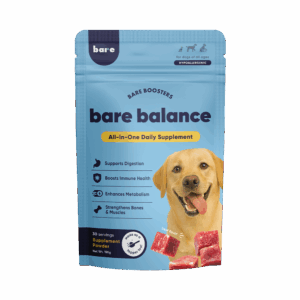
Cavaliers are prone to heart conditions, so keeping overall health balanced is key. A daily all‑in‑one like Bare Pets’ all-in-one supplement supports essential nutrients.

4. Pug

  • Energy Levels: Low
  • Compatibility: Gets along with everyone
  • Health: Likely to develop breathing issues

Nothing quite matches the affectionate personality of a Pug. These small, adorable dogs are known for their charming, loving nature and fierce loyalty to humans. Pugs prefer cuddling up with their family instead of spending time outdoors. 

As natural couch potatoes, they love to curl up into a ball and relax on their owner’s lap. A Pug is an excellent choice if you’re looking for a low-energy, lovable companion.

To further support sensitive skin and reduce inflammation around folds, try Bare Pets’ skin and coat supplement.

5. Bichon Frise

  • Energy Levels: Moderate
  • Compatibility: Suitable for small homes and apartments, good with kids
  • Health: Generally healthy but should be checked for allergies

The small, fluffy Bichon Frise is well-suited for a life of companionship and snuggles. This breed is amiable and good-natured, wanting to please their humans. Known for their cheerful disposition, Bichons will happily snuggle up with you at any time of the day or night. 

They’re also happily adaptable to any living environment, making them a fantastic breed choice for tiny homes or apartments.

Bichons with skin sensitivities often benefit from Bare Pets’ Rise & Shine: Enhance Fur & Skin.

Frequently Asked Questions

How do I adopt one of these breeds?

Research reputable shelters and breed-specific rescue organizations to adopt one of these cuddly breeds. Online forums and social media groups can also provide valuable insights. 

After you’ve narrowed down your options, schedule visits to meet potential fur buddies and speak to experts about the breed’s specific needs and temperament. Once you find a match, complete the adoption paperwork and prepare your home for your new cuddly companion.

What are the average costs involved in owning a cuddly dog?

Costs can vary depending on the dog’s breed, age, and health. Here’s a general breakdown:

  • Initial Adoption Fee: $50-$300
  • Initial Vet Visit: $50-$300
  • Monthly Food: $30-$80
  • Grooming: $30-$100 per visit, depending on breed and grooming needs
  • Annual Vaccinations and Check-ups: $100-$300

It’s essential to factor in other costs like toys, bedding, and unexpected health issues.

Do these breeds require special grooming?

Each breed has its grooming needs:

  • Labrador Retriever: Regular brushing to reduce shedding; no specialized grooming needed.
  • Golden Retriever: Requires frequent brushing to maintain their coat and minimize shedding; professional grooming is recommended every 2-3 months.
  • Cavalier King Charles Spaniel: Bi-weekly brushing and occasional professional grooming.
  • Pug: Minimal grooming but frequent face cleaning to prevent infections in their facial wrinkles.
  • Bichon Frise: Requires regular brushing to prevent matting and professional grooming every 4-8 weeks.

Proper grooming keeps your pet looking good and contributes to their overall well-being.

Regular brushing not only keeps coats healthy but strengthens bonding time. Try the Bare Brush for a stress‑free grooming routine.

Conclusion

As a dog lover, sharing warmth and affection with your cuddly canine companion is nothing like sharing warmth and love. Whether you want a big, cuddly Labrador Retriever or the perfect lap dog like a Cavalier King Charles Spaniel, there’s a breed for every cuddle enthusiast. 

Remember, each dog’s unique personality might differ from the breed’s general traits. So when searching for the perfect cuddle buddy, take the time to let them into your heart slowly and be open to their quirks – because that’s where the magic of true companionship lies.

Ready to take the plunge? We recommend consulting a veterinarian for tailored advice or connecting with other dog lovers.

Real dogs deserve real ingredients.

Tags
First Time Pet Parents, Tips

How Pets Teach Responsibility: Lessons for Life

Pets can be wonderful companions that bring us joy and happiness. However, they can also provide valuable life lessons, especially regarding responsibility. This article explores how pets can teach responsibility and how these lessons can benefit us throughout our lives.

Feeding and Care

  • Fresh food and water: Don’t let that bowl go empty. Your pet relies on you for daily nutrition.
  • Regular vet visits: Schedule yearly check-ups to catch health issues early.
  • Exercise: Give your pet room to move, whether a hamster wheel or a sprawling park.

Neglect your pet’s food bowl, and you’re neglecting your duties. Starving pets are a real issue and can result in legal consequences. Apply this vigilance to your job; incomplete tasks can cost you a promotion or even your job.

Grooming and Hygiene

  • Regular baths: Dirt and fleas can make a pet’s life miserable.
  • Fur brushing: Matting is painful; you can prevent it.
  • Dental care: Bad breath in pets might mean dental disease.

Bathing a pet teaches you discipline. Failing to groom your pet regularly? You’re setting the stage for skin diseases and parasitic infestations. When you apply this discipline to your daily life, your environment remains clean and organized.

Exercise and Play

  • Walks: Your dog can suffer from obesity without exercise.
  • Interactive toys: A bored pet can become destructive.
  • Social interaction: Isolation affects pets just like it does humans.

Getting your pet to exercise prevents lethargy and obesity. Slack on this, and you’re courting a plethora of health issues for your pet. In your own life, think about the value of regular exercise to stave off stress and health problems.

Training and Discipline

  • Basic commands: An unruly pet is a nuisance and could be dangerous.
  • Proper toys: Cats ruin furniture without scratching posts.
  • Time-outs: Think isolation, not punishment.

Imagine your dog terrorizing the neighborhood. Training your pet avoids this and keeps everyone safe. Proper training equates to a well-functioning team at work, sparing everyone needless stress.

Health and Safety

  • Vaccinations: Different pets need different shots. Research is key.
  • Safe environment: Chemicals and small objects can pose choking hazards.
  • Emergency kit: Basic first aid supplies can save your pet’s life.

Delay your pet’s vaccines, and you’re gambling with their life. Diseases like parvovirus or feline leukemia are fatal but preventable. This sense of responsibility extends to other areas of your life, like keeping a first aid kit in your car.

Frequently Asked Questions

How does pet ownership enhance life skills?

Pet care instills valuable traits like responsibility, commitment, and patience, translating into better work ethics and relationships.

What pets are best for teaching responsibility?

Cats and dogs often need the most care, thereby teaching greater responsibility.

Conclusion

Pets can be excellent teachers of responsibility, providing valuable life lessons that can benefit us in many areas. 

By taking on the responsibilities of feeding and care, grooming and hygiene, exercise and play, training and discipline, and health and safety, pet owners learn essential skills such as consistency, commitment, attention to detail, patience, positive reinforcement, and the consequences of neglect or indifference. 

These skills can help us become more responsible and accountable in other areas, such as work, school, and relationships. So, if you’re considering getting a pet, remember that they can provide more than just companionship – they can also provide valuable lessons that will stay with you for a lifetime.

Real dogs deserve real ingredients.

Tags
First Time Pet Parents, Tips, Training

Flying With Your Dog: What to Know

Like going on trips with your human friends and family, flying with your furry buddy sounds exciting but can involve complicated procedures. This comprehensive guide dives into the essentials and covers the ramifications of not following airline pet policies.

Types of Pets Allowed on Planes

Pet policies vary from airline to airline regarding allowed pets on the plane, ranging from specific animal breeds to the size and weight of the animal.

While cats and small dogs quickly fly with you in the cabin, larger animals usually travel as cargo. Some airlines may restrict certain breeds due to temperament or size issues. It’s crucial to check your airline’s pet policies and any regulations for your destination country.

For example, some airlines may restrict certain breeds due to temperament or size issues, such as brachycephalic breeds (e.g., Bulldogs, Pugs), prone to respiratory problems.  

Meanwhile, exotic pets like birds, rabbits, or reptiles may have specific restrictions or require special accommodations. Some airlines do not allow these types of pets, while others may require you to provide specific travel crates, health certificates, or additional documentation.

Additionally, emotional support animals (ESAs) and service animals have their own set of regulations. While service animals are generally permitted to travel in the cabin with their owners, airlines may have different policies for ESAs, including restrictions on the types of animals allowed and documentation required.

It’s also important to consider the airline’s policies on the maximum number of pets allowed per flight and the total number of pets you can bring. Some airlines have a limit on how many pets can be in the cabin or cargo area on a single flight to ensure safety and comfort.

Lastly, always check the specific requirements for your destination country. Some countries have strict import regulations, including mandatory quarantine periods, vaccinations, and microchip identification for pets entering the country.

Learn your airline’s policies to ensure a smooth and safe journey for you and your pet.

List of Requirements

When traveling with your pet, you must be aware of your destination country’s specific health and vaccination requirements. Many countries have stringent regulations to prevent the spread of diseases, and failing to meet these requirements can result in your pet being denied entry, quarantined, or even sent back to the country of origin.

Key Points to Consider

  • Required Vaccinations

Most countries require pets to be vaccinated against common diseases such as rabies and may even require vaccinations against distemper, parvovirus, and other regional diseases. Ensure your pet’s vaccinations are current, and obtain a vaccination certificate from your veterinarian.

  • Health Certificates 

A health certificate, often issued by an accredited veterinarian, is typically required to verify that your pet is healthy and free of contagious diseases. This certificate may need to be issued within a specific time frame before travel, often within 10 days of departure.

  • Microchip Identification

Many countries require pets to have an ISO-compliant microchip for identification purposes. Ensure your pet’s microchip is registered with up-to-date contact information.

  • Parasite Treatments

Some destinations require pets to receive treatments for parasites, especially contagious ones such as ticks, fleas, and tapeworms, before arrival. Like the above, these treatments must be administered within a specific period before travel.

  • Quarantine Regulations

Certain countries have mandatory quarantine periods for incoming pets, especially strict rabies-free ones like Australia, New Zealand, and Singapore. Quarantine duration can vary from a few days to several months, depending on the country and the pet’s health and vaccination status.

  • Import Permits

Some countries require a pet import permit, which must be obtained in advance. This permit often involves submitting various documents, including vaccination records and health certificates.

Penalties for Non-Compliance

Adherence to airline or destination country regulations for pet travel can have serious consequences. It’s crucial to follow all guidelines meticulously to avoid potential penalties.

Some possible penalties include:

  • Hefty Fines

Non-compliance with pet travel regulations can result in substantial fines from airlines and governmental authorities. These fines can add significant unexpected costs to your trip.

  • Mandatory Quarantine

Your pet may be subjected to mandatory quarantine if it does not meet the country’s entry requirements. Quarantine periods can vary widely, sometimes lasting from a few days to several months, causing distress to your pet and incurring additional expenses.

  • Denial of Entry

In some cases, failure to comply with regulations can lead to your pet being denied entry into the destination country. This may result in your pet being sent back to the country of origin at your expense or, worse, placed in a shelter or facility.

  • Ban from Future Flights

Airlines take compliance with pet travel regulations seriously. Severe or repeated violations can lead to you and your pet being banned from flying with the airline in the future.

  • Legal Consequences

In extreme cases, what they consider severe non-compliance with international pet travel regulations can result in legal action. This can include prosecution for violating import/export laws, especially in countries with strict biosecurity measures.

Cost and Seating Arrangements

Bringing your pet along on a flight involves additional expenses. 

Most airlines charge between $100 to $200 each way for pets traveling in the cabin, while larger animals transported as cargo incur higher fees. It’s important to note that some international carriers may have stringent health regulations that restrict or prohibit pet travel altogether.

Plan and conduct thorough research to prevent unexpected complications. Consider purchasing an extra seat for comfort and safety, depending on your pet’s size.

Pet Safety During Flight

The safety and comfort of your pet during air travel should be your utmost priority. Here’s how you can ensure that for the entire duration of your flight.

  • Hydration and Feeding

Offer your pet water regularly to keep them hydrated, but avoid feeding them a large meal just before or during the flight to prevent discomfort or nausea.

  • Temperature Control

If your pet is in a carrier, ensure it is well-ventilated to maintain a comfortable temperature for them throughout the journey. Avoid placing the airline in direct sunlight or near air conditioning vents, which could cause temperature extremes.

  • Comfort and Movement

Check on your pet periodically during the flight to see if they are comfortable and relaxed. Consider gently stroking or speaking to them for longer flights to provide reassurance and alleviate stress.

  • Pet Carrier Safety

Use a sturdy and appropriately sized pet carrier that allows your pet to stand, turn around, and lie down comfortably. Secure the carrier properly to prevent shifting during turbulence.

  • Medication and Calming Aids

If your pet tends to experience anxiety during travel, consult your veterinarian about safe and effective calming aids or medications you can have on hand. Testing any medication before the flight is essential to ensure your pet’s comfort and safety.

  • Identification and Documentation

Ensure your pet wears a collar with identification tags that include your contact information. Additionally, carry copies of your pet’s vaccination records, health certificates, and any required permits in case they are requested during travel or upon arrival.

  • Pre-Flight Preparation

Familiarize your pet with the carrier well in advance of the flight. Introduce them to the carrier gradually and positively associate them with treats or comfort items. This helps reduce both of your anxieties and increases your comfort level during the journey.

  • Flight Specifics

Research specific airline policies regarding pet travel, including restrictions, carrier dimensions, and documentation requirements. Some airlines may have limitations on the number of pets allowed per flight or specific rules for international travel.

Frequently Asked Questions

Can my pet sit with me during the flight?

The answer varies depending on the airline’s specific policy and the size of your pet.

Smaller pets that fit into a regulation-sized carrier can usually sit under the seat before you. However, larger pets may need to travel as cargo. Some airlines offer specialized pet cabins to make your pet more comfortable during the flight, but you’ll need to do research beforehand.

What happens if my pet falls sick during the journey?

If your pet falls ill during the flight, alerting the flight attendants immediately is crucial. 

Most airlines have a basic first-aid kit for pets and can offer initial help. However, they cannot provide specialized veterinary care. Upon landing, seek immediate veterinary assistance. Some airports have veterinary offices or can direct you to the nearest facility.

Are emotional support animals subject to the same rules?

Policies for emotional support animals (ESAs) differ from those for regular pets. 

ESAs are often allowed to sit with their owners regardless of size, but documentation proving the pet’s ESA status is typically required. Be aware that some airlines have tightened their policies on ESAs due to system abuse, so check current guidelines before traveling.

Conclusion

Knowing what to expect makes flying with your pet a smoother experience. 

Always adhere to guidelines to avoid penalties and ensure your pet’s safety. Remember that preparation is vital to a stress-free journey for you and your furry travel buddy.

Action Steps

  1. Research airline policies
  2. Prepare required documentation
  3. Pack essentials for your pet’s comfort

Real dogs deserve real ingredients.

Tags
First Time Pet Parents, Tips, Travel

What’s the Safest Dog Bowl Material? Here’s What Every Pet Owner Should Know

As pet owners, we want to ensure our furry friends are happy, healthy, and safe. One way to do this is by choosing suitable materials for their food and water bowls. While many options are available on the market, not all materials are created equal regarding pet safety. 

Quick Comparison Table

MaterialSafetyDurabilityEase of Cleaning
Stainless SteelHighHighHigh
CeramicMedium-HighMediumHigh
GlassHighLowHigh
SiliconeMediumLow-MediumMedium-High
PlasticLowMediumLow
WoodLowMedium-LowLow

In this article, we’ll explore the safest materials for dog bowls and what pet owners should consider when choosing the best option.

Safest Material for Dog Bowls

Stainless Steel

Stainless steel is considered one of the safest materials for dog bowls. It is durable, non-porous, and easy to clean, which makes it resistant to bacterial growth. Stainless steel is also a good option for pets with allergies or sensitivities, as it does not leach chemicals or react with acidic or alkaline foods. 

Additionally, stainless steel is rust-resistant and does not absorb odors, making it a long-lasting choice.

Key Takeaways

  • Safety: Excellent
  • Durability: Long-lasting
  • Ease of Cleaning: Simple

Environmental Impact

Stainless steel is highly recyclable, making it an eco-friendly option.

How to Identify Quality

Look for food-grade or 18/8 stainless steel to ensure high quality.

Looking for safe mealtime solutions beyond the bowl? Support your pup’s digestion with Good Gut, a probiotic blend that keeps your dog’s tummy calm and nutrient absorption on track, especially important when switching bowl types or diets.

Ceramic

Ceramic is another popular material for dog bowls. It is non-toxic, easy to clean, and has various colors and designs. However, pet owners should know that not all ceramic bowls are equal. Some ceramic glazes may contain lead or other toxic substances, which can leach into your pet’s food or water over time. 

Choosing ceramic bowls labeled “lead-free” and made from high-quality materials is best to ensure safety.

Key Takeaways

  • Safety: Generally safe, but caution required
  • Durability: Moderate
  • Ease of Cleaning: Easy

Environmental Impact

Ceramic is less eco-friendly due to the energy-intensive manufacturing process.

How to Identify Quality

Opt for ceramic bowls that are certified lead-free and have a quality glaze.

Glass

Glass is a safe and durable material for dog bowls. It is non-porous, easy to clean, and does not leach any chemicals or toxins. However, glass bowls can be prone to breakage and dangerous if shattered. It is best to use tempered or reinforced glass bowls designed for pet use to prevent accidents.

Key Takeaways

  • Safety: High
  • Durability: Low
  • Ease of Cleaning: Easy

Environmental Impact

Glass is highly recyclable but has a higher energy cost in production.

How to Identify Quality

Look for tempered or reinforced glass labeled for pet use.

Silicone

Silicone is a popular choice for travel dog bowls as it is collapsible, lightweight, and easy to clean. It is non-toxic, heat-resistant, and does not absorb odors or flavors. However, it is not recommended for everyday use as some pets can easily chew or damage it.

Key Takeaways

  • Safety: Moderate
  • Durability: Low to Medium
  • Ease of Cleaning: Easy

Environmental Impact

Silicone is less biodegradable than other materials but can be recycled in certain facilities.

How to Identify Quality

Look for food-grade silicone that is FDA-approved for pet use.

Plastic

Plastic dog bowls are inexpensive and come in various colors, but they may leach harmful chemicals, making them a less-than-ideal option for your pet’s daily use.. However, they are not the safest option for pets as they are prone to scratches and can harbor bacteria, leading to health problems. 

Additionally, plastic bowls can contain harmful chemicals such as BPA, phthalates, and other toxic substances that can leach into your pet’s food or water over time.

Key Takeaways

  • Safety: Low
  • Durability: Medium
  • Ease of Cleaning: Difficult 

Environmental Impact

Plastic is less eco-friendly due to low recycling rates and high waste production.

How to Identify Quality

Choose BPA-free, phthalate-free, and FDA-approved plastic bowls if you must use plastic.

Wood

Wooden dog bowls are a stylish and eco-friendly option. However, they are not recommended for everyday use as they can be challenging to clean and can harbor bacteria. Additionally, wood can absorb moisture and odors, which can make it difficult to sanitize.

Key Takeaways

  • Safety: Low
  • Durability: Medium to Low
  • Ease of Cleaning: Difficult

Environmental Impact

Wood can be a sustainable choice if sourced responsibly.

How to Identify Quality

Select wooden bowls treated with food-safe finishes and sourced from sustainable forests.

Conclusion

Stainless steel, ceramic, and glass are the top choices when choosing the safest material for dog bowls. These materials are durable, easy to clean, and do not contain any harmful chemicals or toxins. While silicone and wood can also be safe options for some pet owners, they are not recommended for everyday use. 

Pet owners should be aware of the potential risks associated with plastic bowls and choose a higher-quality, non-toxic option to ensure the safety and health of their furry friends. 

Pet owners can decide what materials best suit their pets’ needs by considering these factors.

Choosing the right bowl is just one piece of the wellness puzzle. Make sure your dog’s food is just as safe and nutritious. Candidly Fresh Chicken Kibble offers clean-label, protein-rich nutrition that pairs perfectly with any safe, non-toxic bowl you choose.

Real dogs deserve real ingredients.

Tags
Accessories, First Time Pet Parents, Food, Tips
grab a Barepets bare
Close
doggy bowl
Your cart is emptyReturn to Shop
Apply Coupon
Available Coupons
bareparent20 Get 20% off New customers can avail 20% off their first order.