Quantcast
Logo of Bare Pets

How Long Does Dry Dog Food Last? Storage Tips for Pet Owners

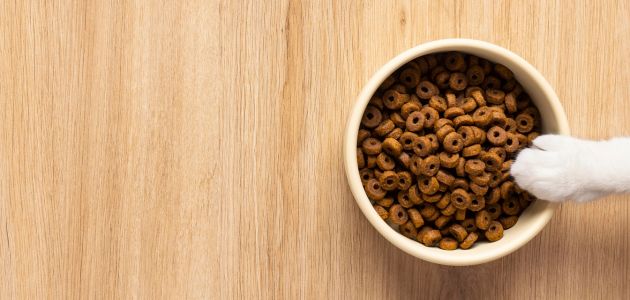
As pet parents, we all want to provide the best nutrition for our furry friends while ensuring their food stays fresh and safe to eat. But have you ever wondered if dry dog food expires? The short answer is yes, like all food products, dry dog food (or kibble) has a shelf life.

At Bare Pets, we’re dedicated to helping you keep your pets happy and healthy, and that includes offering high-quality kibble and wet food options. In this article, we’ll dive into how long dry dog food lasts, how to store it properly, and what to look for to ensure your dog’s meals stay fresh.

Does Dry Dog Food Expire?

Yes, dry dog food does expire. While kibble is designed to have a long shelf life, it isn’t immune to spoilage. Over time, exposure to air, moisture, heat, and light can degrade the food, reducing its nutritional value and potentially making it unsafe for your dog to eat.

The good news is that with proper storage and awareness, you can maximize the freshness of your dog’s food and ensure it remains a nutritious option for your pet.

How Long Does Dry Dog Food Last?

The shelf life of dry dog food depends on a few factors, including the manufacturing date, packaging, and storage conditions. Most high-quality kibble, like the ones offered at Bare Pets, comes with a “best by” or “use by” date printed on the bag.

General Guidelines for Kibble Shelf Life:

  • Unopened Bags: Dry dog food typically lasts 12-18 months from the manufacturing date when stored in its original, sealed packaging.
  • Opened Bags: Once opened, kibble should be consumed within 4-6 weeks to ensure optimal freshness and nutritional value.

For example, our Candidly Fresh Chicken Adult Dog Kibble is crafted with high-quality ingredients and contains added probiotics to support digestive health. Proper storage ensures these benefits remain intact.

How to Tell if Dry Dog Food Has Gone Bad

Even if the “best by” date hasn’t passed, poor storage can cause kibble to spoil. Here are some signs to watch for:

  • Unusual Odor: Spoiled kibble may have a rancid or sour smell due to the breakdown of fats and oils.
  • Discoloration: Changes in color or the appearance of mold indicate that the food is no longer safe to eat.
  • Pests: If you notice insects or rodent droppings in the food, discard it immediately.
  • Your Dog Refuses to Eat It: Dogs often have a keen sense of smell and taste. If your dog suddenly refuses their food, it could be a sign that it’s gone bad.

Storage Tips to Keep Dry Dog Food Fresh

Proper storage is key to extending the shelf life of your dog’s kibble. Here are some tips to help you store dry dog food correctly:

1. Keep It in Its Original Bag

The original packaging is designed to preserve the food’s freshness and protect it from air and moisture. If you transfer the food to another container, keep the original bag inside to retain access to the “best by” date and product details.

2. Use Airtight Containers

Store the kibble in an airtight container to prevent exposure to air, which can cause oxidation and spoilage. This also keeps pests and moisture out.

3. Store in a Cool, Dry Place

Heat and humidity can speed up the degradation of dog food. Keep the kibble in a cool, dry location, away from direct sunlight.

4. Avoid Overbuying

While it’s tempting to stock up on a large bag of kibble, only buy what your dog can consume within 4-6 weeks after opening. This ensures they’re eating fresh food.

How to Store Wet Dog Food

Wet dog food has a shorter shelf life than kibble, but proper storage can help you make the most of it.

Unopened Cans or Pouches

Wet food typically lasts 1-2 years when stored in a cool, dry place. Always check the “best by” date before feeding it to your dog.

Opened Cans or Pouches

Once opened, wet food should be refrigerated and used within 2 to 3 days. Transfer any unused portion to an airtight container to maintain freshness.

At Bare Pets, we offer delicious wet food options like Cluckin’ Good Adult Wet Dog Food and Seriously Beefy Adult Wet Dog Food, ensuring your dog gets a tasty and nutritious meal every time.

Why Proper Storage Matters

Proper storage isn’t just about preventing spoilage’s also about preserving the nutritional value of your dog’s food. High-quality kibble and wet food contain essential nutrients, such as proteins, vitamins, and probiotics, that support your dog’s overall health.

For example, our Candidly Fresh Lamb Hypoallergenic Adult Dog Kibble is specially formulated for dogs with sensitivities to common allergens. Proper storage ensures that these benefits are retained, providing your dog with the best possible nutrition.

The Role of Supplements in Your Dog’s Diet

While proper storage helps maintain the quality of your dog’s food, supplements can provide additional support for their overall health. At Bare Pets, we offer a range of supplements tailored to your dog’s specific needs:

Adding these supplements to your dog’s diet ensures they’re getting the nutrients they need for a happy, healthy life.

Why Choose Bare Pets for Your Dog’s Nutrition?

At Bare Pets, we’re passionate about providing pet parents with high-quality products that support their dogs’ health and well-being. Here’s why our customers trust us:

  • Premium Ingredients: Our kibble and wet food are crafted with natural ingredients to deliver a balanced nutrition.
  • Tailored Options: From hypoallergenic kibble to wet food for puppies, we offer a range of options to suit every dog.
  • Expert Support: Do you have questions about your dog’s diet? Contact us for personalized advice.

So, how long does dry dog food last? While unopened kibble can last up to 18 months, proper storage is essential to maintain its freshness and nutritional value. By following the storage tips outlined above, you can ensure your dog’s food remains safe and delicious.

At Bare Pets, we’re here to help you provide the best care for your furry friend. Discover our selection of kibble, wet food, and supplements to find the ideal options for your dog.

If you have any questions or need additional guidance, don’t hesitate to contact us. Your dog’s health and happiness are our top priorities!
Real dogs deserve real ingredients.

Tags

Essential Guide to Dog Nutrition: Understanding Labels and Ingredients

As a responsible pet parent, ensuring your dog’s diet meets their nutritional needs is one of the most important aspects of pet care. However, with numerous dog food options available, deciphering dog food nutrition labels and identifying the right ingredients can feel overwhelming.

At Bare Pets, we believe that understanding what goes into your dog’s food is key to making informed decisions. In this guide, we’ll walk you through how to read dog food labels, which dog food ingredients to avoid, and how our high-quality kibble, wet food, and supplements can support your pet’s overall health.

Why Understanding Dog Food Nutrition Labels Matters

Dog food labels are more than just marketing; they’re a critical source of information about the nutrients your dog will consume. Here’s why it’s essential to understand them:

  • Ensure Balanced Nutrition: Labels help you confirm that the food meets your dog’s dietary needs.
  • Avoid Harmful Ingredients: Some dog foods contain fillers or additives that can harm your pet over time.
  • Make Informed Choices: Understanding labels allows you to choose the best food for your dog’s age, size, and health conditions.

How to Read Dog Food Nutrition Labels

1. Check the Ingredient List

Ingredients are listed in descending order by weight, so the first few items are the most significant in terms of quantity. Look for high-quality protein sources, such as chicken, lamb, or beef, as the first ingredient.

Example: Our Candidly Fresh Chicken Adult Dog Kibble features real chicken as its primary ingredient, ensuring your dog receives high-quality protein for optimal muscle maintenance.

2. Understand Guaranteed Analysis

The guaranteed analysis section displays the minimum and maximum percentages of key nutrients, including protein, fat, fiber, and moisture. For example:

  • Protein: Essential for muscle growth and repair.
  • Fat: Provides energy and supports skin and coat health.
  • Fiber: Aids digestion and helps maintain a healthy weight.

3. Look for AAFCO Statements

In the Philippines, many dog food brands adhere to guidelines established by the Association of American Feed Control Officials (AAFCO). Look for a statement that says the food is “complete and balanced” for your dog’s life stage (puppy, adult, or senior).

Dog Food Ingredients to Avoid

Not all dog food ingredients are created equal. Here are some common additives and fillers to watch out for:

1. Artificial Preservatives

Ingredients such as BHA, BHT, and ethoxyquin are often used to extend shelf life, but can have harmful side effects over time. Instead, opt for foods that use natural preservatives, such as vitamin E or rosemary extract.

2. By-Products

While meat by-products can include nutritious organ meats, they often contain lower-quality ingredients, such as beaks or feet. Look for foods with named meat sources instead.

Better Option: Our Candidly Fresh Lamb Hypoallergenic Adult Dog Kibble features lamb as a single, named protein source, making it an ideal choice for dogs with sensitivities.

3. Artificial Colors and Flavors

These additives serve no nutritional purpose and can sometimes cause allergies or digestive issues.

4. Excessive Fillers

Corn, wheat, and soy are often used as cheap fillers but provide little nutritional value. Instead, choose foods with wholesome grains or opt for grain-free alternatives.

Choosing the Right Dog Food: Kibble vs. Wet Food

Both kibble and wet food have their benefits, and the best choice depends on your dog’s needs and preferences.

Kibble: Convenient and Nutritious

Kibble is a popular choice for its convenience and long shelf life. At Bare Pets, we offer a variety of high-quality kibble options:

Wet Food: Hydrating and Flavorful

Wet food is an excellent option for dogs who need extra hydration or are picky eaters. Our wet food options include:

Supplements: Enhancing Your Dog’s Nutrition

Even with the best kibble or wet food, some dogs may benefit from additional supplements to address specific needs:

Pro Tips for Choosing the Best Dog Food

  • Consider Your Dog’s Life Stage: Puppies, adults, and seniors have different nutritional needs.
  • Account for Activity Level: Active dogs need more calories, while less active dogs may require a lower-calorie diet.
  • Monitor Allergies: If your dog shows signs of food sensitivities, consider hypoallergenic options, such as our Candidly Fresh Lamb Hypoallergenic Adult Dog Kibble.
  • Mix It Up: Combine kibble with wet food for a balanced diet that includes both texture and hydration.

Why Choose Bare Pets for Your Dog’s Nutrition?

At Bare Pets, we’re dedicated to providing pet parents in the Philippines with high-quality nutrition options for their furry friends. Here’s why you can trust us:

  • Premium Ingredients: All our products are made with carefully selected, high-quality ingredients.
  • Wide Selection: From kibble to wet food and supplements, we offer a variety for every dog.
  • Convenience: Shop online at our store and enjoy hassle-free delivery.

Understanding dog food nutrition labels and identifying dog food ingredients to avoid is essential for keeping your pet healthy and happy. Whether you’re choosing kibble, wet food, or supplements, Bare Pets has everything you need to meet your dog’s nutritional needs.

Ready to make smarter choices for your dog’s diet? Explore our range of kibble, wet food, and supplements today, or contact us for personalized recommendations.

Real dogs deserve real ingredients.

Tags

Best Hypoallergenic Dog Food Options for Sensitive Pets

If your dog is constantly scratching, experiencing digestive issues, or dealing with skin irritations, they might be suffering from food allergies. These symptoms can be distressing for both you and your furry friend, but the good news is that hypoallergenic dog food can help.

At Bare Pets, we understand how challenging it can be to find the right diet for dogs with allergies. That’s why we’ve curated a range of high-quality kibble and wet food options specifically designed to address food sensitivities. In this guide, we’ll explore the benefits of hypoallergenic dog food and introduce you to the best options available in the Philippines.

What Is Hypoallergenic Dog Food?

Hypoallergenic dog food is specially formulated to minimize allergic reactions in dogs. It typically avoids common allergens such as beef, chicken, dairy, soy, and wheat, and instead focuses on novel proteins or limited ingredients to minimize the risk of triggering sensitivities.

Signs Your Dog May Need Hypoallergenic Food

Not sure if your dog has food allergies? Here are some common signs to watch out for:

  • Persistent scratching or licking
  • Red, inflamed skin or hot spots
  • Chronic ear infections
  • Vomiting or diarrhea
  • Gas or bloating

If you notice any of these symptoms, switching to hypoallergenic dog food could make a world of difference.

Why Choose Hypoallergenic Dog Food?

1. Eases Allergic Reactions

Hypoallergenic dog food eliminates common allergens, providing relief from symptoms like itching, redness, and digestive upset.

2. Supports Skin and Coat Health

Many hypoallergenic formulas include omega-3 and omega-6 fatty acids, which help soothe irritated skin and promote a shiny coat. For additional support, you can pair your dog’s diet with the Rise and Shine Skin Health Dog Supplement.

3. Improves Digestion

Dogs with allergies often have sensitive stomachs. Hypoallergenic food is easier to digest and may include probiotics, like those found in our kibble options, to promote gut health.

Best Hypoallergenic Dog Food Options at Bare Pets

At Bare Pets, we’ve made it easy for pet parents in the Philippines to find the best hypoallergenic dog food. Here are some of our top recommendations:

Kibble Options

1. Candidly Fresh Lamb Hypoallergenic Adult Dog Kibble

This kibble is specially formulated for dogs with food sensitivities. Made with lamb as a novel protein source, it’s perfect for dogs who may be allergic to more common proteins like chicken or beef.

Key Benefits:

  • Hypoallergenic formula to reduce allergic reactions
  • Includes probiotics for better digestion
  • Packed with essential vitamins and minerals for overall health

2. Candidly Fresh Chicken Adult Dog Kibble

While chicken is a common allergen, this kibble is specifically crafted to meet the needs of dogs that tolerate chicken well but require a high-quality, balanced diet.

Key Benefits:

  • High protein content for active dogs
  • Contains omega fatty acids for skin and coat health
  • Probiotic inclusion for digestive support

3. Candidly Fresh Beef Small Breed Kibble

Perfect for small breeds with sensitive stomachs, this kibble offers a tailored approach to hypoallergenic nutrition.

Key Benefits:

  • Small kibble size for easier chewing
  • Limited ingredient formula to reduce allergens
  • Enhanced with probiotics for gut health

Wet Food Options

For dogs who prefer wet food or need extra hydration in their diet, we recommend the following options:

1. Seriously Beefy Adult Wet Dog Food

This wet food is crafted with high-quality beef, making it an excellent choice for dogs with chicken allergies.

Key Benefits:

  • Soft texture for easy digestion
  • Rich in protein to maintain muscle health
  • Free from artificial preservatives and fillers

2. Cluckin’ Good Adult Wet Dog Food

If your dog is chicken-tolerant but struggles with other proteins, this wet food is a nutritious and delicious option.

Key Benefits:

  • The hydrating formula is ideal for dogs with dry food sensitivities
  • Packed with essential nutrients
  • No artificial additives

3. Cluckin’ Good Puppy Wet Dog Food

For puppies with sensitive stomachs, this wet food offers balanced nutrition to support healthy growth and development.

Key Benefits:

  • Gentle on young, sensitive stomachs
  • Rich in DHA for brain development
  • Easy-to-digest formula

How to Transition to Hypoallergenic Dog Food

Switching your dog to hypoallergenic food should be done gradually to avoid digestive upset. Follow these steps for a smooth transition:

  • Start Slow: Mix 25% of the new hypoallergenic food with 75% of your dog’s current food.
  • Increase Gradually: Over 7-10 days, gradually increase the proportion of the new food while decreasing the proportion of the old food.
  • Monitor Your Dog: Watch for any changes in your dog’s symptoms or behavior. If issues persist, consult your veterinarian for further guidance.

Supplements to Support Sensitive Pets

In addition to hypoallergenic dog food, supplements can provide extra support for dogs with allergies:

Why Choose Bare Pets for Hypoallergenic Dog Food in the Philippines?

At Bare Pets, we’re committed to helping pet parents find the best solutions for their furry friends. Here’s why you can trust us:

  • High-Quality Ingredients: Our hypoallergenic dog food is made with premium, carefully selected ingredients.
  • Wide Selection: From kibble to wet food, we offer options to suit every dog’s needs.
  • Convenience: Shop online at our store and have your dog’s food delivered straight to your door.

Finding the right hypoallergenic dog food in the Philippines doesn’t have to be a challenge. Whether your dog prefers kibble, wet food, or a combination of both, Bare Pets has you covered. By switching to hypoallergenic food and incorporating supplements, you can provide your sensitive pet with the relief it deserves.

Ready to improve your dog’s diet? Explore our range of hypoallergenic kibble and wet food today, or contact us for personalized recommendations.

Real dogs deserve real ingredients.

Tags

How Much Should You Feed Your Dog Daily? Feeding Calculators Explained

One of the most common questions pet parents in the Philippines ask is, “How much should I feed my dog daily?” While feeding your furry friend may seem straightforward, determining the right dog food portions based on weight, activity level, and age is crucial for their overall health. Overfeeding can lead to obesity, while underfeeding can result in nutritional deficiencies.

This is where a dog feeding calculator comes in handy. Feeding calculators eliminate the guesswork of portioning by providing accurate recommendations tailored to your dog’s specific needs. In this guide, we’ll explain how to use a feeding calculator, factors to consider when measuring dog food per day in the Philippines, and how Bare Pets’ range of kibble, wet food, and supplements can help you meet your dog’s nutritional needs.

Why Accurate Feeding Matters

Feeding your dog the right amount of food is essential for their health and well-being. 

Here’s why:

  • Maintains a Healthy Weight: Proper portion control prevents obesity, a condition that can lead to diabetes, joint issues, and heart problems.
  • Supports Energy Levels: Dogs need the right amount of calories to fuel their daily activities.
  • Promotes Longevity: Balanced feeding ensures your dog gets all the essential nutrients for a long, healthy life.

Using a dog feeding calculator simplifies the process by providing personalized recommendations tailored to your dog’s weight, age, activity level, and dietary needs.

How to Use a Dog Feeding Calculator

A dog feeding calculator is a simple tool that helps you determine the amount of food your dog needs each day. Here’s how it works:

Step 1: Input Your Dog’s Weight

The first step is to know your dog’s weight. Whether you have a small Pomeranian or a large Belgian Malinois, weight is a crucial factor in determining the correct food portions.

Step 2: Consider Activity Level

Is your dog a couch potato or a ball of energy? Active dogs burn more calories and require larger portions compared to less active ones.

Step 3: Factor in Age

Puppies, adults, and senior dogs have different nutritional requirements. Puppies, for instance, need more calories to support growth, while senior dogs may require fewer calories but more joint-supporting nutrients.

Step 4: Choose the Type of Food

The type of food you’re feeding, kibble, wet food, or a combination of both, also affects portioning. For example, kibble tends to be more calorie-dense than wet food, so you’ll need smaller portions.

Dog Food Portions by Weight: A Quick Guide

While feeding calculators provide precise recommendations, here’s a general guideline for daily dog food portions by weight:

  • Small Dogs (1-10 kg): ½ to 1 cup of kibble per day.
  • Medium Dogs (11-25 kg): 1 to 2 cups of kibble per day.
  • Large Dogs (26-45 kg): 2 to 3 cups of kibble per day.
  • Giant Dogs (46+ kg): 3 to 4 cups of kibble per day.

For wet food, adjust portions accordingly, as it contains more moisture and fewer calories per gram. For example, our Cluckin’ Good Adult Wet Dog Food is a great option for dogs who prefer a softer texture.

Choosing the Right Food: Kibble vs. Wet Food

Kibble

Kibble is a convenient, long-lasting option that provides balanced nutrition. At Bare Pets, we offer a variety of high-quality kibble options, including:

Wet Food

Wet food is a great option for picky eaters or dogs who need extra hydration. Our wet food options include:

For a balanced diet, you can combine kibble with wet food. This not only enhances flavor but also provides a mix of textures that dogs love.

Supplements: Enhancing Your Dog’s Diet

Even with the best kibble and wet food, some dogs may benefit from additional nutrients. Supplements can address specific health concerns and improve your dog’s overall well-being.

Adding supplements to your dog’s diet is simple; just mix them into their food during mealtime.

Common Feeding Mistakes to Avoid

Even with a dog feeding calculator, it’s easy to make mistakes when portioning food. Here are some common pitfalls to watch out for:

  • Measuring Portions: Always measure your dog’s food using a cup or scale for accurate measurements.
  • Ignoring Treats: Treats add calories, so adjust meal portions accordingly.
  • Feeding Once a Day: Most dogs do better with two smaller meals instead of one large meal.
  • Skipping Hydration: Make sure your dog has access to fresh water, especially if they’re eating dry kibble.

Why Choose Bare Pets for Your Dog’s Nutrition?

At Bare Pets, we’re committed to providing pet parents in the Philippines with high-quality nutrition for their furry friends. Here’s why our products stand out:

  • Premium Ingredients: Our kibble and wet food are made with real meat and essential nutrients.
  • Tailored Options: We offer a range of food and supplements for dogs of all sizes, ages, and health needs.
  • Convenience: Shop online at our store and have your dog’s food delivered straight to your door.

Feeding your dog the right amount of food is essential for their health and happiness. By using a dog feeding calculator and considering factors such as weight, activity level, and age, you can ensure your furry friend receives the necessary nutrition.

Ready to upgrade your dog’s diet? Explore our range of kibble, wet food, and supplements today, or contact us for personalized recommendations.

Real dogs deserve real ingredients.

Tags

Most Popular Dog Breeds in the Philippines and How to Care for Them

The Philippines is home to a growing community of dog lovers, with pet parents cherishing their furry companions as part of the family. Whether you’re considering adopting a dog or already have one, understanding the most popular dog breeds in the Philippines and how to care for them is essential for their health and happiness.

From local dog breeds in the Philippines (PH) to internationally recognized favorites, each breed comes with its unique traits, needs, and quirks. In this guide, we’ll explore the most popular dog breeds in the Philippines and share tips on how to provide the best care, including recommendations for kibble, supplements, and grooming essentials from Bare Pets.

1. Aspin (Asong Pinoy)

Overview

The Aspin, short for “Asong Pinoy” or Filipino dog, is the most beloved local dog breed in the Philippines. Known for their resilience and adaptability, Aspins are often found in rural areas but are increasingly cherished as household pets.

Personality Traits

  • Friendly and loyal
  • Highly intelligent and trainable
  • Adaptable to various living environments

How to Care for an Aspin

  • Diet: Aspins thrive on a balanced diet. A high-quality kibble like Candidly Fresh Chicken Adult Dog Kibble provides the protein and nutrients they need for sustained energy.
  • Supplements: Support your dog’s overall health with the Bare Essentials All-in-One Dog Supplement, which provides essential vitamins and minerals.
  • Exercise: Regular walks and playtime are enough to keep them happy and healthy.

2. Shih Tzu

Overview

Shih Tzus are one of the most popular small dog breeds in the Philippines. With their adorable faces and luxurious coats, they are a favorite among families and apartment dwellers.

Personality Traits

  • Affectionate and friendly
  • Great with kids and other pets
  • Low energy but playful

How to Care for a Shih Tzu

3. Siberian Husky

Overview

Despite the tropical climate, Siberian Huskies are a popular choice in the Philippines due to their striking appearance and friendly nature. However, they require special care to adapt to the heat.

Personality Traits

  • Energetic and playful
  • Social and good with families
  • Intelligent but can be stubborn

How to Care for a Siberian Husky

  • Diet: Huskies need a protein-rich diet to fuel their active lifestyle. Candidly Fresh Beef Adult Dog Kibble is an excellent choice for meeting their nutritional needs.
  • Hydration: Ensure they have constant access to fresh water, especially in hot weather.
  • Supplements: Active breeds like Huskies can benefit from the Jumpstart Joint Support Dog Supplement to support joint health during physical activities.

4. Golden Retriever

Overview

Golden Retrievers are known for their friendly demeanor and intelligence, making them one of the most popular family dogs in the Philippines.

Personality Traits

  • Gentle and loving
  • Highly trainable
  • Great with children and other pets

How to Care for a Golden Retriever

  • Diet: Golden Retrievers require a balanced diet to maintain their energy levels and a healthy coat. Candidly Fresh Lamb Hypoallergenic Adult Dog Kibble is a great option for dogs with sensitive stomachs.
  • Exercise: Daily walks, playtime, and mental stimulation are essential for this active breed.
  • Supplements: The Good Gut Dog Supplement can help maintain their digestive health, especially if they’re prone to tummy troubles.

5. Pomeranian

Overview

Pomeranians are tiny dogs with big personalities. Their fluffy coats and lively nature make them a favorite among pet parents in the Philippines.

Personality Traits

  • Bold and outgoing
  • Intelligent and curious
  • Good with families and apartment living

How to Care for a Pomeranian

6. Belgian Malinois

Overview

Belgian Malinois are gaining popularity in the Philippines, particularly among active individuals and families. Known for their intelligence and loyalty, they excel as working dogs and companions.

Personality Traits

  • Energetic and protective
  • Highly trainable and intelligent
  • Loyal and affectionate

How to Care for a Belgian Malinois

  • Diet: This active breed requires a high-protein diet. Candidly Fresh Chicken Adult Dog Kibble is a great option to meet their energy needs.
  • Exercise: They need plenty of physical and mental stimulation, including daily walks and training sessions.
  • Supplements: Support their joint health with the Jumpstart Joint Support Dog Supplement, especially if they’re involved in agility or other high-impact activities.

Why Nutrition and Supplements Matter

Proper nutrition is the foundation of your dog’s health, regardless of breed. At Bare Pets, we offer a wide range of kibble and supplements to meet the unique needs of your furry friend.

  • Kibble: Our high-quality kibble options are formulated with essential nutrients, probiotics, and protein to support your dog’s overall health.
  • Supplements: From joint health to skin and coat care, our supplements are specifically designed to address various health concerns and enhance your dog’s overall quality of life.

The most popular dog breeds in the Philippines, from the resilient Aspin to the playful Shih Tzu, each have unique care requirements. By understanding their needs and providing proper nutrition, exercise, and grooming, you can ensure a happy and healthy life for your furry companion.

Ready to give your dog the best care possible? Explore our range of kibble and supplements today, or contact us for personalized recommendations.

Real dogs deserve real ingredients.

Tags

How to Transition Your Dog to New Food Safely

Switching your dog to a new food might seem like a simple task, but it’s a process that requires careful planning. Whether you’re upgrading to a higher-quality kibble, introducing wet food, or switching to a different dog food brand entirely, a gradual transition is crucial for keeping your furry friend healthy and happy.

Abrupt changes in your dog’s diet can lead to digestive upset, including diarrhea, vomiting, or a lack of appetite. To avoid these issues, it’s important to follow a step-by-step approach when transitioning your dog to new food. In this guide, we’ll walk you through everything you need to know about safely changing your dog’s diet, along with product recommendations from Bare Pets to make the process even smoother.

Why Transitioning Dog Food Gradually is Important

Dogs have sensitive digestive systems, and sudden changes in their diet can disrupt the balance of gut bacteria. This can lead to:

  • Digestive Upset: Symptoms include diarrhea, gas, or vomiting.
  • Refusal to Eat: Your dog may reject the new food if it is introduced too quickly.
  • Nutritional Imbalance: A rushed transition can prevent your dog from fully adapting to the new food’s nutrients.

By transitioning gradually, you allow your dog’s digestive system to adjust, minimizing the risk of any adverse reactions.

Step-by-Step Guide: How to Transition Dog Food

Follow these steps to ensure a smooth transition when switching dog food brands or introducing a new type of food:

Step 1: Choose the Right Food

Before making the switch, research and choose a high-quality food that meets your dog’s nutritional needs. At Bare Pets, we offer a variety of premium options, including:

Step 2: Gradual Introduction

Start by mixing a small amount of the new food with your dog’s current food. Over 7-10 days, gradually increase the proportion of the new food while decreasing the proportion of the old food.

Here’s a sample schedule:

  • Days 1-2: 75% old food, 25% new food.
  • Days 3-4: 50% old food, 50% new food.
  • Days 5-6: 25% old food, 75% new food.
  • Day 7+: 100% new food.

If your dog shows signs of digestive upset, slow down the transition process and give their system more time to adjust.

Step 3: Monitor Your Dog’s Reaction

Monitor your dog’s behavior, stool quality, and appetite closely during the transition. If you notice any persistent issues, consult your veterinarian for guidance.

Tips for a Successful Transition

1. Add Digestive Support

Switching dog food brands can sometimes disrupt your dog’s gut health. To support their digestion, consider adding a probiotic supplement, such as our Good Gut Dog Supplement. This supplement helps maintain a healthy gut microbiome, reducing the risk of digestive upset.

2. Mix Kibble and Wet Food

If your dog is hesitant to try the new food, mixing kibble with wet food can make it more appealing. For example, you can combine Candidly Fresh Beef Adult Dog Kibble with Seriously Beefy Adult Wet Dog Food for a flavorful and nutritious meal.

3. Use Food Toppers or Broth

Enhance the flavor of the new food by adding a small amount of low-sodium chicken broth or a food topper. This can encourage picky eaters to try the new food.

4. Stick to a Feeding Schedule

Consistency is key when transitioning your dog’s food. Feed your dog at the exact times each day to help regulate their digestion and appetite.

Common Challenges When Switching Dog Food

1. Picky Eaters

Some dogs are naturally selective about their food. If your dog is reluctant to try the new food, start with small portions and gradually increase the amount over time. You can also add ​​a wet food option, like Cluckin’ Good Puppy Wet Dog Food, to make the meal more enticing.

2. Sensitive Stomachs

Dogs with sensitive stomachs may require a slower transition or a specialized diet to manage their condition. Our Candidly Fresh Lamb Hypoallergenic Adult Dog Kibble is a great option for dogs with food sensitivities.

3. Weight Management

If you’re transitioning to a new food to address weight concerns, be sure to measure portions carefully. Overfeeding can lead to weight gain, while underfeeding can leave your dog hungry and irritable.

Supplements to Support Your Dog’s Transition

Adding supplements to your dog’s diet can help ease the transition process and support their overall health. Here are some recommendations:

When to Consult a Veterinarian

While most dogs adapt well to a new diet with proper transitioning, there are times when professional advice is necessary. Consult your vet if:

  • Your dog experiences persistent diarrhea or vomiting.
  • They refuse to eat the new food after several days have passed.
  • You’re switching to a specialized diet for medical reasons.

Why Choose Bare Pets for Your Dog’s Food?

At Bare Pets, we’re passionate about helping pet parents provide the best nutrition for their furry friends. Our range of kibble, wet food, and supplements is carefully curated to meet the unique needs of dogs in the Philippines.

Here’s what sets us apart:

  • Premium Ingredients: Our products are made with high-quality, natural ingredients.
  • Variety: From hypoallergenic kibble to protein-rich wet food, we have options for every dog.
  • Convenience: Shop online and have your dog’s food delivered straight to your door.

Transitioning your dog to a new food doesn’t have to be stressful. By following a gradual approach, monitoring your dog’s reaction, and incorporating digestive support, you can ensure a smooth and successful switch.

Ready to upgrade your dog’s diet? Explore our range of kibble and wet food today, or contact us for personalized recommendations. Your furry friend will thank you!

Real dogs deserve real ingredients.

Tags

Kibble vs Wet Food: Which is Best for Your Dog’s Health?

As a devoted pet parent, one of the most important decisions you’ll make is choosing the right food for your dog. With so many options available, the debate between kibble and wet food often takes center stage. Both have their benefits, and the best choice ultimately depends on your dog’s specific needs, preferences, and health conditions.

In this blog, we’ll dive into the kibble vs wet food debate, exploring the pros and cons of each option to help you make an informed decision. We’ll also highlight some of the best kibble and wet food options for dogs in the Philippines, all available at www.barepets.com.

What is Kibble?

Kibble, or dry dog food, is a staple in many households. It’s made by combining ingredients like meat, grains, and vegetables, which are then cooked and shaped into bite-sized pieces.

Benefits of Kibble for Dogs

  • Convenience: Kibble is easy to store, measure, and serve, making it a hassle-free option for busy pet parents.
  • Dental Health: The crunchy texture of kibble can help reduce plaque and tartar buildup, promoting better oral hygiene.
  • Cost-Effective: Kibble is often more affordable than wet food, especially for larger dogs with bigger appetites.
  • Long Shelf Life: Unlike wet food, kibble doesn’t require refrigeration once opened, making it a practical choice for long-term use.

Best Kibble for Dogs in the Philippines

At Bare Pets, we offer a variety of high-quality kibble options to suit your dog’s needs. Here are some of our top picks:

What is Wet Food?

Wet food, also known as canned dog food, is made with higher moisture content, offering a softer texture and a richer flavor. It’s often considered a more indulgent option for dogs.

Benefits of Wet Dog Food

  • Hydration Support: Wet food contains up to 75% moisture, making it a great choice for dogs who don’t drink enough water.
  • Palatability: The rich aroma and taste of wet food make it highly appealing, even for picky eaters.
  • Easier to Chew: Wet food is softer and easier to chew, making it ideal for puppies, senior dogs, or dogs with dental issues.
  • Nutrient Density: Wet food often contains higher levels of protein and fat, providing concentrated nutrition in each serving.

Best Wet Food for Dogs in the Philippines

If you’re considering wet food for your dog, we’ve got you covered with premium options:

Kibble vs Wet Food: Key Differences

To help you decide between kibble and wet food, let’s compare the two based on several factors:

FactorKibbleWet Food
Moisture ContentLow (around 10%)High (up to 75%)
StorageEasy to store; doesn’t require refrigerationRequires refrigeration once opened
CostGenerally more affordableHigher cost per serving
Dental BenefitsHelps reduce plaque and tartar buildupNo significant dental benefits
PalatabilityIt may be less appealing to picky eatersHighly palatable and flavorful
Shelf LifeLong shelf life, even after openingShorter shelf life; must be consumed within a few days of opening

Can You Combine Kibble and Wet Food?

Yes! Mixing kibble and wet food can offer the best of both worlds. This feeding approach allows you to:

  • Enhance the flavor and texture of your dog’s meals.
  • Provide additional hydration through the wet food.
  • Ensure balanced nutrition by combining the benefits of both options.

For example, you can pair our Candidly Fresh Beef Adult Dog Kibble with Seriously Beefy Adult Wet Dog Food for a delicious, nutrient-rich meal.

How to Choose the Right Food for Your Dog

When deciding between kibble and wet food, consider the following factors:

  • Your Dog’s Age and Life Stage: Puppies and senior dogs may benefit more from wet food due to its softer texture and higher moisture content.
  • Health Needs: Dogs with dental issues, food sensitivities, or specific health concerns may require specialized kibble or wet food.
  • Activity Level: Active dogs may require the concentrated nutrition found in kibble, while less active dogs may appreciate the hydration benefits of wet food.
  • Budget: Kibble is generally more cost-effective, but wet food can be a worthwhile investment for dogs with special dietary needs or those who are picky eaters.

Why Choose Bare Pets for Your Dog’s Food?

At Bare Pets, we understand that every dog is unique, and so are their dietary needs. That’s why we offer a wide range of kibble and wet food options to suit every dog’s preferences and health requirements.

Here’s why pet parents in the Philippines trust Bare Pets:

  • Premium Ingredients: Our products are made with high-quality, natural ingredients to support your dog’s overall health.
  • Variety: From hypoallergenic kibble to protein-rich wet food, we have something for every dog.
  • Convenience: Shop online and have your dog’s favorite food delivered straight to your door.

When it comes to the kibble vs wet food debate, there’s no one-size-fits-all answer. Both options have their unique benefits, and the best choice depends on your dog’s individual needs and preferences.

If you’re still unsure, why not try both? Mixing kibble and wet food can provide a balanced, flavorful, and nutritious diet that your dog will love.

Ready to make the switch or stock up on your dog’s favorites? Explore our full range of kibble and wet food today, or contact us for personalized recommendations.

Real dogs deserve real ingredients.

Tags

Do Dogs Need Supplements? Benefits, Risks, and Best Picks

As pet parents, we all want to give our furry companions the best possible care. From choosing the right food to ensuring they get enough exercise, we do everything we can to keep our dogs happy and healthy. But what about supplements? Are they necessary for dogs?

The short answer is: it depends. While a balanced diet often provides most of the nutrients your dog needs, certain health conditions, life stages, or specific goals (such as improving skin health or joint mobility) may require additional support. In this blog, we’ll explore the benefits, risks, and best dog supplements in the Philippines to help you make informed decisions for your pup.

Why Consider Supplements for Dogs?

Dogs, just like humans, can benefit from supplements in certain situations. While high-quality kibble and wet food often provide complete nutrition, there are cases where supplements can fill nutritional gaps or address specific health concerns.

Here are a few scenarios where supplements may be beneficial:

  • Puppies and Growing Dogs: Young dogs require extra nutrients to support their rapid growth and development.
  • Senior Dogs: Aging dogs may need joint support or immune-boosting vitamins to maintain their quality of life.
  • Dogs with Specific Health Needs: Issues like digestive problems, skin allergies, or arthritis may require targeted supplements.
  • Active or Working Dogs: Dogs with high energy levels or demanding lifestyles may benefit from additional nutrients to support muscle recovery and endurance.

If your dog falls into any of these categories, adding supplements to their diet could be a game-changer.

Benefits of Dog Supplements

Adding the right supplements to your dog’s routine can offer a variety of health benefits. Let’s break down some of the most common types of dog supplements and how they can help your furry friend thrive.

1. Joint Support

As dogs age, joint health becomes a top priority. Ingredients like glucosamine and chondroitin can help reduce inflammation, improve mobility, and support overall joint health.

Our Jumpstart Joint Support Dog Supplement is specially formulated to promote joint health and keep your dog active, whether they’re a senior or an energetic young pup.

2. Digestive Health

A healthy gut is essential for your dog’s overall well-being. Probiotics and prebiotics can improve digestion, reduce bloating, and even boost the immune system.

For dogs with sensitive stomachs, our Good Gut Dog Supplement is a must-try. It’s designed to maintain a balanced gut microbiome and support optimal digestion.

3. Skin and Coat Health

Does your dog struggle with dry skin, excessive shedding, or a dull coat? Omega-3 fatty acids, biotin, and zinc can work wonders for improving skin health and promoting a shiny, healthy coat.

Discover our Rise and Shine Skin Health Dog Supplement for targeted support of your dog’s skin and coat.

4. Overall Wellness

If you’re looking for an all-in-one solution, multivitamins are a great way to ensure your dog receives all the essential nutrients it needs

Our Bare Essentials All-in-One Dog Supplement is perfect for pet parents who want to simplify their dog’s supplement routine while supporting their overall health.

Risks of Dog Supplements

While supplements can offer numerous benefits, it’s important to use them responsibly. 

Here are some potential risks to keep in mind:

  • Over-Supplementation: Too much of a good thing can be harmful. For example, excessive calcium intake can lead to skeletal issues in young dogs, while excessive vitamin A intake can cause toxicity.
  • Low-Quality Products: Not all supplements are created equal. Always choose reputable brands that use high-quality, vet-approved ingredients.
  • Allergic Reactions: Some dogs may be allergic to certain ingredients in supplements. Constantly monitor your dog for any signs of adverse reactions.

At Barepets, we prioritize your dog’s safety by offering only premium, vet-approved supplements. Explore our full range of dog supplements here.

How to Choose the Best Supplements for Dogs

When selecting supplements for your dog, consider the following factors:

  • Specific Needs: Identify your dog’s unique health concerns. Are they struggling with joint pain, digestive issues, or dry skin? Choose supplements that target these areas.
  • Life Stage: Puppies, adults, and senior dogs have different nutritional requirements. Ensure the supplement is suitable for your dog’s age and size.
  • Ingredient Quality: Look for supplements made with high-quality, natural ingredients. Avoid products with artificial additives or fillers.
  • Vet Recommendations: Always consult your veterinarian before introducing new supplements to your dog’s diet.

At Barepets, we take the guesswork out of choosing supplements by offering a curated selection of the best supplements for dogs.

Vitamins for Dogs in the Philippines

In the Philippines, where the climate can be hot and humid, specific vitamins and nutrients are especially important for dogs. For example:

  • Omega-3 Fatty Acids: Help reduce inflammation and keep your dog’s skin and coat healthy, even in humid weather.
  • Probiotics: Support digestive health, which can be particularly beneficial for dogs prone to heat-related stomach issues.
  • Vitamin E: Acts as an antioxidant to protect your dog’s cells from damage caused by the sun and heat.

Our Rise and Shine Skin Health Dog Supplement and Good Gut Dog Supplement are excellent options for addressing these specific needs.

How to Incorporate Supplements into Your Dog’s Routine

Introducing supplements to your dog’s diet is easier than you might think. Here are a few tips:

  • Start Slow: Begin with a small dose and gradually increase it to the recommended amount.
  • Mix with Food: Most supplements can be easily mixed into your dog’s kibble or wet food.
  • Be Consistent: For optimal results, take supplements as directed daily.
  • Monitor Progress: Keep a close eye on your dog’s health and behavior to determine if the supplement is having a positive impact.

If you’re feeding your dog high-quality kibble like our Candidly Fresh Chicken Adult Dog Kibble, you can simply sprinkle the supplement on top for an added nutritional boost.

Why Choose Barepets for Dog Supplements in the Philippines?

At Barepets, we understand that your dog is more than just a pet; they’re family. That’s why we’re dedicated to offering the finest supplements for dogs in the Philippines. Our products are:

  • Made with high-quality, vet-approved ingredients.
  • Designed to target specific health concerns.
  • Easy to incorporate into your dog’s daily routine.

Whether your dog needs joint support, digestive health, or an all-in-one multivitamin, we’ve got you covered.

So, do dogs need supplements? While a balanced diet often provides the nutrients your dog needs, supplements can be a valuable addition for addressing specific health concerns or enhancing overall wellness.

Ready to give your dog the extra support they deserve? Explore our range of dog supplements today, or contact us for personalized recommendations. Your furry friend will thank you!

Have questions about dog supplements in the Philippines? Reach out to us, we’re here to help!

Real dogs deserve real ingredients.

Tags

The Ultimate Puppy Feeding Guide: From Birth to Adulthood

Welcoming a puppy into your home is an exciting and rewarding experience, but it also comes with responsibilities, especially when it comes to feeding. Proper nutrition is vital for your puppy’s growth, development, and overall health. As a pet parent in the Philippines, you may wonder: What’s the best puppy food? How much should I feed my pup? And when is the right time to switch from puppy to adult food?

In this ultimate puppy feeding guide, we’ll answer all these questions and more. Whether you’re a first-time dog owner or an experienced pet parent, this guide will help you make informed decisions about your puppy’s diet.

Why Proper Puppy Nutrition Matters

Puppies grow at an incredible rate, especially during their first year of life. This rapid growth requires a diet rich in essential nutrients like protein, fats, vitamins, and minerals. Feeding your puppy the right food in the right amounts ensures they develop strong bones, healthy muscles, and a robust immune system.

In the Philippines, where the climate can be hot and humid, it’s also important to choose food that stays fresh and provides hydration. Wet food, for example, can be an excellent option for puppies who need extra moisture in their diet.

Puppy Feeding Stages

Puppies have different nutritional needs at various stages of their development. Here’s a breakdown of what to feed your pup from birth to adulthood.

1. Newborn to 4 Weeks: Milk Only

During the first four weeks of life, puppies rely entirely on their mother’s milk for nutrition. If the mother is unavailable, consult your veterinarian for a high-quality puppy milk replacer.

At this stage, puppies don’t require solid food, so there’s no need to introduce kibble or wet food just yet.

2. 4 to 8 Weeks: Transitioning to Solid Food

Around four weeks of age, puppies begin to wean off their mother’s milk and transition to solid food. Begin by introducing a high-quality wet food specifically designed for puppies. Wet food is easier to chew and digest, making it ideal for this stage.

You can also soften kibble with warm water or puppy milk replacer to make it easier for your pup to eat. Gradually increase the amount of solid food while decreasing milk intake.

Looking for the perfect wet food for your puppy? Try our Cluckin’ Good Puppy Wet Dog Food, packed with all the nutrients your growing pup needs.

3. 8 Weeks to 6 Months: Establishing a Feeding Routine

By eight weeks, your puppy should be eating solid food exclusively. At this stage, focus on providing a balanced diet that includes both kibble and wet food.

Feeding Tips:

  • Choose Puppy-Specific Food: Puppies require more calories and nutrients than adult dogs, so ensure you’re feeding them food specifically formulated for their age.
  • Feed Small, Frequent Meals: Puppies have small stomachs, so it’s best to feed them 3-4 meals per day.
  • Monitor Portion Sizes: Overfeeding can lead to obesity, while underfeeding can stunt growth. Follow the feeding guidelines on the food packaging and adjust as needed.

For a high-quality kibble option, check out our Candidly Fresh Chicken Adult Dog Kibble. It’s packed with essential nutrients and even includes probiotics to support digestive health.

4. 6 Months to 12 Months: Preparing for Adulthood

As your puppy approaches adulthood, their nutritional needs will begin to change. They’ll require fewer calories and may need to transition to adult food.

When to Switch from Puppy to Adult Food

Most dogs can switch to adult food around 12 months of age, but this can vary depending on their breed and size. Small breeds may mature faster and can transition to adult food earlier, while large breeds may require puppy food for up to 18 months.

Signs that your puppy is ready to switch include:

  • They’ve reached 80-90% of their expected adult size.
  • They’re less active and require fewer calories.
  • Their appetite has stabilized.

When transitioning, mix the new adult food with their puppy food gradually over 7-10 days to prevent digestive upset.

Choosing the Best Puppy Food in the Philippines

With so many options available, selecting the best puppy food can feel overwhelming. Here are some key factors to consider:

  • Nutritional Content: Look for food that meets AAFCO standards for complete and balanced nutrition.
  • High-Quality Ingredients: Opt for foods that are free from artificial additives and fillers.
  • Climate Suitability: In the Philippines, wet food can help keep your puppy hydrated in hot weather.

At Bare, we offer a variety of premium puppy food options, including Candidly Fresh Beef Small Breed Kibble and Cluckin’ Good Puppy Wet Dog Food. Explore our full range of puppy food products here.

Feeding Tips for Filipino Pet Parents

  • Stick to a Schedule: Consistent feeding times help regulate your puppy’s digestion and energy levels.
  • Provide Fresh Water: Always keep a bowl of clean water available, especially in the warm Philippine climate.
  • Avoid Human Food: Many human foods, such as chocolate, onions, and grapes, are toxic to dogs.
  • Monitor Your Puppy’s Weight: Regular weigh-ins can help ensure your pup is growing at a healthy rate.

Common Puppy Feeding Mistakes to Avoid

  • Overfeeding: It’s easy to overestimate how much food your puppy needs. Stick to the recommended portion sizes.
  • Inconsistent Diets: Avoid switching brands or types of food frequently, as this can upset your puppy’s stomach.
  • Skipping Meals: Puppies require consistent nutrition to support their growth, so avoid skipping meals.

Keep Your Puppy Healthy with Bare Pets

At Bare Pets, we’re committed to helping you provide the best care for your furry friend. From high-quality kibble like our Candidly Fresh Lamb Hypoallergenic Adult Dog Kibble to nutritious wet food like our Seriously Beefy Adult Wet Dog Food, we have everything you need to keep your puppy happy and healthy.

If you have questions about your puppy’s diet or need personalized recommendations, don’t hesitate to contact us.

Feeding your puppy doesn’t have to be complicated. By following this guide, you’ll ensure your pup receives the necessary nutrition to grow into a healthy, happy adult dog.

Ready to give your puppy the best start in life? Explore our selection of kibble and wet food today and make mealtime a breeze!

Real dogs deserve real ingredients.

Tags

How to Store, Freeze, and Handle Fresh Pet Food Properly

As a devoted pet parent, you want the very best for your furry companion, including providing them with fresh, nutritious food. However, proper storage, freezing, and handling of fresh pet food are essential to maintaining its quality and ensuring your pet’s health. Whether you’re dealing with kibble, wet food, or supplements, knowing how to manage your dog’s meals can make a difference.

In this guide, we’ll cover everything you need to know, including tips on freezing fresh pet food, the safe freezing time, and best practices for storing various types of pet food. Let’s dive in!

Why Proper Storage and Handling Matter

Before we get into the specifics of freezing and storing, let’s talk about why this matters. Improper storage can lead to food spoilage, contamination, and loss of essential nutrients, none of which are good for your pup. Fresh pet food, like kibble, wet food, and supplements, requires special care to ensure it remains safe and effective for your dog.

When handled correctly, your dog’s meals will not only stay fresh but also retain their nutritional value, helping your pet thrive.

How to Store Kibble Properly

Kibble is one of the most popular types of pet food because of its convenience and long shelf life. However, even kibble needs to be stored properly to maintain its freshness and nutritional integrity.

Tips for Storing Kibble:

  • Keep it in its Original Packaging: Dog food bags are designed to keep kibble fresh by blocking out air and moisture. If you prefer using a container, place the entire bag inside it rather than pouring the kibble directly into the container.
  • Use Airtight Containers: If you discard the original packaging, transfer the kibble into an airtight container to prevent exposure to air, which can cause the food to go stale.
  • Store in a Cool, Dry Place: Heat and humidity can degrade the quality of kibble. Keep it in a pantry or cupboard away from direct sunlight.
  • Check Expiration Dates: Always check the “best by” date on the bag and avoid buying more than your dog can consume within a month or two.

Looking for high-quality kibble? Check out our Candidly Fresh Chicken Adult Dog Kibble or Candidly Fresh Lamb Hypoallergenic Adult Dog Kibble, both designed to keep your dog happy and healthy.

How to Store and Freeze Wet Dog Food

Wet food is a fantastic choice for dogs who prefer moist, flavorful meals. However, it requires more careful handling than kibble due to its higher moisture content.

Tips for Storing Wet Dog Food:

Refrigerate Opened Cans: Once opened, wet food should be stored in the refrigerator and used within 3-5 days. Cover the can with a lid or plastic wrap to keep it fresh.

Freeze for Long-Term Storage: If you can’t use the food within a few days, consider freezing it. Portion the food into airtight containers or freezer-safe bags before freezing.

Can You Freeze Fresh Pet Food for Dogs?

Absolutely! Freezing wet food is a great way to extend its shelf life while preserving its nutrients. Be sure to thaw it in the refrigerator and serve it within 24 hours of thawing.

How Long Can You Store Fresh Pet Food in the Freezer?

You can freeze wet dog food for up to 6 months. Beyond that, the quality may start to decline.

For premium wet food options, explore our Seriously Beefy Adult Wet Dog Food or Cluckin’ Good Puppy Wet Dog Food. Your dog will love the taste, and you’ll love the convenience!

Handling Supplements Safely

Supplements are a fantastic way to support your dog’s health, whether you’re boosting their digestion, joint health, or skin condition. However, supplements also need proper storage to remain effective.

Tips for Storing Supplements:

Keep Them in a Cool, Dry Place: Like kibble, supplements should be stored away from heat and humidity.

Seal Tightly After Use: Always close the lid tightly to prevent air exposure, which can cause degradation of the active ingredients.

Check Expiration Dates: Supplements lose potency over time, so make sure to use them before the expiration date.

For all-in-one solutions, our Bare Essentials All-in-One Dog Supplement is an excellent choice. Need something specific? Try our Good Gut Dog Supplement for digestive health or Jumpstart Joint Support Dog Supplement for joint care.

General Tips for Freezing Fresh Pet Food

Freezing is one of the best ways to preserve fresh pet food, but there are a few key points to keep in mind:

  • Use Airtight Containers or Freezer Bags: This prevents freezer burn and keeps the food tasting fresh.
  • Label with Dates: Always mark the date you froze the food to keep track of how long it’s been stored.
  • Thaw Safely: Never thaw pet food at room temperature. Instead, defrost it in the refrigerator to prevent bacterial growth.
  • Portion Before Freezing: Freeze food in smaller portions to make thawing and serving more convenient.

Signs of Spoiled Pet Food

Even with proper storage, it’s essential to know the signs of spoiled pet food. If you notice any of the following, discard the food immediately:

  • A sour or rancid smell.
  • Mold or discoloration.
  • A change in texture (e.g., kibble becoming soft or wet food drying out).
  • Your dog refuses to eat it (always trust your pet’s instincts!).

Keep Your Dog’s Food Fresh with Bare Pets

At Bare Pets, we understand the importance of providing your furry family member with fresh, nutritious meals. That’s why we offer a wide range of products, including kibble, wet food, and supplements, to meet your dog’s unique needs.

If you have questions about our products or need help choosing the right options for your pet, don’t hesitate to contact us.

Properly storing, freezing, and handling fresh pet food is crucial for keeping your dog’s meals safe, nutritious, and delicious. By following the tips outlined above, you can ensure your pup gets the quality food they deserve.

Ready to upgrade your dog’s diet? Explore our full range of kibble, wet food, and supplements today. Your pet will thank you for it!

Real dogs deserve real ingredients.

Tags
grab a Barepets bare
Close
doggy bowl
Your cart is emptyReturn to Shop
Apply Coupon
Available Coupons
bareparent20 Get 20% off New customers can avail 20% off their first order.