Quantcast
Logo of Bare Pets

Best Ways to Keep a Dog Entertained Indoors

Rainy days, cold weather, or busy schedules sometimes make outdoor play impossible. But that doesn’t mean your dog has to miss out on fun and exercise! Keeping your dog entertained indoors is not only about avoiding boredom but also about providing mental stimulation and enriching their daily routine.

In this article, we’ll explore fun games for indoor dogs, dog enrichment activities, and how to prevent boredom in dogs. We’ll also share tips on creating DIY dog toys to keep your furry friend engaged and happy.

Why Indoor Entertainment Matters

Dogs are active and intelligent animals that thrive on physical and mental engagement. When left unstimulated, they can become bored, which may lead to destructive behaviors like chewing furniture or excessive barking.

Providing mental stimulation for dogs is just as important as physical exercise. By engaging their minds with interactive activities, you can help your dog feel fulfilled, even when stuck indoors.

Fun Games for Indoor Dogs

Playing games is one of the easiest and most enjoyable ways to keep your dog entertained indoors. Here are some fun games to try:

1. Hide and Seek

This classic game isn’t just for kids—it’s great for dogs too! Hide somewhere in your home and call your dog’s name. Reward them with treats or praise when they find you. This game taps into your dog’s natural hunting instincts and provides both mental and physical stimulation.

2. Fetch (Indoor Edition)

Use a soft toy or ball to play fetch in a safe area of your home. Clear any breakable items out of the way to avoid accidents.

3. Tug-of-War

Tug-of-war is a fantastic way to burn off energy and strengthen your bond with your dog. Use a sturdy rope toy or even an old towel for this game.

4. Obstacle Course

Set up a mini obstacle course using household items like chairs, pillows, or boxes. Encourage your dog to jump over, crawl under, or weave through the obstacles for a fun and challenging activity.

Mental Stimulation for Dogs

Keeping your dog’s mind sharp is just as important as physical exercise. Here are some ways to provide mental stimulation for dogs:

1. Puzzle Toys and Treat Dispensers

Puzzle toys are a fantastic way to challenge your dog’s problem-solving skills. These toys often require your dog to figure out how to retrieve a treat hidden inside. 

2. Training Sessions

Use the indoor time to teach your dog new tricks or reinforce basic commands like “sit,” “stay,” or “rollover.” Training not only stimulates their mind but also strengthens their bond.

3. Scent Games

Hide treats around the house and encourage your dog to sniff them out. This taps into their natural scenting abilities and keeps them mentally engaged.

4. Interactive Playtime

Games like “Find the toy” or “Name the object” are excellent for mental stimulation. For example, teach your dog to associate specific toys with names and ask them to retrieve the correct ones.

How to Prevent Boredom in Dogs

Preventing boredom in dogs requires a combination of physical activity, mental engagement, and variety. Here are some tips:

1. Rotate Toys

Instead of leaving all your dog’s toys out at once, rotate them every few days to keep things fresh and exciting.

2. Schedule Playtime

Set aside dedicated time each day for interactive play. A consistent routine helps your dog know when to expect fun and attention.

3. Provide Chew Toys

Chewing is a natural behavior for dogs and can help relieve boredom. Durable chew toys or edible chews are great options to keep your dog occupied.

4. Create a Safe Space

Having a designated area where your dog feels comfortable and secure can help reduce anxiety and boredom. Include their bed, toys, and access to water in this space.

Dog Enrichment Activities

Dog enrichment activities are designed to engage your dog’s senses and instincts, making their indoor time more enjoyable. Here are some ideas:

1. DIY Snuffle Mat

A snuffle mat is a great tool for hiding treats and encouraging your dog to use their nose to find them. You can make your own using strips of fabric tied to a rubber mat.

2. Frozen Treats

Fill a Kong toy with peanut butter, yogurt, or kibble, and freeze it for a long-lasting treat. This not only keeps your dog entertained but also satisfies their chewing instincts.

3. Food-Dispensing Toys

Turn mealtime into a game by using a food-dispensing toy. It slows down their eating and provides mental stimulation.

4. DIY Agility Course

Use items like hula hoops, broomsticks, and cushions to create an indoor agility course. Guide your dog through the course with treats or verbal cues.

DIY Dog Toys

If you’re feeling creative, making your dog toys is a fun and budget-friendly way to keep your dog entertained. Here are some simple ideas:

1. T-Shirt Rope Toy

Cut an old T-shirt into strips, braid them together, and tie the ends to create a sturdy rope toy.

2. Plastic Bottle Puzzle

Place a few treats or kibble pieces inside an empty plastic bottle and let your dog figure out how to get them out. Make sure to remove the cap and any labels for safety.

3. Sock Ball

Stuff a tennis ball inside an old sock and tie a knot at the open end. This makes a great tug or fetch toy.

DIY dog toys not only save money but also allow you to customize toys based on your dog’s preferences.

Final Thoughts: Indoor Activities to Keep Your Dog Happy and Engaged

Keeping your dog entertained indoors doesn’t have to be a challenge. With a mix of fun games for indoor dogs, mental stimulation activities, and creative DIY dog toys, you can ensure your pup stays happy and engaged, even on the laziest of days.

Remember, a mentally and physically stimulated dog is a well-behaved and content companion. For high-quality treats, and food to support your dog’s enrichment, visit the BarePets Shop. And for more tips on dog care and activities, explore Bare.

Your dog deserves the best, whether indoors or outdoors, and with these tips, you’ll keep their tail wagging no matter the weather!

Real dogs deserve real ingredients.

Tags

How Long Can I Leave My Dog Alone?

As much as we’d love to spend every moment with our furry friends, life often gets in the way. Whether it’s a long workday or a quick grocery run, many pet parents wonder: How long can I leave my dog alone?

While dogs are incredibly loyal and adaptable companions, they still have emotional and physical needs that must be met, even when you’re not at home. In this article, we’ll discuss the maximum time dogs can be alone, tips for leaving a dog home while working, and how to prevent separation anxiety. We’ll also explore the best dog breeds for working owners and ways to keep your pup entertained while you’re away.

Maximum Time Dogs Can Be Alone

The amount of time a dog can be left alone depends on factors like their age, breed, and personality. Here’s a general guideline based on age:

  • Puppies (Under 6 Months): 2–3 hours at most. Puppies have small bladders and need frequent potty breaks, as well as social interaction to develop properly.
  • Adult Dogs (1–7 Years): Most adult dogs can be left alone for 6–8 hours, provided they’ve been properly trained and exercised beforehand.
  • Senior Dogs (8+ Years): Older dogs may need more frequent potty breaks and may not tolerate being alone for extended periods.

It’s important to note that while adult dogs can physically handle being alone for up to 8 hours, their emotional well-being also matters. Dogs are social animals and thrive on companionship, so extended periods of isolation can lead to boredom, anxiety, or even destructive behavior.

Leaving a Dog Home While Working

If you’re a working pet parent, leaving your dog home alone during the day is often unavoidable. However, there are steps you can take to ensure your dog stays happy and healthy while you’re away:

1. Provide a Safe and Comfortable Space

Create a designated area for your dog where they feel secure. This could be a cozy corner with their bed, toys, and access to water. Crate training can also be helpful for dogs who find comfort in enclosed spaces.

2. Exercise Before You Leave

A tired dog is a happy dog. Take your pup for a long walk or engage them in a vigorous play session before you head out. This will help burn off excess energy and reduce the likelihood of boredom or restlessness.

3. Stick to a Routine

Dogs thrive on routine. Try to leave and return home at the same times each day, and establish a consistent feeding and potty schedule.

4. Use Technology to Stay Connected

Consider investing in a pet camera that allows you to check in on your dog and even talk to them while you’re away. Some cameras even dispense treats, providing an extra layer of interaction.

How to Keep a Dog Entertained Alone

Boredom is one of the biggest challenges for dogs left alone. Here are some ways to keep your pup entertained:

1. Interactive Toys and Puzzles

Puzzle feeders and treat-dispensing toys are excellent for keeping your dog mentally stimulated. They challenge your dog to work for their reward, which can keep them occupied for hours.

2. Chew Toys

Providing durable chew toys can help satisfy your dog’s natural chewing instincts and prevent them from gnawing on furniture or shoes.

3. Background Noise

Leave the TV or radio on to provide background noise. Some dogs find comfort in hearing human voices or calming music.

4. Rotating Toys

Instead of leaving all your dog’s toys out at once, rotate them every few days to keep things fresh and exciting.

For high-quality treats to keep your dog entertained, check out the BarePets Shop.

Separation Anxiety Prevention

Separation anxiety is a common issue in dogs and can manifest as excessive barking, destructive behavior, or even physical symptoms like vomiting. Here’s how to prevent it:

1. Practice Short Absences

Start by leaving your dog alone for short periods and gradually increase the duration. This helps your dog get used to being alone without feeling abandoned.

2. Avoid Emotional Goodbyes

When leaving the house, avoid making a big fuss. Keep your departures and arrivals low-key to prevent your dog from becoming overly anxious.

3. Offer Positive Reinforcement

Give your dog a treat or toy when you leave to create a positive association with your absence.

4. Consider a Dog Walker or Daycare

If your dog struggles with being alone for long periods, hiring a dog walker or enrolling them in doggy daycare can provide much-needed social interaction and exercise.

Best Dog Breeds for Working Owners

Some dog breeds are more independent and better suited for owners who work long hours. Here are a few breeds that tend to do well on their own:

1. Basset Hound

Known for their laid-back nature, Basset Hounds are content to lounge around while you’re at work.

2. Greyhound

Despite their athletic build, Greyhounds are surprisingly low-maintenance and enjoy napping for most of the day.

3. Shiba Inu

Independent and self-reliant, Shiba Inus is a great choice for working owners.

4. Chow Chow

These dignified dogs are known for their cat-like independence and can tolerate being alone for longer periods.

5. French Bulldog

Frenchies are adaptable and don’t require excessive exercise, making them ideal for apartment dwellers and busy owners.

While breed characteristics can give you a general idea, remember that every dog is unique. Personality, training, and individual needs should always be considered.

Final Thoughts: How to Keep Your Dog Happy and Healthy When Home Alone

So, how long can you leave your dog alone? While most adult dogs can tolerate being alone for 6–8 hours, it’s essential to meet their physical and emotional needs to keep them happy and healthy. By providing a safe environment, keeping them entertained, and addressing potential separation anxiety, you can ensure your dog thrives even when you’re not home.

If you’re looking for treats or high-quality food to support your dog’s well-being, visit the BarePets Shop. For more expert tips and resources, explore Bare.

Remember, your dog may be alone, but they’re never truly lonely when they have a loving owner like you!

Real dogs deserve real ingredients.

Tags

Can My Dog Recognize Me?

Have you ever wondered if your dog truly knows who you are? That wagging tail, excited bark, and those puppy-dog eyes suggest they do—but what’s really going on in their minds? The bond between dogs and their owners is undeniable, but how exactly do dogs remember people, and do dogs recognize faces the way humans do?

In this article, we’ll explore the science behind dog memory, how dogs form emotional attachments, and whether they miss their owners when separated. By the end, you’ll have a deeper understanding of your dog’s remarkable ability to recognize and love you.

How Dogs Remember People

Dogs have an incredible ability to remember people, and it’s not just about recognizing your face. Their memory is deeply tied to their senses, particularly smell, sight, and sound.

1. Scent Memory

A dog’s sense of smell is up to 100,000 times more sensitive than ours. This means your unique scent is like a fingerprint to your dog. Even if you’ve been away for months, your dog can instantly recognize you by your smell.

2. Voice Recognition

Dogs are also excellent at recognizing voices. Research shows that dogs can differentiate their owner’s voice from a stranger’s, even if they can’t see who is speaking.

3. Association-Based Memory

Dogs rely on associative memory, meaning they remember people and events based on experiences. For example, your dog may associate you with feeding time, walks, or cuddles, strengthening their bond with you over time.

Do Dogs Recognize Faces?

While dogs primarily rely on scent and sound, they are also capable of recognizing faces. Studies have shown that dogs can distinguish between human faces and even identify their owners in photographs.

The Science Behind Dog Memory and Facial Recognition

Dogs process visual information differently from humans. While we focus on fine details, dogs pay more attention to general shapes and patterns. This means they may not recognize you solely by your face, but when combined with your scent, voice, and body language, they know exactly who you are.

Interestingly, a study using MRI scans found that the part of a dog’s brain associated with facial recognition is activated when they see their owner’s face. This suggests that dogs do, in fact, recognize faces, especially those of the people they love.

Emotional Attachment in Dogs

The bond between dogs and their owners goes far beyond simple recognition. Dogs are highly social animals that form deep emotional attachments to their human companions.

1. Oxytocin: The Love Hormone

When you and your dog interact, both of your brains release oxytocin, often referred to as the “love hormone.” This chemical plays a key role in strengthening your bond and fostering feelings of trust and affection.

2. Pack Mentality

Dogs see their owners as part of their “pack.” This pack mentality drives their loyalty and emotional attachment, making them eager to protect and please you.

3. Behavioral Signs of Attachment

Your dog’s emotional attachment is evident in their behavior. Look for signs like:

  • Following you around the house.
  • Seeking physical contact, such as cuddles or leaning against you.
  • Displaying excitement when you come home.

Do Dogs Miss Their Owners?

If you’ve ever left your dog at home and returned to an ecstatic greeting, you’ve likely wondered: Do dogs miss their owners? The answer is a resounding yes.

Dogs experience separation anxiety and can feel sadness or stress when their owners are away. This emotional response is rooted in their strong bond with you.

Signs Your Dog Misses You

Here are some common signs that your dog misses you while you’re gone:

  • Pacing or whining.
  • Excessive barking or howling.
  • Loss of appetite.
  • Destructive behavior, such as chewing furniture or shoes.

If your dog struggles with separation anxiety, providing them with engaging toys or puzzle feeders can help keep them occupied. You can find high-quality options at the BarePets Shop.

Strengthening Your Bond with Your Dog

Now that you know how dogs remember people and recognize faces, you might be wondering how to deepen your connection with your furry friend. Here are some tips:

1. Spend Quality Time Together

Regular walks, playtime, and training sessions are excellent ways to strengthen your bond.

2. Use Positive Reinforcement

Reward your dog with treats, praise, or affection when they exhibit good behavior. This not only reinforces their trust but also strengthens your relationship.

3. Provide a Healthy Diet

A well-balanced diet is essential for your dog’s physical and mental well-being. Explore the BarePets Shop for premium kibble and wet food options that support your dog’s overall health.

4. Communicate Effectively

Dogs are highly perceptive and respond to your tone of voice and body language. Speak to them calmly and clearly, and use consistent commands to build trust and understanding.

The Science Behind Dog Memory

Dogs may not have the same type of memory as humans, but their ability to remember people and experiences is remarkable. Here’s a quick breakdown of the science behind dog memory:

  • Short-Term Memory: Dogs have a short-term memory span of about five minutes, which is why they may forget they knocked over the trash can shortly afterward.
  • Long-Term Memory: Dogs excel at long-term memory, especially when it comes to remembering people, places, and events that have emotional significance.

Final Thoughts: The Science Behind their Love

So, can your dog recognize you? Absolutely! Between their incredible sense of smell, ability to recognize voices, and emotional attachment, your dog knows you better than you might think.


Understanding how dogs remember people and form bonds can deepen your appreciation for your furry companion. Whether they’re tilting their head at you, wagging their tail, or simply sitting by your side, your dog’s actions are a testament to their love and loyalty.


For more tips on caring for your dog and strengthening your bond, visit Bare. And if you’re looking for nutritious food options to keep your dog healthy and happy, check out the BarePets Shop.


Your dog doesn’t just recognize you—they adore you!

Real dogs deserve real ingredients.

Tags

What Does It Mean When My Dog Tilts Its Head?

Few things are as adorable as when your dog tilts its head while looking at you. This behavior often melts our hearts and makes us wonder: Why do they do it? Is it purely a cute dog behavior, or could it indicate something more serious?

In this article, we’ll explore the reasons dogs tilt their heads, whether head tilting is normal in dogs, and when to be concerned about this behavior. We’ll also touch on potential neurological issues in dogs and explain when a vet visit might be necessary.

Reasons Dogs Tilt Their Heads

Dogs tilt their heads for various reasons, and most of them are perfectly harmless. Here are some of the most common explanations:

1. Better Hearing

Dogs have an incredible sense of hearing, but their ears aren’t always positioned to capture sounds perfectly. Tilting their head helps them pinpoint the source and direction of a sound more accurately. For example, if you say their name or a familiar word like “treat,” your dog might tilt their head to focus on the sound.

2. Improved Vision

Another reason dogs tilt their heads is to get a better view of what’s in front of them. A dog’s muzzle can obstruct their line of sight, so tilting their head allows them to see objects or faces more clearly.

3. Understanding Human Communication

Dogs are highly attuned to human emotions and body language. Head tilting may be their way of trying to understand what you’re saying or gauge your mood. If you’re speaking in an excited tone or making gestures, your dog might tilt its head as part of their effort to process the information.

4. Learned Behavior

Let’s face it—when your dog tilts its head, it’s hard not to react with affection or a treat. Over time, your dog may learn that tilting their head gets your attention, making it a learned behavior they repeat to please you.

5. Curiosity or Confusion

Dogs often tilt their heads when they encounter something new, puzzling, or intriguing. Whether it’s a strange noise, an unfamiliar object, or a new word, head tilting can be their way of expressing curiosity or trying to make sense of the situation.

Is Head Tilting Normal in Dogs?

In most cases, head tilting is completely normal and a sign of your dog’s intelligence and curiosity. It’s one of those cute dog behaviors that make our furry friends so endearing.

However, while occasional head tilting is harmless, frequent or persistent tilting could indicate an underlying issue.

When to Be Concerned About Head Tilting

Although head tilting is usually a cute and normal behavior, there are times when it could signal a problem. Here are some red flags to watch for:

1. Persistent or Unilateral Tilting

If your dog constantly tilts their head to one side, it could indicate an issue with their balance or inner ear.

2. Accompanying Symptoms

Be alert for other symptoms that may accompany head tilting, such as:

  • Loss of balance or coordination.
  • Vomiting or nausea.
  • Circling or walking in one direction.
  • Eye twitching (nystagmus).
  • Lethargy or disorientation.

These signs may point to a more serious condition that requires veterinary attention.

3. Sudden Onset

If your dog suddenly starts tilting their head without any apparent reason, it’s worth consulting your veterinarian, especially if the behavior persists or worsens.

Neurological Issues in Dogs

Persistent head tilting could be a symptom of neurological issues in dogs. Here are some potential causes:

1. Vestibular Disease

The vestibular system controls a dog’s sense of balance and spatial orientation. Vestibular disease, often referred to as “old dog vestibular syndrome,” can cause head tilting, loss of balance, and circling. While it can be alarming, vestibular disease is usually treatable.

2. Ear Infections

Inner or middle ear infections are a common cause of head tilting in dogs. These infections can affect your dog’s balance and cause discomfort. Other symptoms may include scratching at the ear, redness, or a foul odor.

3. Brain Tumors or Trauma

In rare cases, head tilting can be a sign of a brain tumor, head injury, or other neurological conditions. If your dog exhibits severe symptoms, such as seizures or difficulty walking, seek immediate veterinary care.

4. Toxicity or Poisoning

Exposure to certain toxins can affect your dog’s nervous system and lead to head tilting. If you suspect your dog has ingested something harmful, contact your vet right away.

What to Do If You’re Concerned

If you notice persistent head tilting or any concerning symptoms, here’s what you should do:

Schedule a Vet Visit

  • Your veterinarian can perform a thorough examination to determine the cause of the head tilting. This may include checking your dog’s ears, conducting neurological tests, or performing imaging like X-rays or MRIs.

Monitor Your Dog

  • Keep an eye on your dog’s behavior and note any additional symptoms, such as changes in appetite, energy levels, or coordination.

Provide a Healthy Diet

  • A balanced diet supports your dog’s overall health and can help prevent certain illnesses. Shop for high-quality kibble and wet food at the BarePets Shop to ensure your dog gets the nutrition they need.

Final Thoughts: Cute Dog Behaviors Explained

Head tilting is just one of the many adorable behaviors that make dogs so lovable. While it’s often a sign of curiosity or attentiveness, it can also indicate an underlying issue if it becomes persistent or is accompanied by other symptoms.

By understanding the reasons dogs tilt their heads and knowing when to be concerned about head tilting, you can ensure your furry friend stays happy and healthy.

For more pet care tips and resources, visit Bare. Whether you’re exploring cute dog behaviors or addressing potential health concerns, Bare is here to support you every step of the way!

Real dogs deserve real ingredients.

Tags

The Most Common Dog Diseases in the Philippines And How to Prevent Them

Living in the Philippines comes with unique challenges for pet parents, especially when it comes to keeping your furry friends healthy. The tropical climate, combined with environmental factors, makes dogs in the country susceptible to certain illnesses. As a responsible dog owner, understanding the most common dog illnesses and how to prevent them is key to ensuring your pet lives a long and happy life.

In this article, we’ll explore the most common dog illnesses in the Philippines, their symptoms, prevention tips, and a vaccination guide for dogs to help you stay proactive about your pet’s health.

1. Canine Parvovirus (Parvo)

Symptoms of Canine Diseases: Parvo

Parvo is one of the most serious and preventable dog diseases affecting dogs, especially puppies and unvaccinated adults. Symptoms include:

  • Severe vomiting
  • Bloody diarrhea
  • Lethargy and loss of appetite

Prevention

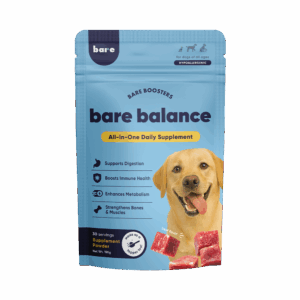
The best way to protect your dog from Parvo is through vaccination. Puppies should receive their first Parvo vaccine at 6-8 weeks of age, followed by booster shots. Keep your dog’s environment clean, boost their immune system with a multivitamin like Bare Balance, and avoid exposing them to potentially infected dogs.

2. Canine Distemper

Symptoms of Canine Diseases: Distemper

Distemper is another highly contagious viral disease that affects your dog’s respiratory, gastrointestinal, and nervous systems. Signs include:

  • Fever
  • Nasal discharge
  • Seizures in advanced stages

Prevention

Vaccination is crucial in preventing distemper. Regular booster shots will keep your dog safe from this deadly disease.

3. Heartworm Disease

Tropical Dog Health Issues: Heartworms

Heartworm disease is a parasitic infection spread by mosquitoes, making it a significant concern in tropical countries like the Philippines. Symptoms may not appear until the disease is advanced, but they include:

  • Persistent cough
  • Fatigue after mild activity
  • Difficulty breathing

Prevention

Monthly heartworm preventatives are essential, especially in areas with high mosquito populations. Ask your vet about the best options for your dog.

Daily support for your dog’s immune system can also help reduce vulnerability. Good Gut probiotics promote healthy digestion and strengthen your dog’s ability to fight off infections.

4. Ehrlichiosis and Anaplasmosis

Symptoms of Canine Diseases: Tick-Borne Illnesses

Tick-borne diseases like Ehrlichiosis and Anaplasmosis are common in the Philippines due to the prevalence of ticks in the tropical climate. Symptoms include:

  • Fever
  • Joint pain
  • Loss of appetite

Prevention

Keep your dog tick-free by using tick preventatives, such as collars or spot-on treatments. Regular grooming and checking your dog’s coat after outdoor activities can help. Tools like The Bare Brush make removing loose fur (and spotting ticks early) easy and mess-free.

5. Rabies

Symptoms of Canine Diseases: Rabies

Rabies is a fatal viral disease that affects the brain and spinal cord of dogs and humans. Early signs include:

  • Behavioral changes (e.g., aggression or shyness)
  • Excessive drooling
  • Paralysis in advanced stages

Prevention

Rabies vaccination is required by law in the Philippines. Ensure your dog is vaccinated annually to protect them and your community.

6. Leptospirosis

Tropical Dog Health Issues: Leptospirosis

Leptospirosis is a bacterial infection that thrives in wet and muddy environments, especially during the rainy season. Dogs can contract it by coming into contact with contaminated water or soil. Symptoms include:

  • Fever
  • Vomiting
  • Jaundice (yellowing of the skin and eyes)

Prevention

Vaccinate your dog against Leptospirosis and avoid letting them play in stagnant water or muddy areas.

The risk is especially high during the rainy season, so it’s wise to keep your dog’s immunity strong with the help of Bare Balance.

7. Skin Allergies and Infections

Tropical Dog Health Issues: Skin Problems

The hot and humid climate in the Philippines can lead to skin allergies and infections caused by fleas, mites, or fungi. Symptoms include:

  • Itching and scratching
  • Red, inflamed skin
  • Hair loss

Prevention

Use flea and tick preventatives, maintain proper grooming, and feed your dog a balanced diet to support healthy skin. Consider high-quality kibble or wet food like Candidly Fresh Chicken Kibble or Seriously Beefy Wet Food to support your dog’s skin health from the inside out.

Vaccination Guide for Dogs

Vaccination is your dog’s first line of defense against many preventable dog diseases. Below is a basic vaccination schedule:

  • 6-8 weeks: Parvo, Distemper, Leptospirosis
  • 12-16 weeks: Rabies
  • Annually: Booster shots for all core vaccines

Consult your veterinarian to customize a vaccination schedule based on your dog’s specific needs.

If you’re unsure what schedule to follow, our Product Quiz can help guide you to food and supplements tailored to your dog’s age and lifestyle.

How to Keep Your Dog Healthy in the Tropics

In addition to vaccinations, here are some tips to keep your dog healthy in the Philippines’ tropical climate:

  • Hydration: Ensure your dog has access to clean drinking water at all times.
  • Diet: Feed your dog high-quality food to boost their immune system. Explore Bare’s full selection of nutritious, vet-reviewed kibble, wet food, and supplements.
  • Grooming: Regular baths and grooming sessions are essential to prevent skin infections and parasites.
  • Vet Visits: Schedule regular check-ups with your veterinarian to catch any health issues early.

Final Thoughts: Protecting Your Dog’s Health in the Philippines

Keeping your dog healthy in the Philippines requires vigilance, especially with the unique challenges posed by the tropical climate. By understanding the most common dog illnesses, recognizing the symptoms of canine diseases, and following a vaccination guide for dogs, you can ensure your furry friend stays safe and happy.

Remember, prevention is always better than cure. Stay proactive about your dog’s health and consider investing in high-quality food and products from Barepets to support their well-being.


If you’re looking for premium pet supplies to keep your dog healthy, visit Barepets’ shop today!

Real dogs deserve real ingredients.

Tags

How to Stop My Dog from Digging: Tips and Solutions

If your dog has turned your backyard into a construction site, you’re not alone. Digging is a common behavior in dogs, but it can be frustrating for pet parents who want to keep their yard intact. The good news? With the right strategies, you can curb your dog’s digging habit and reclaim your outdoor space.

In this guide, we’ll explore why dogs dig, share practical tips on how to stop dogs from digging holes and provide backyard solutions for dogs to redirect their energy. We’ll also highlight the best deterrents for dog digging and effective training techniques to prevent digging altogether.

Why Do Dogs Dig?

To effectively address your dog’s digging behavior, it’s important to understand why they’re doing it. Dogs dig for a variety of reasons, including:

1. Instinctual Behavior

Digging is an instinct for many dogs, especially breeds like terriers and dachshunds that were bred to hunt burrowing animals.

2. Boredom or Excess Energy

If your dog isn’t getting enough mental or physical stimulation, they may dig as a way to entertain themselves or burn off excess energy.

3. Seeking Comfort

Dogs may dig to create a cool spot to lie down in hot weather or a cozy den-like hole in colder temperatures.

4. Hunting for Prey

If your yard has moles, squirrels, or other small animals, your dog may dig in an attempt to catch them.

5. Anxiety or Stress

Stressful situations, such as separation anxiety or loud noises, can lead to compulsive digging as a coping mechanism.

6. Burying Treasures

Some dogs dig to bury toys, bones, or food as a way of safeguarding their “treasures.”

How to Stop Dogs from Digging Holes

Once you’ve identified the reason behind your dog’s digging, you can use targeted strategies to address the behavior. Here are some effective methods:

1. Provide Plenty of Exercise

A tired dog is far less likely to dig out of boredom. Regular walks, playtime, and interactive games can help burn off excess energy and reduce the urge to dig.

  • Pro Tip: Use high-quality treats or kibble from the BarePets Shop as rewards during playtime and training sessions.

2. Create a Designated Digging Zone

If your dog loves digging, consider giving them a designated area where they’re allowed to dig freely. Fill a sandbox or a specific section of your yard with loose soil and bury toys or treats to encourage them to dig there instead.

3. Supervise Outdoor Time

Keep an eye on your dog when they’re outside. If they start digging in an unwanted area, redirect their attention to a toy or bring them to their designated digging zone.

4. Address Underlying Issues

If anxiety or stress is causing your dog to dig, address the root cause. For example:

  • Provide a safe, quiet space for them during stressful events like thunderstorms.
  • Spend more time with your dog to ease separation anxiety.

5. Block Access to Tempting Areas

If your dog is digging in specific spots, such as near a fence or garden bed, use barriers like chicken wire, landscaping rocks, or garden fencing to block access.

Best Deterrents for Dog Digging

Using deterrents can help discourage your dog from digging in unwanted areas. Here are some options:

1. Citrus or Vinegar Spray

Dogs dislike the smell of citrus and vinegar. Spray these natural deterrents in areas where your dog tends to dig.

2. Motion-Activated Sprinklers

A motion-activated sprinkler can startle your dog and deter them from digging in specific areas.

3. Dog-Safe Repellents

There are several dog-safe repellents available that can be applied to your yard to discourage digging.

4. Provide Chew Toys or Puzzle Feeders

Sometimes, dogs dig because they’re bored. Offering chew toys or puzzle feeders can redirect their attention and satisfy their need for stimulation.

Training Techniques to Prevent Digging

Training your dog is one of the most effective ways to stop digging. Here are some techniques to try:

1. Teach the “Leave It” Command

Train your dog to respond to the “leave it” command so you can redirect their attention when they start digging. Reward them with treats or praise when they obey.

2. Use Positive Reinforcement

Reward your dog for good behavior, such as playing with toys instead of digging or relaxing in their designated spot.

3. Interrupt and Redirect

When you catch your dog digging, interrupt the behavior with a firm “no” or a clap, and then redirect them to a more appropriate activity.

4. Be Consistent

Consistency is key when training your dog. Make sure all family members are on the same page and enforce the same rules to avoid confusion.

Backyard Solutions for Dogs

Transforming your backyard into a dog-friendly space can help prevent digging and keep your pup entertained. Here are some ideas:

1. Install a Digging Pit

As mentioned earlier, a sandbox or digging pit can give your dog a designated area to satisfy their digging instincts.

2. Create Shady Resting Spots

Provide shaded areas with comfortable bedding where your dog can relax instead of digging to create their cool spot.

3. Add Interactive Features

Incorporate features like agility equipment, tunnels, or water fountains to keep your dog engaged and entertained.

4. Secure Your Yard

If your dog digs near fences, reinforce the base with buried chicken wire or concrete pavers to prevent escape attempts.

Final Thoughts: Reclaim Your Yard and Redirect Your Dog’s Digging Habit

Digging is a natural behavior for dogs, but it doesn’t have to ruin your yard. By understanding why dogs dig and using targeted strategies like training techniques, deterrents, and backyard solutions, you can effectively manage the behavior.

Remember to provide plenty of exercise, mental stimulation, and a balanced diet to keep your dog happy and healthy. For premium food options that support your dog’s overall well-being, visit the BarePets Shop.


Whether you’re addressing digging, training your dog, or looking for ways to improve their quality of life, Bare is here to help you every step of the way!

Real dogs deserve real ingredients.

Tags

How to Make Your Dog More Social: Tips for Building Confidence

Socializing your dog is one of the most important aspects of raising a happy, well-adjusted pet. Whether your dog is naturally shy or just hasn’t had many opportunities to interact with others, it’s never too late to help them become more social. With the right strategies, patience, and consistency, you can guide your dog toward being more comfortable in new situations, around other pets, and with unfamiliar people.

In this guide, we’ll share actionable dog socialization tips, explore how to introduce shy dogs to new people and discuss the best ways to improve dog confidence. We’ll also cover dog park etiquette to ensure smooth interactions in social settings.

Why Is Socialization Important for Dogs?

Socialization helps your dog feel safe and confident in a variety of environments. It reduces fear-based behaviors, improves their ability to handle new experiences, and strengthens the bond between you and your furry friend.

Without proper socialization, dogs may become anxious, aggressive, or overly timid in unfamiliar situations. But don’t worry—even adult dogs can learn to be more social with the right training and exposure.

Dog Socialization Tips

Here are some effective strategies to help your dog become more social:

1. Start Slowly and Gradually

If your dog is shy or nervous, don’t rush the process. Begin by exposing them to new experiences in a controlled and calm environment. For example:

  • Take short walks in quiet neighborhoods before venturing to busier areas.
  • Introduce one new person or dog at a time rather than overwhelming them with a crowd.

2. Use Positive Reinforcement

Reward your dog with treats, praise, or toys whenever they show calm and friendly behavior in social settings. This reinforces the idea that meeting new people or dogs is a positive experience.

  • Pro Tip: Stock up on high-quality treats or kibble from the BarePets Shop to make training sessions even more rewarding.

3. Expose Them to a Variety of Experiences

Socialization isn’t just about meeting other dogs—it’s about helping your dog feel comfortable in all kinds of situations.

  • Take them to different environments, such as parks, pet-friendly stores, or outdoor cafes.
  • Introduce them to people of varying ages, appearances, and behaviors (e.g., children, people wearing hats, or those using wheelchairs).

4. Leverage Playtime with Other Dogs

Playtime with other dogs can be an excellent way to improve your dog’s social skills. Arrange one-on-one playdates with a calm, well-socialized dog before progressing to group settings like dog parks.

Introducing Shy Dogs to New People

If your dog is naturally shy, introducing them to new people can be a delicate process. Here’s how to do it effectively:

1. Let Your Dog Set the Pace

Never force your dog to interact with someone if they’re not ready. Allow them to approach new people at their speed.

2. Ask Visitors to Ignore Your Dog at First

When introducing shy dogs to new people, ask visitors to avoid direct eye contact, sudden movements, or reaching out to pet your dog right away. Instead, let your dog sniff and observe from a distance.

3. Offer Treats Through Others

Have the new person offer your dog a treat to create a positive association. This simple gesture can help your dog feel more comfortable and build trust.

Training a Dog to Be Friendly

If your dog shows signs of fear or aggression, training is essential to help them become more friendly. Here are some tips:

1. Practice Basic Commands

Teach your dog basic commands like “sit,” “stay,” and “leave it.” These commands can help you manage their behavior in social situations.

2. Desensitize Them to Triggers

If your dog reacts negatively to specific triggers (e.g., other dogs, loud noises), gradually expose them to those triggers in a controlled way. For example, start at a distance and slowly decrease the space over time while rewarding calm behavior.

3. Work with a Professional Trainer

If your dog struggles with severe fear or aggression, consider working with a professional trainer or behaviorist. They can provide tailored guidance to address your dog’s specific needs.

Dog Park Etiquette

Dog parks can be a fantastic place for socialization, but following proper etiquette is crucial to ensure a positive experience for everyone.

1. Assess Your Dog’s Readiness

Before heading to the dog park, make sure your dog is comfortable around other dogs and responds well to basic commands.

2. Monitor Your Dog’s Behavior

Keep a close eye on your dog’s interactions to ensure they’re playing appropriately. If your dog becomes overly rough or shows signs of fear, it’s time to take a break.

3. Respect Other Dogs and Owners

Always clean up after your dog, and be mindful of other dogs’ boundaries. Not all dogs enjoy rough play, so it’s important to respect their space.

Best Ways to Improve Dog Confidence

Building your dog’s confidence is key to helping them become more social. Here are some strategies:

1. Encourage Exploration

Allow your dog to explore new environments at their own pace. This helps them build confidence and reduces fear of the unknown.

2. Teach New Skills

Training your dog to learn new tricks or commands can boost their confidence. The sense of accomplishment they feel after mastering a skill will carry over into other areas of their life.

3. Provide Mental Stimulation

Interactive toys, puzzle feeders, and training games can keep your dog mentally engaged and improve their overall confidence.

4. Maintain a Healthy Diet

A well-balanced diet supports your dog’s physical and mental well-being. Check out premium kibble and wet food options at the BarePets Shop to keep your dog feeling their best.

Final Thoughts: Helping Your Dog Become More Social and Confident

Helping your dog become more social is a journey that requires patience, consistency, and positive reinforcement. By following these dog socialization tips, introducing shy dogs to new people gradually, and practicing good dog park etiquette, you can help your furry friend thrive in social settings.


Remember, every dog is unique, and progress may take time. Celebrate small victories and continue to support your dog as they grow more confident. For more tips and resources, visit Bare. Whether you’re training a dog to be friendly or looking for ways to improve their overall well-being, Bare is here to help you every step of the way!

Real dogs deserve real ingredients.

Tags

Why Does My Dog Eat Grass? Causes and Solutions Explained

If you’ve ever caught your dog munching on grass during a walk or in your backyard, you’re not alone. Many pet parents wonder, “Why does my dog eat grass?” While this behavior is common, it can leave you scratching your head—especially if your dog vomits shortly after.

In this guide, we’ll explore why dogs eat grass and vomit, whether eating grass is bad for dogs, and how to stop dogs from eating grass. We’ll also share natural alternatives to grass for dogs, so you can keep your furry friend healthy and happy.

Is Eating Grass Bad for Dogs?

The good news is that eating grass is generally not harmful for most dogs. However, it’s important to pay attention to how often your dog eats grass and whether it’s causing any issues.

When Eating Grass Is Harmless

  • Occasional Grazing: If your dog eats grass occasionally and doesn’t show any signs of illness, it’s usually nothing to worry about.
  • Non-Toxic Grass: As long as the grass isn’t treated with pesticides, herbicides, or fertilizers, it’s safe for your dog to nibble on.

When Eating Grass Is a Concern

  • Frequent Vomiting: If your dog eats grass and vomits regularly, it could indicate an underlying issue.
  • Excessive Consumption: Eating large amounts of grass may lead to digestive problems or blockages.
  • Toxic Exposure: Grass treated with chemicals can be harmful and should be avoided.

If you’re unsure whether your dog’s grass-eating habits are normal, consult your veterinarian for guidance.

Why Dogs Eat Grass and Vomit

There’s no single answer to why dogs eat grass, but here are some common theories:

1. To Soothe an Upset Stomach

One popular belief is that dogs eat grass to induce vomiting and relieve nausea. However, studies show that fewer than 25% of dogs vomit after eating grass, so this may not be the primary reason.

2. Nutritional Deficiencies

Some dogs may eat grass as a way to supplement their diet. Grass contains fiber, which can aid digestion. If your dog’s diet lacks essential nutrients, they might turn to grass as a natural remedy.

  • Solution: Ensure your dog’s diet is well-balanced with high-quality kibble or wet food. Explore options at the BarePets Shop to meet your dog’s nutritional needs.

3. Boredom or Anxiety

Dogs may eat grass out of boredom or as a coping mechanism for stress. This is especially common in dogs that don’t get enough mental or physical stimulation.

  • Solution: Provide interactive toys, regular exercise, and plenty of playtime to keep your dog engaged.

4. Instinctual Behavior

Eating grass may be an instinct inherited from wild ancestors. Wolves and other canines have been observed eating plants to aid digestion or eliminate intestinal parasites.

5. They Simply Like It

Sometimes, dogs eat grass because they enjoy the taste or texture. This behavior is more common in younger dogs or puppies exploring their environment.

Do Dogs Eat Grass When Sick?

While some dogs eat grass when they feel unwell, it’s not always the case. If your dog is eating grass and showing other signs of illness, such as lethargy, diarrhea, or loss of appetite, it’s essential to consult your vet.

How to Stop Dogs from Eating Grass

If your dog’s grass-eating habit is becoming a concern, here are some strategies to help curb the behavior:

1. Provide a Balanced Diet

Ensure your dog is getting all the nutrients they need from their food. A high-quality diet can reduce the likelihood of grass-eating due to nutritional deficiencies. Check out the BarePets Shop for premium food options tailored to your dog’s needs.

2. Increase Fiber Intake

If your dog is eating grass for its fiber content, consider adding fiber-rich foods to their diet. Pumpkin, green beans, or dog-safe supplements can be great options.

3. Offer Safe Alternatives

Provide natural alternatives to grass for dogs, such as dog-friendly plants or chew toys. This gives them something safe to nibble on instead of grass.

4. Address Boredom or Anxiety

Keep your dog mentally and physically stimulated with regular walks, playtime, and puzzle toys. A well-exercised dog is less likely to engage in undesirable behaviors like eating grass.

5. Supervise Outdoor Time

When your dog is outside, keep an eye on them and redirect their attention if they start eating grass. Use commands like “leave it” or “come” to encourage better behavior.

Natural Alternatives to Grass for Dogs

If your dog enjoys chewing on grass, consider offering these safe and natural alternatives:

  • Dog-Safe Greens: Offer small amounts of spinach, kale, or lettuce as a healthy snack.
  • Edible Chews: Look for edible chews or bones designed for dogs.
  • Herb Gardens: Plant dog-safe herbs like parsley or basil for your pup to explore and nibble on.

These alternatives can satisfy your dog’s curiosity and chewing instincts without the risks associated with grass.

Final Thoughts: Understanding and Managing Your Dog’s Grass-Eating Habits

So, why does your dog eat grass? The reasons can range from instinctual behavior to boredom or even nutritional deficiencies. While eating grass is usually harmless, it’s important to monitor your dog’s behavior and address any potential issues.

If you’re concerned about your dog’s grass-eating habits, start by providing a balanced diet, increasing mental stimulation, and offering safe alternatives. For high-quality food options that support your dog’s health, visit the BarePets Shop.


With the right approach, you can keep your pup happy, healthy, and away from the lawn!

Real dogs deserve real ingredients.

Tags

Why Does My Dog Lick Me So Much? Dog Licking Behavior Explained

If your dog constantly showers you with licks, you’ve probably wondered, “Why does my dog lick me so much?” While this behavior is often a sign of affection, there are other reasons behind it. Some pet parents enjoy these slobbery displays of love, while others find excessive licking puzzling—or even a little annoying.

In this guide, we’ll explore the reasons why dogs lick their owners, whether excessive licking is normal for dogs, and how to stop a dog from licking too much. Understanding your dog’s licking behavior can help you strengthen your bond and address the behavior if it becomes problematic.

Reasons Why Dogs Lick Their Owners

Dogs use licking as a form of communication, and the reasons behind it can vary. Here are some of the most common explanations for why your dog licks you:

1. Affection and Bonding

Licking is often a sign of love and affection. In the wild, dogs lick pack members to show submission and strengthen social bonds. When your dog licks you, they may simply be expressing their love and trust.

2. Taste and Smell

Your skin has natural salts, oils, and even food residue that your dog finds appealing. If you’ve just finished eating or applied lotion, your dog may lick you to explore these interesting scents and tastes.

3. Seeking Attention

Dogs quickly learn that licking gets a reaction from their owners. Whether you laugh, pet them, or gently push them away, your dog might see licking as an effective way to get your attention.

4. Stress or Anxiety

Excessive licking can sometimes be a self-soothing behavior for stressed or anxious dogs. If your dog licks you excessively during stressful situations, such as thunderstorms or fireworks, it may be their way of coping.

5. Exploration and Curiosity

Dogs use their tongues to explore the world, much like humans use their hands. Licking may simply be your dog’s way of investigating you and their environment.

6. Health-Related Issues

In some cases, excessive licking can indicate an underlying health issue, such as allergies, pain, or gastrointestinal discomfort. If your dog’s licking behavior seems unusual or compulsive, consult your veterinarian.

Is Excessive Licking Normal for Dogs?

Occasional licking is completely normal and typically harmless. However, excessive licking can sometimes signal an issue that needs to be addressed.

When Is Licking Considered Excessive?

Licking becomes excessive when it:

  • Interferes with your dog’s daily activities.
  • Irritates your skin or their tongue.
  • Is accompanied by other unusual behaviors, such as restlessness or whining.

If you notice these signs, it’s important to determine whether the behavior is caused by anxiety, boredom, or a medical issue.

How to Stop a Dog from Licking Too Much

If your dog’s licking has become excessive or bothersome, there are several strategies you can use to manage the behavior:

1. Redirect Their Attention

When your dog starts licking, offer them a toy or engage them in a game to redirect their focus. Puzzle toys or chew toys can keep them mentally stimulated and reduce licking.

2. Provide Plenty of Exercise

A tired dog is a happy dog! Regular exercise can help reduce boredom and anxiety, which are common triggers for excessive licking. Take your dog on daily walks or play interactive games like fetch.

3. Set Boundaries

Gently discourage licking by moving away or saying “no” in a calm, firm voice. Avoid giving your dog attention when they lick excessively, as this can reinforce the behavior.

4. Use Positive Reinforcement

Reward your dog with treats or praise when they stop licking on command. Consistent training can help them understand what behaviors are acceptable.

5. Check Their Diet

Sometimes, excessive licking can be linked to nutritional deficiencies. Ensure your dog is eating a balanced diet with high-quality kibble or wet food. Explore healthy options at the BarePets Shop to support your dog’s overall well-being.

6. Address Anxiety

If your dog’s licking is anxiety-related, consider calming strategies such as:

  • Providing a safe, quiet space for them to relax.
  • Using calming sprays or pheromone diffusers.
  • Consult a professional trainer or behaviorist for additional support.

Dog Licking Behavior Explained

To better understand your dog’s licking behavior, it’s important to observe when and why it happens. Here are some common scenarios:

  • After You’ve Been Away: Dogs may lick you excessively when you return home as a way of saying, “I missed you!”
  • During Grooming: Licking is a natural grooming behavior. Your dog may lick you as part of their instinct to care for pack members.
  • When You’re Relaxing: Dogs often lick their owners during quiet moments as a way of bonding and showing affection.

By paying attention to these patterns, you can gain valuable insights into your dog’s emotional state and needs.

When to Seek Help

If your dog’s licking behavior becomes compulsive or is accompanied by other concerning symptoms, it’s time to consult a veterinarian. Potential medical causes for excessive licking include:

  • Allergies or skin irritations.
  • Gastrointestinal issues.
  • Pain or discomfort.

Your vet can help rule out these issues and provide guidance on how to address the behavior.

Final Thoughts: Understanding and Managing Your Dog’s Licking Behavior

Licking is a natural behavior for dogs, but understanding the reasons why dogs lick their owners can help you address excessive licking if it becomes a problem. Whether your dog is showing affection, seeking attention, or coping with anxiety, there are steps you can take to manage the behavior.

By providing mental stimulation, regular exercise, and a balanced diet from the BarePets Shop, you can help your dog feel happy and fulfilled.

For more pet care tips and resources, visit Bare. Whether you’re a first-time dog owner or a seasoned pet parent, Bare is here to support you every step of the way!

Real dogs deserve real ingredients.

Tags

Best Apartment Dog Breeds That Thrive in Small Spaces

Living in an apartment doesn’t mean you can’t enjoy the companionship of a dog. While some breeds thrive in large homes with sprawling yards, others are perfectly suited for cozy, indoor living. Whether you’re looking for a low-maintenance dog breed, a hypoallergenic dog for small spaces, or the best indoor dog for your lifestyle, there’s a perfect pup out there for you.

In this guide, we’ll explore the most apartment-friendly dog breeds, including the best small dogs for condos and tips for keeping your furry friend happy in a smaller living space.

What Makes a Dog Apartment-Friendly?

Not every dog breed is suitable for apartment living. When choosing a dog for your apartment, consider the following factors:

  • Size: Smaller breeds are often better suited for apartments, but size isn’t the only factor.
  • Energy Level: Low to moderate-energy dogs are ideal, as they don’t require constant exercise or large outdoor spaces.
  • Noise Level: Quiet breeds are preferable, especially if you have neighbors nearby.
  • Temperament: Dogs with calm, adaptable personalities tend to adjust well to apartment life.

Top Apartment-Friendly Dog Breeds

Here’s a list of the best apartment-friendly dog breeds that thrive in small spaces:

1. French Bulldog

French Bulldogs, or “Frenchies,” are compact, low-energy dogs that are perfect for apartment living. They’re affectionate, quiet, and don’t require much exercise beyond short daily walks.

  • Why They’re Great: Their small size and laid-back temperament make them ideal for small spaces.
  • Care Tip: Keep them cool in warmer climates, as they’re prone to overheating.

2. Cavalier King Charles Spaniel

These gentle, affectionate dogs are among the best indoor dogs for families and singles alike. They’re small, adaptable, and love snuggling on the couch.

  • Why They’re Great: They’re friendly, quiet, and easygoing, making them perfect for apartment life.
  • Care Tip: Regular grooming is needed to keep their silky coat in good condition.

3. Shih Tzu

Shih Tzu is one of the best small dogs for condos thanks to their calm demeanor and minimal exercise needs. They’re also great companions for seniors or people with a relaxed lifestyle.

  • Why They’re Great: They’re small, hypoallergenic, and thrive indoors.
  • Care Tip: Their coat requires regular brushing or professional grooming.

4. Pug

Pugs are charming, playful, and known for their amusing personalities. They’re small in size and don’t need a lot of outdoor time, making them a fantastic choice for apartment dwellers.

  • Why They’re Great: They’re low-maintenance and love lounging indoors.
  • Care Tip: Watch their diet to prevent obesity, and ensure they get light exercise.

5. Greyhound

Surprisingly, Greyhounds are one of the most apartment-friendly dog breeds. While they’re known for their speed, they’re couch potatoes who love lounging indoors.

  • Why They’re Great: They’re quiet, low-energy indoors, and require just a few short walks daily.
  • Care Tip: Provide a soft bed, as their lean bodies are prone to pressure sores.

6. Maltese

Maltese dogs are small, hypoallergenic dogs for small spaces. They’re affectionate, playful, and adapt well to apartment living.

  • Why They’re Great: Their size and minimal shedding make them perfect for small spaces.
  • Care Tip: Regular grooming is needed to maintain their beautiful white coat.

7. Boston Terrier

Known as the “American Gentleman,” Boston Terriers are compact, friendly, and easy to train. They’re great for first-time dog owners and fit well in apartments.

  • Why They’re Great: They’re small, quiet, and require minimal grooming.
  • Care Tip: Short walks and indoor playtime are usually enough to meet their exercise needs.

Low-Maintenance Dog Breeds for Apartments

If you’re looking for a dog that doesn’t require a lot of grooming or exercise, consider these low-maintenance dog breeds:

  • Chihuahua: Small, easy to groom, and content with indoor playtime.
  • Dachshund: Compact and affectionate with low exercise needs.
  • Italian Greyhound: A smaller version of the Greyhound, they’re quiet and love lounging indoors.

These breeds are perfect for busy pet parents or those who prefer a more relaxed lifestyle.

Low-maintenance doesn’t have to mean low-nutrition. Consider pairing your pup’s simple routine with Bare Balance, a multivitamin that supports joints, digestion, and immunity with one daily chew.

Tips for Keeping Your Dog Happy in an Apartment

Living in a smaller space doesn’t mean your dog has to miss out on fun and enrichment. Here are some tips to keep your pup happy:

1. Daily Exercise

Even low-energy dogs need regular exercise. Take your dog for daily walks or short play sessions to keep them physically and mentally stimulated.

2. Interactive Toys

Keep your dog entertained with puzzle toys, treat dispensers, or chew toys. These can help prevent boredom, especially when you’re not home.

3. High-Quality Nutrition

A healthy diet is essential for your dog’s well-being. Explore premium options like Candidly Fresh Chicken Adult Dog Kibble or Cluckin’ Good Adult Wet Food at our shop to keep your pet healthy and happy.

4. Designate a Quiet Space

Create a cozy area where your dog can relax and feel safe. This could be a crate, bed, or a corner of the room with their favorite blanket.

Hypoallergenic Dogs for Small Spaces

If you or someone in your household has allergies, consider one of these hypoallergenic dogs for small spaces:

  • Bichon Frise: Small, cheerful, and low-shedding.
  • Miniature Schnauzer: Energetic yet hypoallergenic, with minimal shedding.
  • Poodle (Toy or Miniature): Highly intelligent, low-shedding, and available in various sizes.

These breeds are great for allergy sufferers and adapt well to apartment living.

Final Thoughts: Finding the Perfect Apartment Dog

Choosing the best dog for apartment living doesn’t have to be overwhelming. From apartment-friendly dog breeds like French Bulldogs and Shih Tzus to low-maintenance options like Greyhounds, there’s a perfect match for every lifestyle.

Remember, even the best indoor dogs need love, attention, and proper care. By providing regular exercise, mental stimulation, and a high-quality diet from the BarePets Shop, you can ensure your furry friend thrives in your apartment.


For more pet care tips and resources, visit Bare today!

Real dogs deserve real ingredients.

Tags
grab a Barepets bare
Close
doggy bowl
Your cart is emptyReturn to Shop
Apply Coupon
Available Coupons
bareparent20 Get 20% off New customers can avail 20% off their first order.