Quantcast
Logo of Bare Pets

Understanding Cane Toads: A Threat to Dogs in the Philippines

The Philippines is home to diverse wildlife, but not all creatures are welcome in our backyards, especially when they pose a danger to our beloved pets. One such threat is the cane toad, an invasive species notorious for its toxic secretions that can harm dogs.

At Bare Pets, we’re committed to helping pet parents keep their dogs safe and healthy. In this article, we’ll explore why cane toads are a threat, how to recognize the symptoms of cane toad poisoning, and how you can protect your dog. We’ll also highlight how proper nutrition and supplements can play a role in your dog’s overall resilience.

What Are Cane Toads?

Cane toads (scientific name: Rhinella marina) are large, warty amphibians native to Central and South America. They were introduced to the Philippines as a means of pest control but have since become an invasive species. Unfortunately, their presence poses significant risks to local ecosystems and domestic animals, especially dogs.

The danger lies in the toxin they secrete from glands located behind their eyes. This toxin is a potent defense mechanism that can cause severe reactions in animals that come into contact with it, including dogs.

Why Are Cane Toads Dangerous to Dogs?

Dogs are naturally curious creatures. When they encounter a cane toad, they may sniff, lick, or even bite it, unknowingly exposing themselves to its toxic secretions. The toxins can cause a range of symptoms, from mild irritation to life-threatening complications, depending on the amount of toxin ingested and the size of the dog.

Symptoms of Cane Toad Poisoning in Dogs

If your dog comes into contact with a cane toad, you may notice the following symptoms:

  • Excessive drooling or frothing at the mouth
  • Pawing at the mouth or face
  • Vomiting
  • Diarrhea
  • Difficulty breathing
  • Seizures
  • Disorientation or loss of coordination

If you suspect cane toad poisoning, it’s crucial to act quickly. Rinse your dog’s mouth with water (ensuring they don’t swallow the water) and contact your veterinarian immediately.

How to Protect Your Dog from Cane Toads

Prevention is key when it comes to protecting your dog from cane toads. Here are some steps you can take:

1. Supervise Outdoor Time

Keep a close eye on your dog when they’re outside, especially during the evening and early morning when cane toads are most active.

2. Eliminate Attractants

Cane toads are drawn to water sources, so remove or cover outdoor water bowls and fix any leaks. Keep your yard tidy and free of debris where toads might hide.

3. Train Your Dog

Teach your dog the “leave it” command to discourage them from investigating unfamiliar objects or creatures.

4. Boost Your Dog’s Health with Supplements

A strong immune system can help your dog recover more effectively if they ever come into contact with toxins. At Bare Pets, we offer a range of supplements designed to support your dog’s overall health:

Recommended Supplements for Resilience

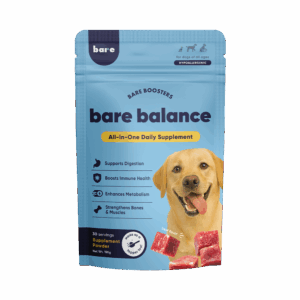
  • Bare Essentials All-in-One Dog Supplement: This comprehensive supplement provides essential vitamins and minerals to support your dog’s immune system and overall well-being.
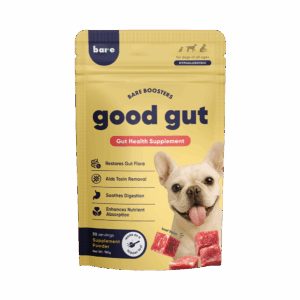
  • Good Gut Dog Supplement: A healthy gut is crucial for nutrient absorption and toxin elimination. This supplement promotes digestive health and helps your dog build resilience.
  • Rise and Shine Skin Health Dog Supplement: Healthy skin acts as a barrier against environmental threats. This supplement supports skin and coat health, keeping your dog’s defenses strong.

The Role of Nutrition in Prevention

Proper nutrition is another critical component of your dog’s health. A balanced diet can help strengthen your dog’s immune system, making them less vulnerable to toxins and other health issues.

Kibble Options for Optimal Health

At Bare Pets, we offer high-quality kibble that’s packed with essential nutrients and probiotics for digestive health:

Wet Food for Hydration and Variety

Wet food can be a great addition to your dog’s diet, especially if they need extra hydration:

What to Do in Case of Cane Toad Poisoning

If you suspect your dog has come into contact with a cane toad, follow these steps:

Rinse Their Mouth

  • Use a hose or a bottle of water to rinse your dog’s mouth thoroughly. Be careful to direct the water out of their mouth to prevent them from swallowing it.

Contact Your Vet

  • Call your veterinarian immediately for guidance. Cane toad poisoning can escalate quickly, so time is of the essence.

Monitor Your Dog

  • Keep a close eye on your dog for any worsening symptoms. If possible, transport them to the vet for further treatment.

Why Choose Bare Pets for Your Dog’s Needs?

At Bare Pets, we’re passionate about helping pet parents provide the best care for their furry friends. Here’s why you can trust us:

  • Premium Ingredients: Our kibble, wet food, and supplements are made with high-quality, natural ingredients to support your dog’s health.
  • Tailored Options: We offer products for dogs of all ages, sizes, and health needs.
  • Expert Support: Have questions about your dog’s health? Contact us for personalized advice.

Cane toads are a serious threat to dogs in the Philippines, but with the right precautions, you can protect your furry friend. You can reduce the risk of cane toad poisoning by supervising outdoor time, eliminating attractants, and boosting your dog’s health with proper nutrition and supplements.

At Bare Pets, we’re here to support you every step of the way. Explore our range of kibble, wet food, and supplements to keep your dog healthy and resilient.

If you have any questions or need additional guidance, don’t hesitate to contact us. Your dog’s health and safety are our top priorities.


Real dogs deserve real ingredients.

Tags

Preparing for Dog Pregnancy: A Complete Checklist

Welcoming a litter of puppies into the world is an exciting journey, but it’s also one that requires careful preparation and attention to detail. If your dog is pregnant or you’re planning for her to become pregnant, you’ll need to ensure she’s as healthy as possible throughout her pregnancy and beyond.

At Bare Pets, we understand the importance of proper care for expectant dogs, which is why we’ve created this comprehensive guide to help you navigate the process. From nutrition to supplements, this checklist will ensure you’re fully prepared for your dog’s pregnancy.

Understanding Dog Pregnancy

Before diving into the checklist, it’s important to understand the basics of dog pregnancy. A typical dog pregnancy lasts approximately 63 days, or about nine weeks. During this time, your dog’s body will undergo significant changes to support the development of her puppies.

Proper care during pregnancy can make a huge difference in your dog’s health and the health of her puppies. This includes providing a balanced diet, incorporating supplements, and preparing a safe, comfortable space for her to give birth.

Preparing for Dog Pregnancy: A Complete Checklist

Use this checklist to ensure you’re fully prepared for your dog’s pregnancy:

1. Schedule a Vet Visit

Your first step should be scheduling a visit with your veterinarian. They can confirm your dog’s pregnancy, check her overall health, and provide guidance on what to expect during the coming weeks. Regular check-ups throughout the pregnancy are essential to monitor her progress and address any potential issues.

2. Provide Proper Nutrition

Nutrition is the foundation of a healthy pregnancy. Pregnant dogs require a diet that’s rich in protein, vitamins, and minerals to support their growing puppies.

Kibble for Pregnant Dogs

High-quality kibble is an excellent source of balanced nutrition for pregnant dogs. At Bare Pets, we offer a variety of kibble options that are packed with essential nutrients:

Wet Food for Extra Hydration

Wet food can be a great addition to your dog’s diet, especially if she needs extra hydration or prefers softer textures. Consider options like:

3. Incorporate Supplements

Supplements play a crucial role in supporting your dog’s health during pregnancy. They can address specific needs like joint support, digestive health, and skin and coat care.

Essential Supplements for Pregnant Dogs

  • Bare Essentials All-in-One Dog Supplement: This comprehensive supplement provides essential nutrients to support overall health during pregnancy. It’s an excellent choice for ensuring your dog gets the vitamins and minerals she needs.
  • Good Gut Dog Supplement: A healthy gut is essential for optimal nutrient absorption. This supplement promotes digestive health and helps your dog get the most out of her diet.
  • Jumpstart Joint Support Dog Supplement: Pregnancy can put extra strain on your dog’s joints, especially as she gains weight. This supplement supports joint health and mobility.
  • Rise and Shine Skin Health Dog Supplement: Hormonal changes during pregnancy can affect your dog’s skin and coat. This supplement helps maintain a healthy, shiny coat.

Incorporating these supplements into your dog’s routine can make a significant difference in her overall well-being during pregnancy.

4. Create a Comfortable Whelping Area

Your dog will need a safe, quiet, and comfortable space to give birth and care for her puppies. Choose a location that’s free from drafts and away from household traffic. Provide soft bedding and ensure the area is easy to clean.

5. Monitor Your Dog’s Weight

While it’s normal for pregnant dogs to gain weight, excessive weight gain can lead to complications. Follow your vet’s recommendations for portion sizes and monitor your dog’s weight throughout her pregnancy.

6. Prepare for Labor and Delivery

As your dog’s due date approaches, familiarize yourself with the signs of labor and what to expect during delivery. Common signs include restlessness, nesting behavior, and a drop in body temperature.

Keep your veterinarian’s contact information handy in case of an emergency, and have a whelping kit ready with essentials such as gloves, towels, and scissors.

7. Post-Pregnancy Care

After your dog gives birth, she’ll need extra care to recover and nurse her puppies. Continue providing high-quality food and supplements to support her health. Monitor her closely for any signs of complications, such as infection or difficulty nursing.

Why Choose Bare Pets for Your Dog’s Pregnancy Needs?

At Bare Pets, we’re dedicated to helping pet parents provide the best care for their furry friends. Here’s why you can trust us:

  • Premium Ingredients: Our kibble, wet food, and supplements are made with high-quality, natural ingredients to support your dog’s health.
  • Tailored Options: We offer products for dogs of all ages and sizes, including those that are pregnant or nursing.
  • Expert Support: Have questions about your dog’s pregnancy? Contact us for personalized advice.

Preparing for your dog’s pregnancy is an exciting journey, but it also requires careful planning and attention to detail. By following this complete checklist, you can ensure your dog stays healthy and happy throughout her pregnancy and beyond.

Remember, proper nutrition and supplements are key to supporting your dog’s health during this time. Explore our range of kibble, wet food, and supplements to find the perfect options for your expectant dog.

If you have any questions or need additional guidance, don’t hesitate to reach out to us. We’re here to help you every step of the way.

Real dogs deserve real ingredients.

Tags

The Longest Living Pets and How to Keep Yours Healthy

As pet parents, we all wish our furry companions could stay with us forever. While no pet can live indefinitely, some animals are renowned for their exceptionally long lifespans. From cats and dogs to birds and turtles, the longest-living pets often share a common factor: exceptional care.

At Bare Pets, we believe that a combination of proper nutrition, regular exercise, and targeted supplements can significantly extend your pet’s life and improve their quality of living. In this guide, we’ll explore some of the longest-living pets, compare the lifespans of cats and dogs, and provide actionable tips to keep your beloved pet healthy and thriving.

What Is the Animal That Lives the Longest?

When it comes to lifespans, some animals truly defy expectations. Here are a few examples of pets and animals with remarkable longevity:

1. Turtles and Tortoises

Turtles and tortoises are among the longest-living pets, with some species living over 100 years. For example, the Galápagos tortoise is known to live well past a century, making them a lifetime commitment for their owners.

2. Birds

Parrots, particularly species such as macaws and cockatoos, are renowned for their exceptionally long lifespans. Many can live 50 to 80 years with proper care, making them companions for generations to come.

3. Cats

Domestic cats typically live between 12 and 18 years, though some can reach their 20s. The oldest recorded cat, Creme Puff, lived to an astonishing 38 years.

4. Dogs

The lifespan of dogs varies widely by breed, but on average, they live 10 to 15 years. Smaller breeds tend to live longer than larger ones. The oldest recorded dog, Bluey, lived to be 29 years old.

Do Cats Live Longer Than Dogs?

Yes, on average, cats tend to live longer than dogs. This is partly due to their size, as smaller animals generally have slower metabolisms and longer lifespans. Additionally, cats are less prone to specific health issues that commonly affect dogs, such as joint problems in large breeds.

However, a dog’s lifespan can be significantly influenced by their breed, diet, and overall care. With the right approach, you can help your dog live a long, happy life.

How to Keep Your Pets Healthy and Extend Their Lifespan

While genetics plays a role in your pet’s longevity, factors like diet, exercise, and preventive care are just as important. Here’s how you can give your pet the best chance at a long and healthy life:

1. Feed a Balanced Diet

Nutrition is the foundation of your pet’s health. High-quality kibble and wet food provide the essential nutrients your pet needs to thrive and maintain optimal health.

Kibble: A Nutrient-Packed Option

Kibble is a convenient and complete source of nutrition for dogs. At Bare Pets, our kibble is formulated with premium ingredients to support your pet’s health:

Wet Food: Hydration and Flavor

Wet food is an excellent option for pets who need extra hydration or prefer softer textures. Our range includes:

2. Incorporate Supplements

Supplements can address specific health needs and support your pet’s overall well-being. At Bare Pets, we offer a variety of supplements tailored to different concerns:

3. Maintain a Healthy Weight

Obesity is a common issue in pets and can lead to serious health problems like diabetes, joint pain, and heart disease. Maintain your pet’s healthy weight by feeding the correct portion sizes and limiting excessive treats.

4. Regular Exercise

Exercise is crucial for your pet’s physical and mental health. Dogs, in particular, need daily walks and playtime to stay fit and happy.

5. Prioritize Preventive Care

Regular vet check-ups, vaccinations, and dental cleanings are essential for catching potential health issues early. Preventive care can add years to your pet’s life.

6. Grooming and Hygiene

Grooming isn’t just about appearances; it’s also about health. Regular brushing helps reduce shedding and keeps your pet’s coat healthy. Discover the Bare Brush for effortless grooming at home.

Common Health Issues in Long-Lived Pets

As pets age, they may face health challenges that require special attention. Here are some common issues and how to address them:

Why Choose Bare Pets for Your Pet’s Needs?

At Bare Pets, we’re committed to helping pet parents provide the best care for their furry friends. Here’s why you can trust us:

  • Premium Ingredients: Our kibble, wet food, and supplements are made with high-quality, natural ingredients.
  • Tailored Options: We offer products for pets of all ages and sizes.
  • Expert Support: Have questions about your pet’s health? Contact us for personalized advice.

While no pet can live forever, proper care can help your furry friend live a long, happy, and healthy life. Whether you have a dog, cat, or another beloved companion, focusing on nutrition, exercise, and preventive care is key.

Ready to give your pet the best? Explore our range of kibble, wet food, and supplements today, or contact us for expert recommendations.

Real dogs deserve real ingredients.

Tags

Is Peanut Butter Safe for Dogs? Benefits, Risks, and Tips

Peanut butter is a beloved treat for many humans, but as a dog owner, you might wonder, is peanut butter safe for dogs? The good news is that peanut butter can be a safe and tasty treat for dogs when given in moderation and with the right ingredients. However, not all peanut butter is created equal, and some varieties can be harmful to your furry friend.

At Bare Pets, we’re dedicated to helping pet parents make informed decisions about their dogs’ diet. In this guide, we’ll explore whether peanut butter is safe for dogs, what kinds of peanut butter they can eat, and how to incorporate it into a balanced diet featuring high-quality kibble and wet food.

Is Peanut Butter Safe for Dogs?


Yes, peanut butter can be safe for dogs, but it depends on the type of peanut butter and how it’s given. Peanut butter is a great source of protein, healthy fats, and vitamins like B and E. It can serve as a tasty treat or a handy way to hide medication.

However, some peanut butter contains harmful additives, so it’s crucial to read the label before sharing it with your dog.

What Kind of Peanut Butter Can Dogs Eat?


When choosing peanut butter for your dog, keep these key factors in mind:

1. Avoid Xylitol

Xylitol is an artificial sweetener commonly found in sugar-free products, including some peanut butter brands. It’s highly toxic to dogs and can cause a rapid drop in blood sugar, seizures, or even liver failure. Always check the label to ensure the peanut butter is free of xylitol.

2. Choose Natural and Unsalted Peanut Butter


Look for peanut butter made with minimal ingredients, ideally just peanuts. Added salt, sugar, and oils can be harmful to your dog’s health over time.

3. Moderation is Key


Even the safest peanut butter should be given in moderation. Excessive consumption can lead to weight gain or an upset stomach. A small spoonful as an occasional treat is plenty.


How to Incorporate Peanut Butter into Your Dog’s Diet


Peanut butter can be a fun addition to your dog’s routine, but it shouldn’t replace a balanced diet. Here are some creative ways to use peanut butter alongside their regular meals:

1. As a Treat

Use peanut butter as a reward during training sessions or to keep your dog occupied with a toy.

2. With Medication

If your dog is reluctant to take pills, hiding them in a small amount of peanut butter can make the process easier.

3. Paired with Kibble or Wet Food

Add a small dollop of peanut butter to your dog’s kibble or wet food to introduce variety and excitement to their meals. For example, our Candidly Fresh Chicken Adult Dog Kibble pairs wonderfully with a touch of peanut butter for a protein-packed meal.

Why a Balanced Diet Matters

While peanut butter can be a tasty treat, your dog’s primary source of nutrition should come from a balanced diet. High-quality kibble and wet food provide the essential nutrients your dog needs to thrive and maintain optimal health.

Kibble: The Foundation of a Healthy Diet


Kibble is a convenient and nutritious option for dogs of all sizes and life stages. At Bare Pets, our kibble is crafted with premium ingredients to support overall health:

Wet Food: A Hydrating and Flavorful Option


Wet food is an excellent choice for dogs who need extra hydration or prefer softer textures. Our wet food options include:

Benefits of Peanut Butter for Dogs


When given in moderation and with the right ingredients, peanut butter can offer several benefits for dogs:

  • Source of Protein: Peanut butter is a rich source of protein, which supports muscle maintenance and growth.
  • Healthy Fats: The fats in peanut butter provide energy and promote a shiny coat.
  • Mental Stimulation: Spreading peanut butter on a toy or lick mat can keep your dog entertained for hours.

When to Avoid Peanut Butter


While peanut butter is generally safe for dogs, there are situations where it’s best to avoid it:

  • Allergies: Some dogs may be allergic to peanuts. Signs include itching, swelling, or digestive upset.
  • Weight Management: If your dog is overweight, avoid high-calorie treats, such as peanut butter. Instead, focus on a healthy diet with options like our Candidly Fresh Chicken Adult Dog Kibble.
  • Health Issues: Dogs with pancreatitis or other digestive problems should avoid fatty foods, such as peanut butter. Supplements like our Good Gut Dog Supplement can help support digestive health.

Alternatives to Peanut Butter

If peanut butter isn’t suitable for your dog, there are plenty of other treats and supplements to consider. At Bare Pets, we offer a range of products to meet your dog’s nutritional needs:

Pro Tips for Feeding Peanut Butter to Dogs


  • Start Small: Introduce peanut butter in small amounts to ensure your dog tolerates it well.
  • Check the Label: Always read the ingredient list to avoid harmful additives, such as xylitol.
  • Use as a Reward: Pair peanut butter with training or as a special treat to reinforce positive behavior.

Why Choose Bare Pets for Your Dog’s Nutrition?


At Bare Pets, we’re passionate about helping pet parents provide the best care for their furry friends. Here’s why you can trust us:

  • Premium Ingredients: Our kibble and wet food are made with high-quality ingredients to support your dog’s health.
  • Wide Selection: From kibble to supplements, we offer products for every dog’s unique needs.
  • Expert Guidance: Have questions about your dog’s diet? Contact us for personalized advice.

So, is peanut butter safe for dogs? The answer is yes, as long as it’s free of harmful additives and given in moderation. Peanut butter can be a fun and nutritious treat, but it should never be used as a substitute for a balanced diet.

For the best results, pair occasional peanut butter treats with high-quality kibble and wet food from Bare Pets. Ready to give your dog the nutrition they deserve? Discover our range of kibble, wet food, and supplements today, or contact us for expert advice and recommendations.

Real dogs deserve real ingredients.

Tags

Why Dogs Bite and How to Handle It: A Complete Guide

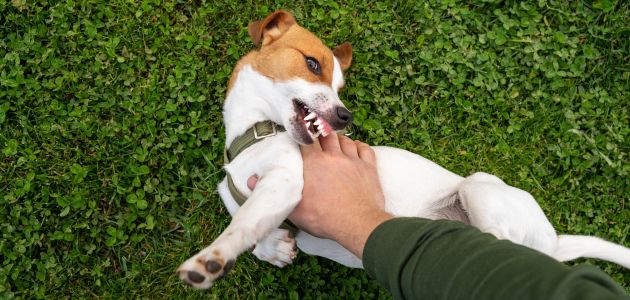
Dogs are often referred to as man’s best friend, but even the friendliest dogs can bite under certain circumstances. While it’s a natural behavior, understanding why dogs bite and how to manage it is essential for every dog owner.

At Bare Pets, we believe that addressing biting behavior starts with understanding its root causes and ensuring your dog’s overall well-being, including proper nutrition. In this guide, we’ll explore common reasons why dogs bite, actionable tips to prevent it, and how a healthy diet featuring high-quality kibble and wet food can play a role in managing your dog’s behavior.

Why Do Dogs Bite?

Dogs bite for various reasons, and it’s rarely an act of aggression without cause. Here are the most common triggers:

1. Fear or Anxiety

When dogs feel threatened or scared, they may bite as a defensive mechanism. This can happen during unfamiliar situations, loud noises, or when approached by strangers.

2. Pain or Discomfort

Dogs in pain may lash out to protect themselves, especially if touched in a sensitive area. Health issues, such as joint pain or dental problems, can increase the likelihood of biting.

3. Protectiveness

Dogs are naturally protective of their territory, food, toys, or loved ones. Biting may occur if they perceive a threat to something they value.

4. Lack of Socialization

Dogs that haven’t been properly socialized may not know how to interact with people or other animals, which can lead to fear-based biting.

5. Overstimulation or Excitement

Puppies, in particular, often bite during play. While this is usually harmless, it’s essential to establish boundaries early on.

How to Handle Biting Behavior

If your dog has started biting, it’s essential to address the behavior promptly and effectively. Here are some steps to take:

1. Identify the Cause

Understanding why your dog is biting is the first step in managing the behavior. Observe their body language and the situations in which biting occurs.

2. Avoid Punishment

Punishing a dog for biting can increase fear and anxiety, making the behavior worse. Instead, focus on positive reinforcement and redirection.

3. Provide Proper Training

Training is crucial in teaching your dog appropriate behavior. Commands like “leave it” or “drop it” can help redirect their focus.

  • Pro Tip: If your dog bites during play, redirect their attention to a toy or treat. You can also reward good behavior with high-quality kibble, such as our Candidly Fresh Chicken Adult Dog Kibble.

4. Socialize Your Dog

Expose your dog to different environments, people, and animals in a controlled and positive way. This helps them feel more comfortable and less likely to bite out of fear.

5. Address Underlying Health Issues

If pain or discomfort is causing your dog to bite, consult your veterinarian. Supplements like the Good Gut Dog Supplement can also support digestive health, reducing irritability caused by stomach discomfort.

The Role of Nutrition in Managing Biting Behavior


Did you know that your dog’s diet can influence their behavior? Proper nutrition is essential for maintaining your dog’s physical and mental well-being, which can help reduce stress and anxiety, common triggers for biting.

Kibble: A Balanced Diet for Behavioral Health


High-quality kibble provides essential nutrients to support your dog’s overall health. At Bare Pets, we offer a range of kibble options tailored to different needs:

Wet Food: Hydration and Comfort


Wet food is a great option for dogs who need extra hydration or prefer softer textures. It’s also easier to digest, which can reduce discomfort and improve behavior.

Preventing Biting in Puppies


Puppies explore the world with their mouths, so biting is a natural part of their development. However, it’s important to set boundaries early on:

  • Use Toys for Redirection: Provide chew toys to satisfy their teething needs.
  • Teach Bite Inhibition: If your puppy bites too hard, let out a yelp and stop playing. This teaches them that biting ends the fun.
  • Reward Good Behavior: Use treats or kibble like our Candidly Fresh Chicken Adult Dog Kibble to reinforce positive actions.

Supplements to Support Calm Behavior


In addition to a nutritious diet, supplements can help manage stress and promote calmness in dogs prone to biting:

When to Seek Professional Help


If your dog’s biting behavior persists despite your efforts, it may be time to consult a professional dog trainer or behaviorist. They can provide tailored advice and strategies to address the issue effectively.

Why Choose Bare Pets for Your Dog’s Needs?


At Bare Pets, we’re committed to helping pet parents provide the best care for their furry friends. Here’s why you can trust us:

  • High-Quality Products: Our kibble, wet food, and supplements are made with premium ingredients to support your dog’s health.
  • Wide Selection: Explore our shop for a variety of options tailored to your dog’s unique needs.
  • Expert Guidance: Have questions about your dog’s diet or behavior? Contact us for personalized recommendations.

Understanding why dogs bite and how to handle them is an essential part of being a responsible pet parent. By addressing the root causes, providing proper training, and ensuring your dog’s nutritional needs are met with high-quality kibble and wet food, you can help reduce biting behavior and foster a happier, healthier relationship with your furry friend.

Ready to support your dog’s well-being? Explore our range of kibble, wet food, and supplements today, or contact us for expert advice and guidance.

Real dogs deserve real ingredients.

Tags
grab a Barepets bare
Close
doggy bowl
Your cart is emptyReturn to Shop
Apply Coupon
Available Coupons
bareparent20 Get 20% off New customers can avail 20% off their first order.