Quantcast
Logo of Bare Pets

Flea Control for Active Labradors: Tips & Remedies

Labradors are known for their boundless energy, adventurous spirit, and love for the outdoors. Whether it’s splashing through puddles, rolling in the grass, or hiking trails, these active breeds are constantly exposed to environments where fleas thrive. Flea infestations can lead to discomfort, skin irritation, and even health complications for your furry friend.

At Bare Pets, we understand the unique needs of active dogs like Labradors. In this guide, we’ll share actionable flea remedies, discuss flea control for dogs, and highlight how Bare Pets products can help keep your Labrador happy, healthy, and flea-free.

Why Active Breeds Are More Susceptible to Fleas

Active breeds like Labradors are more prone to flea infestations due to their lifestyle:

  • Outdoor Exposure: Labradors spend a significant amount of time outdoors, where fleas thrive in grass, dirt, and wooded areas.
  • Frequent Socialization: Interaction with other dogs or animals increases the risk of flea transmission.
  • Thicker Coats: Labradors have dense, water-resistant coats that can make it easier for fleas to hide and harder for pet parents to spot them.

Understanding these factors is the first step in effective flea control for dogs.

Flea Control Tips for Active Labradors

1. Regular Grooming and Inspection

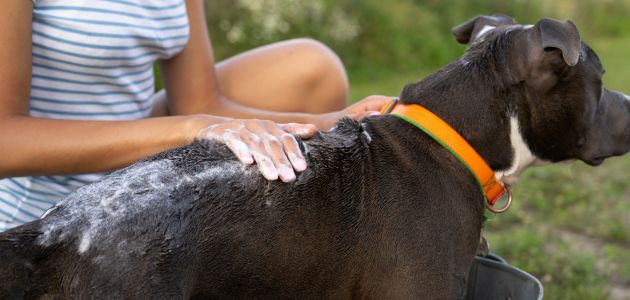
Grooming is essential for flea control, particularly for active breeds like Labrador Retrievers. Regularly inspect your dog’s coat for fleas or flea dirt (small black specks resembling pepper). Using a flea comb can help remove fleas and their eggs from your dog’s coat.

To make grooming easier, try the Bare Brush. This tool is designed to clean your Labrador’s coat while reducing shedding, making it harder for fleas to find hiding spots.

2. DIY Anti-Flea Spray

A natural anti-flea spray is a safe and effective remedy for active breeds. Here’s a quick recipe you can make at home:

Ingredients:

  • ½ cup of water
  • ½ cup of apple cider vinegar
  • A few drops of cedarwood or lavender essential oil

Instructions:

  • Mix all ingredients in a spray bottle.
  • Shake well before use.
  • Lightly spray your Labrador’s coat, avoiding sensitive areas like the eyes, nose, and mouth.

This DIY anti-flea spray is gentle, non-toxic, and perfect for outdoor-loving Labradors. Pair it with Bare Pets’ supplements and kibble to further enhance flea control.

3. Nutrition for Skin Health

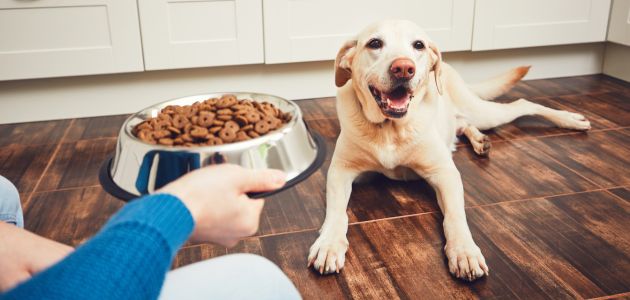
A healthy diet plays a crucial role in controlling fleas in dogs. Strong skin and a shiny coat can make your Labrador less appealing to fleas. Bare Pets offers high-quality kibble and wet food options enriched with probiotics and omega fatty acids to support skin health and overall resilience.

Recommended Products:

A balanced diet fortified with probiotics and omega fatty acids can help reduce skin irritation caused by flea bites and improve your dog’s natural defenses.

4. Supplements for Added Protection

Supplements can complement flea remedies by promoting healthier skin and reducing inflammation from flea bites. Bare Pets offers vet-approved supplements tailored for active breeds like Labradors.

Recommended Products:

Adding these supplements to your Labrador’s routine ensures they’re protected from the inside out.

5. Clean Your Home Regularly

Fleas don’t just live on your dog, they can infest your home too. Active breeds like Labradors often bring fleas indoors after outdoor adventures. Vacuum carpets, furniture, and other surfaces weekly, and wash your dog’s bedding in hot water to eliminate flea eggs and larvae.

6. Protect Outdoor Spaces

Since Labradors love spending time outdoors, it’s important to treat your yard or garden for fleas. Use natural flea repellents, such as diatomaceous earth or cedar chips, to reduce flea populations in areas where your dog plays.

Why Bare Pets Is Your Partner in Flea Control

At Bare Pets, we believe in providing holistic care for your dog. Our products are carefully formulated to support your Labrador’s overall health, making them less prone to flea infestations. From nutrition-packed kibble to all-in-one supplements, we offer everything you need to keep your Labrador flea-free.

Explore our full range of products in our shop or contact us for personalized recommendations.

Flea Control Made Simple

Flea control for active breeds, such as Labradors, requires a combination of regular grooming, natural remedies, proper nutrition, and supplementation. By incorporating Bare Pets products into your dog’s care routine, you can ensure they remain happy, healthy, and flea-free year-round.

Ready to give your Labrador the care they deserve? Visit our shop today for everything you need to keep your active breed flea-free!


Real dogs deserve real ingredients.

Tags
Health

Flea Prevention Tips for Small Breeds: Chihuahua and Yorkie

Small breed dogs like Chihuahuas and Yorkies may be tiny in size, but they can face big challenges when it comes to flea infestations. Due to their smaller stature and delicate skin, fleas can quickly cause discomfort, irritation, and even health issues for these lovable pets. As pet parents, it’s essential to take proactive steps to ensure effective flea control for dogs of small breeds.

In this educational guide, we’ll share vet-approved flea prevention tips tailored for Chihuahuas, Yorkies, and other small breeds. We’ll also highlight how Bare Pets products can complement your flea prevention efforts, ensuring your furry friend stays happy, healthy, and flea-free.

Why Are Small Breeds More Prone to Fleas?

Small breeds have unique vulnerabilities that make them more susceptible to fleas:

  • Close Contact with Humans and Other Pets: Small dogs are often lap dogs, meaning they have frequent contact with humans and other pets who may unknowingly carry fleas.
  • Delicate Skin: Their thinner skin is more prone to irritation from flea bites.
  • Frequent Indoor-Outdoor Transitions: Small breeds often go outside for short walks or potty breaks, increasing their exposure to fleas in grass or dirt.

Understanding these challenges is the first step toward effective flea control for small breeds.

Flea Prevention Tips for Chihuahuas and Yorkies

1. Regular Grooming and Inspection

Grooming is one of the most effective flea remedies for small breeds. Use a flea comb to check for fleas and flea dirt (tiny black specks) on your dog’s coat. Regular brushing also helps remove loose fur and debris where fleas might hide.

For added grooming benefits, try using the Bare Brush, designed to keep your dog’s coat clean and healthy while reducing shedding.

2. DIY Anti-Flea Spray: A Natural Solution

A DIY anti-flea spray is a safe and natural way to repel fleas without harsh chemicals. Here’s a recipe tailored for small breeds:

Ingredients:

  • ½ cup of water
  • ½ cup of apple cider vinegar
  • A few drops of lavender essential oil (optional)

Instructions:

  • Mix all ingredients in a spray bottle.
  • Shake well before use.
  • Lightly spray your dog’s coat, avoiding sensitive areas like the eyes, nose, and mouth.

This spray works as a natural flea repellent and is gentle enough for small breeds like Chihuahuas and Yorkies. Pairing this remedy with regular grooming and Bare Pets products will enhance its effectiveness.

3. Nutrition for Skin Health

Healthy skin is less appealing to fleas, which is why proper nutrition plays a vital role in flea control for dogs. Bare Pets offers kibble options enriched with probiotics and omega fatty acids to promote skin health and overall resilience.

A balanced diet fortified with essential nutrients strengthens your dog’s skin barrier, reducing the likelihood of flea infestations.

4. Supplements for Added Protection

Supplements can complement your flea remedies by promoting healthier skin and reducing inflammation caused by flea bites. Bare Pets offers vet-approved supplements that can give your small breed dog an extra layer of protection.

Adding these supplements to your dog’s routine ensures they’re protected from the inside out.

5. Wash Bedding and Toys Regularly

Fleas often hide in your dog’s bedding, toys, and other frequently used items. Wash these items weekly with hot water to eliminate flea eggs and larvae.

6. Keep Your Home Flea-Free

Small breeds like Chihuahuas and Yorkies spend a lot of time indoors, so keeping your home flea-free is crucial. Vacuum carpets, furniture, and other surfaces regularly, and consider using natural flea repellents around your home.

Why Bare Pets Is Your Partner in Flea Prevention

At Bare Pets, we understand that your Chihuahua or Yorkie deserves the best care possible. Our products are carefully formulated to support your dog’s overall health, making them less prone to flea infestations. From tailored kibble for small breeds to supplements for skin health, Bare Pets has everything you need to keep your dog happy, healthy, and flea-free.

Flea Prevention Made Simple

Flea prevention for small breeds, such as Chihuahuas and Yorkies, requires a holistic approach that includes regular grooming, natural remedies, proper nutrition, and supplementation. By combining DIY anti-flea sprays with Bare Pets products, you can ensure your furry friend stays protected year-round.

Ready to give your dog the care they deserve? Explore our full range of products in our shop or contact us for personalized recommendations and everything you need to keep your puppy flea-free!

Real dogs deserve real ingredients.

Tags
Health

Where to Buy Dog Supplements in Manila (Online & In-Store)

You want something that works: safe, effective, and easy to find here in Metro Manila. Whether your pup struggles with bloating, messy stools, or a sensitive tummy, you know how frustrating it can be to see them uncomfortable. You want solutions that work, but where do you start?

In this blog, we’ll guide you through the best places to buy dog supplements in Manila, both online and in-store. We’ll also share tips on choosing the right products to keep your pup’s tummy happy.

Why Dog Supplements Are Essential

Dog supplements, especially probiotics, are a lifesaver for dogs with digestive issues. They help balance gut bacteria, improve digestion, and boost immunity.

Benefits of Dog Supplements:

  • Improved digestion: Supplements like probiotics help break down food and absorb nutrients effectively.
  • Healthier stools: Regulates bowel movements and reduces diarrhea.
  • Reduced bloating: Balances gut bacteria to prevent gas and discomfort.
  • Boosted immunity: Strengthens your dog’s ability to fight off infections.

In a bustling city like Manila, where the weather can be hot and humid, supplements can be especially helpful in maintaining your dog’s gut health.

Where to Buy Dog Supplements in Manila

Online Shops

Shopping online is the easiest way to find trusted dog supplements in Manila, especially if you’re juggling a busy schedule. Here are some top platforms to explore:

1. Bare Pets

Bare Pets is a premium pet wellness brand offering high-quality supplements, such as Good Gut Dog Supplement. This vet-formulated powder is designed to improve digestion, reduce bloating, and boost immunity.

Their products are filler-free, made with natural ingredients, and safe for both dogs and cats. Plus, it doubles as a tasty food topper, making it easy to incorporate into meals.

2. Lazada

Lazada is a go-to platform for pet parents in Manila. You’ll find a wide range of dog supplements, including Bare Pets products. Shop on Lazada here.

3. Shopee

Shopee is another popular online marketplace offering dog supplements at competitive prices. It’s perfect for finding deals on Bare Pets’ Good Gut Dog Supplement and other trusted brands. Browse Shopee here.

In-Store Options

If you prefer to shop in person, Manila has several speciality pet stores that offer high-quality dog supplements.

1. Bow & Wow

Known for its premium selection, Bow & Wow carries probiotic-enriched dog food and supplements. Their knowledgeable staff can help you find the right product for your pup’s needs.

2. Pet Express

Located in major malls across Metro Manila, Pet Express is a convenient option for picking up dog supplements. They stock trusted brands and occasionally offer discounts during sales events.

Local Tip: Call ahead to check product availability, as popular supplements often sell out quickly.

How to Choose the Right Dog Supplement

Not all dog supplements are created equal, so it’s important to choose wisely. Here are some tips to help you make the best decision:

1. Look for Natural Ingredients

Avoid supplements that contain fillers, artificial additives, or undisclosed ingredients. Opt for products like Good Gut Dog Supplement that utilize natural, gut-friendly ingredients, such as probiotics, turmeric, and activated charcoal.

2. Prioritize Transparency

Choose brands that clearly list their ingredients and benefits. Bare Pets, for example, is known for its honest approach and quality formulations.

3. Check for Multi-Functional Benefits

Supplements that address multiple issues like digestion, immunity, and toxin removal offer better value and results.

Want an all-in-one solution? Explore our Bare Balance All-in-One Dog Supplement for comprehensive wellness.

4. Consult Your Vet

If your dog experiences persistent digestive issues, consult your veterinarian for personalized advice on supplements and dosages.

Common Questions About Dog Supplements

  1. Can supplements replace medication for gut issues?

Supplements like probiotics are a natural way to support gut health, but should not replace veterinary care for serious digestive problems.

  1. Are supplements safe for all dogs?

Most supplements are safe, but consult your vet to ensure the right dosage for your dog’s size and health condition.

  1. How long does it take for supplements to work?

Most dogs see improvements within 1-2 weeks of consistent use.

Whether you’re shopping online or in-store, finding the right dog supplement in Manila doesn’t have to be a hassle. Platforms like Bare Pets, Lazada, Shopee, and TikTok Shop offer convenience and quality, while speciality stores like Bow & Wow and Pet Express provide hands-on assistance.

Whether you shop online or visit a trusted store in Manila, finding the right dog supplement is easier than ever.

For fast, proven results, shop Good Gut Dog Supplement at Bare Pets, Lazada, Shopee, or TikTok Shop and give your pup the gut support they deserve.

Visit our online store or shop on Lazada and Shopee

Real dogs deserve real ingredients.

Tags

Turmeric for Dogs: The Key to a Happy, Healthy Tummy

Imagine this: Your dog, Luna, has been dealing with bloating and messy stools for weeks. You’ve tried cutting back on treats, switching foods, and even adding plain chicken and rice. But nothing seems to work. Watching her struggle is heartbreaking and you’re left wondering if there’s a natural way to soothe her tummy.

The solution is turmeric, the golden spice that does more than flavor your curry. Packed with curcumin, a powerful anti-inflammatory and antioxidant, turmeric is making waves in pet wellness for its ability to calm digestion, ease inflammation, and strengthen the immune system. For dogs with sensitive stomachs, turmeric might just be the missing piece to a truly happy tummy.

Why Turmeric Is Great for Your Dog’s Gut Health

Turmeric, a bright yellow spice commonly used in cooking, contains curcumin, its active compound. Curcumin is a natural anti-inflammatory and antioxidant that offers numerous health benefits for dogs, especially when it comes to gut health.

How Turmeric Supports Digestion:

  • Reduces inflammation: Inflammation in the gut can lead to bloating and discomfort. Turmeric helps calm irritated intestines.
  • Aids nutrient absorption: Turmeric improves digestion, allowing your dog to absorb nutrients more effectively.
  • Fights harmful bacteria: Its antimicrobial properties help maintain a balanced gut microbiome.

For dogs with sensitive stomachs or recurring digestive issues, turmeric can be a gentle yet powerful addition to their diet.

4 Big Benefits of Turmeric for Dogs’ Digestion

1. Soothes Inflammation

Inflammation is a common cause of bloating and digestive discomfort in dogs. Turmeric’s anti-inflammatory properties help reduce swelling in the gut, making digestion smoother.

2. Improves Stool Quality

Messy stools can be a sign of poor gut health. Turmeric helps regulate bowel movements, leading to firmer, healthier stools.

3. Supports Liver Function

The liver plays a crucial role in digestion by processing toxins and producing bile. Turmeric boosts liver health, aiding digestion and detoxification.

4. Boosts Immunity

A healthy gut is key to a strong immune system. Turmeric’s antioxidant properties strengthen your dog’s immunity, helping them fight off illnesses.

Easy Ways to Add Turmeric to Your Dog’s Meals

Adding turmeric to your dog’s routine is easy and effective. Here are three ways to incorporate it:

1. Vet-Formulated Supplements

Supplements like Good Gut Dog Supplement combine turmeric with other gut-friendly ingredients like probiotics, activated charcoal, and L-glutamine. Good Gut is a convenient, filler-free powder that doubles as a tasty food topper.

2. Homemade Golden Paste

You can make a simple turmeric paste at home by mixing turmeric powder with water, coconut oil, and a pinch of black pepper (to enhance absorption). Add a small amount to your dog’s meals, but consult your vet first to ensure the right dosage.

3. Turmeric-Infused Treats

Look for healthy dog treats that include turmeric as an ingredient. These can be a fun way to boost your pup’s gut health while rewarding them.

Simple Daily Habits for Better Dog Digestion

Turmeric is just one piece of the puzzle. Pair it with these daily habits for optimal gut health:

1. Stick to a Regular Feeding Schedule

Consistency is key for digestion. Feed your dog at the same times each day and avoid overfeeding.

2. Prioritize Hydration

Make sure your dog always has access to fresh, clean water. Proper hydration supports digestion and overall health.

3. Avoid Trigger Foods

Certain foods can upset your dog’s stomach, such as:

  • Fatty or greasy foods.
  • Dairy products.
  • Fillers like corn and soy.

Opt for high-quality dog food made with natural ingredients.

Common Questions About Turmeric for Dogs

1. Is turmeric safe for all dogs?

Turmeric is generally safe, but it’s important to use the right dosage. Excessive consumption of turmeric can cause stomach upset. Always consult your vet before adding it to your dog’s diet.

2. How long does it take for turmeric to work?

Most dogs see improvements within 1-2 weeks of consistent use. For long-term benefits, continue using turmeric as part of their routine.

3. Can turmeric replace medication for gut issues?

While turmeric is a natural remedy, it’s not a substitute for veterinary care. If your dog is experiencing severe digestive problems, consult your veterinarian for a comprehensive treatment plan.

Give Your Dog The Golden Gut Boost

Your dog deserves comfort, energy, and a happy tummy and turmeric can play a key role in making that happen. By easing inflammation, improving digestion, and strengthening immunity, turmeric supports long-term gut health in a natural way.

For an easy, vet-formulated option, try Good Gut Dog Supplement, a powerful blend of probiotics, turmeric, activated charcoal, and other gut-friendly ingredients designed to keep tails wagging and tummies happy.

Real dogs deserve real ingredients.

Tags
Food, Health, Tips

How to Keep Aspin Tummy Happy: Natural Digestive Tips

Aspins, or Asong Pinoy, are the heart and soul of many Filipino homes. They may not have fancy pedigrees, but they give endless love and loyalty. And just like any dog, they deserve proper care, starting with a healthy tummy.

Many Aspin parents face similar struggles, especially with their dog’s sensitive tummy, such as noticing bloating, messy stools, or even signs of discomfort. 

But here’s the good news: With a few natural tips and gentle care, you can help your Aspin enjoy every meal without tummy troubles. Let’s explore why Aspins are prone to digestive issues and how you can keep their gut healthy and happy.

Why Aspins Are Prone to Tummy Troubles

Aspins, or Philippine native dogs, are known for their resilience and adaptability, but their digestive systems can still be sensitive. Whether they’re eating leftovers, kibble, or homemade meals, certain factors can trigger tummy troubles, such as:

  • Dietary inconsistencies: Feeding Aspins a mix of human food and dog food can lead to digestive upset. Many Aspins are fed table scraps out of love, but some human foods are too greasy or seasoned for their sensitive stomachs.
  • Food sensitivities: Some Aspins react poorly to fatty foods, fillers, or artificial ingredients.
  • Environmental stress: Changes in routine or exposure to toxins can affect gut health.

Watch for Signs of poor digestion, such as frequent gas, loose stools, bloating, or loss of appetite. These aren’t just quirks; they’re your dog’s way of asking for help.

The good news is that with the right care and natural support, even the most sensitive Aspin can enjoy calm, happy digestion again.

Natural Digestive Tips for a Happy Tummy

1. Introduce Probiotics for Dogs

Probiotics are live bacteria that promote a healthy gut microbiome. They’re especially beneficial for Aspins with sensitive stomachs, as they:

  • Reduce bloating and gas.
  • Improve nutrient absorption.
  • Strengthen immunity.

Look for vet-formulated probiotics, such as those found in Bare Pets’ Good Gut Dog Supplement, which combine probiotics with other tummy-friendly ingredients like turmeric and activated charcoal.

2. Avoid Trigger Foods

Certain foods can upset Aspin’s stomach. Avoid:

  • Fatty or greasy foods.
  • Dairy products.
  • Fillers like corn and soy.

Instead, opt for high-quality dog food made with natural ingredients. If you prepare homemade meals, consult a vet to ensure they’re balanced and safe.

3. Gradual Diet Changes

If you’re introducing new food or supplements, do it slowly. Sudden changes can shock your Aspin’s digestive system. Start with small amounts and gradually increase over a week.

4. Support Digestion With Enzymes

Digestive enzymes help break down food so your Aspin can absorb nutrients more effectively. Without them, proteins, fats, and carbs may ferment in the gut, causing gas, bloating, or soft stools.

Enzyme blends, which include protease, lipase, and amylase, are especially useful for dogs that eat cooked or dry food, which often lacks natural enzymes.

Vet-Approved Supplements for Gut Health

When natural remedies aren’t enough, supplements can provide the extra support your Aspin needs. Bare Pets’ Good Gut Dog Supplement is specifically formulated to enhance digestion, boost immunity, and support toxin removal.

Here’s how its ingredients work:

  • Probiotics, MOS & Organic Acids: Restores gut flora, enhances digestion, and defends against pathogens.
  • Kaolin Powder & Activated Charcoal: Absorbs toxins and reduces bloating.
  • Turmeric & Antioxidants: Reduces gut inflammation and oxidative stress.
  • L-arginine & L-Glutamine: Repairs the gut lining and improves nutrient absorption.
  • Diatomaceous Earth & Yucca: Aids in detoxification and reduces stool odor.

Many Aspin parents have reported positive results, including firmer stools, reduced bloating, and increased energy levels, after using Good Gut.

Daily Habits to Keep Your Aspin’s Tummy Happy

1. Prioritize Hydration

Hydration is key to digestion. Make sure your Aspin always has access to fresh, clean water. If they’re active or spending time outdoors, monitor their water intake closely.

2. Stick to a Feeding Schedule

Consistency is crucial for gut health. Feed your Aspin at the same times each day and avoid overfeeding. Smaller, frequent meals are easier to digest than one large meal.

3. Monitor Stool Health

Your Aspin’s poop is a window into their gut health. Healthy stools should be firm and well-formed. If you notice changes, such as diarrhea or mucus, consider adjusting their diet or consulting a vet.

Conclusion

Your Aspin deserves a happy tummy, and you have the power to make it happen. By avoiding trigger foods, introducing probiotics, and using vet-approved supplements, you can support their digestive health naturally.

Your Aspin has given you loyalty and love; now it’s your turn to give them the gift of a happy tummy. Try Bare Pets’ Good Gut Dog Supplement today and see the difference in their energy, stool health, and overall happiness.

Real dogs deserve real ingredients.

Tags

Natural Digestive Tips for Shih Tzus to Keep Tummies Happy

Few things are more heartbreaking than watching your Shih Tzu suffer with bloating, runny stools, or endless tummy troubles after eating. Their sad eyes, the restless pacing, the messes to clean up. And you’re left wondering: ‘Am I doing something wrong?

Many Shih Tzu parents face the same challenge: keeping their dog’s tummy happy and healthy. 

The truth is, it’s not your fault. Shih Tzus simply have more sensitive stomachs than most breeds. But with a few simple natural adjustments, you can help soothe their digestion and finally enjoy a happy, playful pup again.

Let’s explore why Shih Tzus are prone to tummy troubles and how simple changes like Good Gut Dog Supplement can support their gut health.

Why Shih Tzus Are Prone to Tummy Troubles

Shih Tzus may be small in size, but their digestive issues can feel like a constant, ongoing battle. From sudden bouts of diarrhea to persistent gas or bloating, it’s not uncommon for this breed to struggle after meals. But it’s not because you’re doing anything wrong. Shih Tzus are just biologically wired to have more sensitive stomachs.

Here’s why:

1. Small digestive system: Their tiny size means their GI tract can be easily overwhelmed, especially by rich, fatty, or overly processed foods. Even a small treat can throw things off.

2. Common food sensitivities: Many Shih Tzus don’t tolerate dairy, soy, wheat, or artificial additives well, yet these are hidden in lots of mainstream dog foods.

3. Flat-faced anatomy: Their short snouts and underbites make chewing and swallowing more difficult, which leads to poor food breakdown and improper digestion.

Symptoms of poor gut health often include frequent loose stools, loud stomach noises, excessive grazing, or low energy.

The good news is that with the right support, even the most sensitive Shih Tzu can enjoy smooth, comfortable digestion, and you can stop stressing over every mealtime.

Natural Digestive Tips for a Happy Tummy

If your Shih Tzu seems bloated, sluggish, or constantly battling loose stools, the solution might be simpler than you think. These natural, vet-recommended strategies can help calm their sensitive tummy and restore their playful, happy energy.

1. Restore Balance with Probiotics

Probiotics are essential for balancing your dog’s gut microbiome. For sensitive breeds like Shih Tzus, they help:

  • Reduce bloating and gas
  • Improve nutrient absorption
  • Support immune health

Look for a dog-specific probiotic blend (not human probiotics), ideally one formulated by vets. A product like Good Gut Dog Supplement combines beneficial bacteria with soothing ingredients, such as L-Glutamine and turmeric, for comprehensive gut support. Just sprinkle the powder on their food daily; easy, mess-free, and effective.

2. Cut Out the Hidden Gut Irritants

Many Shih Tzus react poorly to hidden ingredients in their food, even ones labeled “premium.” Cut out:

  • Dairy: Can lead to digestive upset, loose stools, or excessive gas.
  • Corn, soy, and wheat (cheap fillers): Often used as fillers that are harder to digest and may trigger sensitivities.
  • Artificial colors and preservatives: These irritate the gut lining and contribute to chronic inflammation.

Choose grain-free or limited-ingredient foods made with real protein sources, such as lamb, salmon, or turkey. Always read the label; less is more when it comes to ingredients.

3. Switch Foods Without Upsetting Their Stomach

Even a healthy change can backfire if done too fast. When switching to a new food or adding a supplement, do so gradually. Start by mixing 25% new food with 75% old food for a few days, then gradually increase the proportion of new food. This gives your dog’s digestive system time to adjust.

4. Consider Digestive Enzymes

Digestive enzymes help your Shih Tzu break down proteins, fats, and carbohydrates, especially when they eat kibble or cooked food. Without sufficient enzymes, food can remain undigested, leading to bloating or foul-smelling stools. Look for enzyme blends that include protease, amylase, and lipase.

With these small changes, you can make a big impact on your pup’s comfort, digestion, and daily energy levels naturally.

Vet-Approved Supplements to Support Gut Health

When natural tips aren’t enough, supplements can make a world of difference. Good Gut Dog Supplement is a vet-formulated powder designed to improve digestion, immunity, and toxin removal.

Here’s why it works:

  • Probiotics: Balance gut bacteria and reduce tummy troubles.
  • Activated Charcoal: Helps remove toxins and reduce bloating.
  • Turmeric: Supports anti-inflammatory processes for better digestion.
  • L-Glutamine: Repairs the gut lining and promotes nutrient absorption.

Many Shih Tzu parents have seen improvements in their dog’s stool consistency and energy levels after using Good Gut.

Daily Habits to Keep Your Shih Tzu’s Tummy Happy

1. Hydration and Exercise

Hydration supports digestion, while exercise keeps your dog’s metabolism active. Ensure your Shih Tzu drinks enough water and receives daily walks.

2. Feeding Schedule

Stick to a regular feeding schedule to avoid overloading their digestive system. Smaller, consistent meals are better than one large meal.

3. Monitor Stool Health

Your dog’s poop can tell you a lot about their gut health. Healthy stools are firm and well-formed. If you notice changes, it may be time to adjust their diet or consult a vet.

Your Shih Tzu deserves a happy tummy, and it’s within your reach! By avoiding trigger foods, introducing probiotics, and using vet-approved supplements, you can support their digestive health naturally.

Don’t wait for the next tummy flare-up. Support your Shih Tzu’s digestion, energy, and happiness with Good Gut, the vet-formulated powder designed for sensitive breeds like yours. Shop Good Gut Dog Supplement today to start your pup’s tummy transformation.

Real dogs deserve real ingredients.

Tags
Educational, Health

Food Safety for Dogs: How Long Does Dog Food Last, Safe Storage & Handling

As a pet parent, ensuring your dog’s meals are fresh, safe, and nutritious is a top priority. Proper food safety practices not only preserve the nutrition of dog food but also protect your furry friend from potential health risks. From understanding how long dog food lasts to learning how to freeze fresh pet dog food, this guide will walk you through the essentials of dog food storage and handling.

At Bare Pets, proper nutrition starts with safe food storage. Whether you’re feeding your pup kibble, wet food, or fresh pet food, our tips will help you maintain the quality of your dog’s meals and keep them healthy and happy.

How Long Does Dog Food Last?

The shelf life of dog food depends on the type of food, packaging, and storage conditions. Let’s break it down:

1. Kibble (Dry Dog Food)

Kibble is one of the most popular choices for dog owners due to its convenience and extended shelf life.

  • Unopened Kibble: Most dry dog food lasts 12-18 months when stored in a cool, dry place. Always check the expiration date printed on the bag.
  • Opened Kibble: Once opened, kibble should be consumed within 4-6 weeks to maintain freshness. Store it in an airtight container to prevent exposure to air and moisture.

At Bare Pets, our Candidly Fresh Chicken Adult Dog Kibble is packed with essential nutrients and probiotics, which can degrade if not stored properly. Using an airtight container ensures your dog gets the full nutritional benefits of their meals.

2. Wet Dog Food

Wet food is a delicious and hydrating option for dogs, but it has a shorter shelf life compared to kibble.

  • Unopened Wet Food: Canned or pouch wet food can last up to 2 years if stored in a cool, dry place.
  • Opened Wet Food: Once opened, wet food should be refrigerated in an airtight container and consumed within 3 to 5 days.

For example, our Seriously Beefy Adult Wet Dog Food is a nutrient-dense option that stays fresh longer when stored correctly.

How to Freeze Fresh Pet Dog Food

If you’re feeding your dog fresh or homemade food, freezing is an excellent way to extend its shelf life. But can you freeze fresh pet food safely for your dog? Absolutely!

Steps to Freeze Fresh Dog Food

  • Portion the Food: Divide the food into meal-sized portions to avoid thawing and refreezing, which can compromise quality.
  • Use Airtight Containers or Freezer Bags: This prevents freezer burn and keeps the food fresh.
  • Label and Date: Always label containers with the contents and freezing date to track freshness.
  • Thaw Safely: Thaw frozen food in the refrigerator overnight before serving. Never leave it out at room temperature for extended periods.

Freezing is beneficial for preserving low-sodium or specialty diets for dogs. If your dog requires a low-sodium dog food, freezing fresh meals ensures they stay safe and nutritious.

Safe Storage Tips for Dog Food

Proper storage is crucial for maintaining the quality and safety of your dog’s food. Here are some best practices:

1. Store in a Cool, Dry Place

Heat and humidity can cause dog food to spoil or lose its nutritional value. Keep kibble and unopened wet food in a cool, dry area, away from direct sunlight.

2. Use Airtight Containers

For both kibble and wet food, airtight containers are a must. They prevent exposure to air, moisture, and pests. Our Candidly Fresh Lamb Hypoallergenic Adult Dog Kibble stays fresher longer when stored in a sealed container.

3. Refrigerate Opened Wet Food

Once opened, wet food should be refrigerated in an airtight container at all times. This prevents contamination and keeps the food safe for your dog to eat.

4. Check Expiration Dates

Always check the expiration date before feeding your dog. Expired food can lose its nutritional value and may even become unsafe to eat.

Why Food Safety Matters for Dog Nutrition

Proper food safety practices have a direct impact on your dog’s health and longevity. Contaminated or expired food can lead to digestive issues, nutrient deficiencies, or more serious health problems.

The Role of Nutrition in Longevity

Did you know that proper nutrition can influence how long dogs live? High-quality dog food provides the essential nutrients your pet needs for a long, healthy life.

For example:

Common Food Safety Mistakes to Avoid

Even the most well-meaning pet parents can make mistakes when it comes to food safety. Here are some common pitfalls and how to avoid them:

  • Leaving Food Out Too Long: Wet food left out for more than 2 hours can spoil and become unsafe to eat.
  • Using Expired Food: Always check expiration dates and discard expired products.
  • Improper Freezing: Freezing food in large batches without portioning can lead to waste and loss of quality.
  • Not Cleaning Food Bowls: Dirty bowls can harbor bacteria. Wash your dog’s food and water bowls daily to prevent contamination.

How Bare Pets Can Help

At Bare Pets, we’re here to support your journey as a pet parent. From premium kibble and wet food to supplements and grooming tools, we offer everything you need to keep your dog healthy and happy.

Recommended Products for Food Safety and Nutrition

Explore our shop for more options, or contact us if you have any questions about our products.

Food safety is a vital part of responsible pet ownership. By understanding how long dog food lasts, practicing safe storage, and choosing high-quality products like those from Bare Pets, you can ensure your dog’s meals are always fresh, safe, and nutritious.

Ready to give your dog the best? Visit our shop today to explore our range of premium kibble, wet food, and supplements designed to support your dog’s health and longevity. 

For personalized advice, don’t hesitate to contact us.

Your furry friend deserves nothing less than the best!

Real dogs deserve real ingredients.

Tags
can you freeze fresh pet dog food, dog food nutrition, how long does dog food last, how long dogs live, how to freeze fresh pet dog food, low sodium dog food

Longevity in Pets: Longest Living Animals, Breeds, and Care Tips

As pet parents, we all wish our furry, feathered, or scaly companions could stay with us forever. While we can’t make time stand still, there are ways to help our pets live longer, healthier lives. From understanding which animals live the longest to providing proper care and nutrition, you can significantly impact your pet’s lifespan.

At Bare Pets, we’re here to provide you with everything you need to know about longevity in pets, including the longest living animals, which dog breed lives the longest, and care tips to keep your pets happy and healthy. Let’s delve into the fascinating world of long-lived pets and explore how you can support their journey.

What Animals Live the Longest?

When it comes to the longest living animals, nature offers some incredible examples. For instance, the Greenland shark is believed to live for over 400 years, while certain tortoise species can live well past 150 years. But what about the pets we keep at home?

Longest Living Pets

  • Parrots: Some parrot species, such as the Macaw, can live up to 80 years with proper care.
  • Turtles and Tortoises: Depending on the species, they can live anywhere from 50 to 100+ years.
  • Cats: Domestic cats typically live 12-18 years, with some reaching their 20s.
  • Dogs: While the average lifespan of a dog is 10-13 years, certain breeds are known for their longevity.
  • Fish: Koi fish can live up to 50 years, making them one of the longest-living aquatic pets.

Do Cats Live Longer Than Dogs?

It’s a common question among pet owners: Do cats live longer than dogs? The short answer is yes, on average. Cats tend to live longer than dogs, with many reaching their late teens or early twenties. This is partly due to their smaller size and more independent nature, which reduces stress levels.

However, the lifespan of a dog can vary greatly depending on its breed. Smaller dog breeds generally live longer than larger ones. For example, a Chihuahua may live up to 20 years, while a Great Dane’s lifespan averages 7-10 years.

Which Dog Breed Lives the Longest?

If you’re looking for a furry companion with a long lifespan, certain dog breeds are known for their longevity.

Dog Breeds with the Longest Lifespans

  • Chihuahua: 15-20 years
  • Dachshund: 12-16 years
  • Yorkshire Terrier: 13-16 years
  • Shih Tzu: 10-18 years
  • Australian Cattle Dog: 12-16 years (One Australian Cattle Dog named Bluey holds the record for the longest-living dog at 29 years!)

To support these long-living breeds, a balanced diet is key. Our Candidly Fresh Chicken Adult Dog Kibble is packed with essential nutrients and probiotics to promote overall health and longevity.

How to Help Your Pet Live Longer

While genetics play a role in lifespan, there’s a lot you can do to help your pet live a longer, healthier life. Here are some tips:

1. Provide a Balanced Diet

Nutrition is one of the most important factors in your pet’s health. High-quality kibble and wet food can make a world of difference.

2. Maintain a Healthy Weight

Obesity can shorten your pet’s lifespan by increasing the risk of diseases like diabetes, heart disease, and joint problems. Stick to portion-controlled meals and avoid overfeeding.

3. Regular Exercise

Exercise keeps your pet physically fit and mentally stimulated. Whether it’s a daily walk, playtime, or agility training, regular activity is essential.

4. Supplements for Longevity

Adding supplements to your pet’s diet can address specific health concerns. For example:

5. Regular Veterinary Checkups

Routine vet visits can catch potential health issues early, ensuring your pet gets the care they need.

Pets with the Longest Lifespans: A Closer Look

Let’s take a closer look at some of the pets with the longest lifespans and what makes them special:

1. Cats

Cats are known for their independence and resilience. To keep your feline friend healthy, feed them a balanced diet and provide plenty of mental stimulation.

2. Small Dog Breeds

Smaller dogs, such as Chihuahuas and Dachshunds, often outlive their larger counterparts. Their slower aging process and lower risk of certain diseases contribute to their longevity.

3. Parrots

Parrots require a specialized diet and plenty of mental stimulation to thrive. They form deep bonds with their owners and can live for decades.

4. Turtles and Tortoises

These reptiles are incredibly low-maintenance, but they require the right environment, including temperature control and a balanced diet, to live long, healthy lives.

How Nutrition Impacts Longevity

It’s no secret that a healthy diet is the cornerstone of a long and happy life for pets. At Bare Pets, we offer a range of premium kibble and wet food options designed to meet the unique needs of your pets.

By choosing high-quality food, you’re giving your pet the best chance at a long and healthy life.

Why Choose Bare Pets for Your Pet’s Needs?

At Bare Pets, we’re committed to helping pet parents provide the best care possible. From premium kibble and wet food to supplements and grooming tools like The Bare Brush, we have everything you need to support your pet’s health and longevity.

Explore our shop to find the perfect products for your pet, or contact us for personalized recommendations.

While we can’t control how long our pets live, we can certainly influence their quality of life. By choosing the right breed, providing proper care, and feeding them high-quality food like our Candidly Fresh Kibble or Cluckin’ Good Wet Food, you can give your furry friend the best chance at a long, happy life.

Ready to invest in your pet’s health and longevity? Visit our shop today or contact us for expert advice tailored to your pet’s needs!

Real dogs deserve real ingredients.

Tags
do cats live longer than dogs, long living pets, longest living animals, longest living pets, pets with longest lifespan, what animal lives the longest, what animals live the longest, which dog breed lives the longest

Dog Breed Guides: Big Breeds, Medium Breeds, Cuddly Breeds & More

Choosing the perfect dog breed for your family is an exciting yet important decision. Whether you’re drawn to the majestic presence of big dog breeds, the adaptability of medium dog breeds, or the snuggly charm of cuddly dog breeds, there’s a perfect pup out there for everyone. For pet parents in the Philippines, you might also be considering the best guard dog breeds or even the unique Philippine forest dog, known for its resilience and loyalty.

At Bare Pets, we recognize that every dog breed has its own unique personality, specific needs, and distinct dietary requirements. In this guide, we’ll explore different types of dog breeds, their characteristics, and how to care for them, including tips on choosing the right kibble and 

wet food to support their health.

Big Dog Breeds: Majestic and Powerful

Big dog breeds are known for their commanding presence, loyalty, and protective instincts. These dogs often make excellent family companions and guard dogs, but they require ample space, exercise, and a proper diet to thrive.

Characteristics of Big Dog Breeds

  • Size: Typically weigh 50 pounds or more.
  • Temperament: Protective, loyal, and often gentle giants.
  • Exercise Needs: High. They need regular walks, playtime, and mental stimulation.

Best Diet for Big Dog Breeds

Big dogs have unique dietary needs to support their larger frames and active lifestyles. High-protein kibble with added joint support is ideal for these breeds. For instance, our Candidly Fresh Beef Adult Dog Kibble is packed with protein and essential nutrients to fuel their energy and maintain muscle mass.

For a tasty alternative, you can also incorporate wet food, such as our Seriously Beefy Adult Wet Dog Food, which provides hydration and flavor variety.

Examples of Big Dog Breeds

  • German Shepherd
  • Golden Retriever
  • Saint Bernard
  • Doberman Pinscher

Big dog breeds are also popular choices for the best guard dog breeds in the Philippines, thanks to their instincts to protect their families.

Medium Dog Breeds: The Perfect Balance

Medium dog breeds are a versatile group, offering the best of both worlds. They’re large enough to enjoy outdoor adventures but small enough to adapt to apartment living in some cases.

Characteristics of Medium Dog Breeds

  • Size: Typically weigh between 20-50 pounds.
  • Temperament: Varied, ranging from playful and energetic to calm and laid-back.
  • Exercise Needs: Moderate. They enjoy daily walks and interactive playtime.

Best Diet for Medium Dog Breeds

Medium-sized dogs benefit from balanced kibble that provides energy without unnecessary fillers. Our Candidly Fresh Chicken Adult Dog Kibble is an excellent choice, offering a balanced blend of protein, probiotics, and essential nutrients to support digestion and overall health.

For medium breeds that prefer wet food, try our Cluckin’ Good Adult Wet Dog Food, which is rich in flavor and easy to digest.

Examples of Medium Dog Breeds

  • Cocker Spaniel
  • Border Collie
  • Beagle
  • Philippine Forest Dog

The Philippine forest dog is a fascinating breed native to the Philippines, known for its resilience and adaptability. These dogs are medium-sized and thrive on a balanced diet tailored to their active lifestyle.

Cuddly Dog Breeds: Perfect for Snuggles

If you’re looking for a dog that loves to cuddle, cuddly dog breeds are the perfect choice. These breeds are affectionate, loyal, and thrive on close companionship with their families.

Characteristics of Cuddly Dog Breeds

  • Size: Can range from small to medium.
  • Temperament: Gentle, affectionate, and people-oriented.
  • Exercise Needs: Low to moderate. They enjoy short walks and indoor playtime.

Best Diet for Cuddly Dog Breeds

Since cuddly breeds often have lower energy levels, it’s essential to feed them a diet that meets their nutritional needs without overloading on calories. For small, cuddly breeds, our Candidly Fresh Beef Small Breed Kibble is ideal, as it’s designed specifically for smaller mouths and includes the proper Cluckin’ calorie density.

For a softer option, theCluckin’ Good Puppy Wet Dog Food can be a great treat or supplement to their meals.

Examples of Cuddly Dog Breeds

  • Shih Tzu
  • Pomeranian
  • Cavalier King Charles Spaniel
  • Maltese

Cuddly dog breeds are perfect for families who want a furry friend to snuggle up with on the couch.

Guard Dog Breeds in the Philippines

For pet parents in the Philippines, guard dog breeds are a popular choice for their protective instincts and loyalty. These breeds are naturally alert and make excellent watchdogs for families and homes.

Characteristics of Guard Dog Breeds

  • Size: Medium to large.
  • Temperament: Loyal, protective, and often wary of strangers.
  • Exercise Needs: High. They require regular physical and mental stimulation.

Best Diet for Guard Dog Breeds

A high-protein diet is crucial for maintaining the strength and energy of guard dog breeds. Our Candidly Fresh Lamb Hypoallergenic Adult Dog Kibble is an excellent option, offering a balanced formula that supports active lifestyles.

For added variety, try incorporating wet food, such as our Seriously Beefy Adult Wet Dog Food, to keep your guard dog healthy and satisfied.

Examples of Guard Dog Breeds in the Philippines

  • Belgian Malinois
  • Rottweiler
  • Doberman Pinscher
  • Philippine Forest Dog

The Philippine forest dog is not only a medium-sized breed but also a loyal and protective companion, making it one of the best guard dog breeds in the Philippines.

How to Care for Different Dog Breeds

Regardless of the breed, proper care and nutrition are essential for your dog’s health and happiness. Here are some tips:

  • Maintain a Balanced Diet: Choose high-quality kibble and wet food tailored to your dog’s size, age, and activity level.
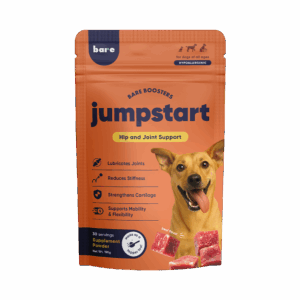
  • Provide Supplements: For added health benefits, consider supplements like the Bare Balance All-in-One Dog Supplement or the Jumpstart Joint Support Dog Supplement, which are designed explicitly for breeds prone to joint issues.
  • Grooming: Keep your dog’s coat clean and healthy with tools like The Bare Brush.
  • Exercise and Mental Stimulation: Ensure your dog gets regular physical activity and mental challenges to stay happy and healthy.

Why Choose Bare Pets for Your Dog’s Nutrition?

At Bare Pets, we’re committed to helping pet parents provide the best care for their furry friends. From premium kibble and wet food to supplements and grooming tools, we offer everything you need to support your dog’s health and well-being.

Explore our shop to find the perfect products for your dog, or contact us for personalized recommendations.

Whether you’re drawn to the majestic nature of big dog breeds, the versatility of medium dog breeds, or the affectionate charm of cuddly dog breeds, every dog deserves the best care and nutrition. By understanding their unique needs and selecting high-quality food, such as our Candidly Fresh Kibble or Cluckin’ Good Wet Food, you can ensure your furry friend thrives.

Ready to give your dog the best? Visit our shop today or contact us for expert advice tailored to your dog’s breed and needs!

Real dogs deserve real ingredients.

Tags
best guard dog philippines, big dog breeds, cuddly dog breeds, famous dog breeds, guard dog breeds philippines, medium dog breeds, philippine forest dog

Understanding Puppy Nutrition: Best Puppy Food and Feeding Schedules

Welcoming a new puppy into your home is an exciting journey, but it also comes with a lot of responsibility, especially when it comes to nutrition. Puppies grow rapidly in their first year, and providing them with the right food and feeding schedule is crucial for their development. Whether you’re raising a playful Labrador, a tiny Filipino dog, or a picky dog eater, understanding their nutritional needs is key to ensuring they grow up healthy and strong.

At Bare Pets, we’re here to guide you through the essentials of puppy nutrition. In this article, we’ll cover the best puppy food options, tips for feeding picky eaters, and how to create a feeding schedule that works for your furry friend.

Why Puppy Nutrition is Different

Puppies have unique nutritional requirements compared to adult dogs. Their growing bodies need more calories, protein, and essential nutrients to support bone development, muscle growth, and a healthy immune system. Feeding your puppy the wrong food or not feeding them enough can lead to developmental issues and long-term health problems.

Here’s what makes puppy food different from adult dog food:

  • Higher Calorie Content: Puppies require more energy to fuel their growth and maintain their playful energy.
  • Rich in Protein: Protein supports muscle development and overall growth.
  • Calcium and Phosphorus: These minerals are essential for strong bones and teeth.
  • Smaller Kibble Size: Puppy food is designed to be easier for little mouths to chew and digest.

What to Look for in the Best Puppy Food

When choosing puppy food, it’s important to prioritize quality. Look for food that is specifically formulated for puppies and meets the following criteria:

1. Complete and Balanced Nutrition

Choose food that is labeled as “complete and balanced” for puppies. This ensures it contains all the essential nutrients your puppy needs.

2. High-Quality Ingredients

Avoid foods with fillers, artificial preservatives, or by-products. Instead, opt for food made with real meat, whole grains, and vegetables.

3. Probiotics for Digestive Health

Puppies can have sensitive stomachs, so food with added probiotics can help support healthy digestion. Our Candidly Fresh Chicken Adult Dog Kibble contains probiotics to aid digestion and promote gut health.

4. Wet Food for Hydration

If your puppy struggles with hydration or is a picky eater, wet food can be a great option. The Cluckin’ Good Puppy Wet Dog Food is packed with flavor and nutrients, making it an excellent choice for growing pups.

Feeding Schedules for Puppies

Creating a consistent feeding schedule is just as important as choosing the right food. Puppies thrive on routine, and a regular schedule helps regulate their digestion and energy levels.

General Guidelines for Puppy Feeding:

  • 6-12 Weeks Old: Feed four small meals per day. At this age, puppies have small stomachs and require frequent meals to meet their high energy needs.
  • 3-6 Months Old: Reduce to three meals per day as their growth rate slows.
  • 6-12 Months Old: Transition to two meals per day. Larger breeds may need to stay on puppy food longer, while smaller breeds can transition to adult food earlier.

Tips for Feeding a Picky Dog Eater

If your puppy is a picky eater, mealtime can become a challenge. Here are some tips to encourage them to eat:

1. Mix Wet and Dry Food

Combine wet food with kibble to make meals more appealing. For example, mix Cluckin’ Good Puppy Wet Dog Food with Candidly Fresh Lamb Hypoallergenic Adult Dog Kibble to add flavor and variety.

2. Warm It Up

Warming up wet food slightly can enhance its aroma and make it more enticing for your puppy.

3. Serve Smaller Portions

Sometimes, puppies can feel overwhelmed by large portions of food. Serve smaller amounts to encourage them to finish their meal.

4. Stick to a Schedule

Feed your puppy at the same time every day to establish a routine. Avoid leaving food out all day, as this can lead to overeating or food spoilage.

How to Transition to Puppy Food

If you’re bringing home a new puppy, it’s important to transition them to their new food gradually to avoid stomach upset. Follow these steps:

  • Days 1-3: Mix 25% new food with 75% of their current food.
  • Days 4-6: Increase to 50% new food and 50% current food.
  • Days 7-9: Mix 75% new food with 25% current food.
  • Day 10: Fully transition to the new food.

Our Candidly Fresh Beef Small Breed Kibble is an excellent option for small-breed puppies, offering the perfect balance of nutrients in a size that’s easy for them to chew.

Filipino Dog Breeds and Puppy Nutrition

If you’re raising a Filipino dog breed, such as an Aspin or a Shih Tzu, their nutritional needs may vary based on their size and activity level. Small-breed puppies often require more calorie-dense food to meet their energy needs, while larger breeds may benefit from food designed to support joint health and steady growth.

For small breeds, try our Candidly Fresh Beef Small Breed Kibble. For larger breeds, consider food with added joint support, like the Jumpstart Joint Support Dog Supplement.

Why Balanced Nutrition Matters

Providing your puppy with a balanced diet is essential for its overall health and development. A diet lacking in key nutrients can lead to issues such as stunted growth, weakened immunity, and poor coat health.

To ensure your puppy gets everything they need, consider supplementing their diet with products like the Bare Balance All-in-One Dog Supplement, which supports overall wellness.

Why Choose Bare Pets for Your Puppy’s Nutrition?

At Bare Pets, we’re dedicated to helping pet parents provide the best care for their furry friends. Our range of premium kibble, wet food, and supplements is specifically designed to meet the unique needs of both puppies and adult dogs.

Explore our shop to find everything you need for your puppy, from nutritious food to essential accessories, such as The Bare Brush, for keeping your home clean. If you have questions, don’t hesitate to contact us. We’re here to help!

Understanding puppy nutrition is the first step to raising a happy, healthy dog. By choosing high-quality puppy food, creating a consistent feeding schedule, and addressing the needs of picky eaters, you can set your puppy up for a lifetime of good health.

Ready to give your puppy the best start in life? Visit our shop to explore our premium kibble, wet food, and supplements, or contact us for personalized recommendations.

Real dogs deserve real ingredients.

Tags
filipino dog, freshpet dog food, picky dog eater, puppy food, royal canin puppy food
grab a Barepets bare
Close
doggy bowl
Your cart is emptyReturn to Shop
Apply Coupon
Available Coupons
bareparent20 Get 20% off New customers can avail 20% off their first order.