Quantcast
Logo of Bare Pets

How to Transition Your Dog to New Food Safely

Switching your dog to a new food might seem like a simple task, but it’s a process that requires careful planning. Whether you’re upgrading to a higher-quality kibble, introducing wet food, or switching to a different dog food brand entirely, a gradual transition is crucial for keeping your furry friend healthy and happy.

Abrupt changes in your dog’s diet can lead to digestive upset, including diarrhea, vomiting, or a lack of appetite. To avoid these issues, it’s important to follow a step-by-step approach when transitioning your dog to new food. In this guide, we’ll walk you through everything you need to know about safely changing your dog’s diet, along with product recommendations from Bare Pets to make the process even smoother.

Why Transitioning Dog Food Gradually is Important

Dogs have sensitive digestive systems, and sudden changes in their diet can disrupt the balance of gut bacteria. This can lead to:

  • Digestive Upset: Symptoms include diarrhea, gas, or vomiting.
  • Refusal to Eat: Your dog may reject the new food if it is introduced too quickly.
  • Nutritional Imbalance: A rushed transition can prevent your dog from fully adapting to the new food’s nutrients.

By transitioning gradually, you allow your dog’s digestive system to adjust, minimizing the risk of any adverse reactions.

Step-by-Step Guide: How to Transition Dog Food

Follow these steps to ensure a smooth transition when switching dog food brands or introducing a new type of food:

Step 1: Choose the Right Food

Before making the switch, research and choose a high-quality food that meets your dog’s nutritional needs. At Bare Pets, we offer a variety of premium options, including:

Step 2: Gradual Introduction

Start by mixing a small amount of the new food with your dog’s current food. Over 7-10 days, gradually increase the proportion of the new food while decreasing the proportion of the old food.

Here’s a sample schedule:

  • Days 1-2: 75% old food, 25% new food.
  • Days 3-4: 50% old food, 50% new food.
  • Days 5-6: 25% old food, 75% new food.
  • Day 7+: 100% new food.

If your dog shows signs of digestive upset, slow down the transition process and give their system more time to adjust.

Step 3: Monitor Your Dog’s Reaction

Monitor your dog’s behavior, stool quality, and appetite closely during the transition. If you notice any persistent issues, consult your veterinarian for guidance.

Tips for a Successful Transition

1. Add Digestive Support

Switching dog food brands can sometimes disrupt your dog’s gut health. To support their digestion, consider adding a probiotic supplement, such as our Good Gut Dog Supplement. This supplement helps maintain a healthy gut microbiome, reducing the risk of digestive upset.

2. Mix Kibble and Wet Food

If your dog is hesitant to try the new food, mixing kibble with wet food can make it more appealing. For example, you can combine Candidly Fresh Beef Adult Dog Kibble with Seriously Beefy Adult Wet Dog Food for a flavorful and nutritious meal.

3. Use Food Toppers or Broth

Enhance the flavor of the new food by adding a small amount of low-sodium chicken broth or a food topper. This can encourage picky eaters to try the new food.

4. Stick to a Feeding Schedule

Consistency is key when transitioning your dog’s food. Feed your dog at the exact times each day to help regulate their digestion and appetite.

Common Challenges When Switching Dog Food

1. Picky Eaters

Some dogs are naturally selective about their food. If your dog is reluctant to try the new food, start with small portions and gradually increase the amount over time. You can also add ​​a wet food option, like Cluckin’ Good Puppy Wet Dog Food, to make the meal more enticing.

2. Sensitive Stomachs

Dogs with sensitive stomachs may require a slower transition or a specialized diet to manage their condition. Our Candidly Fresh Lamb Hypoallergenic Adult Dog Kibble is a great option for dogs with food sensitivities.

3. Weight Management

If you’re transitioning to a new food to address weight concerns, be sure to measure portions carefully. Overfeeding can lead to weight gain, while underfeeding can leave your dog hungry and irritable.

Supplements to Support Your Dog’s Transition

Adding supplements to your dog’s diet can help ease the transition process and support their overall health. Here are some recommendations:

When to Consult a Veterinarian

While most dogs adapt well to a new diet with proper transitioning, there are times when professional advice is necessary. Consult your vet if:

  • Your dog experiences persistent diarrhea or vomiting.
  • They refuse to eat the new food after several days have passed.
  • You’re switching to a specialized diet for medical reasons.

Why Choose Bare Pets for Your Dog’s Food?

At Bare Pets, we’re passionate about helping pet parents provide the best nutrition for their furry friends. Our range of kibble, wet food, and supplements is carefully curated to meet the unique needs of dogs in the Philippines.

Here’s what sets us apart:

  • Premium Ingredients: Our products are made with high-quality, natural ingredients.
  • Variety: From hypoallergenic kibble to protein-rich wet food, we have options for every dog.
  • Convenience: Shop online and have your dog’s food delivered straight to your door.

Transitioning your dog to a new food doesn’t have to be stressful. By following a gradual approach, monitoring your dog’s reaction, and incorporating digestive support, you can ensure a smooth and successful switch.

Ready to upgrade your dog’s diet? Explore our range of kibble and wet food today, or contact us for personalized recommendations. Your furry friend will thank you!


Real dogs deserve real ingredients.

Tags

The Ultimate Puppy Feeding Guide: From Birth to Adulthood

Welcoming a puppy into your home is an exciting and rewarding experience, but it also comes with responsibilities, especially when it comes to feeding. Proper nutrition is vital for your puppy’s growth, development, and overall health. As a pet parent in the Philippines, you may wonder: What’s the best puppy food? How much should I feed my pup? And when is the right time to switch from puppy to adult food?

In this ultimate puppy feeding guide, we’ll answer all these questions and more. Whether you’re a first-time dog owner or an experienced pet parent, this guide will help you make informed decisions about your puppy’s diet.

Why Proper Puppy Nutrition Matters

Puppies grow at an incredible rate, especially during their first year of life. This rapid growth requires a diet rich in essential nutrients like protein, fats, vitamins, and minerals. Feeding your puppy the right food in the right amounts ensures they develop strong bones, healthy muscles, and a robust immune system.

In the Philippines, where the climate can be hot and humid, it’s also important to choose food that stays fresh and provides hydration. Wet food, for example, can be an excellent option for puppies who need extra moisture in their diet.

Puppy Feeding Stages

Puppies have different nutritional needs at various stages of their development. Here’s a breakdown of what to feed your pup from birth to adulthood.

1. Newborn to 4 Weeks: Milk Only

During the first four weeks of life, puppies rely entirely on their mother’s milk for nutrition. If the mother is unavailable, consult your veterinarian for a high-quality puppy milk replacer.

At this stage, puppies don’t require solid food, so there’s no need to introduce kibble or wet food just yet.

2. 4 to 8 Weeks: Transitioning to Solid Food

Around four weeks of age, puppies begin to wean off their mother’s milk and transition to solid food. Begin by introducing a high-quality wet food specifically designed for puppies. Wet food is easier to chew and digest, making it ideal for this stage.

You can also soften kibble with warm water or puppy milk replacer to make it easier for your pup to eat. Gradually increase the amount of solid food while decreasing milk intake.

Looking for the perfect wet food for your puppy? Try our Cluckin’ Good Puppy Wet Dog Food, packed with all the nutrients your growing pup needs.

3. 8 Weeks to 6 Months: Establishing a Feeding Routine

By eight weeks, your puppy should be eating solid food exclusively. At this stage, focus on providing a balanced diet that includes both kibble and wet food.

Feeding Tips:

  • Choose Puppy-Specific Food: Puppies require more calories and nutrients than adult dogs, so ensure you’re feeding them food specifically formulated for their age.
  • Feed Small, Frequent Meals: Puppies have small stomachs, so it’s best to feed them 3-4 meals per day.
  • Monitor Portion Sizes: Overfeeding can lead to obesity, while underfeeding can stunt growth. Follow the feeding guidelines on the food packaging and adjust as needed.

For a high-quality kibble option, check out our Candidly Fresh Chicken Adult Dog Kibble. It’s packed with essential nutrients and even includes probiotics to support digestive health.

4. 6 Months to 12 Months: Preparing for Adulthood

As your puppy approaches adulthood, their nutritional needs will begin to change. They’ll require fewer calories and may need to transition to adult food.

When to Switch from Puppy to Adult Food

Most dogs can switch to adult food around 12 months of age, but this can vary depending on their breed and size. Small breeds may mature faster and can transition to adult food earlier, while large breeds may require puppy food for up to 18 months.

Signs that your puppy is ready to switch include:

  • They’ve reached 80-90% of their expected adult size.
  • They’re less active and require fewer calories.
  • Their appetite has stabilized.

When transitioning, mix the new adult food with their puppy food gradually over 7-10 days to prevent digestive upset.

Choosing the Best Puppy Food in the Philippines

With so many options available, selecting the best puppy food can feel overwhelming. Here are some key factors to consider:

  • Nutritional Content: Look for food that meets AAFCO standards for complete and balanced nutrition.
  • High-Quality Ingredients: Opt for foods that are free from artificial additives and fillers.
  • Climate Suitability: In the Philippines, wet food can help keep your puppy hydrated in hot weather.

At Bare, we offer a variety of premium puppy food options, including Candidly Fresh Beef Small Breed Kibble and Cluckin’ Good Puppy Wet Dog Food. Explore our full range of puppy food products here.

Feeding Tips for Filipino Pet Parents

  • Stick to a Schedule: Consistent feeding times help regulate your puppy’s digestion and energy levels.
  • Provide Fresh Water: Always keep a bowl of clean water available, especially in the warm Philippine climate.
  • Avoid Human Food: Many human foods, such as chocolate, onions, and grapes, are toxic to dogs.
  • Monitor Your Puppy’s Weight: Regular weigh-ins can help ensure your pup is growing at a healthy rate.

Common Puppy Feeding Mistakes to Avoid

  • Overfeeding: It’s easy to overestimate how much food your puppy needs. Stick to the recommended portion sizes.
  • Inconsistent Diets: Avoid switching brands or types of food frequently, as this can upset your puppy’s stomach.
  • Skipping Meals: Puppies require consistent nutrition to support their growth, so avoid skipping meals.

Keep Your Puppy Healthy with Bare Pets

At Bare Pets, we’re committed to helping you provide the best care for your furry friend. From high-quality kibble like our Candidly Fresh Lamb Hypoallergenic Adult Dog Kibble to nutritious wet food like our Seriously Beefy Adult Wet Dog Food, we have everything you need to keep your puppy happy and healthy.

If you have questions about your puppy’s diet or need personalized recommendations, don’t hesitate to contact us.

Feeding your puppy doesn’t have to be complicated. By following this guide, you’ll ensure your pup receives the necessary nutrition to grow into a healthy, happy adult dog.

Ready to give your puppy the best start in life? Explore our selection of kibble and wet food today and make mealtime a breeze!

Real dogs deserve real ingredients.

Tags

How to Store, Freeze, and Handle Fresh Pet Food Properly

As a devoted pet parent, you want the very best for your furry companion, including providing them with fresh, nutritious food. However, proper storage, freezing, and handling of fresh pet food are essential to maintaining its quality and ensuring your pet’s health. Whether you’re dealing with kibble, wet food, or supplements, knowing how to manage your dog’s meals can make a difference.

In this guide, we’ll cover everything you need to know, including tips on freezing fresh pet food, the safe freezing time, and best practices for storing various types of pet food. Let’s dive in!

Why Proper Storage and Handling Matter

Before we get into the specifics of freezing and storing, let’s talk about why this matters. Improper storage can lead to food spoilage, contamination, and loss of essential nutrients, none of which are good for your pup. Fresh pet food, like kibble, wet food, and supplements, requires special care to ensure it remains safe and effective for your dog.

When handled correctly, your dog’s meals will not only stay fresh but also retain their nutritional value, helping your pet thrive.

How to Store Kibble Properly

Kibble is one of the most popular types of pet food because of its convenience and long shelf life. However, even kibble needs to be stored properly to maintain its freshness and nutritional integrity.

Tips for Storing Kibble:

  • Keep it in its Original Packaging: Dog food bags are designed to keep kibble fresh by blocking out air and moisture. If you prefer using a container, place the entire bag inside it rather than pouring the kibble directly into the container.
  • Use Airtight Containers: If you discard the original packaging, transfer the kibble into an airtight container to prevent exposure to air, which can cause the food to go stale.
  • Store in a Cool, Dry Place: Heat and humidity can degrade the quality of kibble. Keep it in a pantry or cupboard away from direct sunlight.
  • Check Expiration Dates: Always check the “best by” date on the bag and avoid buying more than your dog can consume within a month or two.

Looking for high-quality kibble? Check out our Candidly Fresh Chicken Adult Dog Kibble or Candidly Fresh Lamb Hypoallergenic Adult Dog Kibble, both designed to keep your dog happy and healthy.

How to Store and Freeze Wet Dog Food

Wet food is a fantastic choice for dogs who prefer moist, flavorful meals. However, it requires more careful handling than kibble due to its higher moisture content.

Tips for Storing Wet Dog Food:

Refrigerate Opened Cans: Once opened, wet food should be stored in the refrigerator and used within 3-5 days. Cover the can with a lid or plastic wrap to keep it fresh.

Freeze for Long-Term Storage: If you can’t use the food within a few days, consider freezing it. Portion the food into airtight containers or freezer-safe bags before freezing.

Can You Freeze Fresh Pet Food for Dogs?

Absolutely! Freezing wet food is a great way to extend its shelf life while preserving its nutrients. Be sure to thaw it in the refrigerator and serve it within 24 hours of thawing.

How Long Can You Store Fresh Pet Food in the Freezer?

You can freeze wet dog food for up to 6 months. Beyond that, the quality may start to decline.

For premium wet food options, explore our Seriously Beefy Adult Wet Dog Food or Cluckin’ Good Puppy Wet Dog Food. Your dog will love the taste, and you’ll love the convenience!

Handling Supplements Safely

Supplements are a fantastic way to support your dog’s health, whether you’re boosting their digestion, joint health, or skin condition. However, supplements also need proper storage to remain effective.

Tips for Storing Supplements:

Keep Them in a Cool, Dry Place: Like kibble, supplements should be stored away from heat and humidity.

Seal Tightly After Use: Always close the lid tightly to prevent air exposure, which can cause degradation of the active ingredients.

Check Expiration Dates: Supplements lose potency over time, so make sure to use them before the expiration date.

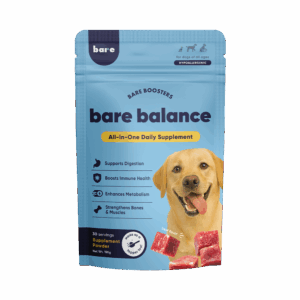
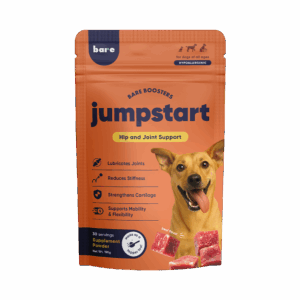
For all-in-one solutions, our Bare Essentials All-in-One Dog Supplement is an excellent choice. Need something specific? Try our Good Gut Dog Supplement for digestive health or Jumpstart Joint Support Dog Supplement for joint care.

General Tips for Freezing Fresh Pet Food

Freezing is one of the best ways to preserve fresh pet food, but there are a few key points to keep in mind:

  • Use Airtight Containers or Freezer Bags: This prevents freezer burn and keeps the food tasting fresh.
  • Label with Dates: Always mark the date you froze the food to keep track of how long it’s been stored.
  • Thaw Safely: Never thaw pet food at room temperature. Instead, defrost it in the refrigerator to prevent bacterial growth.
  • Portion Before Freezing: Freeze food in smaller portions to make thawing and serving more convenient.

Signs of Spoiled Pet Food

Even with proper storage, it’s essential to know the signs of spoiled pet food. If you notice any of the following, discard the food immediately:

  • A sour or rancid smell.
  • Mold or discoloration.
  • A change in texture (e.g., kibble becoming soft or wet food drying out).
  • Your dog refuses to eat it (always trust your pet’s instincts!).

Keep Your Dog’s Food Fresh with Bare Pets

At Bare Pets, we understand the importance of providing your furry family member with fresh, nutritious meals. That’s why we offer a wide range of products, including kibble, wet food, and supplements, to meet your dog’s unique needs.

If you have questions about our products or need help choosing the right options for your pet, don’t hesitate to contact us.

Properly storing, freezing, and handling fresh pet food is crucial for keeping your dog’s meals safe, nutritious, and delicious. By following the tips outlined above, you can ensure your pup gets the quality food they deserve.

Ready to upgrade your dog’s diet? Explore our full range of kibble, wet food, and supplements today. Your pet will thank you for it!

Real dogs deserve real ingredients.

Tags

Best Dog Food in the Philippines: Top Picks and How to Choose

Choosing the right dog food is crucial for your furry friend’s health and happiness. In the Philippines, where options abound, finding the highest-rated dog food can be a daunting task. This guide will help you navigate the best dog food brands available, focusing on kibble, wet food, and supplements to ensure your dog receives the nutrition it deserves.

Understanding Dog Food Options

Before diving into specific products, it’s essential to understand the different types of dog food available in the Philippines:

1. Kibble

Kibble, or dry dog food, is a popular choice among pet owners due to its convenience and long shelf life. It’s great for dental health, as the crunchiness helps reduce plaque buildup. Additionally, kibble is easy to store and can be left out for extended periods without spoiling, making it ideal for busy pet parents.

When choosing kibble, look for options that are high in protein and contain natural ingredients. At Bare Pets, we offer a range of high-quality kibble options, such as the Candidly Fresh Chicken Adult Dog Kibble, which is packed with essential nutrients to keep your dog healthy and active. This kibble includes probiotics to aid digestion and omega fatty acids for a shiny coat.

2. Wet Food

Wet food is often more palatable for dogs and can be an excellent option for those with picky eating habits or dental issues. It typically contains higher moisture content, which can help keep your dog hydrated, especially in the hot and humid climate of the Philippines. Wet food often has a richer aroma and flavor, making it a favorite among many dogs.

Explore our Seriously Beefy Adult Wet Dog Food for a delicious and nutritious meal option that your dog will love. This product is made with real beef, providing a high-protein meal that supports muscle maintenance and overall health.

3. Supplements

Supplements can be a great addition to your dog’s diet, providing essential nutrients that may not be fully covered by regular food. Whether it’s for joint support, skin health, or digestive aid, supplements can help enhance your dog’s overall well-being. They are particularly beneficial for older dogs or those with specific health conditions.

Consider the Bare Essentials All-in-One Dog Supplement for comprehensive nutritional support. This supplement is designed to boost your dog’s immune system, improve coat condition, and support joint health.

How to Choose the Best Dog Food

Selecting the best dog food in the Philippines involves considering several factors:

Nutritional Needs

Every dog has unique nutritional requirements based on their age, size, and activity level. Puppies, for instance, need food rich in protein and fat to support growth, while adult dogs require a balanced diet to maintain their health. Senior dogs may benefit from food with fewer calories and added joint support.

Ingredients

Look for dog food that lists high-quality proteins, like chicken or beef, as the first ingredient. Avoid products with artificial preservatives, colors, and flavors. Foods containing whole grains, fruits, and vegetables are often more nutritious, providing essential vitamins and antioxidants that support overall health.

Brand Reputation

Select dog food brands recognized for their high-quality and stringent safety standards. At Bare Pets, we ensure all our products meet strict quality checks to provide only the best for your pets. Our products are carefully crafted and rigorously tested for safety and efficacy, providing you with peace of mind.

Special Dietary Needs

If your dog has specific health concerns, such as allergies or digestive issues, consider specialized diets. Our Candidly Fresh Lamb Hypoallergenic Adult Dog Kibble is formulated to cater to dogs with sensitive stomachs. This kibble is free from common allergens and provides a balanced diet to support your dog’s health.

Top Picks for Dog Food in the Philippines

Here are some of our top picks for dog food categories available at Bare Pets:

Tips for Transitioning to New Dog Food

Changing your dog’s diet should be done gradually to avoid digestive upset. Here are some tips to help ease the transition:

  • Gradual Introduction: Start by mixing a small amount of the new food with your dog’s current food. Gradually increase the proportion of new food over 7-10 days.
  • Monitor Your Dog’s Reaction: Observe your dog for any adverse reactions, such as vomiting or diarrhea. If you notice any issues, slow down the transition process.
  • Stick to a Schedule: Feed your dog at the exact times each day to establish a routine. Consistent feeding schedules help regulate digestion and prevent overeating.
  • Provide Plenty of Water: Ensure your dog has access to fresh water at all times, especially when transitioning to new food, to aid digestion and hydration.

Choosing the best dog food in the Philippines doesn’t have to be overwhelming. By focusing on your dog’s specific needs and preferences, you can find the perfect kibble, wet food, or supplement to keep them healthy and happy. Explore our wide range of products at Bare and give your pet the nutrition they deserve.

Need assistance or have questions about our products? Contact us today, and our friendly team will be happy to help!

Real dogs deserve real ingredients.

Tags

Case Study: Successful Dog Food Distribution Businesses and Their Strategies

In the competitive world of pet food distribution, understanding what makes certain businesses thrive can provide invaluable insights for those looking to enter or expand in this market. 

At Bare Pets, we specialize in exporting high-quality wet food, dry food, supplements, and our viral pet hair remover to countries worldwide, adhering to strict international manufacturing guidelines and proudly avoiding production in China.

This article examines the success stories of dog food distributors and effective pet food distribution strategies that have contributed to significant growth and market presence. Whether you’re an established distributor of FMCG goods or considering venturing into dog food distribution, these case studies offer practical lessons and inspiration.

Embracing Innovation in Product Offerings

1. Diversification and Specialization

One successful strategy involves diversifying product offerings while maintaining a specialized focus. Distributors who focus on niche markets, such as hypoallergenic or breed-specific dog foods, often find success in meeting the unique needs of consumers. Our Candidly Fresh Lamb Hypoallergenic Adult Dog Kibble exemplifies this approach by catering to dogs with specific dietary requirements.

2. Introducing Innovative Products

Successful distributors often introduce innovative products that capture the interest of consumers. For example, our Seriously Beefy Adult Wet Dog Food provides a high-quality, flavorful option that appeals to discerning pet owners.

Building Strong Distribution Networks

1. Strategic Partnerships

Forming strategic partnerships with manufacturers and retailers is crucial for success. Distributors who align with reputable suppliers and establish robust distribution channels can enhance their market reach and reliability. At Bare Pets, we offer comprehensive distribution opportunities, ensuring our partners receive consistent support and access to premium products.

2. Effective Logistics Management

Efficient logistics management is a cornerstone of successful distribution. By optimizing shipping processes and inventory management, distributors can reduce costs and improve delivery times, leading to higher customer satisfaction and retention.

Leveraging Technology and Data

1. Utilizing Data Analytics

Successful distributors leverage data analytics to gain insights into consumer behavior and market trends. This information helps refine product offerings and marketing strategies, ensuring alignment with consumer preferences.

2. Adopting E-commerce Solutions

The rise of e-commerce has transformed distribution strategies, enabling businesses to reach a broader audience. Distributors who invest in online platforms and digital marketing can significantly boost their visibility and sales.

Commitment to Quality and Ethics

1. Quality Assurance Practices

Maintaining high-quality standards is essential for building trust and loyalty among consumers. Distributors who prioritize quality assurance and adhere to strict guidelines, like those at Bare Pets, can differentiate themselves in the market.

2. Ethical Manufacturing and Sourcing

Ethical practices in manufacturing and sourcing resonate with consumers who value transparency and sustainability. Our commitment to not producing in China and adhering to international guidelines ensures that our products meet these expectations.

By examining these dog food distributor success stories and pet food business case studies, distributors can identify effective strategies for growth and innovation. At Bare Pets, we are dedicated to supporting distributors with premium products and global export capabilities.

For inquiries about distribution opportunities, our price list, or product range, please contact us at hello@barepets.com or visit our contact page. Let’s collaborate to bring exceptional pet products to customers worldwide.

Real dogs deserve real ingredients.

Tags

Trends in Dog Food Distribution: What to Expect in the Coming Years

As the pet food industry continues to evolve, understanding dog food distribution trends is crucial for distributors looking to stay ahead. 

At Bare Pets, we are committed to providing high-quality pet products, including wet food, dry food, supplements, and our innovative pet hair remover, all of which are available for global export. Our dedication to adhering to strict international manufacturing guidelines and avoiding production in China ensures that our products meet the highest standards.

In this article, we delve into the emerging trends and pet food market analysis that will shape the future of dog food wholesale. Whether you’re already in the distribution business or considering entering this lucrative market, these insights will help you navigate the changes and opportunities ahead.

Rise of Premium and Customized Pet Foods

1. Increasing Demand for Premium Ingredients

Pet owners are becoming more discerning, seeking high-quality, nutritious options for their furry companions. This trend is driving demand for premium dog foods that feature natural, organic, and hypoallergenic ingredients. Our Candidly Fresh Lamb Hypoallergenic Adult Dog Kibble is an excellent example of meeting this demand, thanks to its carefully selected ingredients.

2. Personalized Nutrition Solutions

Customization is becoming a significant trend, with pet owners opting for tailored nutrition plans that cater to specific dietary needs. Distributors should consider offering products that allow personalization, such as custom kibble blends or specialized dietary supplements.

Sustainability and Ethical Practices

1. Eco-Friendly Packaging

Sustainability is at the forefront of consumer concerns, prompting manufacturers to adopt eco-friendly packaging solutions. Distributors can capitalize on this trend by prioritizing suppliers who use recyclable or biodegradable materials.

2. Ethical Sourcing and Manufacturing

Consumers are increasingly interested in where their pet food comes from and how it’s made. At Bare Pets, our commitment to not producing in China and following strict international manufacturing guidelines ensures ethical practices that resonate with conscientious buyers.

Technological Advancements in Distribution

1. Automation and AI

The integration of automation and artificial intelligence in distribution processes is revolutionizing the industry. These technologies enhance efficiency, reduce costs, and improve inventory management, making them invaluable for distributors aiming to optimize operations.

2. Data-Driven Insights

Utilizing data analytics enables distributors to gain valuable insights into market trends, consumer preferences, and sales performance. This information can inform strategic decisions, allowing the businesses to adapt to changing demands and identify new opportunities.

Global Expansion Opportunities

1. Emerging Markets

The global pet food market is expanding, with emerging markets offering new opportunities for growth. Distributors should explore international partnerships and export opportunities to tap into these markets, leveraging products like our Seriously Beefy Adult Wet Dog Food, which appeals to diverse consumer needs.

2. Cross-Border E-commerce

E-commerce platforms are facilitating cross-border sales, allowing distributors to reach a broader audience. Establishing a strong online presence and optimizing logistics for international shipping can significantly boost sales and market reach.

Understanding these dog food distribution trends and conducting thorough pet food market analysis will equip distributors to anticipate changes and seize opportunities in the coming years. 

At Bare Pets, we are dedicated to supporting distributors with high-quality products and global export capabilities.

For inquiries about distribution opportunities, our price list, or product range, please contact us at hello@barepets.com or visit our contact page. Let’s collaborate to bring premium pet products to customers worldwide.

Real dogs deserve real ingredients.

Tags

Licensing and Regulations for Dog Food Distributors

Entering the dog food distribution market can be an exciting venture, especially given the growing demand for high-quality pet products. However, understanding the licensing and regulations involved is crucial to ensure compliance and operational success. 

At Bare Pets, we are committed to helping distributors navigate these requirements with ease, thanks to our adherence to strict international manufacturing guidelines and ability to export globally.

Whether you’re already distributing FMCG goods or looking to expand into pet food, this guide will help you understand the dog food distribution regulations, the pet food distributor license process, and wholesale pet food compliance.

Understanding Dog Food Distribution Regulations

Dog food distribution regulations vary by region, but they generally focus on ensuring product safety, quality, and accurate labeling. Here are key considerations:

1. Product Safety Standards

Ensuring product safety is paramount. Distributors must comply with regulations that govern the manufacturing, packaging, and storage of dog food. At Bare Pets, our products, such as Candidly Fresh Chicken Adult Dog Kibble, are produced under strict guidelines that prioritize safety and quality, offering peace of mind to both distributors and consumers.

2. Labeling Requirements

Accurate labeling is essential for compliance. Labels must provide clear information about ingredients, nutritional content, and any potential allergens. As a distributor, ensuring that your products meet these requirements is crucial. 

Our products, like Cluckin’ Good Adult Wet Dog Food, are designed to meet labeling standards, simplifying compliance for distributors.

3. Import/Export Regulations

If you’re distributing dog food internationally, understanding import and export regulations is vital. These regulations can include tariffs, documentation, and product standards specific to each country. 

At Bare Pets, we offer global export capabilities, ensuring that our products comply with international standards and are proudly not produced in China.

Obtaining a Pet Food Distributor License

Securing a pet food distributor license is a critical step in establishing your business. Here’s what you need to know:

1. Application Process

The application process for a pet food distributor license varies by region. It typically involves submitting detailed information about your business, including ownership details, operational plans, and compliance strategies. Ensuring that your application is thorough and accurate can expedite the approval process.

2. Compliance Documentation

To obtain a license, distributors must provide documentation that demonstrates compliance with local and international regulations. This may include safety standards, labeling practices, and quality assurance measures. Partnering with a reliable supplier like Bare Pets, which follows strict international manufacturing guidelines, can streamline this process.

3. Renewal and Updates

Licenses often require periodic renewal and updates to ensure ongoing compliance with regulations. Staying informed about regulatory changes and maintaining accurate records is essential for uninterrupted operations.

Ensuring Wholesale Pet Food Compliance

Compliance is an ongoing process that involves adhering to regulations throughout the distribution chain. Here are key strategies:

1. Regular Audits and Inspections

Conducting regular audits and inspections can help ensure compliance with safety and quality standards. This proactive approach allows distributors to identify and address issues before they become problematic.

2. Training and Education

Providing training and education for staff involved in distribution can enhance compliance efforts. Understanding regulations and best practices ensures that everyone in the supply chain is aligned with compliance goals.

3. Partnering with Trusted Suppliers

Partnering with trusted suppliers, such as Bare Pets, can simplify compliance. Our products, including Candidly Fresh Beef Adult Dog Kibble and The Bare Brush, are manufactured to meet high standards, supporting distributors in maintaining compliance with these standards.

Navigating the licensing and regulations for dog food distributors requires diligence and a commitment to compliance. By understanding the requirements and partnering with reliable suppliers, distributors can successfully enter the pet food market and capitalize on its growth potential.

At Bare Pets, we are dedicated to supporting distributors with high-quality dog food, supplements, and pet care products. Our commitment to quality and global export capabilities makes us the ideal partner for your distribution business.

For inquiries about distribution opportunities, our price list, or our product range, please contact us at hello@barepets.com or visit our contact page. Let’s work together to bring premium pet products to customers worldwide.

Real dogs deserve real ingredients.

Tags

The Pros and Cons of Becoming a Dog Food Distributor

The pet industry is thriving, with increasing demand for high-quality dog food and pet care products. For entrepreneurs and FMCG distributors, becoming a dog food distributor presents an exciting opportunity. However, like any business venture, it comes with its own set of benefits and challenges. 

At Bare Pets, we help distributors navigate the complexities of the pet food market with premium products and global export capabilities.

If you’re considering entering this space, understanding the benefits of dog food distribution, pet food resale opportunities, and the pros and cons of wholesale dog food is essential. Let’s dive into the details.

Dog Food Distributor Benefits

Becoming a dog food distributor offers a range of advantages, especially in today’s pet-focused economy. Here are some key benefits:

1. Growing Market Demand

The global pet care industry is expanding rapidly, with dog food being one of the most in-demand segments of the market. Pet owners are increasingly prioritizing premium, nutritious food options for their furry companions. This presents a lucrative opportunity for distributors to cater to this growing demand by offering high-quality options, such as our Candidly Fresh Lamb Hypoallergenic Adult Dog Kibble or Seriously Beefy Adult Wet Dog Food.

2. Diverse Product Offerings

As a dog food distributor, you can provide a wide variety of products, from dry kibble to wet food and even supplements. At Bare Pets, we offer a diverse product range, including Cluckin’ Good Puppy Wet Dog Food and innovative pet care tools like The Bare Brush. This diversity enables you to meet the needs of different customer segments and increase your market reach.

3. High Profit Margins

Wholesale dog food distribution often comes with attractive profit margins. By purchasing products like our Candidly Fresh Beef Small Breed kibble in bulk, distributors can maximize their earnings while offering competitive pricing to retailers.

4. Global Export Opportunities

At Bare Pets, we support distributors with global export capabilities, enabling you to tap into international markets. Whether you’re distributing in your local region or looking to expand globally, our products are manufactured under strict international guidelines. They are proudly not produced in China, ensuring quality and safety.

Challenges of Becoming a Dog Food Distributor

While there are numerous benefits, it’s also important to consider the challenges. Here are some potential hurdles to consider:

1. Logistics and Storage

Managing the logistics of transporting and storing wholesale dog food can be a complex process. Products like wet food require proper storage conditions to maintain freshness and quality. Efficient inventory management and reliable transportation networks are critical to overcoming this challenge.

2. Market Competition

The pet food industry is competitive, with many established players vying for market share. To stand out, you’ll need to focus on offering premium products and exceptional service. At Bare Pets, we help our distributors differentiate themselves by providing high-quality products, such as Candidly Fresh Chicken Adult Dog Kibble, which meet the nutritional needs of pets.

3. Regulatory Compliance

Different regions have specific regulations governing the distribution of pet food. As a distributor, you’ll need to ensure compliance with these regulations, including labeling, safety standards, and import/export requirements. Partnering with a reputable supplier like Bare Pets, which adheres to strict international manufacturing guidelines, can simplify this process.

4. Initial Investment

Starting a dog food distribution business requires upfront investment in inventory, storage facilities, and logistics. However, with a well-structured business plan and strategic sourcing, you can recoup these costs and achieve profitability.

Pet Food Resale Opportunities

Despite the challenges, the pet food resale market offers tremendous potential for growth. By aligning with a trusted supplier like Bare Pets, you can capitalize on these opportunities:

  • Retail Partnerships: Build strong relationships with pet stores, online retailers, and other outlets to expand your distribution network.
  • Niche Markets: Cater to specific customer needs, such as hypoallergenic or breed-specific dog food, by offering products like our Candidly Fresh Beef Adult Dog Kibble.
  • Supplementary Products: Diversify your offerings with pet care items, such as The Bare Brush, which complements your dog food inventory and increases revenue streams.

Is Becoming a Dog Food Distributor Right for You?

Deciding to become a dog food distributor requires careful consideration of both the benefits and challenges. With the right strategy, quality products, and reliable partners, you can establish a successful business in this thriving industry.

At Bare Pets, we are dedicated to supporting distributors with premium dog food, supplements, and pet care products. Our global export capabilities and commitment to quality make us the ideal partner for your distribution business.

For inquiries about distribution opportunities, our price list, or our product range, please contact us at hello@barepets.com or visit our contact page. Let’s work together to bring high-quality pet products to customers worldwide.

Real dogs deserve real ingredients.

Tags

Starting a Pet Food Distribution Business: What You Need to Know

The pet industry is booming, and starting a pet food distribution business can be a lucrative venture for those looking to enter this thriving market. At Bare Pets, we understand the intricacies of the pet food supply chain and are here to guide you through the process of becoming a successful distributor. 

Whether you’re interested in bulk dog food or exploring our diverse product range, this guide will provide you with essential insights into the requirements of a dog food distributor and the development of a robust pet food business plan.

Understanding the Pet Food Distribution Market

Entering the pet food distribution market requires a clear understanding of industry trends and consumer preferences. As pet owners increasingly prioritize quality and nutrition, the demand for premium dog food products continues to grow. This trend presents an excellent opportunity for distributors to offer high-quality options, such as our Candidly Fresh Chicken Adult Dog Kibble and Cluckin’ Good Puppy Wet Dog Food.

Key Steps to Start a Pet Food Distribution Business

1. Develop a Comprehensive Pet Food Business Plan

A well-thought-out pet food business plan is crucial for success. This plan should outline your business goals, target market, and strategies for reaching potential customers. Consider factors such as initial investment, operational costs, and expected revenue. 

Additionally, identify key suppliers and products, like Bare Pets’ extensive range of wet and dry dog food, to ensure a diverse and appealing inventory.

2. Understand Dog Food Distributor Requirements

To become a dog food distributor, you must meet specific requirements that vary by region. These may include obtaining necessary licenses and permits, adhering to health and safety regulations, and ensuring compliance with local and international standards and regulations. 

At Bare Pets, we adhere to strict international manufacturing guidelines, providing peace of mind for distributors who partner with us.

3. Source High-Quality Products

Sourcing high-quality dog food products is essential for building a reputable distribution business. At Bare Pets, we offer a wide range of premium products, including Candidly Fresh Lamb Hypoallergenic Adult Dog Kibble and Seriously Beefy Adult Wet Dog Food, crafted to meet the nutritional needs of pets. Our commitment to not producing in China ensures that our products meet the highest quality standards.

4. Establish Efficient Logistics and Supply Chain Management

Effective logistics and supply chain management are critical to maintaining a steady flow of products to your clients. Consider factors such as storage, transportation, and inventory management to optimize your operations. Bare Pets’ global export capabilities allow us to deliver products efficiently, supporting your distribution efforts with reliable logistics solutions.

5. Build Strong Relationships with Retailers

Building strong relationships with retailers is vital for expanding your distribution network. Offer competitive pricing, reliable delivery schedules, and exceptional customer service to foster long-term partnerships. 

By providing retailers with access to high-demand products, such as our Cluckin’ Good Adult Wet Dog Food, and innovative pet care items like the Bare Brush, you can enhance your value proposition.

Partnering with Bare Pets

Starting a pet food distribution business requires careful planning, strategic sourcing, and efficient logistics. 

At Bare Pets, we are committed to supporting distributors with high-quality products and reliable service. Our diverse range of dog food, supplements, and pet care products is designed to meet the needs of discerning pet owners and retailers alike.

For those interested in exploring distribution opportunities, please contact us at hello@barepets.com or visit our contact page for more information about our price list and product range. 

Partner with Bare Pets to access premium products and comprehensive support, ensuring your success in the pet food distribution market.

Real dogs deserve real ingredients.

Tags

Understanding the Dog Food Supply Chain: From Manufacturer to Retailer

Navigating the dog food supply chain is crucial for distributors seeking to capitalize on the rapidly growing pet industry. At Bare Pets, we take pride in our comprehensive understanding of this process, ensuring that our high-quality products reach retailers efficiently and effectively. 

If you’re a distributor of FMCG goods or considering entering the dog food market, this guide will provide valuable insights into the pet food distribution process, dog food logistics, and the role of wholesale pet food suppliers.

The Dog Food Supply Chain: An Overview

The dog food supply chain encompasses several stages, from manufacturing to retail. Each step is vital to ensuring that the final product maintains its quality and meets consumer expectations. Here’s a closer look at each stage:

1. Manufacturing

The journey begins at the manufacturing stage, where dog food is produced in accordance with strict international guidelines. At Bare Pets, we ensure that our products, such as Candidly Fresh Chicken Adult Dog Kibble and Cluckin’ Good Puppy Wet Dog Food, are crafted with high-quality ingredients to meet the nutritional needs of pets. Our commitment to not producing in China underscores our dedication to quality and safety.

2. Packaging and Quality Control

Once manufactured, the dog food undergoes rigorous quality control checks to ensure it meets our high standards. Packaging plays a crucial role in preserving the freshness and integrity of the product during transit. At Bare Pets, we use packaging solutions that protect our products, such as Seriously Beefy Adult Wet Dog Food, from environmental factors.

3. Distribution and Logistics

The pet food distribution process involves transporting products from manufacturers to various distribution centers. Efficient dog food logistics are crucial for minimizing delays and reducing costs. Our global export capabilities allow us to supply wholesale pet food to distributors worldwide, ensuring timely delivery. 

Whether it’s our dry kibble, such as Candidly Fresh Lamb Hypoallergenic Adult Dog Kibble, or innovative pet care products like the Bare Brush, we handle logistics with precision.

4. Wholesale and Retail

Wholesale pet food suppliers play a pivotal role in bridging the gap between manufacturers and retailers. They ensure that retailers have access to a steady supply of products to meet consumer demand. 

At Bare Pets, we work closely with distributors to offer a diverse range of products, from Candidly Fresh Beef Small Breed kibble to Cluckin’ Good Adult Wet Dog Food, tailored to various market needs.

5. Retail and Consumer

The final stage of the supply chain is the retail environment, where consumers purchase the dog food. Retailers rely on the efficiency of the supply chain to stock their shelves with high-quality products. By partnering with Bare Pets, retailers can offer their customers premium dog food options that cater to health-conscious pet owners.

Partnering with Bare Pets

Understanding the dog food supply chain is essential for distributors aiming to succeed in the competitive pet food market. At Bare Pets, we are dedicated to delivering top-tier products and seamless logistics to support your distribution needs. Our extensive range of wet and dry dog food, supplements, and pet care products is designed to meet the needs of both retailers and consumers.

If you’re interested in exploring distribution opportunities with Bare Pets, please contact us at hello@barepets.com or visit our contact page for more information. Our team is ready to assist you with inquiries about our price list and product range.

By choosing Bare Pets as your wholesale pet food supplier, you gain access to a reliable partner dedicated to quality and innovation, ensuring your success in the dog food distribution market.

Real dogs deserve real ingredients.

Tags
grab a Barepets bare
Close
doggy bowl
Your cart is emptyReturn to Shop
Apply Coupon
Available Coupons
bareparent20 Get 20% off New customers can avail 20% off their first order.