Quantcast
Logo of Bare Pets

How to Become a Dog Food Distributor: A Step-by-Step Guide

In today’s thriving pet industry, becoming a dog food distributor offers a lucrative opportunity to tap into a growing market. Whether you’re an FMCG goods distributor or looking to expand into the pet food sector, this guide will walk you through the essential steps to establish a successful dog food distribution business. 

At Bare, we offer a range of wet and dry dog foods, supplements, and innovative pet care products, all manufactured under strict international guidelines and proudly not produced in China. Let’s dive into the steps to become a dog food distributor.

Understanding the Dog Food Distribution Business

Before embarking on your journey, it’s crucial to understand the dynamics of the dog food distribution business. This involves recognizing the demand for high-quality pet food, identifying potential markets, and understanding the logistical requirements of distributing pet food globally. As a distributor, you’ll be responsible for sourcing products, managing inventory, and establishing relationships with retailers.

Step-by-Step Guide to Becoming a Dog Food Distributor

Step 1: Research the Market and Identify Your Niche

The first step in becoming a dog food distributor is conducting thorough market research. Identify trends in the pet food industry, such as the growing demand for hypoallergenic and organic dog food options. Bare offers products like Candidly Fresh Chicken Adult Dog Kibble and Cluckin’ Good Puppy Wet Dog Food that cater to these niches.

Step 2: Establish Your Business Structure

Decide on the business structure that best suits your needs, whether it’s a sole proprietorship, partnership, or corporation. Register your business, obtain necessary licenses, and ensure compliance with local regulations. This step is crucial for building credibility and trust with suppliers and retailers.

Step 3: Source High-Quality Products

Partnering with reliable pet food suppliers is key to your success. At Bare, we offer a diverse range of dog food products, including Seriously Beefy Adult Wet Dog Food and Candidly Fresh Lamb Hypoallergenic Adult Dog Kibble. Our products are manufactured in accordance with strict international guidelines, ensuring quality and safety.

Step 4: Develop a Distribution Strategy

Design an effective distribution strategy that covers logistics, warehousing, and transportation. Consider factors such as shipping costs, delivery times, and inventory management. Establishing a robust distribution network will help you efficiently supply retailers and meet customer demands.

Step 5: Build Relationships with Retailers

Networking and building strong relationships with retailers are essential for growing your business. Offer competitive pricing, reliable delivery, and exceptional customer service to stand out in the market. Encourage retailers to explore our shop for a comprehensive range of pet food products.

Step 6: Market Your Business

Implement marketing strategies to promote your dog food distribution business. Utilize online platforms, social media, and trade shows to reach potential clients. Highlight your unique selling points, such as Bare’s commitment to quality and non-China production.

Step 7: Monitor Performance and Adapt

Regularly assess your business performance and adapt to changing market conditions. Utilize analytics to monitor sales, detect trends, and refine your distribution strategy. Stay informed about industry developments and continuously improve your offerings.

Embarking on the journey to become a dog food distributor requires dedication, research, and strategic planning. By following these steps and partnering with trusted suppliers like Bare, you can establish a successful dog food distribution business. 

For inquiries about our product range or to discuss distribution opportunities, please contact us at hello@barepets.com. 

Explore our contact page for more information.

Interested in distributing our high-quality dog food products? Contact us at hello@barepets.com for our price list and product range. 

By leveraging the insights provided in this guide, you can confidently navigate the path to becoming a dog food distributor, tapping into a market filled with potential. 

With Bare as your partner, you can offer top-tier products that meet the needs of discerning pet owners worldwide.


Real dogs deserve real ingredients.

Tags

Dog Anxiety & Calming Solutions: How to Help Your Anxious Pup

Does your dog struggle with anxiety? From trembling during thunderstorms to pacing when left alone, anxiety in dogs is a common issue that can affect their quality of life. Fortunately, there are effective solutions to help your furry friend feel more relaxed and secure.

In this guide, we’ll dive into the causes of anxiety in dogs, explore dog stress relief techniques, and highlight the best calming treats for dogs and other calming supplements for anxious dogs.

Understanding Dog Anxiety

Dog anxiety can stem from various causes, and understanding the root of the problem is the first step in addressing it. Here are some common types of anxiety in dogs:

1. Separation Anxiety

One of the most common forms of anxiety in dogs, separation anxiety occurs when dogs become distressed when left alone. Signs include barking, destructive behavior, and excessive pacing.

2. Noise Sensitivity

Loud noises like thunderstorms, fireworks, or even vacuum cleaners can trigger anxiety in some dogs. Signs include trembling, hiding, or whining.

3. Fear of New Environments or People

Some dogs feel anxious in unfamiliar settings or around strangers, leading to avoidance behaviors or excessive barking.

4. Generalized Anxiety

Certain dogs may have a naturally anxious temperament, displaying nervousness in various situations without an obvious trigger.

By identifying the type of anxiety your dog is experiencing, you can tailor the best approach to help them feel calm and safe.

Signs Your Dog May Be Anxious

Not sure if your dog is dealing with anxiety? Here are some common signs to watch for:

  • Excessive barking or whining
  • Trembling or shaking
  • Pacing or restlessness
  • Destructive behaviors like chewing furniture
  • Excessive licking or grooming
  • Hiding or avoiding certain areas of the house
  • Changes in appetite or sleep patterns

If your dog exhibits these behaviors frequently, it’s time to explore solutions for dog stress relief.

Best Calming Solutions for Anxious Dogs

Helping an anxious dog involves a combination of behavioral techniques, environmental changes, and supplements designed to promote relaxation. Here are some effective solutions:

1. Best Calming Treats for Dogs

Treats infused with calming ingredients like chamomile, melatonin, and L-theanine can help reduce anxiety in dogs. These treats are easy to administer and provide a tasty way to soothe your pup.

  • How They Work: Calming treats contain natural ingredients that promote relaxation without causing drowsiness.
  • When to Use Them: Use calming treats during stressful events like car rides, vet visits, or thunderstorms.

Check out the selection of calming treats available in our BarePets shop to find the perfect option for your dog.

2. Calming Supplements for Anxious Dogs

Supplements come in various forms, including chews, capsules, and powders. These products are designed to provide long-term support for dogs with chronic anxiety.

  • Key Ingredients to Look For:
    • CBD: Known for its calming properties, CBD can help reduce stress and anxiety.
    • L-Theanine: An amino acid that promotes relaxation without sedation.
    • Valerian Root: A natural herb used to calm the nervous system.
    • Melatonin: Helps regulate sleep and reduce anxiety in stressful situations.

3. Comfortable Environment

Creating a safe, cozy space for your dog can significantly reduce their stress levels. Use calming music, dim lighting, and a quiet area where your dog can retreat during stressful moments.

4. Behavioral Training

Training techniques like desensitization and counterconditioning can help dogs overcome their fears. For example, gradually exposing your dog to a trigger (like the sound of fireworks) in a controlled way can help them become less reactive over time.

5. Interactive Toys and Puzzles

Mental stimulation through toys and puzzles can distract your dog from their anxiety and provide a healthy outlet for their energy.

Anti-Anxiety Treats vs. Supplements: Which Is Best?

Both anti-anxiety treats and supplements can be effective, but the choice depends on your dog’s specific needs:

  • Anti-Anxiety Treats: Ideal for short-term relief during specific events like car rides or vet visits. Treats are quick-acting and easy to use.
  • Calming Supplements: Better suited for dogs with chronic anxiety or generalized nervousness. Supplements provide ongoing support and often have a cumulative effect over time.

For a comprehensive solution, you can combine both treats and supplements, ensuring your dog gets the benefits of short-term and long-term relief.

Real-Life Example: How Calming Solutions Helped Max

Max, a five-year-old Golden Retriever, struggled with separation anxiety whenever his owner left for work. After introducing calming supplements for anxious dogs with L-theanine and using anti-anxiety treats before leaving the house, Max’s anxiety symptoms improved significantly. His owner also created a cozy corner with his favorite blanket and toys, helping Max feel secure.

This example shows how a combination of dietary and environmental adjustments can make a big difference for anxious dogs.

Tips for Using Calming Products Effectively

To get the most out of dog stress relief products, follow these tips:

  • Start Small: Introduce new treats or supplements gradually to ensure your dog tolerates them well.
  • Follow Dosage Instructions: Always adhere to the recommended dosage based on your dog’s weight and size.
  • Be Consistent: For chronic anxiety, use supplements consistently to allow time for their effects to build.
  • Pair with Behavioral Training: Supplements and treats work best when combined with training techniques to address the root cause of anxiety.

Looking for high-quality, natural calming products? Explore the options in our BarePets shop.

When to Consult Your Vet

While most anxiety solutions are safe and effective, some cases may require professional intervention. Consult your vet if:

  • Your dog’s anxiety symptoms are severe or worsening.
  • You’re unsure which calming products are safe for your dog.
  • Your dog has underlying health conditions that could be contributing to their anxiety.

Final Thoughts: Helping Your Dog Stay Calm and Happy

Dog anxiety can be challenging, but with the right approach, you can help your furry friend feel more at ease. From the best calming treats for dogs to long-term calming supplements for anxious dogs, there are plenty of options to support your pup’s emotional well-being.

Ready to help your dog find relief? Visit our BarePets shop to explore calming treats, food, and more.

Need more guidance?

Check out additional resources on BarePets or reach out to our team for personalized advice on managing your dog’s anxiety.

Real dogs deserve real ingredients.

Tags

Dog Training for Obedience: How to Train Adult Dogs

Training isn’t just for puppies—adult dogs can also benefit from learning new skills, improving their behavior, and strengthening their bond with you. Whether you’ve recently adopted an adult dog or are looking to address specific behavioral issues, obedience training for dogs is a powerful way to create a harmonious relationship with your furry friend.

In this guide, we’ll explore how to train adult dogs, effective dog training methods, and actionable tips for behavior training for adult dogs.

Why Train an Adult Dog?

Many pet parents assume that training is only for puppies, but adult dogs are just as capable of learning. In fact, adult dogs often have longer attention spans and a greater ability to focus compared to puppies.

Here’s why training your adult dog is essential:

  • Improved Behavior: Address issues like jumping, barking, or leash pulling.
  • Safety: Commands like “stay” or “come” can prevent accidents.
  • Mental Stimulation: Training exercises keep your dog mentally engaged and prevent boredom.
  • Stronger Bond: Training builds trust and communication between you and your dog.

No matter your dog’s age, it’s never too late to start training!

Dog Training Methods for Adult Dogs

When it comes to dog training methods, consistency, patience, and positive reinforcement are key. Here are some proven techniques to help you get started:

1. Positive Reinforcement

Positive reinforcement is one of the most effective and humane training methods. Reward your dog with treats, praise, or toys when they perform a desired behavior. This encourages them to repeat the behavior in the future.

  • Example: When your dog sits on command, immediately reward them with a treat and say, “Good job!”
  • Tip: Use high-value treats, such as kibble or wet food from our BarePets shop, to keep your dog motivated.

2. Clicker Training

Clicker training uses a small device that makes a clicking sound to mark the exact moment your dog performs a desired behavior. This method helps your dog understand which actions earn rewards.

  • How it works: Click the device as soon as your dog performs the behavior, then follow up with a treat.

3. Modeling and Shaping

If your dog doesn’t naturally perform a behavior, you can guide them using modeling or shaping. For example, gently guide your dog into a sitting position, then reward them. Over time, they’ll associate the action with the command.

4. Consistency is Key

Use the same commands and signals every time you train. This helps your dog understand what’s expected of them.

5. Short Training Sessions

Keep training sessions short and focused—around 5-10 minutes per session. This prevents your dog from becoming bored or overwhelmed.

Obedience Training for Dogs: Essential Commands

Teaching basic obedience commands is the foundation of behavior training for adult dogs. Here are some essential commands to start with:

1. Sit

  • Why it’s important: Sitting is a basic command that helps your dog stay calm and focused.
  • How to teach it: Hold a treat above your dog’s head and slowly move it back. As their head follows the treat, their bottom will naturally lower. Once they sit, say “sit” and reward them.

2. Stay

  • Why it’s important: The “stay” command keeps your dog in place, which is useful in potentially dangerous situations.
  • How to teach it: Ask your dog to sit, then hold your palm out and say “Stay.” Take a step back, and if they remain in place, reward them. Gradually increase the distance and duration.

3. Come

  • Why it’s important: This command can prevent your dog from running into dangerous situations.
  • How to teach it: Use a cheerful tone to say “come” and reward your dog when they approach you. Practice in a safe, enclosed area.

4. Leave It

  • Why it’s important: This command prevents your dog from picking up harmful or inappropriate items.
  • How to teach it: Hold a treat in your hand and say “leave it.” When your dog stops trying to get the treat, reward them with a different treat.

Behavior Training for Adult Dogs

In addition to obedience commands, you may need to address specific behavioral issues. Here are some common challenges and solutions:

1. Leash Pulling

If your dog pulls on the leash during walks, stop walking as soon as they start pulling. Wait until the leash is slack, then resume walking. Reward them for walking calmly by your side.

2. Jumping on People

Teach your dog to greet people politely by asking them to sit when someone approaches. Reward them for staying seated.

3. Excessive Barking

Identify the cause of the barking (e.g., boredom, anxiety, or excitement) and address it. Teaching the “quiet” command can also be helpful.

4. Separation Anxiety

Gradually desensitize your dog to being alone by leaving for short periods and gradually increasing the time. Provide interactive toys or puzzle feeders to keep them occupied.

Real-Life Example: How Training Helped Daisy

Daisy, a four-year-old rescue dog, struggled with leash pulling and jumping on guests. Her owner implemented positive reinforcement training and practiced the “sit” and “stay” commands daily. Within a few weeks, Daisy’s behavior improved significantly, and she became more relaxed and well-mannered.

This shows that with patience and the right dog training methods, even adult dogs can learn new behaviors and thrive.

Using Food as a Training Tool

Food is a powerful motivator for dogs, making it an excellent tool for training. Here’s how to use food effectively:

  • High-Value Treats: Use small, bite-sized treats that your dog loves. Kibble or wet food from our BarePets shop can work well.
  • Timing is Crucial: Reward your dog immediately after they perform the desired behavior to reinforce the connection.
  • Gradual Fading: Over time, reduce the frequency of treats and replace them with verbal praise or petting.

Final Thoughts: How to Train Adult Dogs Successfully

Training an adult dog may require patience, but the rewards are well worth the effort. By using consistent dog training methods, teaching essential commands, and addressing behavioral issues, you can help your dog become a well-behaved and happy companion.

Ready to enhance your dog’s training routine? Visit our BarePets shop for high-quality food and treats that make excellent training rewards.

Need more advice?

Check out additional resources on BarePets or reach out to our team for personalized training tips. Explore our BarePets shop today to find the perfect treats to support your dog’s obedience training journey!

Real dogs deserve real ingredients.

Tags

Senior Dog Care & Nutrition: Choosing the Best Food for Aging Dogs

As your dog enters their golden years, their needs begin to change—both in terms of care and nutrition. Just like humans, senior dogs may face age-related challenges such as reduced energy levels, joint discomfort, and changes in digestion. Providing the best dog food for senior dogs and tailoring their care routine can help them stay happy, healthy, and active well into their later years.

In this guide, we’ll explore the essentials of senior dog nutrition, how to choose the right food for aging dogs, and tips for creating the healthiest diet for old dogs.

Why Senior Dogs Have Unique Nutritional Needs

Senior dogs often experience changes in their metabolism, activity levels, and overall health. These changes can lead to specific nutritional requirements, such as:

  • Lower Calorie Needs: Aging dogs are typically less active, so they require fewer calories to maintain a healthy weight.
  • Joint and Mobility Support: Ingredients like glucosamine and omega-3 fatty acids help support joint health.
  • Digestive Health: Senior dogs may have sensitive stomachs or trouble digesting certain foods, making fiber and probiotics essential.
  • Immune Support: Antioxidants like vitamins C and E help bolster their immune system.

Understanding these needs is key to choosing the right food for aging dogs.

What to Look for in the Best Dog Food for Senior Dogs

When selecting the best dog food for senior dogs, keep an eye out for these key features:

1. High-Quality Protein

Protein is essential for maintaining muscle mass, which naturally declines as dogs age. Look for food with high-quality animal protein, like chicken, beef, or fish, as the first ingredient.

2. Controlled Calories and Fat

Senior dogs often need fewer calories to prevent weight gain. A balanced diet with moderate fat content can help maintain a healthy weight.

3. Joint-Supporting Ingredients

Glucosamine and chondroitin are commonly included in senior dog food to support joint health and mobility. Omega-3 fatty acids, found in fish oil, also reduce inflammation and promote joint comfort.

4. Digestive Support

Fiber-rich ingredients like sweet potatoes and brown rice, as well as probiotics, can help with digestion and prevent constipation.

5. Antioxidants and Vitamins

Vitamins C and E, along with beta-carotene, help support immune health and combat the effects of aging.

For premium senior dog food options that meet these criteria, check out the selection in our BarePets shop.

Senior Dog Nutrition: Homemade vs. Commercial Food

When it comes to senior dog nutrition, pet parents often wonder whether homemade meals or commercial food is the better option. Let’s break it down:

Homemade Food for Aging Dogs

Homemade meals allow you to control every ingredient, which is ideal for dogs with allergies or sensitivities. However, it can be challenging to ensure the meals are nutritionally complete without consulting a veterinarian or pet nutritionist.

Commercial Food for Senior Dogs

High-quality commercial senior dog food is specifically formulated to meet the unique needs of aging dogs. Look for options labeled “senior” or “mature,” as these are designed to provide the healthiest diet for old dogs.

Wet Food vs. Kibble: Which Is Better for Senior Dogs?

Both wet food and kibble can be excellent choices for senior dogs, depending on their preferences and health needs.

Wet Food for Senior Dogs

  • Easier to chew for dogs with dental issues.
  • Higher moisture content, which helps with hydration.
  • Often more palatable for picky eaters.

Kibble for Senior Dogs

  • Supports dental health by reducing plaque buildup.
  • Easier to store and serve.
  • Often more cost-effective.

For many senior dogs, a mix of both wet food and kibble provides the best of both worlds. Explore our BarePets shop for high-quality options tailored to senior dogs.

Tips for Feeding Your Senior Dog

Feeding your senior dog involves more than just choosing the right food. Here are some tips to ensure they get the most out of their meals:

1. Stick to a Feeding Schedule

Senior dogs thrive on routine. Feed them at the same times each day to support their digestion and metabolism.

2. Monitor Portion Sizes

Overfeeding can lead to obesity, which puts extra strain on aging joints. Follow the feeding guidelines on your dog’s food packaging and adjust based on their activity level and weight.

3. Provide Fresh Water

Senior dogs are more prone to dehydration, so always ensure they have access to clean, fresh water.

4. Consider Supplements

If your dog’s food doesn’t include joint-supporting ingredients or probiotics, consider adding senior dog supplements to their diet.

Real-Life Example: How Senior Dog Nutrition Helped Bella

Bella, a 10-year-old Labrador Retriever, began slowing down and gaining weight as she aged. After switching to a high-protein, low-calorie kibble designed for senior dogs, along with a glucosamine supplement, her energy levels improved, and she maintained a healthy weight.

This is just one example of how the right food for aging dogs can make a significant difference in their quality of life.

Additional Senior Dog Care Tips

In addition to a nutritious diet, here are some other ways to support your senior dog’s health:

1. Regular Vet Checkups

Annual or biannual vet visits are crucial for monitoring your dog’s health and catching any issues early.

2. Maintain an Active Lifestyle

While senior dogs may not be as energetic as they once were, regular, low-impact exercise like short walks or swimming can help maintain their mobility.

3. Provide a Comfortable Living Space

Orthopedic dog beds and non-slip mats can make life easier for dogs with joint pain or mobility issues.

4. Monitor Their Weight

Obesity can exacerbate health problems like arthritis and diabetes. Keep a close eye on your dog’s weight and adjust their diet as needed.

Final Thoughts: The Healthiest Diet for Old Dogs

Caring for a senior dog requires attention to their changing needs, especially when it comes to nutrition. By choosing the best dog food for senior dogs, incorporating joint-supporting and digestive-friendly ingredients, and maintaining a consistent feeding routine, you can help your aging pup live a happy and comfortable life.

Ready to provide your senior dog with the best care? Visit our BarePets shop to explore premium food for aging dogs, supplements, and more.

Need more advice?

Check out additional resources on BarePets or reach out to our team for personalized recommendations.

Explore our BarePets shop today to find the healthiest diet and supplements for your senior dog!

Real dogs deserve real ingredients.

Tags

How to Improve Your Dog’s Coat & Skin

A shiny, healthy coat is one of the clearest signs of a happy and well-cared-for dog. But if your pup’s fur looks dull, or brittle, or their skin seems dry or flaky, it may be time to take action. Just like humans, dogs need the right nutrients and care to maintain their skin and coat health.

From dog coat shine supplements to diet adjustments, there are many ways to help your furry friend achieve a glossy coat. In this guide, we’ll explore the best supplements for dog fur, the benefits of omega-3 for dogs, and other actionable tips to improve your dog’s coat and skin naturally.

Why Is Coat and Skin Health Important for Dogs?

Your dog’s coat and skin aren’t just about appearance—they play a vital role in their overall health. A healthy coat acts as a barrier against environmental elements, while healthy skin prevents infections and irritation.

Signs of poor coat and skin health include:

  • Dull or brittle fur.
  • Excessive shedding.
  • Dry, flaky skin.
  • Redness or irritation.
  • Hot spots or bald patches.

If you notice these issues, it’s time to evaluate your dog’s diet, grooming routine, and overall health.

Top Nutrients for a Healthy Coat and Skin

Your dog’s coat and skin health are directly influenced by their diet. Here are the key nutrients that contribute to a shiny coat and itch-free skin:

1. Omega-3 Fatty Acids

Omega-3s are essential for reducing inflammation, promoting skin hydration, and enhancing coat shine. They’re found in fish oil, flaxseed, and certain dog supplements.

2. Biotin (Vitamin B7)

Biotin supports healthy skin and encourages strong, shiny fur. It’s especially helpful for dogs with brittle or thinning coats.

3. Vitamin E

An antioxidant that protects skin cells from damage and promotes a glossy coat.

4. Zinc

Zinc is essential for wound healing and preventing dry, flaky skin.

5. Protein

High-quality protein is the building block of healthy fur. Look for diets rich in animal protein to ensure your dog gets the amino acids they need.

Adding healthy coat supplements to your dog’s routine can help ensure they’re getting these essential nutrients.

Best Supplements for Dog Fur and Skin

If your dog’s diet alone isn’t enough to maintain their coat and skin health, supplements can provide the extra boost they need. Here are some of the best supplements for dog fur:

1. Dog Coat Shine Supplements

These are specially formulated to enhance coat luster and skin hydration. Look for products containing omega-3 fatty acids, biotin, and zinc.

2. Fish Oil Supplements

Rich in omega-3 fatty acids, fish oil is a popular choice for improving coat shine and reducing skin inflammation.

3. Probiotics

A healthy gut contributes to healthy skin. Probiotic supplements can improve digestion and reduce skin issues caused by food sensitivities.

4. Multivitamins for Skin and Coat

Comprehensive multivitamins often include a mix of nutrients like biotin, vitamin E, and omega-3s to support overall skin and coat health.

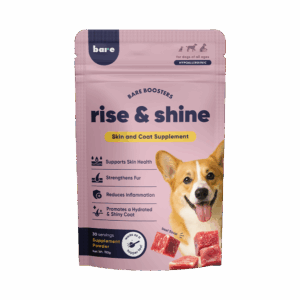
At BarePets, we offer a range of healthy coat supplements and omega-3-rich products designed to keep your dog’s skin and fur in top condition.

Benefits of Omega-3 for Dogs

Omega-3 fatty acids are one of the most effective nutrients for improving your dog’s coat and skin. Here’s why:

  • Reduces Inflammation: Omega-3s help soothe itchy, irritated skin caused by allergies or dryness.
  • Promotes Hydration: Keeps skin moisturized and prevents flakiness.
  • Enhances Coat Shine: Adds a natural gloss to your dog’s fur.
  • Supports Shedding Control: Reduces excessive shedding by improving follicle health.

Adding omega-3 to your dog’s diet is easy with fish oil capsules, liquid supplements, or omega-3-enriched kibble. Browse our BarePets shop for premium options.

Grooming Tips for a Healthy Coat

In addition to supplements, proper grooming plays a crucial role in maintaining your dog’s coat and skin health.

1. Brush Regularly

Brushing removes loose fur, stimulates natural oil production, and promotes a shiny coat. Choose a brush that suits your dog’s coat type (e.g., slicker brushes for long-haired breeds).

2. Bathe Wisely

Overbathing can strip your dog’s skin of natural oils, leading to dryness. Use a gentle, moisturizing dog shampoo and bathe only when necessary.

3. Check for Parasites

Fleas, ticks, and mites can cause itching and irritation. Use preventative treatments as recommended by your vet.

4. Moisturize Dry Skin

For dogs with dry skin, consider using a vet-approved moisturizer or coconut oil to keep their skin hydrated.

Real-Life Example: How Supplements Helped Luna

Luna, a three-year-old Golden Retriever, struggled with dry skin and excessive shedding. Her owner added a dog coat shine supplement rich in omega-3 fatty acids to her diet and switched to a high-quality kibble. Within weeks, Luna’s skin irritation improved, her shedding reduced, and her coat became noticeably shinier.

This is just one example of how the right supplements and care can transform your dog’s coat and skin health.

Diet Tips for a Shiny Coat

A high-quality diet is the foundation of coat health. Here’s how to optimize your dog’s meals:

1. Choose Premium Food

Look for kibble or wet food rich in protein, omega-3s, and vitamins. Explore our BarePets shop for nutritious options.

2. Add Fresh Foods

Incorporate fresh, dog-safe foods like salmon (rich in omega-3s), eggs (biotin), and blueberries (antioxidants) into their diet.

3. Hydration is Key

Ensure your dog has access to fresh water at all times to keep their skin hydrated.

Final Thoughts: Achieve a Healthy, Shiny Coat

Your dog’s coat and skin are reflections of their overall health. By combining a balanced diet, proper grooming, and the right healthy coat supplements, you can help your pup look and feel their best.

Ready to give your dog the support they need? Visit our BarePets shop to explore the best omega-3 products, and premium food options.

Need more guidance?

Check out additional resources on BarePets or reach out to our team for personalized recommendations.

Explore our BarePets shop today to find omega-3-rich products to enhance your dog’s coat and skin health

Real dogs deserve real ingredients.

Tags
Health, Tips

Immune Boosters for Dogs: Strengthening Your Dog’s Health Naturally

A strong immune system is the foundation of your dog’s health. It protects them from infections, illnesses, and environmental stressors while keeping their energy levels high and their coat shiny. But what happens when your dog’s immune system needs a little extra support?

That’s where dog immune boosters come in. Whether your pup is recovering from illness, dealing with seasonal changes, or simply aging, the right natural immune boosters for dogs can make all the difference in improving their overall well-being.

In this guide, we’ll explore the best immune-boosting supplements, dietary tips, and actionable advice to help you enhance your dog’s health defense naturally.

Why Does Your Dog’s Immune System Matter?

Your dog’s immune system is their first line of defense against harmful bacteria, viruses, and other pathogens. It works tirelessly to keep your pup healthy by:

  • Fighting off infections.
  • Reducing inflammation.
  • Repairing damaged tissues.
  • Keeping their energy levels stable.

However, factors like stress, poor diet, aging, and environmental toxins can weaken your dog’s immune system, making them more susceptible to illnesses. This is why boosting your dog’s immune system is essential for long-term health.

Signs Your Dog May Need an Immune Boost

How do you know if your dog’s immune system needs extra support? Look for these signs:

  • Frequent illnesses or infections.
  • Low energy or lethargy.
  • Slow wound healing.
  • Digestive issues like diarrhea or vomiting.
  • Dull coat or excessive shedding.

If you notice these symptoms, it might be time to consider incorporating a dog immune booster into their routine.

Natural Immune Boosters for Dogs

The best way to support your dog’s immune system is through a combination of diet, supplements, and lifestyle changes. Here are some effective natural immune boosters for dogs:

1. A Balanced, Nutrient-Rich Diet

A high-quality diet is the cornerstone of immune health. Look for dog food that is rich in:

  • Protein: Supports tissue repair and antibody production.
  • Antioxidants: Found in fruits and vegetables, antioxidants neutralize free radicals and reduce inflammation.
  • Omega-3 Fatty Acids: Promote a healthy coat and reduce inflammation.

Explore premium kibble and wet food options in our BarePets shop to ensure your dog gets the nutrients they need.

2. Probiotics for Gut Health

A healthy gut is essential for a strong immune system. Probiotics help maintain a balanced gut microbiome, which plays a critical role in fighting off harmful pathogens.

3. Bone Broth

Rich in collagen, amino acids, and minerals, bone broth is a natural immune booster that supports gut health and reduces inflammation.

4. Herbs and Superfoods

Certain herbs and superfoods are known for their immune-boosting properties, including:

  • Turmeric: A powerful anti-inflammatory.
  • Echinacea: Supports the immune system during seasonal changes.
  • Blueberries and Spinach: Packed with antioxidants for overall health.

Best Immune-Boosting Supplements for Dogs

While a nutritious diet is key, sometimes your dog needs an extra boost. That’s where immune-boosting supplements come in. These supplements are specifically designed to enhance your dog’s health defense and keep them feeling their best.

Key Ingredients to Look For in Dog Immune Boosters

When choosing the best immune-boosting supplements, look for these powerful ingredients:

  • Vitamin C and E: Antioxidants that protect cells from damage and strengthen the immune system.
  • Zinc: Essential for wound healing and immune response.
  • Colostrum: Rich in antibodies that support immune health.
  • Mushroom Extracts: Medicinal mushrooms like reishi and shiitake are known for their immune-enhancing properties.
  • Omega-3 Fatty Acids: Found in fish oil, these reduce inflammation and promote overall health.

At BarePets, we offer a range of high-quality supplements packed with these ingredients to help your dog thrive.

How to Incorporate Immune Boosters into Your Dog’s Routine

Adding immune boosters to your dog’s daily routine doesn’t have to be complicated. Here are some tips:

1. Choose the Right Supplement

Select a supplement that aligns with your dog’s needs, whether it’s a chewable tablet, powder, or liquid formula. Always follow the dosage instructions on the label.

2. Mix Supplements with Food

If your dog is a picky eater, mix their supplement into their meals. Wet food or bone broth can help mask the taste.

3. Stick to a Routine

Consistency is key. Make supplements a part of your dog’s daily routine to maximize their benefits.

4. Combine with a Healthy Lifestyle

Supplements work best when paired with a healthy lifestyle. Ensure your dog gets regular exercise, plenty of fresh water, and a stress-free environment.

Real-Life Example: How Immune Boosters Helped Bella

Bella, a five-year-old Golden Retriever, was prone to frequent ear infections and low energy. Her owner decided to incorporate a dog immune booster into her diet, along with switching to a high-quality kibble rich in antioxidants. Within weeks, Bella’s energy levels improved, her coat became shinier, and the frequency of her infections decreased significantly.

This is just one example of how the right immune support can transform your dog’s quality of life.

Dog Health Defense: Additional Tips

Here are a few more ways to strengthen your dog’s health defense:

1. Regular Vet Checkups

Routine vet visits can catch potential health issues early and ensure your dog stays up-to-date on vaccinations.

2. Keep Stress Levels Low

Stress can weaken your dog’s immune system. Provide a calm, loving environment and plenty of mental stimulation to keep your pup happy.

3. Hydration is Key

Dehydration can impair immune function. Make sure your dog has access to fresh, clean water at all times.

4. Exercise Regularly

Physical activity helps maintain a healthy weight and boosts circulation, which supports immune function.

Final Thoughts: Support Your Dog’s Immune System for a Healthier Life

Your dog’s immune system plays a vital role in their overall health and happiness. By incorporating natural immune boosters for dogs, feeding them a balanced diet, and providing the best immune-boosting supplements, you can help your pup live their best life.

Ready to take the next step? Visit our BarePets shop to explore premium supplements, kibble, and wet food designed to support your dog’s health defense.

Need more advice?

Check out additional resources on BarePets or reach out to our team for personalized recommendations.

Explore our BarePets shop today to find premium immune boosters and food options to support your dog’s health naturally!

Real dogs deserve real ingredients.

Tags
Health, Tips

Dog Appetite Problems: How to Get Your Dog Eating Again

Is your dog turning their nose up at their food? Loss of appetite in dogs can be concerning for any pet parent. Whether it’s due to stress, illness, or pickiness, a dog that refuses to eat may not be getting the nutrients they need to thrive.

The good news? There are practical solutions to encourage your dog to eat, including dog appetite stimulants, dietary adjustments, and other strategies. In this guide, we’ll explore how to make your dog eat more, the best appetite boosters for dogs, and tips for increasing dog appetite naturally.

Why Is My Dog Not Eating?

Before diving into solutions, it’s important to understand why your dog may be experiencing appetite problems. Here are some common reasons:

1. Stress or Anxiety

Changes in routine, a new environment, or loud noises can cause stress, leading to a decreased appetite.

2. Illness or Pain

Health issues like dental problems, gastrointestinal discomfort, or infections can make eating painful or unappealing.

3. Picky Eating Habits

Some dogs develop selective eating habits, especially if they’re offered too many treats or table scraps.

4. Aging

Senior dogs may experience a reduced sense of smell or taste, which can affect their interest in food.

5. Dietary Changes

Switching brands or types of food too quickly can upset your dog’s stomach and reduce their desire to eat.

If your dog’s appetite loss persists for more than 24-48 hours or is accompanied by symptoms like vomiting, diarrhea, or lethargy, consult your veterinarian immediately.

How to Make My Dog Eat More: Practical Tips

If your dog is refusing their meals, here are some strategies to encourage them to eat:

1. Warm Up Their Food

Warming your dog’s food can enhance its aroma, making it more appealing. Heat wet food slightly or add warm water to kibble to release the flavors.

2. Offer Smaller, Frequent Meals

Instead of serving one or two large meals, try offering smaller portions throughout the day. This can be easier on your dog’s stomach and encourage them to eat.

3. Add Toppers or Mix-Ins

Enhance the flavor of your dog’s meals with tasty toppers like bone broth, shredded chicken, or a small amount of wet food. Check out the premium options in our BarePets shop for nutritious wet food and meal toppers.

4. Stick to a Feeding Schedule

Dogs thrive on routine. Feed your dog at the same time every day to establish a consistent mealtime habit.

5. Limit Treats

Too many treats can spoil your dog’s appetite for their regular meals. Reduce treat consumption to encourage them to eat their food.

Dog Appetite Stimulants: What Are They and How Do They Work?

A dog appetite stimulant is a product or supplement designed to encourage your dog to eat. These stimulants can be especially helpful for dogs recovering from illness, surgery, or stress.

Types of Dog Appetite Stimulants

Natural Supplements:

  • Many appetite stimulants are made with natural ingredients like herbs, vitamins, or amino acids that promote hunger.

Caloric Boosters:

  • High-calorie gels or pastes can provide essential nutrients and energy for dogs who aren’t eating enough.

Prescription Medications:

  • In severe cases, your vet may prescribe medications to stimulate appetite.

At BarePets, we offer a variety of natural appetite stimulants and supplements to help your dog regain their appetite safely and effectively.

Best Appetite Booster for Dogs: What to Look For

When choosing the best appetite booster for dogs, consider the following:

  • Natural Ingredients: Opt for products made with safe, natural ingredients to avoid unnecessary chemicals or additives.
  • Ease of Use: Look for supplements in forms your dog will accept, such as chews, powders, or liquids.
  • Additional Benefits: Some appetite boosters also include nutrients like omega-3 fatty acids or probiotics to support overall health.

Our BarePets shop features a selection of appetite stimulants and boosters designed to suit dogs of all ages and sizes.

Increasing Dog Appetite Naturally

In addition to using stimulants, there are natural ways to encourage your dog to eat:

1. Incorporate Exercise

Regular exercise can stimulate your dog’s metabolism and increase their appetite. A brisk walk or a game of fetch before mealtime can help.

2. Try a New Food

If your dog has grown bored of their current diet, consider switching to a high-quality kibble or wet food with different flavors or textures. Transition gradually to avoid stomach upset. Browse our shop for premium options your dog will love.

3. Add Probiotics

A healthy gut is key to a healthy appetite. Probiotic supplements can improve digestion and encourage eating.

4. Create a Calm Eating Environment

Eliminate distractions and create a quiet, stress-free space for your dog to eat.

Real-Life Example: How an Appetite Booster Helped Charlie

Charlie, a seven-year-old Labrador, suddenly lost interest in his food after moving to a new home. His owner tried warming his meals and adding toppers, but Charlie still refused to eat. After consulting their vet, they introduced a natural dog appetite stimulant, and within days, Charlie’s appetite returned. He’s now back to enjoying his meals and maintaining a healthy weight.

This is just one example of how the right tools and care can make a big difference in managing appetite problems.

When to Seek Veterinary Help

If your dog’s appetite issues persist despite your efforts, it’s important to consult your veterinarian. They can rule out underlying health conditions and recommend additional treatments or prescription stimulants if needed.

Final Thoughts: Help Your Dog Regain Their Appetite

Loss of appetite in dogs can be stressful, but with the right strategies and products, you can help your furry friends get back to enjoying their meals. From dog appetite stimulants to dietary changes, there are plenty of ways to support your pup’s health and well-being.

Ready to find the perfect solution? Visit our BarePets shop to explore the best appetite boosters for dogs, premium kibble, and wet food options designed to meet your dog’s needs.

Need more guidance?

Check out additional resources on BarePets or contact our team for personalized advice. Explore our BarePets shop today to find food options to help your dog eat more!

Real dogs deserve real ingredients.

Tags

Boost your dog’s gut health with probiotics. Explore the best options, natural remedies, and tips for improving digestion in adult dogs.

Your dog’s digestive system plays a vital role in their overall health, from nutrient absorption to immune support. However, digestive issues like bloating, diarrhea, or even bad breath can signal an imbalance in the gut. That’s where dog probiotics come in.

Probiotics are a natural way to support gut health for dogs, ensuring their digestive system functions smoothly. In this article, we’ll explore the benefits of probiotics, how to choose the best probiotics, and other tips to improve your dog’s digestion.

Why Gut Health for Dogs Is So Important

Your dog’s gut is home to trillions of microorganisms, collectively known as the microbiome. These “good” bacteria help with digestion, nutrient absorption, and even immune function. When the microbiome is balanced, your dog thrives. But when it’s out of balance—due to stress, diet changes, antibiotics, or illness—digestive issues and other health problems can arise.

Signs of poor gut health in dogs include:

  • Loose stools or diarrhea.
  • Excessive gas or bloating.
  • Vomiting or regurgitation.
  • Lack of appetite or weight loss.
  • Dull coat or itchy skin (yes, gut health can affect skin!).

By adding probiotics for dogs to their routine, you can help restore balance and support their digestive system.

What Are Dog Probiotics?

Probiotics are live microorganisms—primarily beneficial bacteria—that promote a healthy gut. When consumed, they populate your dog’s digestive tract, crowding out harmful bacteria and improving overall gut health.

Common strains of probiotics for dogs include:

  • Lactobacillus acidophilus: Supports digestion and helps reduce diarrhea.
  • Bifidobacterium animalis: Improves stool consistency and alleviates constipation.
  • Enterococcus faecium: Boosts immunity and helps dogs recover from antibiotic use.

In addition to these strains, some products include prebiotics, which are fibers that feed the probiotics and help them thrive.

Benefits of Probiotics for Dogs

Adding probiotics to your dog’s diet can lead to a variety of health benefits, including:

1. Improved Digestion

Probiotics help break down food more efficiently, reducing issues like gas, bloating, and diarrhea.

2. Stronger Immune System

Since much of a dog’s immune system resides in their gut, a healthy microbiome can boost their natural defenses against illness.

3. Better Nutrient Absorption

Probiotics ensure your dog gets the most out of their food by improving nutrient uptake.

4. Healthier Skin and Coat

A balanced gut can reduce inflammation, which may alleviate skin conditions and promote a shiny coat.

5. Stress and Anxiety Relief

Believe it or not, gut health is linked to mental health. A healthy digestive system can help reduce stress-related behaviors in dogs.

Choosing the Best Probiotics for Your Dog

When selecting probiotics, it’s important to choose high-quality products designed specifically for dogs. Here’s what to look for:

1. Species-Specific Strains

Ensure the product includes strains that are beneficial for dogs, such as Lactobacillus and Bifidobacterium.

2. Guaranteed CFU Count

CFU stands for colony-forming units, which indicate the number of live bacteria in the product. Look for a product with at least 1 billion CFUs.

3. Added Prebiotics

Many of the best probiotics include prebiotics, which act as food for the probiotics and enhance their effectiveness.

4. Easy Administration

Probiotics come in various forms, including powders, capsules, and chews. Choose one that fits your dog’s preferences and routine.

At BarePets, we offer a variety of high-quality probiotics to support your dog’s gut health. Browse our shop to find the perfect option for your pup.

Natural Probiotics for Dogs

In addition to supplements, you can also incorporate natural probiotics into your dog’s diet. These include:

1. Plain Yogurt or Kefir

Unsweetened, unflavored yogurt or kefir is an excellent source of live cultures. Just make sure it doesn’t contain artificial sweeteners like xylitol, which is toxic to dogs.

2. Fermented Vegetables

Small amounts of fermented veggies like sauerkraut can provide probiotics, but be cautious with portion sizes and avoid added salt or spices.

3. Goat’s Milk

Raw goat’s milk is a natural source of probiotics and is gentle on your dog’s stomach.

While these foods can be a great addition to your dog’s diet, they may not provide the same concentrated benefits as a dedicated probiotic supplement.

Tips for Supporting Your Dog’s Digestion

Probiotics are just one piece of the puzzle when it comes to improving digestion. Here are some additional tips to promote gut health for dogs:

1. Feed a High-Quality Diet

A balanced diet rich in nutrients is essential for a healthy gut. Opt for premium kibble or wet food, like the options available in our BarePets shop.

2. Stick to a Consistent Feeding Schedule

Dogs thrive on routine, and feeding them at the same time each day can help regulate their digestion.

3. Avoid Table Scraps

Human food can disrupt your dog’s gut balance, especially if it’s high in fat or spices.

4. Provide Plenty of Fresh Water

Hydration is key to smooth digestion and overall health.

5. Monitor Their Stool

Your dog’s stool is a good indicator of their digestive health. If you notice persistent issues, consult your vet.

Real-Life Example: How Probiotics Helped Daisy

Daisy, a five-year-old Beagle, struggled with frequent diarrhea and a dull coat. Her owner decided to try a probiotic supplement after consulting their vet. Within weeks, Daisy’s stools became firmer, her coat shinier, and she was back to her playful self.

This is just one example of how the right probiotics can make a big difference in your dog’s quality of life.

Final Thoughts: Prioritize Your Dog’s Gut Health

A healthy gut is the foundation of your dog’s overall well-being. By incorporating dog probiotics into their routine, you can improve digestion, boost immunity, and enhance their quality of life.

Ready to support your pup’s gut health? Explore our BarePets shop for premium probiotics, kibble, and wet food options.

Need more guidance?

Visit BarePets for expert advice and resources tailored to your dog’s needs.

Explore our BarePets shop today to find the best probiotics and nutrition products for your furry friend!

Real dogs deserve real ingredients.

Tags
Food, Health, Safety

Dog Joint Health: A Guide to Keeping Your Pup Active and Comfortable

As pet parents, nothing is more rewarding than seeing our dogs run, jump, and play with joy. But as they age—or depending on their breed—joint health can become a concern. Stiffness, reduced mobility, and discomfort can creep in, making it harder for your furry friend to enjoy their favorite activities.

The good news? With proper care, including the use of dog joint supplements and a few lifestyle adjustments, you can support your pup’s hip and joint care and keep them feeling their best.

In this guide, we’ll dive into the importance of joint health, explore the best supplements like glucosamine for dogs, and share actionable tips to improve your dog’s mobility.

Why Is Joint Health Important for Dogs?

Your dog’s joints—especially in their hips, knees, and elbows—play a critical role in their ability to move comfortably. Over time, wear and tear can lead to conditions like arthritis or hip dysplasia, particularly in larger breeds or aging dogs.

Signs your dog may be experiencing joint issues include:

  • Limping or stiffness, especially after rest.
  • Reluctance to climb stairs, jump, or go on walks.
  • Lethargy or irritability due to discomfort.

Proactively addressing joint health is key to preventing these issues from worsening. That’s where hip and joint care for dogs comes into play, including the use of targeted supplements and a healthy lifestyle.

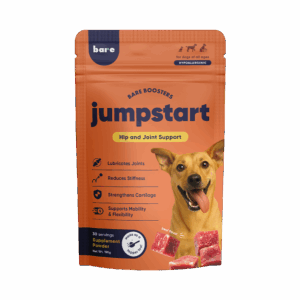
The Role of Dog Joint Supplements

Supplements are an effective way to support joint health, whether your dog is already showing signs of stiffness or you’re taking preventive measures. Here’s a closer look at some of the most beneficial ingredients found in the best mobility supplements for dogs:

1. Glucosamine for Dogs

Glucosamine is one of the most popular and effective joint supplements. It helps repair cartilage and reduce inflammation, improving mobility and alleviating discomfort. Many pet parents notice a significant improvement in their dog’s activity levels after adding glucosamine to their routine.

2. Chondroitin

Often paired with glucosamine, chondroitin works to retain water in cartilage, enhancing its elasticity and cushioning properties. This combination is a powerhouse for maintaining joint health.

3. MSM (Methylsulfonylmethane)

MSM is a natural anti-inflammatory that can reduce joint pain and swelling. It also supports collagen production, which is vital for healthy joints, skin, and connective tissue.

4. Omega-3 Fatty Acids

Found in fish oil, omega-3s are excellent for reducing inflammation and supporting overall joint function. They also promote a shiny coat and healthy skin, making them a win-win.

5. Turmeric or Curcumin

This natural anti-inflammatory ingredient is often included in joint supplements to reduce pain and stiffness.

When choosing a supplement, look for products that combine these ingredients for maximum effectiveness. You can find high-quality options in our BarePets shop.

Tips for Supporting Hip and Joint Care for Dogs

In addition to supplements, there are several steps you can take to improve your dog’s joint health and mobility:

1. Maintain a Healthy Weight

Excess weight puts extra stress on your dog’s joints, accelerating wear and tear. Feeding your pup a balanced diet with the right portion sizes is essential. Explore our selection of premium kibble and wet food to support their nutritional needs.

2. Provide Regular, Low-Impact Exercise

Exercise helps keep your dog’s joints flexible and muscles strong, but high-impact activities like jumping or running on hard surfaces can be tough on their joints. Opt for low-impact options like swimming or walking on grass.

3. Invest in Comfortable Bedding

Orthopedic dog beds provide extra support for aging joints, helping your pup rest comfortably and wake up feeling refreshed.

4. Use Joint-Friendly Ramps and Steps

If your dog struggles to climb stairs or jump onto furniture, consider investing in ramps or pet stairs to reduce strain on their joints.

5. Schedule Regular Vet Checkups

Your vet can monitor your dog’s joint health and recommend treatments or adjustments to their care routine as needed.

Choosing the Best Mobility Supplements for Your Dog

Not all supplements are created equal, so it’s important to choose wisely. Here’s what to look for in the best mobility supplements:

  • High-Quality Ingredients: Ensure the product contains glucosamine, chondroitin, and other proven ingredients.
  • Transparency: Look for brands that list their ingredients and sourcing practices.
  • Ease of Use: Soft chews, powders, or liquid supplements are often easier to administer than tablets.

At BarePets, we prioritize quality and transparency in every product we offer. Check out our shop to explore joint supplements and other health-boosting options for your dog.

Real-Life Example: How Joint Supplements Helped Bella

Bella, a six-year-old Golden Retriever, started showing signs of stiffness during her morning walks. Her owner noticed she was struggling to keep up and hesitated before climbing the stairs. After consulting with their vet, they introduced a glucosamine and chondroitin supplement into Bella’s routine.

Within a month, Bella was back to her energetic self, enjoying long walks and playtime with her family. This is just one example of how the right care can make a big difference in your dog’s quality of life.

Final Thoughts: Prioritize Your Dog’s Joint Health

Caring for your dog’s joints is one of the best ways to ensure they stay active, happy, and comfortable as they age. By incorporating dog joint supplements like glucosamine for dogs, maintaining a healthy weight, and providing joint-friendly exercise, you can support their mobility and overall well-being.

Ready to take the next step in your dog’s health journey? Visit our BarePets shop to find premium kibble, and wet food tailored to your pup’s needs.

Want personalized advice?

Explore more resources on BarePets or reach out to our team for recommendations. Your dog deserves the best care possible!

Real dogs deserve real ingredients.

Tags
Health, Safety, Tips

Best Supplements for Dogs: Must-Have Nutrients for Your Furry Friend

As pet parents, we all want the best for our dogs—whether it’s ensuring they get the right amount of exercise, feeding them high-quality kibble or wet food, or showering them with love. But when it comes to their overall health, diet alone may not always provide all the nutrients they need. That’s where supplements come in.

In this guide, we’ll explore the best dog supplements, the essential vitamins for dogs, and how to choose the right ones to keep your adult pup healthy, active, and happy.

Why Do Dogs Need Supplements?

While a well-balanced diet is the cornerstone of good health, not all dogs get the nutrients they need from food alone. Factors like age, breed, activity level, and health conditions can create gaps in their nutrition. For example:

  • Older dogs may require joint supplements to maintain mobility.
  • Active breeds often need extra omega-3s to support their joints and coat.
  • Picky eaters might miss out on essential vitamins for dogs if they don’t consume a varied diet.

Adding the right supplements to your dog’s routine can help address these gaps, supporting everything from their immune system to their digestion.

Essential Vitamins for Dogs: What to Look For

When choosing supplements, it’s important to focus on the nutrients your dog truly needs. Here are some must-have dog nutrients to consider:

1. Omega-3 Fatty Acids

Omega-3s are vital for maintaining a shiny coat, reducing inflammation, and supporting brain function. These fatty acids are especially beneficial for dogs with allergies or arthritis. Look for fish oil or krill oil supplements to boost your pup’s omega-3 intake.

2. Glucosamine and Chondroitin

These are the go-to nutrients for joint health. They help maintain cartilage, reduce stiffness, and improve mobility in aging or active dogs. If your dog shows signs of slowing down, a joint supplement with glucosamine could make a world of difference.

3. Probiotics

Gut health is key to overall well-being. Probiotic supplements introduce beneficial bacteria to your dog’s digestive system, improving digestion and boosting immunity. They’re particularly helpful for dogs with sensitive stomachs.

4. Vitamin E and Zinc

These antioxidants are essential for skin and coat health. They combat free radicals, reduce inflammation, and promote a healthy, itch-free coat.

5. Calcium and Phosphorus

These minerals are crucial for strong bones and teeth. While most adult dogs get enough calcium from their diet, some may need a supplement—especially if they eat homemade meals or raw diets.

6. Multivitamins

For a well-rounded approach, multivitamins are a great option. They provide a mix of essential vitamins and minerals, ensuring your dog gets everything they need to thrive.

Top-Rated Dog Supplements to Consider

With so many products on the market, it can be overwhelming to choose the right one. To help you out, here are some top-rated dog supplements that pet parents swear by:

1. Fish Oil Capsules

Fish oil is a fantastic source of omega-3s. Look for high-quality, sustainably sourced options that are free from heavy metals.

2. Joint Chews

Soft chews with glucosamine, chondroitin, and MSM are perfect for dogs who need extra joint support. They’re easy to administer and often come in flavors dogs love.

3. Probiotic Powders

Probiotic powders can be sprinkled over your dog’s kibble or wet food. They’re a simple way to improve gut health and digestion. Check out options in our BarePets store for high-quality probiotic supplements.

4. Daily Multivitamins

Multivitamin chews or tablets are a convenient way to cover all your dog’s nutritional bases. Look for options tailored to adult dogs for the best results.

How to Choose the Best Dog Supplements

When picking supplements, keep these tips in mind:

  • Consult Your Vet: Always check with your veterinarian before adding supplements to your dog’s routine. They can recommend specific products based on your dog’s health needs.
  • Read Labels Carefully: Look for supplements made with high-quality, natural ingredients. Avoid artificial fillers or additives.
  • Choose Reputable Brands: Stick to trusted brands with good reviews and clear sourcing practices. At BarePets, we prioritize quality and transparency in every product we offer.

Can’t Supplements Replace a Balanced Diet?

While supplements can fill nutritional gaps, they should never replace a high-quality diet. Your dog’s primary source of nutrients should still come from their food. If you’re looking for premium kibble or wet food options, browse our BarePets shop.

Real-Life Example: How Supplements Helped Max

Meet Max, a seven-year-old Labrador Retriever who started to slow down during his daily walks. His owner noticed he was struggling to keep up and seemed stiff after exercise. After consulting with their vet, they added a joint supplement with glucosamine and chondroitin to Max’s diet. Within a few weeks, Max was back to his energetic self, enjoying long walks and playtime again.

This is just one example of how the right supplements can make a big difference in your dog’s quality of life.

Final Thoughts: Give Your Dog the Best Care

Choosing the best dog supplements is a simple yet powerful way to support your dog’s health and happiness. From essential vitamins for dogs to probiotics and omega-3s, the right nutrients can enhance their overall well-being.

Remember, supplements work best when paired with a balanced diet and regular exercise. If you’re unsure where to start, consult your vet or explore the BarePets store for high-quality products.

Ready to take your dog’s health to the next level?

Check out our shop for premium supplements, kibble, and wet food, or reach out to us for personalized recommendations. Your pup deserves the best! Explore our BarePets shop today!

Real dogs deserve real ingredients.

Tags
Health, Tips
grab a Barepets bare
Close
doggy bowl
Your cart is emptyReturn to Shop
Apply Coupon
Available Coupons
bareparent20 Get 20% off New customers can avail 20% off their first order.