As pet parents, we all want the best for our furry friends, especially during their critical growth stages. For German Shepherd puppies, ensuring they get proper nutrition, including calcium, is essential to their development. Calcium supports bone strength, teeth formation, and overall growth, making it a key nutrient in their diet.
In this guide, we’ll explore the importance of calcium for growing German Shepherd puppies, highlight foods rich in calcium for dogs, and recommend Bare Pets products that can help meet their dietary needs.
Why Calcium is Crucial for German Shepherd Puppies
German Shepherds are large-breed dogs that grow quickly during their puppy phase. This rapid growth requires a diet that supports their skeletal structure and muscle development. Calcium plays a vital role in:
Bone Health: Calcium helps build strong bones, reducing the risk of fractures and joint issues as your puppy grows.
Teeth Development: Proper calcium levels ensure healthy teeth formation, which is especially important for chewing and digestion.
Muscle Function: Calcium aids in muscle contraction and overall mobility, keeping your puppy active and playful.
However, it’s important to strike the right balance. Too much calcium can lead to developmental issues, while too little can result in weak bones. That’s why choosing the right calcium-rich food for dogs is essential.
Foods Rich in Calcium for Dogs
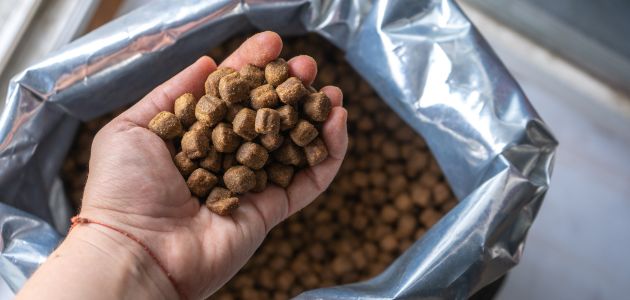
When it comes to feeding your German Shepherd puppy, selecting high-quality dog food is key. At Bare Pets, we offer a range of kibble and wet food options formulated to support your puppy’s growth and overall health.
Kibble Options
Our kibble is packed with essential nutrients, including calcium, to support your puppy’s development:
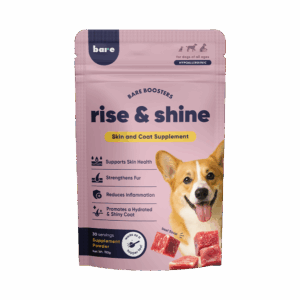
In addition to food, supplements can help ensure your German Shepherd puppy gets the calcium they need. Bare Pets offers several options to complement your puppy’s diet:
Monitor Calcium Intake: Too much calcium can be harmful, so consult your veterinarian before adding supplements to your puppy’s diet.
Other Essentials for Your German Shepherd Puppy
While nutrition is critical, caring for your German Shepherd puppy involves more than just food. For example, grooming tools like The Bare Brush can help you manage shedding and keep your puppy’s coat healthy.
Additionally, probiotics like those found in our kibble can improve digestion and nutrient absorption. Check out our range of dog food products to find the perfect match for your puppy’s needs.
Build Strong Bones and a Healthy Future
Providing your German Shepherd puppy with food rich in calcium for dogs is one of the best ways to ensure they grow into strong, healthy adults. With Bare Pets’ high-quality kibble, wet food, and supplements, you can give your puppy the nutrition they need to thrive. Ready to give your German Shepherd puppy the best start in life? Visit our shop to find high-quality, calcium-rich food and supplements today!
As a pet parent, ensuring your dog’s meals are fresh, safe, and nutritious is a top priority. Proper food safety practices not only preserve the nutrition of dog food but also protect your furry friend from potential health risks. From understanding how long dog food lasts to learning how to freeze fresh pet dog food, this guide will walk you through the essentials of dog food storage and handling.
At Bare Pets, proper nutrition starts with safe food storage. Whether you’re feeding your pup kibble, wet food, or fresh pet food, our tips will help you maintain the quality of your dog’s meals and keep them healthy and happy.
How Long Does Dog Food Last?
The shelf life of dog food depends on the type of food, packaging, and storage conditions. Let’s break it down:
1. Kibble (Dry Dog Food)
Kibble is one of the most popular choices for dog owners due to its convenience and extended shelf life.
Unopened Kibble: Most dry dog food lasts 12-18 months when stored in a cool, dry place. Always check the expiration date printed on the bag.
Opened Kibble: Once opened, kibble should be consumed within 4-6 weeks to maintain freshness. Store it in an airtight container to prevent exposure to air and moisture.
At Bare Pets, our Candidly Fresh Chicken Adult Dog Kibble is packed with essential nutrients and probiotics, which can degrade if not stored properly. Using an airtight container ensures your dog gets the full nutritional benefits of their meals.
2. Wet Dog Food
Wet food is a delicious and hydrating option for dogs, but it has a shorter shelf life compared to kibble.
Unopened Wet Food: Canned or pouch wet food can last up to 2 years if stored in a cool, dry place.
Opened Wet Food: Once opened, wet food should be refrigerated in an airtight container and consumed within 3 to 5 days.
If you’re feeding your dog fresh or homemade food, freezing is an excellent way to extend its shelf life. But can you freeze fresh pet food safely for your dog? Absolutely!
Steps to Freeze Fresh Dog Food
Portion the Food: Divide the food into meal-sized portions to avoid thawing and refreezing, which can compromise quality.
Use Airtight Containers or Freezer Bags: This prevents freezer burn and keeps the food fresh.
Label and Date: Always label containers with the contents and freezing date to track freshness.
Thaw Safely: Thaw frozen food in the refrigerator overnight before serving. Never leave it out at room temperature for extended periods.
Freezing is beneficial for preserving low-sodium or specialty diets for dogs. If your dog requires a low-sodium dog food, freezing fresh meals ensures they stay safe and nutritious.
Safe Storage Tips for Dog Food
Proper storage is crucial for maintaining the quality and safety of your dog’s food. Here are some best practices:
1. Store in a Cool, Dry Place
Heat and humidity can cause dog food to spoil or lose its nutritional value. Keep kibble and unopened wet food in a cool, dry area, away from direct sunlight.
2. Use Airtight Containers
For both kibble and wet food, airtight containers are a must. They prevent exposure to air, moisture, and pests. Our Candidly Fresh Lamb Hypoallergenic Adult Dog Kibble stays fresher longer when stored in a sealed container.
3. Refrigerate Opened Wet Food
Once opened, wet food should be refrigerated in an airtight container at all times. This prevents contamination and keeps the food safe for your dog to eat.
4. Check Expiration Dates
Always check the expiration date before feeding your dog. Expired food can lose its nutritional value and may even become unsafe to eat.
Why Food Safety Matters for Dog Nutrition
Proper food safety practices have a direct impact on your dog’s health and longevity. Contaminated or expired food can lead to digestive issues, nutrient deficiencies, or more serious health problems.
The Role of Nutrition in Longevity
Did you know that proper nutrition can influence how long dogs live? High-quality dog food provides the essential nutrients your pet needs for a long, healthy life.
Wet food, such as our Cluckin’ Good Puppy Wet Dog Food, is a great option for hydration and palatability, especially for picky eaters or senior dogs.
Common Food Safety Mistakes to Avoid
Even the most well-meaning pet parents can make mistakes when it comes to food safety. Here are some common pitfalls and how to avoid them:
Leaving Food Out Too Long: Wet food left out for more than 2 hours can spoil and become unsafe to eat.
Using Expired Food: Always check expiration dates and discard expired products.
Improper Freezing: Freezing food in large batches without portioning can lead to waste and loss of quality.
Not Cleaning Food Bowls: Dirty bowls can harbor bacteria. Wash your dog’s food and water bowls daily to prevent contamination.
How Bare Pets Can Help
At Bare Pets, we’re here to support your journey as a pet parent. From premium kibble and wet food to supplements and grooming tools, we offer everything you need to keep your dog healthy and happy.
Recommended Products for Food Safety and Nutrition
Grooming: The Bare Brush to keep your home clean and pet hair-free.
Explore our shop for more options, or contact us if you have any questions about our products.
Food safety is a vital part of responsible pet ownership. By understanding how long dog food lasts, practicing safe storage, and choosing high-quality products like those from Bare Pets, you can ensure your dog’s meals are always fresh, safe, and nutritious.
Ready to give your dog the best? Visit our shop today to explore our range of premium kibble, wet food, and supplements designed to support your dog’s health and longevity.
For personalized advice, don’t hesitate to contact us.
Your furry friend deserves nothing less than the best!
can you freeze fresh pet dog food, dog food nutrition, how long does dog food last, how long dogs live, how to freeze fresh pet dog food, low sodium dog food
As much as we’d love to spend every moment with our furry friends, life often gets in the way. Whether it’s a long workday or a quick grocery run, many pet parents wonder: How long can I leave my dog alone?
While dogs are incredibly loyal and adaptable companions, they still have emotional and physical needs that must be met, even when you’re not at home. In this article, we’ll discuss the maximum time dogs can be alone, tips for leaving a dog home while working, and how to prevent separation anxiety. We’ll also explore the best dog breeds for working owners and ways to keep your pup entertained while you’re away.
Maximum Time Dogs Can Be Alone
The amount of time a dog can be left alone depends on factors like their age, breed, and personality. Here’s a general guideline based on age:
Puppies (Under 6 Months): 2–3 hours at most. Puppies have small bladders and need frequent potty breaks, as well as social interaction to develop properly.
Adult Dogs (1–7 Years): Most adult dogs can be left alone for 6–8 hours, provided they’ve been properly trained and exercised beforehand.
Senior Dogs (8+ Years): Older dogs may need more frequent potty breaks and may not tolerate being alone for extended periods.
It’s important to note that while adult dogs can physically handle being alone for up to 8 hours, their emotional well-being also matters. Dogs are social animals and thrive on companionship, so extended periods of isolation can lead to boredom, anxiety, or even destructive behavior.
Leaving a Dog Home While Working
If you’re a working pet parent, leaving your dog home alone during the day is often unavoidable. However, there are steps you can take to ensure your dog stays happy and healthy while you’re away:
1. Provide a Safe and Comfortable Space
Create a designated area for your dog where they feel secure. This could be a cozy corner with their bed, toys, and access to water. Crate training can also be helpful for dogs who find comfort in enclosed spaces.
2. Exercise Before You Leave
A tired dog is a happy dog. Take your pup for a long walk or engage them in a vigorous play session before you head out. This will help burn off excess energy and reduce the likelihood of boredom or restlessness.
3. Stick to a Routine
Dogs thrive on routine. Try to leave and return home at the same times each day, and establish a consistent feeding and potty schedule.
4. Use Technology to Stay Connected
Consider investing in a pet camera that allows you to check in on your dog and even talk to them while you’re away. Some cameras even dispense treats, providing an extra layer of interaction.
How to Keep a Dog Entertained Alone
Boredom is one of the biggest challenges for dogs left alone. Here are some ways to keep your pup entertained:
1. Interactive Toys and Puzzles
Puzzle feeders and treat-dispensing toys are excellent for keeping your dog mentally stimulated. They challenge your dog to work for their reward, which can keep them occupied for hours.
2. Chew Toys
Providing durable chew toys can help satisfy your dog’s natural chewing instincts and prevent them from gnawing on furniture or shoes.
3. Background Noise
Leave the TV or radio on to provide background noise. Some dogs find comfort in hearing human voices or calming music.
4. Rotating Toys
Instead of leaving all your dog’s toys out at once, rotate them every few days to keep things fresh and exciting.
For high-quality treats to keep your dog entertained, check out the BarePets Shop.
Separation Anxiety Prevention
Separation anxiety is a common issue in dogs and can manifest as excessive barking, destructive behavior, or even physical symptoms like vomiting. Here’s how to prevent it:
1. Practice Short Absences
Start by leaving your dog alone for short periods and gradually increase the duration. This helps your dog get used to being alone without feeling abandoned.
2. Avoid Emotional Goodbyes
When leaving the house, avoid making a big fuss. Keep your departures and arrivals low-key to prevent your dog from becoming overly anxious.
3. Offer Positive Reinforcement
Give your dog a treat or toy when you leave to create a positive association with your absence.
4. Consider a Dog Walker or Daycare
If your dog struggles with being alone for long periods, hiring a dog walker or enrolling them in doggy daycare can provide much-needed social interaction and exercise.
Best Dog Breeds for Working Owners
Some dog breeds are more independent and better suited for owners who work long hours. Here are a few breeds that tend to do well on their own:
1. Basset Hound
Known for their laid-back nature, Basset Hounds are content to lounge around while you’re at work.
2. Greyhound
Despite their athletic build, Greyhounds are surprisingly low-maintenance and enjoy napping for most of the day.
3. Shiba Inu
Independent and self-reliant, Shiba Inus is a great choice for working owners.
4. Chow Chow
These dignified dogs are known for their cat-like independence and can tolerate being alone for longer periods.
5. French Bulldog
Frenchies are adaptable and don’t require excessive exercise, making them ideal for apartment dwellers and busy owners.
While breed characteristics can give you a general idea, remember that every dog is unique. Personality, training, and individual needs should always be considered.
Final Thoughts: How to Keep Your Dog Happy and Healthy When Home Alone
So, how long can you leave your dog alone? While most adult dogs can tolerate being alone for 6–8 hours, it’s essential to meet their physical and emotional needs to keep them happy and healthy. By providing a safe environment, keeping them entertained, and addressing potential separation anxiety, you can ensure your dog thrives even when you’re not home.
If you’re looking for treats or high-quality food to support your dog’s well-being, visit the BarePets Shop. For more expert tips and resources, explore Bare.
Remember, your dog may be alone, but they’re never truly lonely when they have a loving owner like you!
Living in the Philippines comes with unique challenges for pet parents, especially when it comes to keeping your furry friends healthy. The tropical climate, combined with environmental factors, makes dogs in the country susceptible to certain illnesses. As a responsible dog owner, understanding the most common dog illnesses and how to prevent them is key to ensuring your pet lives a long and happy life.
In this article, we’ll explore the most common dog illnesses in the Philippines, their symptoms, prevention tips, and a vaccination guide for dogs to help you stay proactive about your pet’s health.
1. Canine Parvovirus (Parvo)
Symptoms of Canine Diseases: Parvo
Parvo is one of the most serious and preventable dog diseases affecting dogs, especially puppies and unvaccinated adults. Symptoms include:
Severe vomiting
Bloody diarrhea
Lethargy and loss of appetite
Prevention
The best way to protect your dog from Parvo is through vaccination. Puppies should receive their first Parvo vaccine at 6-8 weeks of age, followed by booster shots. Keep your dog’s environment clean, boost their immune system with a multivitamin like Bare Balance, and avoid exposing them to potentially infected dogs.
2. Canine Distemper
Symptoms of Canine Diseases: Distemper
Distemper is another highly contagious viral disease that affects your dog’s respiratory, gastrointestinal, and nervous systems. Signs include:
Fever
Nasal discharge
Seizures in advanced stages
Prevention
Vaccination is crucial in preventing distemper. Regular booster shots will keep your dog safe from this deadly disease.
3. Heartworm Disease
Tropical Dog Health Issues: Heartworms
Heartworm disease is a parasitic infection spread by mosquitoes, making it a significant concern in tropical countries like the Philippines. Symptoms may not appear until the disease is advanced, but they include:
Persistent cough
Fatigue after mild activity
Difficulty breathing
Prevention
Monthly heartworm preventatives are essential, especially in areas with high mosquito populations. Ask your vet about the best options for your dog.
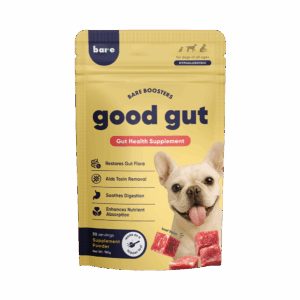
Daily support for your dog’s immune system can also help reduce vulnerability. Good Gut probiotics promote healthy digestion and strengthen your dog’s ability to fight off infections.
4. Ehrlichiosis and Anaplasmosis
Symptoms of Canine Diseases: Tick-Borne Illnesses
Tick-borne diseases like Ehrlichiosis and Anaplasmosis are common in the Philippines due to the prevalence of ticks in the tropical climate. Symptoms include:
Fever
Joint pain
Loss of appetite
Prevention
Keep your dog tick-free by using tick preventatives, such as collars or spot-on treatments. Regular grooming and checking your dog’s coat after outdoor activities can help. Tools like The Bare Brush make removing loose fur (and spotting ticks early) easy and mess-free.
5. Rabies
Symptoms of Canine Diseases: Rabies
Rabies is a fatal viral disease that affects the brain and spinal cord of dogs and humans. Early signs include:
Behavioral changes (e.g., aggression or shyness)
Excessive drooling
Paralysis in advanced stages
Prevention
Rabies vaccination is required by law in the Philippines. Ensure your dog is vaccinated annually to protect them and your community.
6. Leptospirosis
Tropical Dog Health Issues: Leptospirosis
Leptospirosis is a bacterial infection that thrives in wet and muddy environments, especially during the rainy season. Dogs can contract it by coming into contact with contaminated water or soil. Symptoms include:
Fever
Vomiting
Jaundice (yellowing of the skin and eyes)
Prevention
Vaccinate your dog against Leptospirosis and avoid letting them play in stagnant water or muddy areas.
The risk is especially high during the rainy season, so it’s wise to keep your dog’s immunity strong with the help of Bare Balance.
7. Skin Allergies and Infections
Tropical Dog Health Issues: Skin Problems
The hot and humid climate in the Philippines can lead to skin allergies and infections caused by fleas, mites, or fungi. Symptoms include:
Itching and scratching
Red, inflamed skin
Hair loss
Prevention
Use flea and tick preventatives, maintain proper grooming, and feed your dog a balanced diet to support healthy skin. Consider high-quality kibble or wet food like Candidly Fresh Chicken Kibble or Seriously Beefy Wet Food to support your dog’s skin health from the inside out.
Vaccination Guide for Dogs
Vaccination is your dog’s first line of defense against many preventable dog diseases. Below is a basic vaccination schedule:
6-8 weeks: Parvo, Distemper, Leptospirosis
12-16 weeks: Rabies
Annually: Booster shots for all core vaccines
Consult your veterinarian to customize a vaccination schedule based on your dog’s specific needs.
If you’re unsure what schedule to follow, our Product Quiz can help guide you to food and supplements tailored to your dog’s age and lifestyle.
How to Keep Your Dog Healthy in the Tropics
In addition to vaccinations, here are some tips to keep your dog healthy in the Philippines’ tropical climate:
Hydration: Ensure your dog has access to clean drinking water at all times.
Diet: Feed your dog high-quality food to boost their immune system. Explore Bare’s full selection of nutritious, vet-reviewed kibble, wet food, and supplements.
Grooming: Regular baths and grooming sessions are essential to prevent skin infections and parasites.
Vet Visits: Schedule regular check-ups with your veterinarian to catch any health issues early.
Final Thoughts: Protecting Your Dog’s Health in the Philippines
Keeping your dog healthy in the Philippines requires vigilance, especially with the unique challenges posed by the tropical climate. By understanding the most common dog illnesses, recognizing the symptoms of canine diseases, and following a vaccination guide for dogs, you can ensure your furry friend stays safe and happy.
Remember, prevention is always better than cure. Stay proactive about your dog’s health and consider investing in high-quality food and products from Barepets to support their well-being.
If you’re looking for premium pet supplies to keep your dog healthy, visit Barepets’ shop today!
Living in an apartment doesn’t mean you can’t enjoy the companionship of a dog. While some breeds thrive in large homes with sprawling yards, others are perfectly suited for cozy, indoor living. Whether you’re looking for a low-maintenance dog breed, a hypoallergenic dog for small spaces, or the best indoor dog for your lifestyle, there’s a perfect pup out there for you.
In this guide, we’ll explore the most apartment-friendly dog breeds, including the best small dogs for condos and tips for keeping your furry friend happy in a smaller living space.
What Makes a Dog Apartment-Friendly?
Not every dog breed is suitable for apartment living. When choosing a dog for your apartment, consider the following factors:
Size: Smaller breeds are often better suited for apartments, but size isn’t the only factor.
Energy Level: Low to moderate-energy dogs are ideal, as they don’t require constant exercise or large outdoor spaces.
Noise Level: Quiet breeds are preferable, especially if you have neighbors nearby.
Temperament: Dogs with calm, adaptable personalities tend to adjust well to apartment life.
Top Apartment-Friendly Dog Breeds
Here’s a list of the best apartment-friendly dog breeds that thrive in small spaces:
1. French Bulldog
French Bulldogs, or “Frenchies,” are compact, low-energy dogs that are perfect for apartment living. They’re affectionate, quiet, and don’t require much exercise beyond short daily walks.
Why They’re Great: Their small size and laid-back temperament make them ideal for small spaces.
Care Tip: Keep them cool in warmer climates, as they’re prone to overheating.
2. Cavalier King Charles Spaniel
These gentle, affectionate dogs are among the best indoor dogs for families and singles alike. They’re small, adaptable, and love snuggling on the couch.
Why They’re Great: They’re friendly, quiet, and easygoing, making them perfect for apartment life.
Care Tip: Regular grooming is needed to keep their silky coat in good condition.
3. Shih Tzu
Shih Tzu is one of the best small dogs for condos thanks to their calm demeanor and minimal exercise needs. They’re also great companions for seniors or people with a relaxed lifestyle.
Why They’re Great: They’re small, hypoallergenic, and thrive indoors.
Care Tip: Their coat requires regular brushing or professional grooming.
4. Pug
Pugs are charming, playful, and known for their amusing personalities. They’re small in size and don’t need a lot of outdoor time, making them a fantastic choice for apartment dwellers.
Why They’re Great: They’re low-maintenance and love lounging indoors.
Care Tip: Watch their diet to prevent obesity, and ensure they get light exercise.
5. Greyhound
Surprisingly, Greyhounds are one of the most apartment-friendly dog breeds. While they’re known for their speed, they’re couch potatoes who love lounging indoors.
Why They’re Great: They’re quiet, low-energy indoors, and require just a few short walks daily.
Care Tip: Provide a soft bed, as their lean bodies are prone to pressure sores.
6. Maltese
Maltese dogs are small, hypoallergenic dogs for small spaces. They’re affectionate, playful, and adapt well to apartment living.
Why They’re Great: Their size and minimal shedding make them perfect for small spaces.
Care Tip: Regular grooming is needed to maintain their beautiful white coat.
7. Boston Terrier
Known as the “American Gentleman,” Boston Terriers are compact, friendly, and easy to train. They’re great for first-time dog owners and fit well in apartments.
Why They’re Great: They’re small, quiet, and require minimal grooming.
Care Tip: Short walks and indoor playtime are usually enough to meet their exercise needs.
Low-Maintenance Dog Breeds for Apartments
If you’re looking for a dog that doesn’t require a lot of grooming or exercise, consider these low-maintenance dog breeds:
Chihuahua: Small, easy to groom, and content with indoor playtime.
Dachshund: Compact and affectionate with low exercise needs.
Italian Greyhound: A smaller version of the Greyhound, they’re quiet and love lounging indoors.
These breeds are perfect for busy pet parents or those who prefer a more relaxed lifestyle.
Low-maintenance doesn’t have to mean low-nutrition. Consider pairing your pup’s simple routine with Bare Balance, a multivitamin that supports joints, digestion, and immunity with one daily chew.
Tips for Keeping Your Dog Happy in an Apartment
Living in a smaller space doesn’t mean your dog has to miss out on fun and enrichment. Here are some tips to keep your pup happy:
1. Daily Exercise
Even low-energy dogs need regular exercise. Take your dog for daily walks or short play sessions to keep them physically and mentally stimulated.
2. Interactive Toys
Keep your dog entertained with puzzle toys, treat dispensers, or chew toys. These can help prevent boredom, especially when you’re not home.
Miniature Schnauzer: Energetic yet hypoallergenic, with minimal shedding.
Poodle (Toy or Miniature): Highly intelligent, low-shedding, and available in various sizes.
These breeds are great for allergy sufferers and adapt well to apartment living.
Final Thoughts: Finding the Perfect Apartment Dog
Choosing the best dog for apartment living doesn’t have to be overwhelming. From apartment-friendly dog breeds like French Bulldogs and Shih Tzus to low-maintenance options like Greyhounds, there’s a perfect match for every lifestyle.
Remember, even the best indoor dogs need love, attention, and proper care. By providing regular exercise, mental stimulation, and a high-quality diet from the BarePets Shop, you can ensure your furry friend thrives in your apartment.
For more pet care tips and resources, visit Bare today!
Discovering your dog has eaten moldy food can send your heart racing. It’s a scary moment that leaves many pet parents wondering what happens next. If your dog eats moldy food, they may experience vomiting, tremors, or seizures due to mycotoxins that can cause serious poisoning requiring immediate veterinary attention.
At Barepets.com, we’ve seen how quickly this situation can turn dangerous. Mold isn’t just gross—it’s potentially toxic to your furry friend. Different types of mold produce various mycotoxins that affect dogs differently, with some causing mild tummy troubles and others leading to more serious issues.
Don’t wait to see if symptoms develop. If you catch your pup snacking on something moldy, call your vet right away. The sooner your dog gets treatment, the better their chances of a full recovery. We always tell our customers that prevention is much easier than dealing with the aftermath of mold poisoning.
Key Takeaways
Moldy food contains mycotoxins that can cause severe poisoning symptoms in dogs, from vomiting to seizures.
Contact your veterinarian immediately if you suspect your dog has eaten moldy food, as prompt treatment improves outcomes.
Store pet food properly and regularly check your home for moldy items to prevent accidental ingestion.
What Happens If a Dog Eats Moldy Food?
If a dog eats moldy food, it risks mycotoxin poisoning, a dangerous condition caused by toxic compounds produced by molds. Symptoms can range from mild digestive upset to severe neurological issues, often appearing within 24 to 48 hours of ingestion.
Moldy food can be extremely dangerous for dogs, containing harmful substances that may cause illness ranging from mild stomach upset to severe poisoning. The type of mold and amount consumed determines how sick your dog might become.
Types and Dangers of Mold in Food
Mold is a type of microscopic fungi that grows on food when conditions are right. You’ll typically find it in warm, moist environments where food has been left out too long. Common molds that affect pet food include Aspergillus, Penicillium, and Fusarium species.
Common Molds in Dog Food
Several mold species are particularly dangerous to dogs because they produce toxic mycotoxins:
Mold can still grow on refrigerated foods, such as cheese and cured meats.
Mycotoxins may spread beyond visible mold spots; even a “small moldy patch” can be toxic.
High-risk foods include bread, cheese, fruits, nuts, and wet dog food that has been left unrefrigerated.
💥 Quick Answer
Even small amounts of moldy food can make your dog seriously ill – never feed your dog anything with visible mold!
Not all molds look the same. Some appear as fuzzy green or blue patches, while others might be white, black, or even pink. What you see is just the tip of the iceberg – mold spores have already spread throughout the food even if you only see a small spot.
Food most likely to develop harmful mold includes bread, cheese, fruits, nuts, and wet dog food left out too long.
Mycotoxins and Mycotoxicosis
Mycotoxins are poisonous substances produced by certain molds. These invisible toxins remain in food even if you remove the visible moldy parts. When dogs consume these toxins, they can develop mycotoxicosis – mold poisoning.
Common Mycotoxins
Possible Effects
Aflatoxins
Liver damage, cancer
Tremorgenic Mycotoxins
Tremors, seizures
Fumonisin
Neurological problems
The Most Common Mycotoxins Affecting Dogs
The three most concerning mycotoxins for dogs are aflatoxins, fumonisins, and tremorgenic toxins:
Mycotoxin
Source Mold(s)
Target Organ/System
Effects on Dogs
Aflatoxins
Aspergillus spp
Liver
Liver failure, jaundice, hemorrhage, death
Fumonisins
Fusarium spp.
Nervous system
Neurological damage, seizures, brain softening
Tremorgenic toxins
Penicillium & Aspergillus
Nervous system
Tremors, seizures, hyperexcitability
Symptoms of mycotoxicosis can appear quickly or develop slowly over time. Your dog might experience vomiting, reduced appetite, jaundice, or even seizures depending on the type and amount of toxin consumed.
We’ve seen cases where dogs developed liver failure from eating moldy bread or nuts containing aflatoxins. These toxins are particularly dangerous as they can cause permanent damage.
Immediate Effects of Mold Ingestion in Dogs
Dogs who eat moldy food can experience several serious health problems within minutes to hours. The effects range from stomach issues to more dangerous neurological problems depending on the type of mold consumed.
Gastrointestinal Symptoms
Vomiting is often the first sign your dog has eaten something moldy. Most dogs will throw up within 1-2 hours after eating moldy food. This is actually their body’s natural defense mechanism trying to get rid of the toxins.
Diarrhea typically follows and can range from mild to severe. You might notice your dog suddenly needs to go outside urgently or has accidents in the house.
📝 Note
Abdominal pain can cause your dog to take a “prayer position” – front end down with rear end up – or they might whine when you touch their belly.
Nausea signs include excessive drooling, licking their lips, or swallowing repeatedly. Some dogs might eat grass to make themselves throw up when feeling sick.
Allergic Reactions to Mold
Just like humans, dogs can have allergic reactions to mold. Symptoms often show up quickly and can include excessive scratching, red and irritated skin, or hives.
In more severe cases, we might see facial swelling, particularly around the muzzle and eyes. This can be scary to witness and requires immediate vet attention.
💥 Quick Answer
If your dog shows difficulty breathing after eating moldy food, this is an emergency! Get to a vet immediately as this could indicate a severe allergic reaction.
Some dogs with existing mold allergies may show more intense reactions when they actually eat moldy substances compared to just being around them in the environment.
Neurological Effects of Tremorgenic Mycotoxins
Tremorgenic mycotoxins are dangerous substances produced by certain molds that affect the nervous system. These toxins can cause muscle tremors that often start within 30 minutes to a few hours after eating moldy food.
Symptom
What It Looks Like
Severity
Mild Tremors
Slight shaking, might look like shivering
Concerning
Severe Tremors
Uncontrollable shaking, inability to stand
Emergency
Seizures
Full body convulsions, loss of consciousness
Life-threatening
Other neurological signs include restlessness, pacing, and unusual behaviors. Your dog might seem disoriented or bump into things.
In the worst cases, dogs can experience seizures or even fall into a coma. We’ve seen cases where dogs recover fully when treated quickly, but delays in treatment can lead to permanent damage.
Diagnosis and Treatment of Mold Exposure
Quick veterinary intervention is crucial when your dog has eaten moldy food. The right diagnosis and treatment can make a big difference in how quickly they recover from mold toxicity.
Clinical Diagnosis by a Vet
If you suspect your dog has eaten moldy food, call your vet immediately. Symptoms like vomiting, diarrhea, and tremors may indicate mycotoxicosis (mold poisoning). Don’t wait for symptoms to worsen!
Your vet will perform a physical exam checking your dog’s temperature, heart rate, and signs of gastroenteritis. They’ll ask about the moldy food your dog ate and when it happened.
💥 Quick Answer
Always bring a sample of what your dog ate to help with diagnosis if possible!
Blood tests can show liver or kidney damage from mycotoxins. In severe cases, your vet might recommend neurological testing if your dog shows tremors or seizures.
Treatment Options for Mold Ingestion
Treatment usually begins with decontamination. Your vet may induce vomiting if the ingestion was recent (within 2 hours). This helps remove toxins before they’re absorbed.
Activated charcoal is often given to bind remaining toxins in the digestive system. IV fluids are crucial to prevent dehydration and support the immune system while it fights the toxins.
Symptom
Treatment
Vomiting/Diarrhea
Anti-nausea meds, probiotics
Tremors/Seizures
Anti-seizure medication
Liver damage
Liver support supplements
Most dogs recover well with prompt treatment. We at Barepets.com recommend keeping your dog under observation for 24-48 hours after treatment to ensure all symptoms resolve.
How Do Veterinarians Treat Mold Poisoning in Dogs?
There’s no antidote for mycotoxin poisoning; treatment focuses on decontamination, symptom control, and supportive care.
Decontamination methods
Inducing vomiting (if ingestion was recent)
Gastric lavage (stomach pumping)
Activated charcoal to bind toxins and reduce absorption
Medications
Anticonvulsants (diazepam, pentobarbital) for seizures
Methocarbamol for tremors & muscle rigidity
Antiemetics (maropitant, ondansetron) for vomiting
Intravenous lipid emulsion therapy in severe cases (binds lipid-soluble toxins)
Supportive Care
IV fluids for hydration & kidney support
Cooling measures if fever/hyperthermia develops
Monitoring for shock, metabolic acidosis, or rhabdomyolysis
Prevention and Safety Measures
Keeping your dog safe from moldy food requires proper storage and quick action when mold appears. These simple steps can protect your furry friend from potential health risks.
Storing Food Properly
Proper storage is your first defense against mold growth. We recommend keeping all dog food in airtight containers in cool, dry places. Wet food should be refrigerated after opening and used within 3-4 days.
💡 Tips
Never leave wet dog food out for more than 2 hours, especially during warm weather when mold grows faster.
Check expiration dates regularly on all pet foods. Bread products and rice can grow mold quickly when exposed to moisture. We suggest freezing extra bread to prevent mold growth.
Human foods like blue cheese (which contains safe, controlled molds) should be kept separate from your dog’s food area. Even though some molds are safe for humans, they can be harmful to dogs.
How to Prevent Mold in Dog Food
Following pet food safety recommendations can drastically reduce mold risks:
Storage Aspect
Dry Food
Wet Food
Container
Airtight container (keep original bag inside)
Airtight lid/plastic wrap after opening
Temperature
Cool, dry, under 80°F
Refrigerate ≤40°F
Expiration
Check & discard expired
Use within 3–5 days
Recognizing and Addressing Mold Growth
Mold can appear as fuzzy spots in various colors – green, white, black, or blue. Check food regularly, especially in humid conditions.
Food Type
Signs of Mold
Action Needed
Dry dog food
Discoloration, fuzzy patches
Discard entire bag
Wet food
Fuzzy growth, off smell
Discard immediately
Rice/grains
Yellow/green discoloration
Discard completely
If you find mold on any food, throw it away completely. Never cut away moldy portions, as microscopic mold spores can spread throughout the food. This includes moldy bread, rice with unusual coloring, or dry food with moisture damage.
Clean food storage containers regularly with vinegar or mild soap to prevent yeast and mold growth. We recommend washing your dog’s food bowl daily to prevent harmful bacteria buildup.
Emergency Veterinary Contacts
If your dog has eaten moldy food and is showing symptoms such as vomiting, tremors, or seizures, don’t wait. Every minute counts. Contact a veterinarian immediately.
VETS IN PRACTICE (Metro Manila): Most branches are open 9:00 AM to 7:00 PM daily, but the Mandaluyong Animal Hospital offers after-hours emergency care (7:01 PM to 8:59 AM). For urgent cases, please call (02) 8531 1581 to 83 or +63917 551 5898.
Animal House (Multiple branches, 24/7 hotlines): +63 917 847 5233
Pro Tip: Save the number of your local emergency vet in your phone right now. In cases of mold poisoning, fast action can save your dog’s life.
Finding those tiny ants in your dog’s food bowl can be frustrating and concerning. We at Barepets understand how important it is to keep your furry friend’s meals clean and safe. To get ants out of dog food, store it in airtight containers, clean the feeding area daily, and create ant barriers using pet-safe deterrents like cinnamon or diatomaceous earth.
Ants are attracted to the proteins and fats in pet food, which can turn your pup’s dinner into an unwanted picnic spot. Don’t worry though – this is a common problem with simple solutions that won’t harm your dog. The key is acting quickly before a few scout ants turn into a full kitchen invasion.
Remember that prevention is easier than dealing with an established ant trail. By making a few small changes to your dog food storage and feeding routine, you can keep those pesky insects away from your pet’s meals for good. No more picking ants out of kibble or throwing away infested food!
Key Takeaways
Store dog food in sealed containers and clean feeding areas daily to prevent ant attractions
Create barriers with pet-safe deterrents like cinnamon, white vinegar, or food-grade diatomaceous earth
Monitor for recurring problems and address nearby ant nests to maintain long-term ant-free pet meals
Understanding Ant Infestations
Ants invading dog food is a common kitchen nuisance that can affect your pet’s health and the cleanliness of your home. These tiny invaders follow scent trails to find food sources and can quickly turn into a full-blown infestation if not addressed properly.
Causes of Ant Presence in Pet Food
Ants are naturally drawn to pet food because of its high protein and fat content. At Barepets.com, we’ve found that leaving dog food out for extended periods is the primary reason ants move in.
Food particles on the floor or counters act like dinner bells for scout ants. Once they find the treasure, they lay down chemical trails for their colony friends to follow.
💡 Tips
Store dog food in airtight containers rather than leaving it in open bags to drastically reduce ant attraction.
Moisture is another ant magnet. Wet food or water spills near feeding areas create ideal conditions for certain ant species. This is especially true during summer months when ants are most active.
Kitchen cleanliness plays a huge role too. Even tiny crumbs can support a small ant colony, which can grow if food supplies remain available.
If your dog’s current kibble is too oily or crumbly, it might be worth switching to one that’s cleaner and fresher. Candidly Fresh Chicken Adult Kibble by Bare is a high-quality option made with real ingredients that dogs love and ants don’t.
Implications for Dogs Consuming Ant-Contaminated Food
While most ants aren’t toxic to dogs, they can cause digestive upset. We’ve seen cases where dogs eating ant-infested food developed mild stomach discomfort, vomiting, or diarrhea.
Some ant species, like fire ants, can bite or sting. These painful encounters might make your dog avoid their food bowl altogether, leading to feeding problems.
📝 Note
If your dog shows persistent symptoms after eating ant-contaminated food, please consult your veterinarian right away.
Ant infestations in dog food can also indicate larger pest problems in your home. What starts in the dog bowl might spread to your pantry or other food storage areas.
The real concern comes with ant deterrents or pesticides. If you’ve sprayed near pet feeding areas, these chemicals might contaminate the food and harm your furry friend.
Preventative Measures
Keeping ants away from your dog’s food requires a combination of proper storage, regular cleaning, and effective deterrents. These approaches work together to create an ant-free environment for your furry friend’s meals.
Proper Storage Solutions for Dog Food
Airtight containers are your best defense against ant invasions. We recommend using plastic or glass containers with secure lids that completely seal the kibble inside. This prevents any food smells from attracting ants to your pet’s food.
💥 Quick Answer
Store dog food in airtight containers, keep them elevated, and ensure the storage area remains cool and dry.
Elevation is another key strategy. Store your containers at least 12 inches off the ground on shelves or raised platforms. Ants typically travel along floors and baseboards, so elevation creates a physical barrier.
Consider these additional storage tips:
Keep dog food in cool, dry areas of your kitchen.
Use original packaging inside airtight containers for freshness. Or better yet, switch to a kibble like
Candidly Fresh Beef Adult Kibble that comes in resealable, freshness-locked bags.
Avoid storing pet food in garages or basements where pests enter easily.
Label containers with expiration dates to ensure food rotation.
Routine Cleaning Practices
Regular cleaning is essential for preventing ant problems around dog food. We suggest wiping down feeding areas after each meal to remove any crumbs or residue that might attract ants.
💡 Tips
Wash your dog’s food bowl daily with warm, soapy water to remove invisible food residue that attracts ants.
Clean storage containers monthly by emptying them completely and washing with mild soap and water. Let them dry thoroughly before refilling to prevent moisture that could lead to mold or attract pests.
Vacuum around feeding areas regularly to pick up stray kibble. A quick daily sweep can make a huge difference in keeping your kitchen ant-free and your dog’s food protected.
Natural Deterrents and Repellents
Several natural substances effectively repel ants without harming your pets. We’ve found that creating barriers with these substances keeps ants away from dog food areas.
Natural Deterrent
How to Use
Effectiveness
Cinnamon
Sprinkle around food storage areas
High
White Vinegar
Spray solution on entry points
Very High
Peppermint Oil
Few drops on cotton balls placed strategically
Medium
Food-grade diatomaceous earth sprinkled around dog food storage areas creates a barrier ants won’t cross. It’s safe for pets but deadly to insects with exoskeletons.
Try using ant-proof pet bowls that create moats around the feeding area. Fill the moat with water to prevent ants from reaching the kibble while your dog enjoys their meal worry-free.
Looking for a premium dog food that supports gut health and keeps ants away with fewer messes? Good Gut pairs perfectly with dry food to promote digestion and reduce odor that might attract insects.
Direct Ant Control Methods
Getting rid of ants directly from your dog’s food requires quick action and the right approach. These pesky invaders can be persistent, but with proper techniques, you can eliminate them effectively without risking your pet’s health.
Chemical Insecticides and Their Risks
Chemical solutions can quickly address an ant problem, but we must weigh effectiveness against safety concerns for our furry friends. Commercial insecticides containing pyrethrins or permethrins can eliminate ants fast, but should never be applied directly to pet food.
⚠️ Warning
Never spray insecticides near pet food bowls, food storage areas, or where your dog eats. These chemicals can be toxic if ingested.
Ant baits can be effective when placed strategically away from pet areas. These work by allowing worker ants to carry the poison back to their colony, eliminating the problem at its source.
We recommend using bait stations in sealed containers placed along ant trails, but positioned well away from where your dog eats or plays. Remember that curious dogs might try to access these baits, so placement is crucial.
Non-Toxic Solutions for Ant Removal
Natural deterrents offer safer alternatives that won’t harm your four-legged friend. Diatomaceous earth (food grade only) can be sprinkled around pet food storage areas—it’s safe if accidentally ingested in small amounts but deadly to ants.
Vinegar solutions (1:1 white vinegar and water) work wonders for wiping down surfaces. Ants hate the smell and it erases their scent trails, preventing them from finding the dog food again. We’ve found that regular application is key for effectiveness.
💡 Tips
Try these pet-safe ant deterrents: cinnamon, peppermint oil (diluted), or fresh cucumber peels near food storage areas.
Essential oils like peppermint or lemon can also repel ants effectively. Apply a few drops on cotton balls and place them around food storage areas—just ensure they’re out of your dog’s reach as some oils can be harmful if ingested.
Sticky traps placed along ant pathways can catch ants without chemicals, though they should be positioned where pets can’t access them.
Professional Pest Control Advice
When DIY methods fail, professional help might be necessary. Pest control experts can identify the specific ant species in your home and create targeted treatment plans safe for households with pets.
Questions to Ask Pest Control
Why It Matters
Are treatments pet-safe?
Ensures your dog won’t be harmed
How long should pets stay away?
Prevents accidental exposure
Will treatment affect food areas?
Determines if dog food needs relocating
We’ve found that services like JustAnswer can provide quick expert advice for urgent ant problems when you’re unsure about the best approach. Their pest control experts can recommend specific solutions based on your situation.
For persistent ant issues, professionals might use targeted ant baits in gel form placed in cracks and crevices where pets can’t reach. These specialized treatments often resolve ant problems at the colony level without exposing pets to harmful substances.
Ongoing Maintenance and Monitoring
Keeping ants out of dog food requires consistent vigilance and regular adjustments to your prevention methods. Both daily checks and periodic updates to your protection strategy will help maintain an ant-free feeding area for your furry friend.
Daily Checks for Signs of Ants
Start each day with a quick inspection of your dog’s feeding area. Look for tiny black dots moving near the food bowl or along nearby surfaces. Even one or two ants can signal a potential problem brewing.
We recommend wiping down the area around your dog’s bowl after each meal. Food crumbs and residue attract ants quickly, especially in warm weather. A simple solution of equal parts vinegar and water works well for this daily cleanup.
💡 Tips
Keep a small notebook near your pet’s feeding area to track any ant sightings. This can help identify patterns and address problems before they grow.
Don’t forget to check the storage container where you keep your dog food. Even sealed containers should be inspected for tiny invaders that might have found their way in during refills.
Regular Updates to Ant-Proofing Practices
Your ant prevention strategy should change with the seasons. Ants are typically more active during spring and summer, so we suggest increasing protective measures during these warmer months.
Every month, take time to reassess your ant barriers. Natural deterrents like cinnamon, peppermint oil, or diatomaceous earth may need refreshing as their effectiveness fades over time.
Consider rotating the types of deterrents you use every few months. Ants can sometimes adapt to barriers, but switching between different natural repellents keeps them guessing.
Whenever you buy new dog food, we recommend transferring it immediately to ant-proof containers rather than keeping it in the original packaging which may be easier for ants to access.