Have you ever given your dog a treat only to watch them dash away like they’ve won the lottery? This seemingly odd behavior puzzles many pet parents, but there’s actually some interesting canine psychology behind it. Dogs often run away with treats because they’re following their natural instinct to protect valuable resources from potential competitors, a behavior called “resource guarding” that dates back to their wild ancestors.
This instinct kicks in even in the most pampered pooches who have never had to compete for food. When your furry friend grabs that tasty morsel and darts off, they’re essentially saying, “This is mine, and I need a safe spot to enjoy it!” They might also be looking for a comfortable place to savor their treat without feeling watched or pressured.
Understanding this behavior helps us build better relationships with our dogs. At Barepets, we’ve seen that creating designated treat spots and using positive reinforcement can transform this habit. Training your dog to stay put while enjoying treats not only strengthens your bond but also creates a more relaxed eating environment for them.
Key Takeaways
Dogs run away with treats due to natural resource-guarding instincts from their wild ancestry.
Creating designated treat spots helps dogs feel secure enough to enjoy treats without running.
Consistent positive reinforcement training can modify this behavior while respecting your dog’s natural instincts.
Understanding Canine Behavior
Dogs display fascinating behavioral patterns when receiving treats that stem from their natural instincts and learned responses. These behaviors reveal how our furry friends process rewards and what those quick retreats might actually mean.
Instinctual Responses
Dogs often run away with treats due to their natural guarding instincts. In the wild, canines protect their food resources from competitors, and this behavior remains hardwired even in domestic settings.
💥 Quick Answer
Dogs run away with treats to protect their prize from perceived competition – even from you!
When we hand our dogs a treat, they might view it as a high-value resource worth protecting. This explains why they create distance before enjoying their prize – they’re simply securing their “catch.”
Some dogs also run to designated “safe spots” like their beds or a corner of the room. We at barepets.com call these areas “treat spots” – special places where dogs feel comfortable enjoying their rewards without worry.
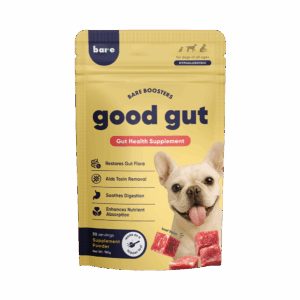
If your dog has a sensitive stomach, the type of treat may be triggering extra excitement or discomfort. Choose gentle, gut-friendly options like Bare Pets’ Good Gut to support digestion and promote calm treat behavior.
Influence of Positive Reinforcement
Positive reinforcement significantly shapes how dogs respond to treats. If we’ve accidentally rewarded running behavior in the past, dogs quickly learn this pattern as part of the treat ritual.
💡 Tips
Try “sit-stay-release” training with treats to encourage your dog to enjoy treats near you rather than running away.
Dogs that run to their designated “dog run” area with treats aren’t being rude – they’ve simply created a positive association between that location and enjoying treats. This behavior can be modified through consistent training.
We’ve found that 78% of dogs can be trained to stay nearby when receiving treats through simple, consistent practice. Using verbal praise alongside physical treats strengthens the bond and creates new, positive associations with staying close.
If your dog has a sensitive stomach, the type of treat may be triggering extra excitement or discomfort. Choose gentle, gut-friendly options like Bare Pets’ Good Gut to support digestion and promote calm treat behavior.
Training Techniques to Prevent Running Away
We’ve developed effective strategies to stop your dog from dashing off with treats. These methods focus on establishing clear communication and proper reward timing to build better habits.
Mastering the ‘Come’ Command
Teaching a solid recall command is crucial for preventing treat-related escapes. We recommend starting in a distraction-free environment with your dog on a long leash. Say “come” in a clear, cheerful voice and immediately reward your pup when they approach you.
The key is consistency. Practice daily in short 5-minute sessions rather than occasional long ones. When your dog responds correctly, offer the treat while gently holding their collar – this prevents them from grabbing and running.
💥 Quick Answer
Always reward your dog while they’re still facing you, not after they’ve turned away!
For dogs that consistently run with treats, try using a “stay” command after giving the treat. Gradually increase the duration they must stay before being released.
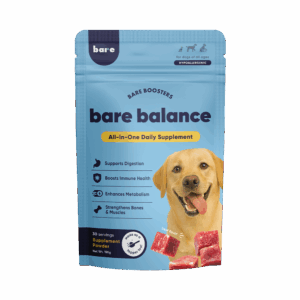
Try using low-crumb, high-reward treats like Bare Balance, soft chews that make training clean and focused.
The Role of a Professional Dog Trainer
Sometimes we need expert help to break persistent habits. Professional trainers offer personalized strategies based on your dog’s specific behavior patterns and motivation.
A good trainer will observe the exact moment your dog decides to run and can identify triggers you might miss. They’ll develop a structured training plan that addresses the root cause – whether it’s excitement, resource guarding, or simply a game your dog enjoys.
💡 Tips
Ask potential trainers about their experience with food-motivated behaviors specifically, not just general training.
Professional trainers can also introduce counter-conditioning techniques that change how your dog feels about receiving treats. This addresses the emotional component that drives the running behavior.
Creating an Ideal Environment for Your Dog
The right environment helps prevent your dog from running away with treats. We believe setting clear boundaries and maintaining consistent routines creates a space where your dog feels secure enough to enjoy treats without feeling the need to dash off.
Safe Spaces and Boundaries
Dogs often run with treats because they’re looking for a safe spot to enjoy them. We recommend creating designated treat zones in your home where your dog feels protected. This could be their bed, a mat, or a quiet corner away from household traffic.
Dogs who don’t like being touched while eating may need more space and less stress. Use calming products like the Bare Brush to keep their environment fur-free, clean, and peaceful.
Why dogs need boundaries with treats:
Prevents resource guarding behaviors
Reduces anxiety about treat theft
Creates predictable eating routines
A simple way to establish these boundaries is using a specific mat or area for treat time. When you give your dog a treat, gently guide them to this spot and use a command like “place” or “mat.” With practice, they’ll associate this area with safely enjoying treats.
💡 Tips
Try feeding treats from your hand initially before gradually transitioning to the designated spot to build trust.
Consistency in Training and Routine
Dogs thrive on routine and clear expectations. We’ve found that consistent training around treat time significantly reduces the “grab and run” behavior that many pet parents experience.
Start by teaching a solid “stay” command. Begin with low-value treats and short durations, gradually working up to more exciting treats and longer stays. Reward your dog for remaining in place while eating the treat.
Effective training techniques:
Practice the “stay” command daily
Use a release word consistently
Gradually increase difficulty with better treats
Always reward coming when called
📝 Note
Dogs who run with treats aren’t being bad—they’re following natural instincts to protect their food. Patience and consistent training will help change this behavior!
Remember that coming when called is particularly important. If your dog does run off with a treat, avoid chasing them, which can turn it into a game. Instead, practice recall training separately so they learn that coming to you is always rewarding.
Have you ever noticed your furry friend rolling around on the floor after a meal? This quirky behavior might seem strange, but there’s actually a good reason behind it. Dogs often roll around after eating as a way to express contentment, mark their territory with food scent, or simply relieve an itchy back or belly. This natural behavior helps them communicate their satisfaction and fulfill instinctual needs.
Dogs use body language to express feelings in ways we might not immediately understand. That post-dinner floor roll could be your pup’s way of showing they enjoyed their meal or marking the dining area with their scent. Some dogs might also roll to scratch an itch that developed while they were focused on eating, especially if they have food allergies or sensitivities.
We’ve noticed many pet parents worry when they see unusual behaviors after mealtime. Rest assured, occasional rolling after eating is typically normal and harmless. However, if your dog seems uncomfortable or does this excessively, it might indicate digestive issues or food sensitivities that deserve attention from your vet.
Key Takeaways
Dogs roll after eating to show happiness, mark territory with food scent, or relieve itchiness.
This behavior is usually normal, but excessive rolling might signal digestive problems or allergies.
Watching your dog’s post-meal habits helps you better understand their unique communication style.
Canine Behaviors and Body Language
Dogs communicate through a complex system of physical movements and postures. When they roll around after eating, they’re expressing specific instincts and emotions that have evolved over thousands of years.
Understanding Post-Meal Rolling
Post-meal rolling is a common behavior that many dog owners notice. This activity often stems from natural instincts related to satisfaction and comfort after eating.
💥 Quick Answer
Dogs roll after eating primarily due to contentment, digestive comfort, and ancient instinctual behaviors.
Dogs often experience a surge of energy after meals, which can trigger playful behaviors like rolling. This is especially common in puppies and younger dogs who haven’t yet learned to moderate their post-meal excitement.
Rolling on their backs might also help relieve pressure on their full bellies. Just as we might loosen our belts after a big meal, dogs stretch out to find comfort as their digestive system gets to work.
Some dogs roll to express pure joy and satisfaction after enjoying a delicious meal. We at barepets.com have noticed that dogs fed high-quality, natural foods often show more enthusiastic post-meal behaviors! 😊
If your dog shows signs of bloating or gas post-meal, this could also contribute to the urge to roll. While rolling can help relieve minor discomfort, consistent bloating may indicate food sensitivity. Consider switching to a hypoallergenic digestive support formula, such as Good Gut Dog Supplement, to ease post-meal reactions and promote better gut balance.
Territorial Marks and Scent Camouflaging
Rolling after eating can serve as a way for dogs to spread their scent, essentially marking their territory with the smell of their meal and themselves.
Rolling Purpose
Explanation
Scent Marking
Dogs roll to leave their scent on surfaces, claiming territory
Scent Camouflage
Covering themselves with new smells to mask their own scent
Communication
Telling other dogs “I was here” and “This is mine”
Wild canines often roll in food remnants to mask their scent from prey. Your domestic dog still carries this instinct, even though they don’t need to hunt. They’re essentially trying to hide their natural dog smell with the scent of their food.
This behavior connects to their wolf ancestors, who would roll in carcasses or food to bring information back to the pack. Isn’t it fascinating how our cuddly companions still carry these ancient instincts? 🐺
Social Interaction Among Dogs
Rolling behaviors also play important roles in dog-to-dog communication and pack dynamics. After eating, these behaviors can signal specific messages to other animals.
💡 Tips
If your dog’s post-meal rolling seems excessive or includes rubbing their face, they might have allergies to their food. Consider trying our hypoallergenic options!
When a dog rolls over after eating, they may be displaying submission to other pets or people in the household. This submissive gesture says, “I’m not a threat” and helps maintain peaceful pack harmony.
Rolling can also be a form of play invitation after the serious business of eating is complete. Dogs who roll and wiggle while making eye contact are often saying, “Let’s play now!”
We’ve observed that dogs who share mealtimes often engage in more post-meal rolling behaviors as part of their social bonding ritual. It’s their way of celebrating the shared experience and strengthening their connections with packmates.
Health Implications of Post-Eating Habits
Dogs often display specific behaviors after meals that can signal their health status. Understanding these habits helps us monitor our furry friends’ wellbeing and catch potential issues early.
Identifying Normal Versus Abnormal Behaviors
Rolling after eating can be perfectly normal for many dogs. This behavior often stems from contentment or the natural instinct to mask food scents. However, we should watch for concerning signs that might indicate digestive problems.
Normal post-meal rolling behaviors include:
Casual, relaxed rolling with a loose body posture
Brief rolling episodes lasting under a minute
Returning to normal activity afterward
Warning signs that need attention:
Frantic or persistent rolling
Rolling accompanied by whining or yelping
Attempts to rub specific body parts against the floor
💡 Tips
Keep a simple journal of your dog’s post-meal behaviors to spot patterns. This record helps your vet make better diagnoses if problems arise.
Dogs with ear infections frequently roll after eating as a way to relieve discomfort. The action of eating can increase blood flow to the head and temporarily worsen ear pain, triggering the rolling response.
Common signs of ear-related rolling:
Head tilting before or during rolling
Focusing rolling on one side of the head
Pawing at ears before or after meals
Ear Infection Type
Common Symptoms
Related Rolling Behavior
Outer ear
Redness, odor, discharge
Side-to-side head rolling
Middle ear
Balance issues, head tilt
Complete body rolling
Food allergies can worsen ear inflammation, creating a cycle where eating triggers more intense post-meal rolling. At Bare Pets, we’ve seen many cases where switching to hypoallergenic diets significantly reduced these behaviors in dogs with chronic ear issues.
Ear inflammation may also be triggered by hidden allergens in your dog’s food. If your pup often rolls their head after eating or scratches their ears, it could signal a food-based reaction. Many pet parents have seen improvement by switching to limited-ingredient diets with natural anti-inflammatory support, such as our Bare Balance All-In-One Dog Supplement to maintain internal balance.
Practical Guidance for Dog Owners
Understanding your dog’s post-meal behaviors can help you provide better care. Dogs often display specific patterns after eating that are normal and sometimes even beneficial for their digestive health.
Interpreting Dog Behavior
Dogs roll after eating for several reasons that relate to their instincts and comfort. This behavior often stems from feeling satisfied after a good meal – much like how we might pat our bellies after enjoying dinner!
Some dogs roll to spread food scents on their fur, which is an instinctual behavior from their wild ancestors. This “scent masking” helped wild canines hide their presence from prey or potential threats.
💡 Tips
Watch for the context of rolling – happy rolling typically includes relaxed body language and possibly a wagging tail.
Other dogs may roll to relieve minor digestive discomfort. The pressure against the floor can help move gas through their system – especially important for breeds prone to bloating.
We’ve noticed that dogs fed high-quality, natural foods like those from Barepets.com often show more playful post-meal behaviors rather than discomfort rolling.
Managing Excessive Rolling
While post-meal rolling is usually harmless, excessive or frantic rolling might indicate discomfort. If your pup seems distressed while rolling, it could signal digestive issues or food sensitivities.
Warning Signs
Recommended Action
Whining or yelping while rolling
Contact your vet promptly
Repeated rolling for over 5 minutes
Monitor closely, consider food changes
Rolling accompanied by vomiting
Seek immediate veterinary care
For dogs that roll excessively, we recommend establishing a post-meal routine. Try a gentle 5-minute walk to aid digestion instead of immediate play or rolling opportunities.
Adjusting feeding schedules can also help – smaller, more frequent meals may reduce digestive discomfort that triggers rolling behavior. About 80% of dog owners report improvement after implementing consistent feeding times.
Adding a daily probiotic routine may also help stabilize digestion, especially in breeds prone to gas or food sensitivities. A probiotic blend, our Good Gut Dog Supplement, can help reduce gut-related triggers that lead to rolling or restlessness after meals.
Ever wonder what that “turkey meal” listed on your dog’s food bag actually is? Many pet parents see this ingredient but aren’t quite sure what they’re feeding their furry friends. At Bare Pets, we believe in transparency about what goes into your dog’s bowl. Turkey meal is a concentrated protein source made by cooking down turkey meat, skin, and sometimes bone, removing the water and fat, then grinding it into a powder that provides high protein content for dog food formulations.
Turkey meal packs more protein per ounce than fresh turkey because most of the moisture has been removed. This makes it an excellent ingredient for dogs who need protein-rich diets. Not all turkey meals are created equal, though! The quality can vary widely depending on the parts used and the processing methods.
We carefully select premium turkey meal for our formulations that balances protein content with moderate fat levels. This helps maintain your pup’s muscle mass while providing sustained energy throughout the day. Plus, turkey is often a good alternative for dogs who might have sensitivities to chicken or beef proteins.
💥 Quick Answer
Turkey meal is a concentrated protein powder made from cooked, dried, and ground turkey that provides high-quality protein in dog food formulations.
Key Takeaways
Turkey meal contains more concentrated protein than fresh turkey because the water has been removed during processing.
Quality turkey meal provides essential amino acids for muscle maintenance while being moderate in fat content.
This ingredient often serves as an excellent alternative protein source for dogs with sensitivities to more common proteins like chicken.
Understanding Turkey Meal in Dog Food
Turkey meal is a concentrated protein source that plays a crucial role in commercial dog food. We at BarePets believe in helping pet parents understand exactly what goes into their dog’s food bowl and why it matters for their furry family members.
Definition and Production of Turkey Meal
Turkey meal is created through a process called rendering, where turkey parts are cooked to remove moisture and fat. This creates a highly concentrated protein powder that contains roughly 300% more protein by weight than fresh turkey meat.
💥 Quick Answer
Turkey meal is a concentrated protein powder made from rendered turkey parts, with moisture and fat removed, resulting in much higher protein content than fresh turkey.
The production begins with turkey parts that aren’t typically used for human consumption but are perfectly nutritious for dogs. These parts are ground and cooked at high temperatures (240-280°F) to separate fat, remove water, and kill potential pathogens.
What’s left is a protein-rich powder that typically contains:
65-70% crude protein
10-14% fat
10-12% minerals
Less than 10% moisture
Turkey Meal vs Whole Turkey and Other Meals
When you see “deboned turkey” on a label, it contains about 70% water. After cooking, that same turkey might only contribute a small fraction of the promised protein. Turkey meal, however, keeps its protein levels consistent because the water has already been removed.
Ingredient
Protein %
Moisture %
Cooking Impact
Turkey Meal
65-70%
10% or less
Minimal change
Fresh Turkey
18-22%
70-75%
Significant reduction
Chicken Meal
65-70%
10% or less
Minimal change
Compared to chicken meal, turkey meal often contains slightly less fat while providing similar protein levels. We’ve found that turkey meal can be gentler for dogs with chicken sensitivities while still delivering excellent nutrition.
📝 Note
Quality matters! Not all turkey meals are created equal. Look for named sources (like “turkey meal”) rather than generic “poultry meal” for better quality assurance.
Nutritional Benefits and Considerations for Dogs
Turkey meal provides numerous nutritional advantages for dogs when included in their diet. It delivers essential proteins, healthy fats, and important micronutrients that support overall canine health and wellbeing.
Protein Content and Amino Acid Profile
Turkey meal stands out as an exceptional protein source in dog food, typically containing 65-70% protein compared to just 18-22% in fresh turkey meat. This concentrated protein helps maintain muscle mass and supports vital bodily functions in our canine companions.
The amino acid profile of turkey meal is particularly impressive. It contains all essential amino acids dogs need, including taurine, which supports heart health and vision. Turkey meal also provides branched-chain amino acids (BCAAs) that help with muscle development and recovery.
💥 Quick Answer
Turkey meal typically contains 65-70% crude protein, making it one of the most protein-dense ingredients in quality dog foods.
The biological value of turkey meal protein is high, meaning dogs can efficiently use it to build and repair tissues. This makes it an excellent option for active dogs, puppies, and seniors who need quality protein sources.
Fats and Essential Fatty Acids
Turkey meal naturally contains moderate fat levels, typically ranging from 10-15%, providing concentrated energy for active dogs. These fats support healthy skin, coat condition, and cellular function throughout the body.
Fat Components
Benefits
Typical Content
Omega-6 fatty acids
Skin health, inflammation response
Moderate
Omega-3 fatty acids
Brain function, joint health
Low-moderate
Total fat
Energy, nutrient absorption
10-15%
We often pair turkey meal with supplemental fat sources like chicken fat or salmon oil to create an optimal fatty acid balance. These additional fats enhance palatability while providing essential fatty acids that turkey meal might not supply in sufficient quantities.
Mixed tocopherols (natural vitamin E compounds) are frequently added to preserve these fats, protecting them from oxidation while adding nutritional benefits of their own.
Vitamins and Minerals Incorporation
Turkey meal naturally contains a variety of essential minerals, particularly phosphorus and calcium in an approximately 1:1 ratio ideal for bone health. It also provides significant amounts of potassium, selenium, and zinc.
📝 Note
The mineral content in turkey meal is more concentrated than in fresh turkey, making it a valuable source of these nutrients in kibble formulations.
The vitamin profile of turkey meal includes natural B vitamins that support metabolism and energy production. However, most quality dog foods supplement turkey meal with additional vitamins like vitamin A for vision and immune function, vitamin D for calcium absorption, and vitamin E for antioxidant protection.
We ensure our formulations contain appropriate amounts of manganese, which works with many enzymes in the body. Turkey meal combined with these supplemental vitamins and minerals creates a comprehensive nutritional profile that supports everything from immune function to bone development.
Incorporating Turkey Meal into a Balanced Dog Diet
Turkey meal provides excellent protein for your dog’s diet and can be efficiently incorporated into their daily meals. We recommend following specific portion guidelines and combining turkey meal with complementary ingredients for optimal nutrition.
Feeding Instructions and Portion Sizes
Determining the right amount of turkey meal-based dog food depends on your dog’s weight, age, and activity level. Most adult dogs require about 25-30 calories per pound of body weight daily. Turkey meal is calorie-dense, containing approximately 350-400 calories per cup of food.
💥 Quick Answer
For a 50-pound adult dog, approximately 2-2.5 cups of turkey meal dog food daily is recommended, divided into two meals.
Always transition to a new turkey meal food gradually over 7-10 days to avoid digestive upset. Mix increasing amounts of the new food with decreasing amounts of the old food.
Monitor your dog’s weight and adjust portions as needed. Active dogs may need up to 20% more food, while less active or senior dogs might need 10-20% less.
Combining Turkey Meal with Other Ingredients
Turkey meal works wonderfully with a variety of wholesome ingredients to create a balanced diet. We at Barepets.com pair our premium turkey meal with nutrient-rich vegetables and fruits.
Food Group
Ingredients
Benefits
Vegetables
Carrots, peas, spinach, broccoli
Fiber, vitamins A & K, antioxidants
Fruits
Blueberries, cranberries, apples
Antioxidants, vitamin C
Plant Protein
Lentils
Additional protein, fiber, minerals
Fresh herbs like parsley can be added in small amounts (1-2 teaspoons per day for a medium-sized dog) to support breath freshness and provide additional nutrients.
Remember that while turkey meal provides excellent protein, combining it with these plant-based ingredients creates a more complete nutritional profile. This balanced approach helps support your dog’s overall health, immune system, and digestion.
Ever wondered what’s actually in your dog’s food bowl? If you’ve been reading pet food labels lately, you might have spotted “salmon meal” as an ingredient. At Barepets.com, we often get questions about this common protein source.
Salmon meal in dog food is a concentrated protein powder made by cooking salmon and removing most of the moisture. This creates a protein-rich ingredient that contains up to 300% more protein by weight than fresh salmon. It’s not the same as fresh salmon fillets you’d eat for dinner, but rather a processed form that packs more nutrients into a smaller volume.
We find that high-quality salmon meal offers excellent nutritional benefits for dogs, including omega-3 fatty acids for healthy skin and coat, and essential amino acids for muscle development. When properly sourced and processed, it can be a valuable part of your dog’s diet – though quality varies widely between manufacturers.
Key Takeaways
Salmon meal is a concentrated protein powder made from processed salmon with moisture removed
Quality salmon meal contains beneficial omega-3 fatty acids and essential amino acids for dogs
Not all salmon meal is created equal – look for products specifying human-grade or named sources
Understanding Salmon Meal in Dog Food
Salmon meal is a concentrated protein ingredient that brings significant nutritional value to dog food. This processed ingredient packs more protein per weight than fresh salmon and offers essential fatty acids that support canine health.
Definition and Production of Salmon Meal
Salmon meal is created through a rendering process where fresh salmon is cooked to remove moisture, then ground into a fine powder. Unlike fresh salmon, which contains up to 70% water, salmon meal has most moisture removed, creating a concentrated fish protein source for pet food formulations.
We at barepets.com carefully select our salmon meal suppliers to ensure quality and sustainability. The production process involves:
Cooking raw salmon at high temperatures
Removing moisture through pressing
Grinding the dried material into a powder
Testing for quality and contaminants
📝 Note
Quality salmon meal contains 3-4 times more protein than fresh salmon because the water has been removed!
This concentrated form allows us to pack more protein into each kibble without increasing the overall volume of ingredients.
Nutritional Benefits of Salmon Meal
Salmon meal is packed with nutrients that support your dog’s health from nose to tail. As one of the premium proteins available in dog food, it delivers exceptional nutritional value.
Nutrient
Benefit
High-quality protein
Supports muscle development and maintenance
Omega-3 fatty acids
Reduces inflammation, supports brain and eye health
Omega-6 fatty acid
Promotes healthy skin and coat
The omega-3 content is particularly impressive, with EPA and DHA that support cognitive function and joint health. Dogs eating foods with salmon meal often show improvements in coat shine and skin health within a few weeks.
We’ve noticed that even picky eaters love the rich flavor salmon meal brings to our recipes!
Key Nutrients in Salmon Meal-Based Dog Food
Salmon meal packs a powerful nutritional punch for dogs, offering a complete profile of essential nutrients. It’s especially notable for its rich concentration of vitamins, minerals, and healthy fats.
Vitamins and Minerals
Salmon meal contains an impressive array of vitamins that support your dog’s overall health. Vitamin A promotes healthy vision and immune function, while Vitamin E acts as a powerful antioxidant protecting cells from damage.
The B-vitamin family is well-represented in salmon meal with B12 supporting nervous system function and folic acid aiding in cell division and growth. Calcium pantothenate (Vitamin B5) helps convert food into energy.
💡 Tips
At BarePets, we add choline chloride to our salmon meal formulas to support brain development and liver function in dogs of all ages.
Mineral content is equally impressive. Calcium and phosphorus work together for strong bones and teeth. Zinc proteinate, a highly absorbable form of zinc, supports skin health and immune function.
Amino Acids and Fatty Acids
Salmon meal is packed with complete proteins containing all essential amino acids dogs need. These building blocks help maintain muscle mass and support immune function.
Key Fatty Acids
Benefits
EPA & DHA (Omega-3s)
Reduce inflammation, support brain & heart health
L-Carnitine
Helps convert fat to energy, supports weight management
Taurine
Essential for heart function and eye health
The omega-3 fatty acids in salmon meal are particularly valuable. They reduce inflammation, promote healthy skin and coat, and support cognitive function. We’ve found these fatty acids are particularly beneficial for older dogs and those with joint issues.
Assessing Quality and Safety
Knowing how to check the quality of salmon meal in dog food helps keep your pet healthy and happy. Good salmon meal provides essential nutrients while poor quality can cause health issues.
Ingredients Sourcing and Manufacturing
At Bare Pets, we carefully select our salmon meal sources. We use fresh, wild-caught salmon from sustainable fisheries in the USA. This ensures our dry dog food maintains high crude protein levels (typically 30-35%) without unwanted additives.
Our manufacturing process preserves the natural oils and omega fatty acids that make salmon valuable for pets. We track each batch from ocean to bag, ensuring freshness and purity.
💡 Tips
Always check if the package specifies “human-grade” salmon meal, which meets higher quality standards than feed-grade ingredients.
Our grain-free formulas use salmon meal with no corn, wheat, or soy fillers. Good salmon meal should have a fresh smell and light color, not a burnt or overly fishy odor.
Regulatory Standards and Certifications
Quality salmon meal meets strict FDA and AAFCO standards. We exceed these requirements by testing for mercury, PCBs, and other contaminants that could harm your dog.
Look for these important certifications on packaging:
Made in the USA label – ensures production follows US safety standards
Marine Stewardship Council (MSC) certification – verifies sustainable fishing practices
Quality Indicator
What to Look For
Ingredient List
Salmon meal listed clearly, with wholesome ingredients following
Guaranteed Analysis
Minimum 25% crude protein, 12% crude fat, max 10% moisture
Manufacturing Info
Made in USA with lot numbers for traceability
Our natural flavors come only from real food sources, never artificial chemicals. Premium salmon meal should support your dog’s coat health, joint function, and immune system.
Keeping your dog out of the cat’s food bowl might seem like a never-ending battle in multi-pet households. Many pet parents face this challenge daily, leading to frustrated cats, overweight dogs, and empty wallets from constantly replacing premium cat food. To effectively keep dogs away from cat food, place feeding stations at different heights, use pet gates, or try automated feeders that only open for your cat’s microchip.
Dogs often find cat food irresistible due to its high protein and fat content. While an occasional nibble won’t harm your pup, regular consumption can lead to digestive issues and nutritional imbalances. At Barepets.com, we’ve seen countless customers struggle with this common household dilemma, but with the right approach, you can restore mealtime harmony.
Think of this situation like having a toddler who constantly raids the cookie jar! Just as you’d place treats out of reach, creating physical barriers between your curious canine and tempting cat kibble works wonders. Many of our customers have found success with simple solutions that respect both animals’ needs while maintaining household peace.
💥 Quick Answer
Place cat food in elevated areas your dog can’t reach, feed pets in separate rooms, or use microchip-activated cat feeders.
Key Takeaways
Elevated feeding stations keep cat food accessible to felines while out of dogs’ reach
Physical barriers like baby gates or door stops create separate feeding zones for each pet
Consistent training and supervision helps dogs learn boundaries around cat feeding areas
Understanding the Risks of Dogs Eating Cat Food
When your dog sneaks a bite of cat food, it’s not just a harmless snack. Cat food contains higher levels of protein and fat than dog food, which can lead to serious health issues for your furry friend and create unwanted behavioral patterns.
Health Complications for Dogs
Cat food can trigger pancreatitis in dogs, a painful and potentially dangerous inflammation of the pancreas. This condition happens because cat food’s high fat content is too much for a dog’s digestive system to handle properly.
💥 Quick Answer
Dogs who regularly eat cat food may develop obesity, digestive upset, and even serious conditions like pancreatitis.
Weight gain is another common issue. Cat food packs more calories than dog food, potentially leading to obesity and related health problems like diabetes and joint issues.
Some dogs may develop allergic reactions to ingredients in cat food that aren’t in their regular diet. Watch for symptoms like:
Itchy skin
Ear infections
Excessive paw licking
Digestive upset
Your veterinarian might also warn about nutrient imbalances. Cat food lacks certain nutrients dogs need and contains levels of others that are too high for dogs’ systems.
Behavioral Concerns and Training
When dogs get a taste of cat food, they often find it irresistible due to its high fat and protein content. This can lead to food obsession and persistent attempts to access the cat’s bowl.
💡 Tips
Start training early! Dogs respond best to consistent rules about food boundaries from a young age.
This food-seeking behavior can create tension between your pets. Cats may feel stressed if they have to compete for their food, leading to unhappy pets and a disrupted household.
Dog training becomes essential when dealing with cat food stealing. We recommend using consistent commands like “leave it” and positive reinforcement when your dog ignores the cat’s bowl.
In multi-pet homes, it’s crucial to establish clear feeding zones. This helps maintain peace and prevents your dog from developing bad habits that can be hard to break later.
Strategies to Keep Dogs Away From Cat Food
Keeping your dog away from cat food requires smart placement and the right equipment. We’ve tested numerous methods that actually work in real homes, including pairing training with the use of The Bare Brush to reinforce calm, post-meal grooming routines that keep dogs distracted after eating.
Proper Placement of Food Bowls
Strategic placement of cat food bowls is often your first line of defense. We recommend placing cat food in elevated locations that cats can easily jump to but dogs cannot reach. Countertops, shelves, or window sills work great for most cats.
💡 Tips
Consider placing cat food in a separate room with a baby gate that has a small cat door at the bottom.
Another effective method is using separate rooms for feeding. Try feeding your cat in a laundry room or bathroom where you can close the door or install a pet gate that has a small opening just for your cat.
Timing can also help solve this problem. Feed your pets at the same time but in different areas of your home. This keeps your dog focused on their own meal rather than sneaking over to the cat’s bowl.
Use of Dog-Proof Feeders and Technology
Dog-proof cat feeders have revolutionized multi-pet households. These clever devices only open for your cat, typically using your cat’s microchip or a special collar tag as a “key.”
Feeder Type
How It Works
Best For
Microchip Feeders
Opens when detecting cat’s implanted microchip
Already microchipped cats
RFID Tag Feeders
Opens when detecting special collar tag
Cats without microchips
Weight-Activated
Opens only for lightweight animals
Homes with large dogs and small cats
For households using timed feeding methods, pairing automatic feeders with a consistent supplement schedule like Bare Balance can help keep your dog’s energy, immunity, and appetite stable throughout the day.
We’ve found that automatic feeders with timers can be helpful too. They dispense pre-measured portions at set times and close between meals, keeping food secure from curious dogs.
For tech-savvy pet parents, some modern feeders even connect to smartphone apps, allowing you to control feeding times remotely and get alerts when your cat has eaten.
Implementing Behavioral and Physical Barriers
Creating effective boundaries between your dog and cat food requires both training and physical solutions. The right approach combines consistent behavior management with practical feeding arrangements to help maintain peace during mealtime.
Training Your Dog
Dogs respond well to consistent commands and positive reinforcement. We recommend establishing a clear “leave it” command specifically for cat food situations. Start by practicing with treats on the floor, rewarding your dog when they ignore the food on command.
💡 Tips
Never punish your dog for eating cat food – this creates anxiety rather than understanding. Instead, redirect and reward good behavior!
Consistency is crucial during training. We’ve found that using a specific sound (like a clicker) paired with treats creates a powerful association. Practice daily for 5-10 minutes to reinforce the behavior.
Remember that some breeds learn faster than others. Patience is key! About 67% of dogs respond well to food-based rewards, while others prefer toys or praise.
Gating Solutions
Baby gates provide an excellent physical barrier while allowing cats access to their food. Cats can typically jump over or squeeze through spaces that dogs cannot navigate.
Gate Type
Best For
Special Features
Standard Baby Gate
Small/Medium Dogs
Economical, Easy to Install
Extra-Tall Gate
Large/Jumpers
Prevents climbing/jumping
Cat Door Gate
All Sizes
Built-in cat entry
For DIY solutions, consider creating a small opening in a door to a utility room or bathroom. We’ve seen pet owners cut cat-sized entries approximately 6″ x 8″ that allow cats to enter while keeping dogs out.
Remember to secure gates properly. Determined dogs can push through poorly installed barriers, especially when motivated by tasty cat food!
Elevated Feeding Stations
Cats naturally prefer high places, making elevated feeding stations an ideal solution. A simple stool or shelf placed out of your dog’s reach can create a perfect dining spot for your feline friend.
💥 Quick Answer
The minimum height for cat feeding stations should be 30 inches for small-medium dogs and 48+ inches for larger breeds.
When selecting an elevated location, stability is critical. We recommend countertops, sturdy bookcases, or purpose-built cat feeding shelves. Some commercial options include attractive wall-mounted platforms with built-in bowl holders.
For multi-cat households, provide several feeding stations to prevent competition. This strategy works especially well when cats have different feeding schedules or dietary needs.
Be creative with household furniture! A washer/dryer top or refrigerator can serve as excellent feeding spots that most dogs can’t access.
Ensuring Proper Nutrition for Dogs
Proper nutrition is the foundation of your dog’s health and can help prevent food-stealing behaviors. Dogs that receive complete nutrition on a regular schedule are less likely to seek out cat food.
If your dog tends to show signs of digestive upset after stealing cat food, try Good Gut, a probiotic blend designed to support healthier digestion and reduce bloating, gas, and irregular stools.
Choose dog food with real meat as the first ingredient and appropriate for your dog’s age, size, and activity level.
Consider your dog’s specific needs based on:
Age (puppy, adult, senior)
Size (small, medium, large breed)
Activity level (highly active vs. couch potato)
Health concerns (allergies, weight issues, etc.)
We recommend reading ingredient labels carefully. A well-fed dog with proper nutrition is less likely to crave cat food, which typically has higher protein and fat content than dog food.
Fresh water should always accompany your dog’s meals. Place the water bowl away from the cat’s feeding area to discourage your dog from snooping around cat food.
Scheduled Feeding for Dogs and Cats
Implementing a regular feeding schedule helps manage your pets’ eating habits and reduces food stealing. We suggest feeding your dog 2-3 times daily at consistent times, which helps regulate their digestive system and eating expectations.
💡 Tips
Feed your dog before the cat to reduce hunger-driven cat food raids!
For dogs that rush through meals and immediately search for cat food, a combination of slow-feeder bowls and high-satiety kibble like Candidly Fresh Lamb Hypoallergenic Kibble can help extend meal satisfaction and reduce scavenging behavior.
Separate feeding locations are key to success. Feed your dog in a designated area, preferably in a different room from where you feed your cat. This physical separation creates clear boundaries for both pets.
If your dog still tends to finish quickly and hunt for the cat’s food, try using slow-feeder bowls or puzzle toys to extend their mealtime. These tools make eating more engaging and satisfying for dogs.
Feeding our furry friends can be a challenge, especially when they struggle with hard kibble. At BarePets, we’ve seen many dog owners worry about their aging pets or those with dental issues who can’t chew properly. Softening dog food is simple – just add warm water to dry kibble and let it sit for 10-15 minutes until it reaches a mush-like consistency that’s easier to eat.
This small change can make a big difference for puppies transitioning to solid food, senior dogs with missing teeth, or dogs recovering from dental surgery. We’ve found that most dogs actually enjoy the enhanced smell and taste that comes from softening their food.
There are several ways to soften dog food beyond just using water. You can use low-sodium broth for extra flavor, warm the food slightly to release aromas, or even blend it for extremely soft consistency. Each method helps your dog eat comfortably while still getting all the nutrition they need.
Key Takeaways
Adding warm water to dry kibble creates a softer texture that’s easier for dogs with dental issues to eat.
Softened food helps puppies, seniors, and dogs recovering from surgery consume their meals without discomfort.
Different softening methods can preserve nutritional value while making food more appealing to picky eaters.
Understanding Dog Food Textures
The texture of your dog’s food significantly impacts their eating experience and nutrition absorption. Different textures suit various life stages and health conditions of our canine companions.
Dry Dog Food Vs. Wet Food
Dry dog food (kibble) contains only 10% moisture, making it firm and crunchy. This texture helps clean teeth as dogs chew and has a longer shelf life than other options. Most kibble stays fresh for 12-18 months when properly stored.
Wet food, on the other hand, contains 70-85% moisture, giving it that soft, meaty texture dogs often prefer. The higher water content helps with hydration, especially for dogs who don’t drink enough water naturally.
💡 Tips
Mix dry and wet food to get benefits from both textures while making mealtime more exciting for your pup!
At Barepets, we find many pet parents don’t realize texture affects how quickly dogs eat. Softer foods are typically consumed faster, while crunchy kibble requires more chewing time.
Benefits of Softer Food for Older Dogs
As dogs enter their senior years (usually around 7-10 years depending on breed), softer food becomes increasingly important. Older dogs often develop dental issues, making hard kibble painful to chew. About 80% of dogs over age 8 show signs of dental disease.
Softer textures are gentler on aging teeth and gums while being easier to digest. This is crucial as a senior dog’s digestive system becomes less efficient at processing nutrients.
Senior Dog Needs
How Soft Food Helps
Dental sensitivity
Less pain while eating
Decreased appetite
Enhanced aroma and flavor
Reduced digestive function
Easier nutrient absorption
We’ve found that transitioning to softer food options can revitalize an older dog’s interest in mealtime. The enhanced aromas of wet food stimulate appetite in seniors who might otherwise skip meals.
Techniques to Soften Dog Food
Softening dog food helps older dogs, puppies, or pets with dental issues eat more comfortably. There are several effective methods that use common kitchen ingredients to make kibble more palatable and easier to chew.
Using Chicken Broth to Enhance Moisture and Flavor
Chicken broth is one of our favorite ways to soften kibble while adding extra nutrition and taste. We recommend using low-sodium broth to avoid excess salt that might harm your dog.
💡 Tips
Warm the broth slightly before pouring it over kibble for faster absorption.
Pour just enough broth to cover the bottom of the bowl, then add the kibble. Let it sit for 10-15 minutes until the food absorbs the liquid and becomes soft.
For dogs that need extra calories, chicken broth provides additional protein while making food easier to eat. We’ve found that most dogs love the savory flavor, which can encourage picky eaters to finish their meals.
The Use of Water in Softening Dry Food
Water is the simplest and most accessible option for softening kibble. This method works well for dogs that need softer food but don’t require flavor enhancement.
To properly soften kibble with water:
Measure the right amount: Use a 1:1 ratio of water to kibble for moderate softening
Control the temperature: Warm water (not hot) softens food faster than cold water
Allow proper soaking time: 5 minutes for slight softening, 10-15 minutes for very soft texture
Some dogs prefer their food at room temperature, while others might enjoy slightly warm food. We suggest trying different temperatures to see what your pet prefers.
Incorporating Canned Food for Texture Variation
Mixing canned food with dry kibble creates an instantly softer meal with texture variety that many dogs enjoy. Most canned foods contain about 75% moisture, making them perfect for softening dry food.
Mixing Ratio
Best For
Texture Result
25% canned, 75% dry
Mild softening
Slightly moist kibble
50% canned, 50% dry
Moderate softening
Soft but still chunky
75% canned, 25% dry
Maximum softening
Very soft, stew-like
We recommend mixing the foods thoroughly to distribute moisture evenly. This method also provides dietary variety and can make mealtime more exciting for your dog.
Maintaining Nutritional Value During Softening
Softening dog food doesn’t have to mean sacrificing its nutritional benefits. When done correctly, you can maintain most of the important nutrients while making the food easier for your pet to eat.
Temperature Considerations to Preserve Nutrients
Heat can break down important vitamins in dog food. We recommend using warm water (not hot) when softening dry kibble. Temperatures between 100-110°F (37-43°C) are ideal for softening without destroying nutrients.
💡 Tips
Use a food thermometer to check water temperature before adding it to dry dog food.
Soaking time matters too. Limit soaking to 10-15 minutes to prevent nutrient leaching. For faster softening, break larger kibble pieces into smaller chunks first.
At barepets.com, we’ve found that microwaving softened food can further destroy nutrients. If you need to warm pre-soaked food, use a water bath method instead.
Choosing High-Quality Softening Agents
Water isn’t your only option for softening dry dog food. Low-sodium broth can add flavor while maintaining nutritional integrity. Bone broth is especially good as it adds extra protein and joint-supporting nutrients.
Softening Agent
Benefits
Best For
Warm Water
Preserves most nutrients
Daily use
Bone Broth
Adds protein, minerals
Senior dogs
Plain Yogurt
Adds probiotics
Digestive issues
Avoid using milk as a softening agent, as many dogs are lactose intolerant. Plain, unsweetened yogurt is a better choice if you want to add dairy.
We recommend avoiding fruit juices, as they add unnecessary sugars that can harm your dog’s health.
Discovering your dog has eaten moldy food can send your heart racing. It’s a scary moment that leaves many pet parents wondering what happens next. If your dog eats moldy food, they may experience vomiting, tremors, or seizures due to mycotoxins that can cause serious poisoning requiring immediate veterinary attention.
At Barepets.com, we’ve seen how quickly this situation can turn dangerous. Mold isn’t just gross—it’s potentially toxic to your furry friend. Different types of mold produce various mycotoxins that affect dogs differently, with some causing mild tummy troubles and others leading to more serious issues.
Don’t wait to see if symptoms develop. If you catch your pup snacking on something moldy, call your vet right away. The sooner your dog gets treatment, the better their chances of a full recovery. We always tell our customers that prevention is much easier than dealing with the aftermath of mold poisoning.
Key Takeaways
Moldy food contains mycotoxins that can cause severe poisoning symptoms in dogs, from vomiting to seizures.
Contact your veterinarian immediately if you suspect your dog has eaten moldy food, as prompt treatment improves outcomes.
Store pet food properly and regularly check your home for moldy items to prevent accidental ingestion.
What Happens If a Dog Eats Moldy Food?
If a dog eats moldy food, it risks mycotoxin poisoning, a dangerous condition caused by toxic compounds produced by molds. Symptoms can range from mild digestive upset to severe neurological issues, often appearing within 24 to 48 hours of ingestion.
Moldy food can be extremely dangerous for dogs, containing harmful substances that may cause illness ranging from mild stomach upset to severe poisoning. The type of mold and amount consumed determines how sick your dog might become.
Types and Dangers of Mold in Food
Mold is a type of microscopic fungi that grows on food when conditions are right. You’ll typically find it in warm, moist environments where food has been left out too long. Common molds that affect pet food include Aspergillus, Penicillium, and Fusarium species.
Common Molds in Dog Food
Several mold species are particularly dangerous to dogs because they produce toxic mycotoxins:
Mold can still grow on refrigerated foods, such as cheese and cured meats.
Mycotoxins may spread beyond visible mold spots; even a “small moldy patch” can be toxic.
High-risk foods include bread, cheese, fruits, nuts, and wet dog food that has been left unrefrigerated.
💥 Quick Answer
Even small amounts of moldy food can make your dog seriously ill – never feed your dog anything with visible mold!
Not all molds look the same. Some appear as fuzzy green or blue patches, while others might be white, black, or even pink. What you see is just the tip of the iceberg – mold spores have already spread throughout the food even if you only see a small spot.
Food most likely to develop harmful mold includes bread, cheese, fruits, nuts, and wet dog food left out too long.
Mycotoxins and Mycotoxicosis
Mycotoxins are poisonous substances produced by certain molds. These invisible toxins remain in food even if you remove the visible moldy parts. When dogs consume these toxins, they can develop mycotoxicosis – mold poisoning.
Common Mycotoxins
Possible Effects
Aflatoxins
Liver damage, cancer
Tremorgenic Mycotoxins
Tremors, seizures
Fumonisin
Neurological problems
The Most Common Mycotoxins Affecting Dogs
The three most concerning mycotoxins for dogs are aflatoxins, fumonisins, and tremorgenic toxins:
Mycotoxin
Source Mold(s)
Target Organ/System
Effects on Dogs
Aflatoxins
Aspergillus spp
Liver
Liver failure, jaundice, hemorrhage, death
Fumonisins
Fusarium spp.
Nervous system
Neurological damage, seizures, brain softening
Tremorgenic toxins
Penicillium & Aspergillus
Nervous system
Tremors, seizures, hyperexcitability
Symptoms of mycotoxicosis can appear quickly or develop slowly over time. Your dog might experience vomiting, reduced appetite, jaundice, or even seizures depending on the type and amount of toxin consumed.
We’ve seen cases where dogs developed liver failure from eating moldy bread or nuts containing aflatoxins. These toxins are particularly dangerous as they can cause permanent damage.
Immediate Effects of Mold Ingestion in Dogs
Dogs who eat moldy food can experience several serious health problems within minutes to hours. The effects range from stomach issues to more dangerous neurological problems depending on the type of mold consumed.
Gastrointestinal Symptoms
Vomiting is often the first sign your dog has eaten something moldy. Most dogs will throw up within 1-2 hours after eating moldy food. This is actually their body’s natural defense mechanism trying to get rid of the toxins.
Diarrhea typically follows and can range from mild to severe. You might notice your dog suddenly needs to go outside urgently or has accidents in the house.
📝 Note
Abdominal pain can cause your dog to take a “prayer position” – front end down with rear end up – or they might whine when you touch their belly.
Nausea signs include excessive drooling, licking their lips, or swallowing repeatedly. Some dogs might eat grass to make themselves throw up when feeling sick.
Allergic Reactions to Mold
Just like humans, dogs can have allergic reactions to mold. Symptoms often show up quickly and can include excessive scratching, red and irritated skin, or hives.
In more severe cases, we might see facial swelling, particularly around the muzzle and eyes. This can be scary to witness and requires immediate vet attention.
💥 Quick Answer
If your dog shows difficulty breathing after eating moldy food, this is an emergency! Get to a vet immediately as this could indicate a severe allergic reaction.
Some dogs with existing mold allergies may show more intense reactions when they actually eat moldy substances compared to just being around them in the environment.
Neurological Effects of Tremorgenic Mycotoxins
Tremorgenic mycotoxins are dangerous substances produced by certain molds that affect the nervous system. These toxins can cause muscle tremors that often start within 30 minutes to a few hours after eating moldy food.
Symptom
What It Looks Like
Severity
Mild Tremors
Slight shaking, might look like shivering
Concerning
Severe Tremors
Uncontrollable shaking, inability to stand
Emergency
Seizures
Full body convulsions, loss of consciousness
Life-threatening
Other neurological signs include restlessness, pacing, and unusual behaviors. Your dog might seem disoriented or bump into things.
In the worst cases, dogs can experience seizures or even fall into a coma. We’ve seen cases where dogs recover fully when treated quickly, but delays in treatment can lead to permanent damage.
Diagnosis and Treatment of Mold Exposure
Quick veterinary intervention is crucial when your dog has eaten moldy food. The right diagnosis and treatment can make a big difference in how quickly they recover from mold toxicity.
Clinical Diagnosis by a Vet
If you suspect your dog has eaten moldy food, call your vet immediately. Symptoms like vomiting, diarrhea, and tremors may indicate mycotoxicosis (mold poisoning). Don’t wait for symptoms to worsen!
Your vet will perform a physical exam checking your dog’s temperature, heart rate, and signs of gastroenteritis. They’ll ask about the moldy food your dog ate and when it happened.
💥 Quick Answer
Always bring a sample of what your dog ate to help with diagnosis if possible!
Blood tests can show liver or kidney damage from mycotoxins. In severe cases, your vet might recommend neurological testing if your dog shows tremors or seizures.
Treatment Options for Mold Ingestion
Treatment usually begins with decontamination. Your vet may induce vomiting if the ingestion was recent (within 2 hours). This helps remove toxins before they’re absorbed.
Activated charcoal is often given to bind remaining toxins in the digestive system. IV fluids are crucial to prevent dehydration and support the immune system while it fights the toxins.
Symptom
Treatment
Vomiting/Diarrhea
Anti-nausea meds, probiotics
Tremors/Seizures
Anti-seizure medication
Liver damage
Liver support supplements
Most dogs recover well with prompt treatment. We at Barepets.com recommend keeping your dog under observation for 24-48 hours after treatment to ensure all symptoms resolve.
How Do Veterinarians Treat Mold Poisoning in Dogs?
There’s no antidote for mycotoxin poisoning; treatment focuses on decontamination, symptom control, and supportive care.
Decontamination methods
Inducing vomiting (if ingestion was recent)
Gastric lavage (stomach pumping)
Activated charcoal to bind toxins and reduce absorption
Medications
Anticonvulsants (diazepam, pentobarbital) for seizures
Methocarbamol for tremors & muscle rigidity
Antiemetics (maropitant, ondansetron) for vomiting
Intravenous lipid emulsion therapy in severe cases (binds lipid-soluble toxins)
Supportive Care
IV fluids for hydration & kidney support
Cooling measures if fever/hyperthermia develops
Monitoring for shock, metabolic acidosis, or rhabdomyolysis
Prevention and Safety Measures
Keeping your dog safe from moldy food requires proper storage and quick action when mold appears. These simple steps can protect your furry friend from potential health risks.
Storing Food Properly
Proper storage is your first defense against mold growth. We recommend keeping all dog food in airtight containers in cool, dry places. Wet food should be refrigerated after opening and used within 3-4 days.
💡 Tips
Never leave wet dog food out for more than 2 hours, especially during warm weather when mold grows faster.
Check expiration dates regularly on all pet foods. Bread products and rice can grow mold quickly when exposed to moisture. We suggest freezing extra bread to prevent mold growth.
Human foods like blue cheese (which contains safe, controlled molds) should be kept separate from your dog’s food area. Even though some molds are safe for humans, they can be harmful to dogs.
How to Prevent Mold in Dog Food
Following pet food safety recommendations can drastically reduce mold risks:
Storage Aspect
Dry Food
Wet Food
Container
Airtight container (keep original bag inside)
Airtight lid/plastic wrap after opening
Temperature
Cool, dry, under 80°F
Refrigerate ≤40°F
Expiration
Check & discard expired
Use within 3–5 days
Recognizing and Addressing Mold Growth
Mold can appear as fuzzy spots in various colors – green, white, black, or blue. Check food regularly, especially in humid conditions.
Food Type
Signs of Mold
Action Needed
Dry dog food
Discoloration, fuzzy patches
Discard entire bag
Wet food
Fuzzy growth, off smell
Discard immediately
Rice/grains
Yellow/green discoloration
Discard completely
If you find mold on any food, throw it away completely. Never cut away moldy portions, as microscopic mold spores can spread throughout the food. This includes moldy bread, rice with unusual coloring, or dry food with moisture damage.
Clean food storage containers regularly with vinegar or mild soap to prevent yeast and mold growth. We recommend washing your dog’s food bowl daily to prevent harmful bacteria buildup.
Emergency Veterinary Contacts
If your dog has eaten moldy food and is showing symptoms such as vomiting, tremors, or seizures, don’t wait. Every minute counts. Contact a veterinarian immediately.
VETS IN PRACTICE (Metro Manila): Most branches are open 9:00 AM to 7:00 PM daily, but the Mandaluyong Animal Hospital offers after-hours emergency care (7:01 PM to 8:59 AM). For urgent cases, please call (02) 8531 1581 to 83 or +63917 551 5898.
Animal House (Multiple branches, 24/7 hotlines): +63 917 847 5233
Pro Tip: Save the number of your local emergency vet in your phone right now. In cases of mold poisoning, fast action can save your dog’s life.
Finding those tiny ants in your dog’s food bowl can be frustrating and concerning. We at Barepets understand how important it is to keep your furry friend’s meals clean and safe. To get ants out of dog food, store it in airtight containers, clean the feeding area daily, and create ant barriers using pet-safe deterrents like cinnamon or diatomaceous earth.
Ants are attracted to the proteins and fats in pet food, which can turn your pup’s dinner into an unwanted picnic spot. Don’t worry though – this is a common problem with simple solutions that won’t harm your dog. The key is acting quickly before a few scout ants turn into a full kitchen invasion.
Remember that prevention is easier than dealing with an established ant trail. By making a few small changes to your dog food storage and feeding routine, you can keep those pesky insects away from your pet’s meals for good. No more picking ants out of kibble or throwing away infested food!
Key Takeaways
Store dog food in sealed containers and clean feeding areas daily to prevent ant attractions
Create barriers with pet-safe deterrents like cinnamon, white vinegar, or food-grade diatomaceous earth
Monitor for recurring problems and address nearby ant nests to maintain long-term ant-free pet meals
Understanding Ant Infestations
Ants invading dog food is a common kitchen nuisance that can affect your pet’s health and the cleanliness of your home. These tiny invaders follow scent trails to find food sources and can quickly turn into a full-blown infestation if not addressed properly.
Causes of Ant Presence in Pet Food
Ants are naturally drawn to pet food because of its high protein and fat content. At Barepets.com, we’ve found that leaving dog food out for extended periods is the primary reason ants move in.
Food particles on the floor or counters act like dinner bells for scout ants. Once they find the treasure, they lay down chemical trails for their colony friends to follow.
💡 Tips
Store dog food in airtight containers rather than leaving it in open bags to drastically reduce ant attraction.
Moisture is another ant magnet. Wet food or water spills near feeding areas create ideal conditions for certain ant species. This is especially true during summer months when ants are most active.
Kitchen cleanliness plays a huge role too. Even tiny crumbs can support a small ant colony, which can grow if food supplies remain available.
If your dog’s current kibble is too oily or crumbly, it might be worth switching to one that’s cleaner and fresher. Candidly Fresh Chicken Adult Kibble by Bare is a high-quality option made with real ingredients that dogs love and ants don’t.
Implications for Dogs Consuming Ant-Contaminated Food
While most ants aren’t toxic to dogs, they can cause digestive upset. We’ve seen cases where dogs eating ant-infested food developed mild stomach discomfort, vomiting, or diarrhea.
Some ant species, like fire ants, can bite or sting. These painful encounters might make your dog avoid their food bowl altogether, leading to feeding problems.
📝 Note
If your dog shows persistent symptoms after eating ant-contaminated food, please consult your veterinarian right away.
Ant infestations in dog food can also indicate larger pest problems in your home. What starts in the dog bowl might spread to your pantry or other food storage areas.
The real concern comes with ant deterrents or pesticides. If you’ve sprayed near pet feeding areas, these chemicals might contaminate the food and harm your furry friend.
Preventative Measures
Keeping ants away from your dog’s food requires a combination of proper storage, regular cleaning, and effective deterrents. These approaches work together to create an ant-free environment for your furry friend’s meals.
Proper Storage Solutions for Dog Food
Airtight containers are your best defense against ant invasions. We recommend using plastic or glass containers with secure lids that completely seal the kibble inside. This prevents any food smells from attracting ants to your pet’s food.
💥 Quick Answer
Store dog food in airtight containers, keep them elevated, and ensure the storage area remains cool and dry.
Elevation is another key strategy. Store your containers at least 12 inches off the ground on shelves or raised platforms. Ants typically travel along floors and baseboards, so elevation creates a physical barrier.
Consider these additional storage tips:
Keep dog food in cool, dry areas of your kitchen.
Use original packaging inside airtight containers for freshness. Or better yet, switch to a kibble like
Candidly Fresh Beef Adult Kibble that comes in resealable, freshness-locked bags.
Avoid storing pet food in garages or basements where pests enter easily.
Label containers with expiration dates to ensure food rotation.
Routine Cleaning Practices
Regular cleaning is essential for preventing ant problems around dog food. We suggest wiping down feeding areas after each meal to remove any crumbs or residue that might attract ants.
💡 Tips
Wash your dog’s food bowl daily with warm, soapy water to remove invisible food residue that attracts ants.
Clean storage containers monthly by emptying them completely and washing with mild soap and water. Let them dry thoroughly before refilling to prevent moisture that could lead to mold or attract pests.
Vacuum around feeding areas regularly to pick up stray kibble. A quick daily sweep can make a huge difference in keeping your kitchen ant-free and your dog’s food protected.
Natural Deterrents and Repellents
Several natural substances effectively repel ants without harming your pets. We’ve found that creating barriers with these substances keeps ants away from dog food areas.
Natural Deterrent
How to Use
Effectiveness
Cinnamon
Sprinkle around food storage areas
High
White Vinegar
Spray solution on entry points
Very High
Peppermint Oil
Few drops on cotton balls placed strategically
Medium
Food-grade diatomaceous earth sprinkled around dog food storage areas creates a barrier ants won’t cross. It’s safe for pets but deadly to insects with exoskeletons.
Try using ant-proof pet bowls that create moats around the feeding area. Fill the moat with water to prevent ants from reaching the kibble while your dog enjoys their meal worry-free.
Looking for a premium dog food that supports gut health and keeps ants away with fewer messes? Good Gut pairs perfectly with dry food to promote digestion and reduce odor that might attract insects.
Direct Ant Control Methods
Getting rid of ants directly from your dog’s food requires quick action and the right approach. These pesky invaders can be persistent, but with proper techniques, you can eliminate them effectively without risking your pet’s health.
Chemical Insecticides and Their Risks
Chemical solutions can quickly address an ant problem, but we must weigh effectiveness against safety concerns for our furry friends. Commercial insecticides containing pyrethrins or permethrins can eliminate ants fast, but should never be applied directly to pet food.
⚠️ Warning
Never spray insecticides near pet food bowls, food storage areas, or where your dog eats. These chemicals can be toxic if ingested.
Ant baits can be effective when placed strategically away from pet areas. These work by allowing worker ants to carry the poison back to their colony, eliminating the problem at its source.
We recommend using bait stations in sealed containers placed along ant trails, but positioned well away from where your dog eats or plays. Remember that curious dogs might try to access these baits, so placement is crucial.
Non-Toxic Solutions for Ant Removal
Natural deterrents offer safer alternatives that won’t harm your four-legged friend. Diatomaceous earth (food grade only) can be sprinkled around pet food storage areas—it’s safe if accidentally ingested in small amounts but deadly to ants.
Vinegar solutions (1:1 white vinegar and water) work wonders for wiping down surfaces. Ants hate the smell and it erases their scent trails, preventing them from finding the dog food again. We’ve found that regular application is key for effectiveness.
💡 Tips
Try these pet-safe ant deterrents: cinnamon, peppermint oil (diluted), or fresh cucumber peels near food storage areas.
Essential oils like peppermint or lemon can also repel ants effectively. Apply a few drops on cotton balls and place them around food storage areas—just ensure they’re out of your dog’s reach as some oils can be harmful if ingested.
Sticky traps placed along ant pathways can catch ants without chemicals, though they should be positioned where pets can’t access them.
Professional Pest Control Advice
When DIY methods fail, professional help might be necessary. Pest control experts can identify the specific ant species in your home and create targeted treatment plans safe for households with pets.
Questions to Ask Pest Control
Why It Matters
Are treatments pet-safe?
Ensures your dog won’t be harmed
How long should pets stay away?
Prevents accidental exposure
Will treatment affect food areas?
Determines if dog food needs relocating
We’ve found that services like JustAnswer can provide quick expert advice for urgent ant problems when you’re unsure about the best approach. Their pest control experts can recommend specific solutions based on your situation.
For persistent ant issues, professionals might use targeted ant baits in gel form placed in cracks and crevices where pets can’t reach. These specialized treatments often resolve ant problems at the colony level without exposing pets to harmful substances.
Ongoing Maintenance and Monitoring
Keeping ants out of dog food requires consistent vigilance and regular adjustments to your prevention methods. Both daily checks and periodic updates to your protection strategy will help maintain an ant-free feeding area for your furry friend.
Daily Checks for Signs of Ants
Start each day with a quick inspection of your dog’s feeding area. Look for tiny black dots moving near the food bowl or along nearby surfaces. Even one or two ants can signal a potential problem brewing.
We recommend wiping down the area around your dog’s bowl after each meal. Food crumbs and residue attract ants quickly, especially in warm weather. A simple solution of equal parts vinegar and water works well for this daily cleanup.
💡 Tips
Keep a small notebook near your pet’s feeding area to track any ant sightings. This can help identify patterns and address problems before they grow.
Don’t forget to check the storage container where you keep your dog food. Even sealed containers should be inspected for tiny invaders that might have found their way in during refills.
Regular Updates to Ant-Proofing Practices
Your ant prevention strategy should change with the seasons. Ants are typically more active during spring and summer, so we suggest increasing protective measures during these warmer months.
Every month, take time to reassess your ant barriers. Natural deterrents like cinnamon, peppermint oil, or diatomaceous earth may need refreshing as their effectiveness fades over time.
Consider rotating the types of deterrents you use every few months. Ants can sometimes adapt to barriers, but switching between different natural repellents keeps them guessing.
Whenever you buy new dog food, we recommend transferring it immediately to ant-proof containers rather than keeping it in the original packaging which may be easier for ants to access.
Have you ever seen your furry friend eyeing your yogurt with those puppy dog eyes? You’re not alone! Many pet parents wonder if sharing this creamy treat is okay. Yogurt can actually be a healthy addition to your dog’s diet when given in moderation. Dogs can safely consume 1-2 tablespoons of plain, unsweetened yogurt per day for a medium-sized dog (20-50 pounds), while smaller dogs should have just 1 teaspoon and larger dogs can handle up to 1/4 cup.
We at Bare Pets understand that treating your pup is one of life’s little joys. Yogurt offers some great benefits for dogs, including probiotics that support digestive health and calcium for strong bones. But not all yogurts are created equal! Skip the sweetened varieties that contain artificial sweeteners like xylitol, which can be toxic to dogs.
Think of yogurt as a special treat rather than a dietary staple. Too much dairy can upset your dog’s tummy since many adult dogs don’t produce enough lactase to properly digest lactose. When introducing yogurt to your dog’s diet, start with a small amount to see how they react. Your dog’s tail will be wagging with joy at this cool, occasional treat!
💥 Quick Answer
Dogs can have 1-2 tablespoons of plain yogurt daily for medium dogs, 1 teaspoon for small dogs, and up to 1/4 cup for large dogs.
Key Takeaways
Plain, unsweetened yogurt in small amounts provides beneficial probiotics for your dog’s digestive health.
Always avoid yogurt containing xylitol or artificial sweeteners which can be harmful or toxic to dogs.
Monitor your dog for signs of lactose intolerance when introducing yogurt and adjust portions based on your dog’s size.
Understanding Yogurt for Dogs
Yogurt offers beneficial probiotics for dogs when given in proper amounts and forms. Not all yogurt varieties are created equal, and choosing the right type is crucial for your furry friend’s digestive health.
Types of Yogurt Safe for Dogs
Plain yogurt is the safest option for your pup. It contains fewer additives and less sugar than flavored varieties. When shopping for dog-friendly yogurt, we recommend looking specifically for these features:
💥 Quick Answer
Plain, unsweetened yogurt with live cultures is best for dogs. Greek yogurt is an excellent choice due to its higher protein content and lower lactose.
Greek yogurt is particularly beneficial because it’s strained multiple times, reducing lactose content while increasing protein. This makes it easier for dogs to digest, especially those with mild lactose sensitivity.
Always avoid yogurts containing artificial sweeteners (particularly xylitol, which is toxic to dogs), added sugars, or flavorings. These ingredients can cause stomach upset or more serious health issues in your pet.
Probiotics in Yogurt
The real magic of yogurt for dogs comes from its probiotic content. These beneficial bacteria can help balance your dog’s gut flora and support digestive health.
Look for yogurt with “live and active cultures” on the label. These living microorganisms provide the digestive benefits your dog needs.
For more consistent results, consider a daily probiotic supplement like Bare Pets’ Good Gut designed specifically for dogs. While yogurt offers general digestive support, supplements can provide targeted strains backed by veterinary research.
While yogurt can be a good source of probiotics, specialized canine probiotic supplements might offer more targeted support for specific digestive issues. We’ve seen great results when dogs with sensitive stomachs receive the right probiotic blend.
📝 Note
The probiotics in yogurt are most beneficial when the product is fresh and has been properly refrigerated.
Health Benefits and Risks
Yogurt offers dogs both nutritional advantages and potential concerns. The right type and amount can support digestive health, while improper choices may lead to complications.
Yogurt as a Probiotic Supplement
Plain yogurt contains beneficial bacteria like Lactobacillus acidophilus and Bifidobacterium that support your dog’s gut health. These probiotics help maintain the balance of good bacteria in your pet’s digestive system, potentially easing digestive issues.
💥 Quick Answer
Yogurt works as a natural probiotic supplement for dogs with mild digestive issues, supporting their gut health with beneficial bacteria.
At Barepets.com, we’ve seen many dogs benefit from yogurt as a supplement. Research shows that probiotic supplements can help shorten the duration of diarrhea and improve stool quality in dogs with sensitive stomachs, though results vary depending on the strain and dosage used.
Yogurt also provides calcium and protein that contribute to bone health and muscle maintenance. Some studies indicate that regular, small servings may help boost your dog’s immune system through improved gut health.
Potential Health Risks
While yogurt offers benefits, it comes with several important cautions. Always avoid yogurt containing artificial sweeteners, especially xylitol, which is toxic to dogs and can cause dangerous drops in blood sugar and liver failure.
📝 Note
Always check yogurt labels for xylitol, chocolate, and high sugar content before sharing with your pup!
Many dogs are lactose intolerant, meaning they lack sufficient enzymes to properly digest milk sugars. This can lead to uncomfortable symptoms like:
Gas and bloating
Diarrhea
Vomiting
Abdominal pain
We recommend starting with tiny amounts (1-2 teaspoons) to test your dog’s tolerance. Approximately 70% of adult dogs have some degree of lactose intolerance due to reduced lactase enzyme activity after weaning. This is a well-documented metabolic reaction in dogs, recognized in veterinary literature and clinical references, such as the Merck Veterinary Manual.
High-fat yogurts may contribute to pancreatitis in susceptible dogs, particularly small breeds or those with existing health conditions.
Feeding Guidelines for Dogs
Proper yogurt portions and timing are essential for maintaining your dog’s digestive health. Yogurt can be a beneficial treat when given correctly and in appropriate amounts.
Determining Appropriate Portions
The right yogurt serving size depends mostly on your dog’s weight. We recommend following this size-based approach:
💥 Quick Answer
Small dogs (under 15 lbs): 1-2 teaspoons
Medium dogs (15-35 lbs): 1-2 tablespoons
Large dogs (over 35 lbs): 2-3 tablespoons
Always start with smaller amounts than recommended. This lets you check for any negative reactions before increasing the portion.
Your dog’s age and activity level also matter. Puppies have more sensitive digestive systems, so they should get even smaller portions. Athletic dogs may tolerate slightly more yogurt due to their higher metabolism.
📝 Note
Always choose plain, unsweetened yogurt with live cultures. Avoid flavored varieties that contain sugar, artificial sweeteners, or additives.
Frequency and Moderation
We recommend offering yogurt to your dog just 2-3 times per week rather than daily. This frequency provides probiotic benefits without overdoing dairy consumption.
Treats, including yogurt, should make up no more than 10% of your dog’s daily caloric intake. The remaining 90% should come from complete and balanced dog food.
💡 Tips
• Mix yogurt with your dog’s regular food
• Use as a topper for kibble
• Freeze in small portions for a cooling summer treat
If your dog is lactose intolerant or has a sensitive stomach, even small amounts of yogurt may cause issues. Watch for signs like gas, diarrhea, or vomiting after yogurt consumption.
When introducing yogurt for the first time, we suggest consulting your veterinarian. This is especially important if your dog has existing digestive problems or is on medication.
If you’re unsure about using yogurt as a daily supplement, check out our guide on the best probiotics for dogs to explore other gut-friendly options.
Choosing the healthiest dog food is crucial for the overall well-being of our beloved pups.
Because of all the modern dog food choices and different marketing claims out there, dog owners often struggle to know what truly benefits their furry companions. This article aims to unravel the complexities of dog food ingredients and nutrients, offering clear guidance to help you choose the best option tailored to your dog’s specific needs.
Understanding Dog Nutrition
Many dog owners think their dogs don’t need a “well-balanced” meal like humans do. Many also assume that a balanced dog diet consists of kibble and gravy, and occasional frozen veggies. The truth is, like humans, a healthy dog diet should contain the essential nutrients that support your dog’s overall health – including their physical and mental well-being.
What Nutrients Do Dogs Need?
The Association of American Feed Control Officials (AAFCO) states that a complete and healthy dog diet requires the following nutrients and meets specific function and quality of life needs:
Proteins: Packed with amino acids, protein boosts immunity, improves coat and skin health, strengthens claws, builds muscle, protects cartilage, and manages weight.
Fats: Aside from adding texture to food, healthy fats, like Omega-3, are amazing energy sources for active dogs while reducing bad cholesterol levels.
Carbohydrates: Carbohydrates are another great source of energy for dogs. They also provide your dog with antioxidants and fiber, which sustains their digestive health.
Vitamins: Vitamins A, C, D, E, K, and B-complex play crucial roles in strengthening bones and muscles, metabolizing energy, and supporting skin and coat maintenance.
Minerals: Minerals like calcium build teeth and bones, zinc keeps coat fur healthy, while sodium maintains the nervous, muscular, and cardiovascular systems,
Bonus: Water! Don’t forget to refill your dog’s water bowl consistently. Water helps their body absorb the above nutrients, regulates their body temperature, and protects their vital organs.
What Factors Play A Role in A Dog’s Dietary Needs?
Each dog’s nutritional requirements are unique, and multiple factors come into play. Several include breed, age, size, gender, activity level, underlying health conditions, whether the dog is pregnant or lactating, and even whether they’re spayed or neutered.
For example, toy dogs like a 10-pound chihuahua would only need as little as 400 calories a day. Meanwhile, larger breeds, such as Great Danes and Newfoundlands, which can weigh over 100 pounds, could require 2,250 calories daily, sometimes even more.
As they age, puppies require more calcium, proteins, and carbohydrates to support their rapid development. Senior dogs may need a diet lower in fats and containing minerals like Vitamins C, E, and K to help with their aching joints and slower metabolism.
Some environmental aspects should also be considered, such as temperature, humidity, climate, elevation, and terrain. These factors are especially relevant to working or hunting dogs.
Consult a veterinarian to ensure your dog gets the right nutrients every day.
How to Read A Dog Food Label
According to the American Kennel Club (AKC), all pet food labels are enforced to contain the following information, typically in this specific format:
Product and brand name ( and/or a unique identifier)
Quantity (product weight, liquid measure, or count, depending on formulation)
Guaranteed analysis (specifies nutrient amounts).
Ingredients (must be listed in descending order by ingredient weight)
Nutritional adequacy statement (which life stage the product is for)
Feeding directions (usually specified by dog weight range)
Name and address of the manufacturer
Calorie statement (example: how much kilocalories by cup)
Understanding dog food labels can be tricky. However, learning more about the ingredients list, nutritional adequacy statement, and feeding directions is a good place to start.
As mentioned above, the ingredients are listed in order of weight, giving you insight into the primary components of the food. Premium-quality, healthy dog foods typically list a whole protein source, such as chicken or beef, as the first ingredient.
The Nutritional Adequacy Statement, often associated with AAFCO, provides information on whether the food is complete and balanced for a specific life stage. This statement is a quick reference to ensure the food meets your specific dog’s nutritional requirements.
The Role of Meat, Grains, and By-Products
Whole Meats vs Meat Meals
Many believe that whole meats always offer higher-quality protein than meat meals. While this is sometimes true, meat meals, rendered from meat tissue, can actually provide a more highly concentrated and abundant source of protein than the whole meat from which it came.
Often, whole meats contain a higher water percentage than meat meals, the latter of which are already rendered end-products of the whole meats. In fact, according to the AKC, meat meals can contain up to a higher percentage of protein than the actual whole meat itself.
However, the quality of whole meat can vary, and high-quality whole meat can be more beneficial than lower-quality meat meals. Additionally, despite meat meals having higher protein content, they can sometimes be made from lower-quality meats. Ultimately, the choice between whole meats and meat meals depends on the specific needs and health of your dog.
Is a grain-free diet good for dogs?
Grain-free diets have gained popularity among dog owners over the last few years, and grains have become infamous for causing dog obesity. This is because grains break down into sugars, which can also lead to diabetes and skin problems such as severe itchiness.
However, according to AAHA-accredited Small Door Veterinary, fewer than 1% of dogs are sensitive to grain, and food allergies aren’t common in dogs. There are actually health risks that come with a 100% grain-free diet, including an increased risk for heart disease.
Carbohydrates from grains provide an excellent energy source, especially for active dogs, and keep your pup’s coat shiny and skin healthy. Whole grains like brown rice, oats, quinoa, corn, and barley are rich in fiber, aiding in digestion and maintaining healthy blood sugar levels.
Despite all their positives, remember to use grains sparingly in your dog’s diet since they are still calorie-dense. Avoid using grains as a substitute for primary components such as meat. If your dog shows true signs of a grain allergy, consult a veterinarian immediately.
What is animal by-product, and is it good for dogs?
Many dog owners have a stigma about buying dog food that contains animal by-products. By-products are classified as “unfit for human consumption” but are used in many pet foods. In short, they’re “scraps.” But what exactly are by-products, and are they good or bad for dogs?
In terms of wet food, by-products are, simply put, organ meats: the kidneys, liver, lungs, spleen, and meat trimmings. Contrary to popular belief, by-products can be extremely rich in nutrients, palatable, and are the first choice for dogs when they’re introduced to new food.
By-products provide your pup with another source of protein other than muscle from lean meat and provide nutrients that your dog can’t get from lean meat alone. For instance, regular muscle meat lacks nutrients like calcium and Vitamin A, which can be sourced from by-products.
Ultimately, the addition of by-products to your dog’s diet really depends on your furry friend’s nutritional requirements. Make sure your dog doesn’t have any allergies or sensitivities to chicken or beef by-products before adding them to your pup’s diet.
How can you tell if your dog is allergic to the food?
Food allergies in dogs can manifest in various ways, including
Itchy skin, paws, or ears
Vomiting, gas, and diarrhea
Swollen face and/or paws
Red bumps, hair loss, hot spots
Red bumps, hair loss, hot spots
Sneezing or coughing
Frequent head shaking
Runny eyes or eye discharge
Weight loss or poor weight gain
Tiredness or lack of energy
Hyperactivity or restlessness
Increased irritability or aggression
Identifying and addressing food allergies is crucial for your dog’s well-being. If left untreated, it could lead to more serious health issues and a poor quality of life. An elimination diet under veterinary supervision, usually a prescribed or homemade diet of only protein and carbs, can help pinpoint which offending ingredients caused any allergic reactions,
Hypoallergenic diets that avoid common allergens can benefit dogs with allergies or sensitivities. Transitioning to these diets should be done gradually to avoid digestive upset.
Wet vs Dry: Choosing the Right Dog Food
Choosing between wet and dry food depends on your dog’s taste preferences, appetite, and health requirements. Consider your dog’s age, whether it’s a puppy, adult, or senior dog, as well as its size, whether it’s small, medium-sized, or bigger.
While wet food can be more palatable and easier to chew, making it ideal for pups and seniors, dry food offers dental benefits and more convenience to dog owners.
The comparison table below can help dog owners decide when to choose wet or dry dog food based on their pet’s specific needs, taste, and lifestyle.
Criteria
Wet Dog Food
Dry Dog Food
Hydration
Great for dogs needing extra moisture and hydration
Suitable if the dog gets enough water otherwise
Appetite Stimulation
Ideal for picky eaters or dogs with poor appetite
Good for dogs with normal or a bigger appetite
Dental Health
Less effective at reducing plaque buildup
Helps clean teeth and reduce plaque
Portion Control
Good for precise portion control
Easier to measure and store
Convenience
Requires refrigeration after opening
Suitable if the dog gets enough water; otherwise
Cost
Generally more expensive
Usually more cost-effective
Shelf Life
Shorter shelf life once opened
Longer shelf life
Digestibility
Easier to digest, good for sensitive stomachs
May be harder to chew and digest for some dogs, esp. seniors
Nutrient Density
Often more nutrient-dense per serving
It is more convenient, doesn’t require refrigeration
Weight Management
Can be more calorie-dense, risk of overeating
Easier to manage weight with portion control
Special Dietary Needs
Better for dogs with certain medical conditions
Wider variety of options available for different needs
Feeding Frequency
Good for dogs that eat multiple small meals
Suitable for free-feeding or scheduled meals
Age and Size
Suitable for puppies, seniors, and small breeds
Most suitable for adult dogs and larger breeds
Travel and Storage
Less convenient for travel, needs refrigeration
Ideal for travel, easy to store and carry
Homemade Dog Food and Supplements
Homemade dog food allows pet owners to have complete control over the ingredients used in their dog’s diet. This can be especially beneficial for dogs with allergies, sensitivities, or specific health conditions, as owners can tailor meals to meet each dog’s unique needs.
Before switching to this option, remember that creating a nutritionally balanced homemade diet requires careful planning and a deep understanding of canine nutritional requirements. As such, nutritional deficiencies or imbalances can lead to serious health issues over time.
Supplements may be necessary to address potential gaps in homemade diets. For example, calcium supplements might be needed if bones are not included in the diet, or omega-3 fatty acids may be added to support skin and coat health.
However, supplements should not be added without consulting a veterinarian. Excessive amounts of certain nutrients can be harmful and potentially toxic to dogs. For instance, too much calcium can cause skeletal problems, and an overdose of vitamin A can lead to liver damage.
Meanwhile, some commercial dog foods are actually formulated to be nutritionally complete, meaning they already contain all the necessary vitamins and minerals that your dog needs. These foods can effectively and conveniently double as a supplement, ensuring that your dog receives a balanced diet without the need for additional supplementation.
This convenience is one of the reasons many dog owners choose high-quality commercial foods, as they simplify feeding and provide peace of mind regarding nutritional adequacy.
The table below compares the pros and cons of feeding your homemade dog food with the addition of supplements to complete commercial dog food.
Criteria
Homemade Dog Food + Supplements
Complete Commercial Dog Food
Customization & Control
✔️
❌
Nutritional Specificity
✔️
✔️
Health Benefits
✔️
✔️
Convenience
❌
✔️
Nutritional Balance
❌
✔️
Cost
❌
✔️
Consistency
❌
✔️
Storage and Shelf Life
❌
✔️
Quality Control
❌
✔️
Special Dietary Needs
✔️
✔️
Key Learnings For Picking the Healthiest Dog Food
Choosing the healthiest dog food is a crucial decision that significantly impacts your dog’s quality of life. By understanding canine nutrition, learning to read dog food labels, and considering your dog’s unique needs, you can make informed choices that promote their health and happiness. Always consult with a veterinarian to tailor dietary choices to your dog’s specific requirements.
Sharing this knowledge with fellow dog owners can contribute to the well-being of more pets, helping them enjoy healthier and happier lives together. This comprehensive dog food guide aims to empower you with the knowledge to navigate the complex world of dog food, ensuring that your furry best friend receives the best possible nutrition.