Quantcast
Logo of Bare Pets

What Does It Mean When My Dog Tilts Its Head?

Few things are as adorable as when your dog tilts its head while looking at you. This behavior often melts our hearts and makes us wonder: Why do they do it? Is it purely a cute dog behavior, or could it indicate something more serious?

In this article, we’ll explore the reasons dogs tilt their heads, whether head tilting is normal in dogs, and when to be concerned about this behavior. We’ll also touch on potential neurological issues in dogs and explain when a vet visit might be necessary.

Reasons Dogs Tilt Their Heads

Dogs tilt their heads for various reasons, and most of them are perfectly harmless. Here are some of the most common explanations:

1. Better Hearing

Dogs have an incredible sense of hearing, but their ears aren’t always positioned to capture sounds perfectly. Tilting their head helps them pinpoint the source and direction of a sound more accurately. For example, if you say their name or a familiar word like “treat,” your dog might tilt their head to focus on the sound.

2. Improved Vision

Another reason dogs tilt their heads is to get a better view of what’s in front of them. A dog’s muzzle can obstruct their line of sight, so tilting their head allows them to see objects or faces more clearly.

3. Understanding Human Communication

Dogs are highly attuned to human emotions and body language. Head tilting may be their way of trying to understand what you’re saying or gauge your mood. If you’re speaking in an excited tone or making gestures, your dog might tilt its head as part of their effort to process the information.

4. Learned Behavior

Let’s face it—when your dog tilts its head, it’s hard not to react with affection or a treat. Over time, your dog may learn that tilting their head gets your attention, making it a learned behavior they repeat to please you.

5. Curiosity or Confusion

Dogs often tilt their heads when they encounter something new, puzzling, or intriguing. Whether it’s a strange noise, an unfamiliar object, or a new word, head tilting can be their way of expressing curiosity or trying to make sense of the situation.

Is Head Tilting Normal in Dogs?

In most cases, head tilting is completely normal and a sign of your dog’s intelligence and curiosity. It’s one of those cute dog behaviors that make our furry friends so endearing.

However, while occasional head tilting is harmless, frequent or persistent tilting could indicate an underlying issue.

When to Be Concerned About Head Tilting

Although head tilting is usually a cute and normal behavior, there are times when it could signal a problem. Here are some red flags to watch for:

1. Persistent or Unilateral Tilting

If your dog constantly tilts their head to one side, it could indicate an issue with their balance or inner ear.

2. Accompanying Symptoms

Be alert for other symptoms that may accompany head tilting, such as:

  • Loss of balance or coordination.
  • Vomiting or nausea.
  • Circling or walking in one direction.
  • Eye twitching (nystagmus).
  • Lethargy or disorientation.

These signs may point to a more serious condition that requires veterinary attention.

3. Sudden Onset

If your dog suddenly starts tilting their head without any apparent reason, it’s worth consulting your veterinarian, especially if the behavior persists or worsens.

Neurological Issues in Dogs

Persistent head tilting could be a symptom of neurological issues in dogs. Here are some potential causes:

1. Vestibular Disease

The vestibular system controls a dog’s sense of balance and spatial orientation. Vestibular disease, often referred to as “old dog vestibular syndrome,” can cause head tilting, loss of balance, and circling. While it can be alarming, vestibular disease is usually treatable.

2. Ear Infections

Inner or middle ear infections are a common cause of head tilting in dogs. These infections can affect your dog’s balance and cause discomfort. Other symptoms may include scratching at the ear, redness, or a foul odor.

3. Brain Tumors or Trauma

In rare cases, head tilting can be a sign of a brain tumor, head injury, or other neurological conditions. If your dog exhibits severe symptoms, such as seizures or difficulty walking, seek immediate veterinary care.

4. Toxicity or Poisoning

Exposure to certain toxins can affect your dog’s nervous system and lead to head tilting. If you suspect your dog has ingested something harmful, contact your vet right away.

What to Do If You’re Concerned

If you notice persistent head tilting or any concerning symptoms, here’s what you should do:

Schedule a Vet Visit

  • Your veterinarian can perform a thorough examination to determine the cause of the head tilting. This may include checking your dog’s ears, conducting neurological tests, or performing imaging like X-rays or MRIs.

Monitor Your Dog

  • Keep an eye on your dog’s behavior and note any additional symptoms, such as changes in appetite, energy levels, or coordination.

Provide a Healthy Diet

  • A balanced diet supports your dog’s overall health and can help prevent certain illnesses. Shop for high-quality kibble and wet food at the BarePets Shop to ensure your dog gets the nutrition they need.

Final Thoughts: Cute Dog Behaviors Explained

Head tilting is just one of the many adorable behaviors that make dogs so lovable. While it’s often a sign of curiosity or attentiveness, it can also indicate an underlying issue if it becomes persistent or is accompanied by other symptoms.

By understanding the reasons dogs tilt their heads and knowing when to be concerned about head tilting, you can ensure your furry friend stays happy and healthy.

For more pet care tips and resources, visit Bare. Whether you’re exploring cute dog behaviors or addressing potential health concerns, Bare is here to support you every step of the way!

Real dogs deserve real ingredients.

Tags

How to Stop My Dog from Digging: Tips and Solutions

If your dog has turned your backyard into a construction site, you’re not alone. Digging is a common behavior in dogs, but it can be frustrating for pet parents who want to keep their yard intact. The good news? With the right strategies, you can curb your dog’s digging habit and reclaim your outdoor space.

In this guide, we’ll explore why dogs dig, share practical tips on how to stop dogs from digging holes and provide backyard solutions for dogs to redirect their energy. We’ll also highlight the best deterrents for dog digging and effective training techniques to prevent digging altogether.

Why Do Dogs Dig?

To effectively address your dog’s digging behavior, it’s important to understand why they’re doing it. Dogs dig for a variety of reasons, including:

1. Instinctual Behavior

Digging is an instinct for many dogs, especially breeds like terriers and dachshunds that were bred to hunt burrowing animals.

2. Boredom or Excess Energy

If your dog isn’t getting enough mental or physical stimulation, they may dig as a way to entertain themselves or burn off excess energy.

3. Seeking Comfort

Dogs may dig to create a cool spot to lie down in hot weather or a cozy den-like hole in colder temperatures.

4. Hunting for Prey

If your yard has moles, squirrels, or other small animals, your dog may dig in an attempt to catch them.

5. Anxiety or Stress

Stressful situations, such as separation anxiety or loud noises, can lead to compulsive digging as a coping mechanism.

6. Burying Treasures

Some dogs dig to bury toys, bones, or food as a way of safeguarding their “treasures.”

How to Stop Dogs from Digging Holes

Once you’ve identified the reason behind your dog’s digging, you can use targeted strategies to address the behavior. Here are some effective methods:

1. Provide Plenty of Exercise

A tired dog is far less likely to dig out of boredom. Regular walks, playtime, and interactive games can help burn off excess energy and reduce the urge to dig.

  • Pro Tip: Use high-quality treats or kibble from the BarePets Shop as rewards during playtime and training sessions.

2. Create a Designated Digging Zone

If your dog loves digging, consider giving them a designated area where they’re allowed to dig freely. Fill a sandbox or a specific section of your yard with loose soil and bury toys or treats to encourage them to dig there instead.

3. Supervise Outdoor Time

Keep an eye on your dog when they’re outside. If they start digging in an unwanted area, redirect their attention to a toy or bring them to their designated digging zone.

4. Address Underlying Issues

If anxiety or stress is causing your dog to dig, address the root cause. For example:

  • Provide a safe, quiet space for them during stressful events like thunderstorms.
  • Spend more time with your dog to ease separation anxiety.

5. Block Access to Tempting Areas

If your dog is digging in specific spots, such as near a fence or garden bed, use barriers like chicken wire, landscaping rocks, or garden fencing to block access.

Best Deterrents for Dog Digging

Using deterrents can help discourage your dog from digging in unwanted areas. Here are some options:

1. Citrus or Vinegar Spray

Dogs dislike the smell of citrus and vinegar. Spray these natural deterrents in areas where your dog tends to dig.

2. Motion-Activated Sprinklers

A motion-activated sprinkler can startle your dog and deter them from digging in specific areas.

3. Dog-Safe Repellents

There are several dog-safe repellents available that can be applied to your yard to discourage digging.

4. Provide Chew Toys or Puzzle Feeders

Sometimes, dogs dig because they’re bored. Offering chew toys or puzzle feeders can redirect their attention and satisfy their need for stimulation.

Training Techniques to Prevent Digging

Training your dog is one of the most effective ways to stop digging. Here are some techniques to try:

1. Teach the “Leave It” Command

Train your dog to respond to the “leave it” command so you can redirect their attention when they start digging. Reward them with treats or praise when they obey.

2. Use Positive Reinforcement

Reward your dog for good behavior, such as playing with toys instead of digging or relaxing in their designated spot.

3. Interrupt and Redirect

When you catch your dog digging, interrupt the behavior with a firm “no” or a clap, and then redirect them to a more appropriate activity.

4. Be Consistent

Consistency is key when training your dog. Make sure all family members are on the same page and enforce the same rules to avoid confusion.

Backyard Solutions for Dogs

Transforming your backyard into a dog-friendly space can help prevent digging and keep your pup entertained. Here are some ideas:

1. Install a Digging Pit

As mentioned earlier, a sandbox or digging pit can give your dog a designated area to satisfy their digging instincts.

2. Create Shady Resting Spots

Provide shaded areas with comfortable bedding where your dog can relax instead of digging to create their cool spot.

3. Add Interactive Features

Incorporate features like agility equipment, tunnels, or water fountains to keep your dog engaged and entertained.

4. Secure Your Yard

If your dog digs near fences, reinforce the base with buried chicken wire or concrete pavers to prevent escape attempts.

Final Thoughts: Reclaim Your Yard and Redirect Your Dog’s Digging Habit

Digging is a natural behavior for dogs, but it doesn’t have to ruin your yard. By understanding why dogs dig and using targeted strategies like training techniques, deterrents, and backyard solutions, you can effectively manage the behavior.

Remember to provide plenty of exercise, mental stimulation, and a balanced diet to keep your dog happy and healthy. For premium food options that support your dog’s overall well-being, visit the BarePets Shop.


Whether you’re addressing digging, training your dog, or looking for ways to improve their quality of life, Bare is here to help you every step of the way!

Real dogs deserve real ingredients.

Tags

Why Does My Dog Eat Grass? Causes and Solutions Explained

If you’ve ever caught your dog munching on grass during a walk or in your backyard, you’re not alone. Many pet parents wonder, “Why does my dog eat grass?” While this behavior is common, it can leave you scratching your head—especially if your dog vomits shortly after.

In this guide, we’ll explore why dogs eat grass and vomit, whether eating grass is bad for dogs, and how to stop dogs from eating grass. We’ll also share natural alternatives to grass for dogs, so you can keep your furry friend healthy and happy.

Is Eating Grass Bad for Dogs?

The good news is that eating grass is generally not harmful for most dogs. However, it’s important to pay attention to how often your dog eats grass and whether it’s causing any issues.

When Eating Grass Is Harmless

  • Occasional Grazing: If your dog eats grass occasionally and doesn’t show any signs of illness, it’s usually nothing to worry about.
  • Non-Toxic Grass: As long as the grass isn’t treated with pesticides, herbicides, or fertilizers, it’s safe for your dog to nibble on.

When Eating Grass Is a Concern

  • Frequent Vomiting: If your dog eats grass and vomits regularly, it could indicate an underlying issue.
  • Excessive Consumption: Eating large amounts of grass may lead to digestive problems or blockages.
  • Toxic Exposure: Grass treated with chemicals can be harmful and should be avoided.

If you’re unsure whether your dog’s grass-eating habits are normal, consult your veterinarian for guidance.

Why Dogs Eat Grass and Vomit

There’s no single answer to why dogs eat grass, but here are some common theories:

1. To Soothe an Upset Stomach

One popular belief is that dogs eat grass to induce vomiting and relieve nausea. However, studies show that fewer than 25% of dogs vomit after eating grass, so this may not be the primary reason.

2. Nutritional Deficiencies

Some dogs may eat grass as a way to supplement their diet. Grass contains fiber, which can aid digestion. If your dog’s diet lacks essential nutrients, they might turn to grass as a natural remedy.

  • Solution: Ensure your dog’s diet is well-balanced with high-quality kibble or wet food. Explore options at the BarePets Shop to meet your dog’s nutritional needs.

3. Boredom or Anxiety

Dogs may eat grass out of boredom or as a coping mechanism for stress. This is especially common in dogs that don’t get enough mental or physical stimulation.

  • Solution: Provide interactive toys, regular exercise, and plenty of playtime to keep your dog engaged.

4. Instinctual Behavior

Eating grass may be an instinct inherited from wild ancestors. Wolves and other canines have been observed eating plants to aid digestion or eliminate intestinal parasites.

5. They Simply Like It

Sometimes, dogs eat grass because they enjoy the taste or texture. This behavior is more common in younger dogs or puppies exploring their environment.

Do Dogs Eat Grass When Sick?

While some dogs eat grass when they feel unwell, it’s not always the case. If your dog is eating grass and showing other signs of illness, such as lethargy, diarrhea, or loss of appetite, it’s essential to consult your vet.

How to Stop Dogs from Eating Grass

If your dog’s grass-eating habit is becoming a concern, here are some strategies to help curb the behavior:

1. Provide a Balanced Diet

Ensure your dog is getting all the nutrients they need from their food. A high-quality diet can reduce the likelihood of grass-eating due to nutritional deficiencies. Check out the BarePets Shop for premium food options tailored to your dog’s needs.

2. Increase Fiber Intake

If your dog is eating grass for its fiber content, consider adding fiber-rich foods to their diet. Pumpkin, green beans, or dog-safe supplements can be great options.

3. Offer Safe Alternatives

Provide natural alternatives to grass for dogs, such as dog-friendly plants or chew toys. This gives them something safe to nibble on instead of grass.

4. Address Boredom or Anxiety

Keep your dog mentally and physically stimulated with regular walks, playtime, and puzzle toys. A well-exercised dog is less likely to engage in undesirable behaviors like eating grass.

5. Supervise Outdoor Time

When your dog is outside, keep an eye on them and redirect their attention if they start eating grass. Use commands like “leave it” or “come” to encourage better behavior.

Natural Alternatives to Grass for Dogs

If your dog enjoys chewing on grass, consider offering these safe and natural alternatives:

  • Dog-Safe Greens: Offer small amounts of spinach, kale, or lettuce as a healthy snack.
  • Edible Chews: Look for edible chews or bones designed for dogs.
  • Herb Gardens: Plant dog-safe herbs like parsley or basil for your pup to explore and nibble on.

These alternatives can satisfy your dog’s curiosity and chewing instincts without the risks associated with grass.

Final Thoughts: Understanding and Managing Your Dog’s Grass-Eating Habits

So, why does your dog eat grass? The reasons can range from instinctual behavior to boredom or even nutritional deficiencies. While eating grass is usually harmless, it’s important to monitor your dog’s behavior and address any potential issues.

If you’re concerned about your dog’s grass-eating habits, start by providing a balanced diet, increasing mental stimulation, and offering safe alternatives. For high-quality food options that support your dog’s health, visit the BarePets Shop.


With the right approach, you can keep your pup happy, healthy, and away from the lawn!

Real dogs deserve real ingredients.

Tags

Why Does My Dog Lick Me So Much? Dog Licking Behavior Explained

If your dog constantly showers you with licks, you’ve probably wondered, “Why does my dog lick me so much?” While this behavior is often a sign of affection, there are other reasons behind it. Some pet parents enjoy these slobbery displays of love, while others find excessive licking puzzling—or even a little annoying.

In this guide, we’ll explore the reasons why dogs lick their owners, whether excessive licking is normal for dogs, and how to stop a dog from licking too much. Understanding your dog’s licking behavior can help you strengthen your bond and address the behavior if it becomes problematic.

Reasons Why Dogs Lick Their Owners

Dogs use licking as a form of communication, and the reasons behind it can vary. Here are some of the most common explanations for why your dog licks you:

1. Affection and Bonding

Licking is often a sign of love and affection. In the wild, dogs lick pack members to show submission and strengthen social bonds. When your dog licks you, they may simply be expressing their love and trust.

2. Taste and Smell

Your skin has natural salts, oils, and even food residue that your dog finds appealing. If you’ve just finished eating or applied lotion, your dog may lick you to explore these interesting scents and tastes.

3. Seeking Attention

Dogs quickly learn that licking gets a reaction from their owners. Whether you laugh, pet them, or gently push them away, your dog might see licking as an effective way to get your attention.

4. Stress or Anxiety

Excessive licking can sometimes be a self-soothing behavior for stressed or anxious dogs. If your dog licks you excessively during stressful situations, such as thunderstorms or fireworks, it may be their way of coping.

5. Exploration and Curiosity

Dogs use their tongues to explore the world, much like humans use their hands. Licking may simply be your dog’s way of investigating you and their environment.

6. Health-Related Issues

In some cases, excessive licking can indicate an underlying health issue, such as allergies, pain, or gastrointestinal discomfort. If your dog’s licking behavior seems unusual or compulsive, consult your veterinarian.

Is Excessive Licking Normal for Dogs?

Occasional licking is completely normal and typically harmless. However, excessive licking can sometimes signal an issue that needs to be addressed.

When Is Licking Considered Excessive?

Licking becomes excessive when it:

  • Interferes with your dog’s daily activities.
  • Irritates your skin or their tongue.
  • Is accompanied by other unusual behaviors, such as restlessness or whining.

If you notice these signs, it’s important to determine whether the behavior is caused by anxiety, boredom, or a medical issue.

How to Stop a Dog from Licking Too Much

If your dog’s licking has become excessive or bothersome, there are several strategies you can use to manage the behavior:

1. Redirect Their Attention

When your dog starts licking, offer them a toy or engage them in a game to redirect their focus. Puzzle toys or chew toys can keep them mentally stimulated and reduce licking.

2. Provide Plenty of Exercise

A tired dog is a happy dog! Regular exercise can help reduce boredom and anxiety, which are common triggers for excessive licking. Take your dog on daily walks or play interactive games like fetch.

3. Set Boundaries

Gently discourage licking by moving away or saying “no” in a calm, firm voice. Avoid giving your dog attention when they lick excessively, as this can reinforce the behavior.

4. Use Positive Reinforcement

Reward your dog with treats or praise when they stop licking on command. Consistent training can help them understand what behaviors are acceptable.

5. Check Their Diet

Sometimes, excessive licking can be linked to nutritional deficiencies. Ensure your dog is eating a balanced diet with high-quality kibble or wet food. Explore healthy options at the BarePets Shop to support your dog’s overall well-being.

6. Address Anxiety

If your dog’s licking is anxiety-related, consider calming strategies such as:

  • Providing a safe, quiet space for them to relax.
  • Using calming sprays or pheromone diffusers.
  • Consult a professional trainer or behaviorist for additional support.

Dog Licking Behavior Explained

To better understand your dog’s licking behavior, it’s important to observe when and why it happens. Here are some common scenarios:

  • After You’ve Been Away: Dogs may lick you excessively when you return home as a way of saying, “I missed you!”
  • During Grooming: Licking is a natural grooming behavior. Your dog may lick you as part of their instinct to care for pack members.
  • When You’re Relaxing: Dogs often lick their owners during quiet moments as a way of bonding and showing affection.

By paying attention to these patterns, you can gain valuable insights into your dog’s emotional state and needs.

When to Seek Help

If your dog’s licking behavior becomes compulsive or is accompanied by other concerning symptoms, it’s time to consult a veterinarian. Potential medical causes for excessive licking include:

  • Allergies or skin irritations.
  • Gastrointestinal issues.
  • Pain or discomfort.

Your vet can help rule out these issues and provide guidance on how to address the behavior.

Final Thoughts: Understanding and Managing Your Dog’s Licking Behavior

Licking is a natural behavior for dogs, but understanding the reasons why dogs lick their owners can help you address excessive licking if it becomes a problem. Whether your dog is showing affection, seeking attention, or coping with anxiety, there are steps you can take to manage the behavior.

By providing mental stimulation, regular exercise, and a balanced diet from the BarePets Shop, you can help your dog feel happy and fulfilled.

For more pet care tips and resources, visit Bare. Whether you’re a first-time dog owner or a seasoned pet parent, Bare is here to support you every step of the way!

Real dogs deserve real ingredients.

Tags

How to Introduce a New Pet to Your Dog: A Step-by-Step Guide

Bringing a new pet into your home is an exciting milestone, but it can also be a little nerve-wracking—especially if you already have a dog. Whether you’re adding a new puppy or an adult pet, introducing dogs to each other requires careful planning to ensure a smooth transition.

In this guide, we’ll share the best way to introduce a puppy to an adult dog, how to help dogs get along, and essential multi-dog household tips. We’ll also discuss strategies for preventing dog fights and creating a harmonious environment for all your pets.

Why Careful Introductions Matter

Dogs are territorial by nature, and a new pet can feel like an invasion of their space. Without proper introductions, this can lead to stress, anxiety, or even aggression. Taking the time to introduce your pets correctly will not only set the stage for a positive relationship but also help prevent long-term behavioral issues.

Step-by-Step Guide to Introducing Dogs to Each Other

1. Choose a Neutral Meeting Spot

The first meeting between your current dog and the new pet should take place in a neutral area, such as a park or a friend’s yard. This helps prevent territorial behavior.

  • Keep both dogs on a leash but allow them enough slack to move and sniff each other.
  • Watch for positive body language, such as wagging tails and relaxed postures.

If either dog shows signs of aggression (e.g., growling, stiff posture), calmly separate them and try again later.

2. Start with Short, Controlled Interactions

Once the dogs have met in a neutral location, you can gradually increase their time together.

  • Keep initial interactions short—just a few minutes—and always supervise.
  • Reward both dogs with treats and praise for calm behavior.

This positive reinforcement helps them associate each other with good experiences.

3. Introduce the New Pet to Your Home Gradually

When it’s time to bring the new pet home, follow these steps:

  • Separate Spaces: Set up a designated area for the new pet, such as a room or gated section of the house. This gives your current dog time to adjust without feeling overwhelmed.
  • Supervised Visits: Allow the dogs to interact in shared spaces while you supervise. Gradually increase their time together as they become more comfortable.
  • Equal Attention: Make sure to give both pets equal attention to avoid jealousy.

4. The Best Way to Introduce a Puppy to an Adult Dog

Introducing a puppy to an adult dog comes with unique challenges. Puppies are often full of energy, which can overwhelm an older dog. Here’s how to manage the situation:

  • Monitor Playtime: Puppies may not understand boundaries, so watch for signs of annoyance or fatigue in your adult dog.
  • Provide Breaks: Give your older dog plenty of breaks from the puppy’s energy by separating them when needed.
  • Teach Respect: Use commands like “sit” and “stay” to teach the puppy good manners around the older dog.

How to Help Dogs Get Along

Building a strong bond between your dogs takes time and patience. Here are some tips to help dogs get along:

1. Establish a Routine

Dogs thrive on routine, so set regular feeding, walking, and play schedules. This helps reduce stress and creates a sense of stability in a multi-dog household.

2. Feed Dogs Separately

Food can be a major trigger for aggression. Feed each dog in a separate area to prevent resource guarding. If you’re looking for high-quality kibble or wet food to keep your pets happy and healthy, check out the options at the BarePets Shop.

3. Provide Individual Attention

Spend one-on-one time with each dog to strengthen your bond and prevent jealousy. This could include solo walks, playtime, or training sessions.

Multi-Dog Household Tips

Living in a multi-dog household can be rewarding, but it also requires extra effort to maintain harmony. Here are some additional tips:

  • Provide Separate Beds: Each dog should have a bed or crate where they can retreat when they need space.
  • Rotate Toys: To prevent fights over toys, rotate them regularly and provide plenty of options for each dog.
  • Exercise Together: Group walks or play sessions can help strengthen the bond between your dogs while burning off excess energy.

Preventing Dog Fights

Even with the best intentions, conflicts can arise. Here’s how to prevent dog fights and manage disagreements:

  • Recognize Triggers: Pay attention to situations that cause tension, such as competition over food, toys, or attention.
  • Use Positive Reinforcement: Reward calm behavior and redirect negative behavior before it escalates.
  • Separate When Necessary: If tensions rise, separate the dogs and give them time to cool off before reintroducing them.

If fights persist, consider consulting a professional dog trainer or behaviorist for guidance.

Final Thoughts: Creating a Harmonious Multi-Dog Household

Introducing a new pet to your dog takes time, patience, and careful planning. By following these steps, you can create a positive environment where your pets feel safe and comfortable.

Remember, the best way to introduce a puppy to an adult dog—or any new pet—is through gradual, supervised interactions. Use positive reinforcement to encourage good behavior, and always prioritize the safety and well-being of both pets.

Ready to create a harmonious multi-pet household? Visit Bare to explore more resources to make the journey smoother for you and your furry family members!

Real dogs deserve real ingredients.

Tags

Why Is My Dog Shedding So Much? A Guide for Pet Parents

If you’ve noticed an uptick in the amount of fur on your floors, furniture, or clothes, you’re not alone. Shedding is a natural process for dogs, but excessive shedding can leave pet parents scratching their heads—and vacuuming constantly.

So, why is your dog shedding so much? In this guide, we’ll explore the causes of excessive dog shedding, seasonal shedding in dogs, and how to reduce dog hair in the house. We’ll also share the best brushes for shedding dogs and some effective home remedies for dog shedding.

Causes of Excessive Dog Shedding

Shedding is a normal part of a dog’s life, but when it becomes excessive, it’s worth investigating. Here are some common causes of excessive dog shedding:

1. Seasonal Shedding

Many dogs experience seasonal shedding, also known as “blowing their coat.” This typically happens in the spring and fall as your dog’s coat adjusts to the changing weather. During these times, it’s normal for dogs to shed more than usual.

2. Breed-Specific Shedding

Some breeds are naturally heavy shedders. Breeds like Labrador Retrievers, German Shepherds, and Huskies are known for their thick double coats, which shed year-round and even more during seasonal transitions.

3. Poor Diet

A lack of proper nutrition can lead to dry skin and brittle fur, causing your dog to shed more. Feeding your dog high-quality kibble or wet food, like the options available at the BarePets Shop, can improve their coat health and reduce shedding.

4. Stress or Anxiety

Stressful situations—such as moving, introducing a new pet, or loud noises—can cause your dog to shed excessively. This is often temporary and resolves once the stressor is removed.

5. Skin Conditions or Allergies

Skin allergies, infections, or parasites like fleas can lead to excessive shedding. If your dog is scratching frequently or has bald spots, consult your veterinarian.

6. Hormonal Imbalances

Conditions like hypothyroidism or hormonal changes in unspayed or unneutered dogs can lead to increased shedding. Again, a vet visit is recommended if you suspect this is the cause.

How to Reduce Dog Hair in the House

Managing dog hair can feel like an uphill battle, but there are practical steps you can take to reduce it:

1. Brush Regularly

Regular brushing is one of the most effective ways to control shedding. Not only does it remove loose fur, but it also distributes natural oils that keep your dog’s coat healthy.

2. Invest in the Best Brushes for Shedding Dogs

Choose a brush that suits your dog’s coat type:

  • Slicker Brush: Ideal for dogs with thick or double coats.
  • Deshedding Tool: Perfect for heavy shedders like Labradors or Huskies.
  • Rubber Brush: Great for short-haired breeds to remove loose fur and stimulate the skin.

Brushing your dog 2-3 times a week (or daily during shedding seasons) can significantly reduce the amount of fur in your home.

3. Vacuum Often

Invest in a vacuum designed for pet hair to keep your floors and furniture fur-free. Don’t forget to clean under furniture and in corners where hair tends to accumulate.

4. Wash Your Dog’s Bedding

Your dog’s bedding is a magnet for fur. Wash it weekly to keep shedding under control and reduce allergens in your home.

Home Remedies for Dog Shedding

If you’re looking for natural ways to reduce shedding, these home remedies for dog shedding can help:

1. Add Omega-3 Fatty Acids to Their Diet

Omega-3 fatty acids promote a shiny, healthy coat and reduce shedding. You can find these in fish oil supplements or foods rich in omega-3s. Always consult your vet before introducing supplements.

2. Hydrate Your Dog

Dehydration can lead to dry skin and increased shedding. Make sure your dog always has access to fresh, clean water.

3. Coconut Oil

Adding a small amount of coconut oil to your dog’s diet or applying it topically can improve coat health and reduce shedding.

4. Frequent Baths

Regular baths with a dog-safe shampoo can remove loose fur and keep your dog’s coat healthy. Avoid overbathing, as it can dry out their skin.

Seasonal Shedding in Dogs

Seasonal shedding in dogs is a natural process, especially for breeds with double coats. Here’s what you can do to manage it:

  • Brush More Frequently: During spring and fall, increase the frequency of brushing to remove loose undercoat fur.
  • Use a Deshedding Tool: Tools like the Furminator are specifically designed to tackle seasonal shedding.
  • Bathe with a Deshedding Shampoo: Look for shampoos formulated to reduce shedding and promote a healthy coat.

Best Brushes for Shedding Dogs

Choosing the right brush can make a world of difference when it comes to managing shedding. Here are some of the best brushes for shedding dogs:

  • Furminator Deshedding Tool: Perfect for heavy shedders with thick coats.
  • Hertzko Self-Cleaning Slicker Brush: Great for removing tangles and loose fur.
  • KONG ZoomGroom: A rubber brush that’s gentle on short-haired breeds and doubles as a massager.

Using the right grooming tools can significantly reduce the amount of fur in your home while keeping your dog’s coat in top condition.

How Nutrition Impacts Shedding

A poor diet can be a major contributor to excessive shedding. Dogs need a balanced diet rich in protein, vitamins, and omega-3 fatty acids to maintain a healthy coat.

Feeding your dog high-quality kibble or wet food, such as the options available at the BarePets Shop, can improve their coat health and reduce shedding. Look for foods with ingredients like salmon, flaxseed, or fish oil for added omega-3s.

Final Thoughts: Taming the Shedding Struggle

Excessive shedding can be frustrating, but understanding the causes and taking proactive steps can make a big difference. Whether it’s seasonal shedding in dogs, poor diet, or stress, addressing the root cause is key to managing the issue.

By brushing regularly, using the best brushes for shedding dogs, and incorporating home remedies for dog shedding, you can keep your home fur-free and your dog’s coat healthy.

Need personalized advice or recommendations for your dog’s shedding? Visit Bare today for expert guidance tailored to your pet’s needs!

Real dogs deserve real ingredients.

Tags

How Often Should I Bathe My Dog? A Complete Guide for Pet Parents

Bathing your dog is an essential part of their care routine, but how often should you do it? Overbathing can dry out their skin, while underbathing can lead to unpleasant odors and skin issues. Striking the right balance is key to keeping your dog clean, comfortable, and healthy.

In this guide, we’ll explore the ideal dog bathing frequency, how to bathe a dog properly and provide dog grooming tips at home. We’ll also discuss the best shampoo for dogs and when to use dry shampoo for dogs as a quick alternative.

Dog Bathing Frequency: What’s the Right Schedule?

The ideal dog bathing frequency depends on several factors, including your dog’s breed, coat type, activity level, and overall health. Here’s a general guideline:

1. Short-Haired Breeds

Dogs with short, smooth coats (e.g., Beagles or Boxers) typically require a bath every 4-6 weeks. Their coats don’t trap as much dirt or odor, making frequent baths unnecessary.

2. Long-Haired Breeds

Long-haired breeds like Golden Retrievers or Shih Tzus may need baths every 3-4 weeks to keep their coats clean and free from tangles. Regular brushing between baths is essential to prevent matting.

3. Active or Outdoorsy Dogs

If your dog loves rolling in the mud or swimming in ponds, you may need to bathe them more frequently—sometimes as often as every 2 weeks. Just be sure to use a gentle shampoo to avoid drying out their skin.

4. Dogs with Skin Conditions

Dogs with allergies, sensitive skin, or conditions like seborrhea may require medicated baths as prescribed by your veterinarian. Always follow your vet’s advice for these cases.

5. Flat-Faced Breeds

Breeds like Bulldogs or Pugs need regular cleaning of their skin folds to prevent irritation and odor. These dogs may benefit from a quick bath every 2-3 weeks.

How to Bathe a Dog Properly

Bathing your dog isn’t just about getting them clean—it’s also about ensuring their comfort and safety. Follow these steps to bathe your dog properly:

1. Gather Your Supplies

You’ll need:

  • A dog-safe shampoo (we’ll discuss the best options below).
  • A cup or handheld sprayer for rinsing.
  • Towels for drying.
  • A non-slip mat to keep your dog steady in the tub.

2. Brush Before Bathing

Brush your dog’s coat before the bath to remove loose fur and tangles. This helps the shampoo reach their skin more effectively.

3. Use Lukewarm Water

Fill the tub with lukewarm water—never too hot or too cold. Wet your dog thoroughly, avoiding their eyes and ears.

4. Apply Shampoo

Use a small amount of dog-safe shampoo and lather it into their coat. Focus on areas like their paws, belly, and tail, but avoid their face. If your dog has sensitive skin, opt for a hypoallergenic or oatmeal-based shampoo.

5. Rinse Thoroughly

Rinse your dog’s coat thoroughly to remove all shampoo residue. Leftover shampoo can irritate their skin.

6. Dry Your Dog

Gently towel-dry your dog, then let them air dry or use a pet-safe blow dryer on a low setting.

Best Shampoo for Dogs

Choosing the best shampoo for dogs is essential to keep their coat healthy and their skin irritation-free. Here are some popular options:

  • Hypoallergenic Shampoos: Ideal for dogs with sensitive skin or allergies.
  • Oatmeal-Based Shampoos: Great for soothing itchy or dry skin.
  • Medicated Shampoos: Recommended for dogs with skin conditions like dermatitis or fungal infections (consult your vet first).
  • Deodorizing Shampoos: Perfect for dogs with strong odors.

When shopping for shampoo, always choose products specifically formulated for dogs. Human shampoos can disrupt your dog’s skin pH balance and cause irritation.

When to Use Dry Shampoo for Dogs

Dry shampoo for dogs is a fantastic option for in-between baths or when you need a quick cleanup. It’s especially useful for:

  • Dogs Who Hate Baths: If your dog resists water, dry shampoo offers a stress-free alternative.
  • Busy Schedules: When you don’t have time for a full bath, dry shampoo can freshen up your dog’s coat in minutes.
  • Winter Months: Dry shampoo is a great way to avoid giving your dog a full bath during cold weather.

Look for pet-safe dry shampoos that are free from harsh chemicals and easy to apply. Simply sprinkle or spray it onto your dog’s coat, rub it in, and brush it out.

Dog Grooming Tips at Home

Bathing is just one part of your dog’s grooming routine. Here are some additional dog grooming tips at home to keep your pup looking and feeling their best:

  • Brush Regularly: Brushing removes loose fur, prevents matting, and distributes natural oils throughout your dog’s coat.
  • Trim Nails: Keep your dog’s nails at a comfortable length to prevent overgrowth and discomfort.
  • Clean Ears: Use a dog-safe ear cleaner to remove wax and debris, especially for breeds prone to ear infections.
  • Brush Teeth: Regular brushing or dental chews can help prevent bad breath and dental issues.
  • Feed a High-Quality Diet: A nutritious diet supports healthy skin and a shiny coat. Explore premium kibble and wet food options at the BarePets Shop.

Final Thoughts: Keeping Your Dog Clean and Healthy

Finding the right dog bathing frequency depends on your dog’s unique needs, but a general rule of thumb is to bathe them every 4-6 weeks. Use the best shampoo for dogs to keep their coat healthy, and don’t forget to incorporate other grooming practices like brushing and nail trimming.

For quick cleanups, dry shampoo for dogs can be a lifesaver, and regular grooming at home will keep your pup looking and smelling great.


Want expert tips or help selecting the best grooming products for your dog? Visit Bare today! We’re here to help you make pet care simple and stress-free.

Real dogs deserve real ingredients.

Tags

Signs of Illness in Dogs: A Guide for Concerned Pet Parents

As a pet parent, your dog’s health is your top priority. But since dogs can’t tell us when they’re feeling unwell, recognizing the signs of illness is essential. Acting quickly when you notice something isn’t right can make a huge difference in their recovery and overall well-being.

In this article, we’ll cover the most common dog sickness symptoms, early signs of dog illness, and how to check if a dog is unwell. We’ll also help you determine when to take a dog to the vet and provide tips for preventing common dog health problems.

Common Dog Sickness Symptoms

Dogs express illness in ways that may not always be obvious. Here are some of the most common dog sickness symptoms to look for:

  • Lethargy or Fatigue: A sudden lack of energy or reluctance to engage in activities they usually enjoy can signal illness.
  • Loss of Appetite: If your dog skips meals or refuses treats, it’s a clear sign something might be wrong.
  • Vomiting or Diarrhea: Occasional stomach upset is normal, but persistent vomiting or diarrhea warrants a vet visit.
  • Excessive Thirst or Urination: Increased drinking or urination could indicate diabetes, kidney issues, or other health concerns.
  • Coughing or Breathing Issues: Difficulty breathing, wheezing, or persistent coughing are serious symptoms that need immediate attention.
  • Changes in Behavior: Anxiety, aggression, or withdrawal from family members can be signs of pain or discomfort.
  • Skin or Coat Issues: Redness, itching, hair loss, or lumps under the skin may indicate allergies, infections, or other health issues.

If your dog is showing one or more of these symptoms, it’s important to monitor their condition closely and take action if necessary.

Early Signs of Dog Illness

Catching illnesses early can significantly improve your dog’s chances of recovery. Here are some subtle early signs of dog illness that pet parents often overlook:

  • Weight Changes: Sudden weight loss or gain without changes in diet or exercise could indicate an underlying issue.
  • Bad Breath: While some odor is normal, foul-smelling breath may signal dental disease, diabetes, or kidney problems.
  • Changes in Eating or Drinking Habits: A sudden increase or decrease in appetite or water consumption can be an early warning sign.
  • Unusual Lumps or Swelling: Regularly check your dog for any lumps or bumps, as these could indicate infections or tumors.
  • Difficulty Moving: Limping, stiffness, or reluctance to climb stairs can be signs of arthritis or injury.

Recognizing early signs of dog illness allows you to act quickly and potentially prevent more serious complications.

How to Check if a Dog is Unwell

If you suspect your dog might be sick, here’s how to check if a dog is unwell:

  • Observe Their Behavior: Look for changes in energy levels, mood, and appetite.
  • Perform a Physical Check: Gently examine your dog for lumps, swelling, or tender areas. Check their eyes (should be clear and bright), ears (free from odor or discharge), and gums (healthy gums are pink and moist).
  • Monitor Vital Signs: A healthy dog’s temperature is between 101°F and 102.5°F. Their heart rate should be 60-140 beats per minute, depending on their size.
  • Examine Stool and Urine: Changes in color, consistency, or frequency can indicate health problems.

If you’re unsure about your findings or your dog’s condition, it’s always better to consult a veterinarian.

When to Take a Dog to the Vet

Knowing when to take a dog to the vet is critical for their health. Here are some situations where immediate veterinary care is necessary:

  • Persistent Vomiting or Diarrhea: If these symptoms last more than 24 hours or are accompanied by blood, call your vet.
  • Difficulty Breathing: Labored breathing, wheezing, or choking sounds require urgent attention.
  • Seizures or Collapses: These are emergencies and need immediate veterinary care.
  • Injuries or Trauma: Even if your dog seems fine after an accident, internal injuries could still be present.
  • Unexplained Pain: Whining, limping, or avoiding touch can indicate pain or discomfort that needs to be addressed.

When in doubt, it’s always better to err on the side of caution and schedule a vet visit. Early intervention can prevent minor issues from becoming major problems.

Preventing Common Dog Health Problems

Prevention is key to keeping your dog healthy and happy. Here are some tips to reduce the risk of common dog health problems:

1. Provide a Balanced Diet

High-quality kibble or wet food is essential for your dog’s overall health. A nutritious diet supports their immune system and helps prevent issues like obesity and digestive problems. Explore the BarePets Shop for premium food options tailored to your dog’s needs.

2. Regular Exercise

Daily walks, playtime, and mental stimulation help maintain your dog’s physical and emotional well-being. Exercise also reduces the risk of obesity and joint problems.

3. Routine Vet Checkups

Annual vet visits are essential for catching potential issues early, even if your dog seems healthy. Vaccinations, dental cleanings, and routine blood work are vital components of preventive care.

4. Grooming and Hygiene

Regular grooming, including brushing your dog’s coat, cleaning their ears, and trimming their nails, helps prevent skin infections and other health issues.

5. Monitor Their Behavior

Pay attention to any changes in your dog’s behavior or habits. Early detection of unusual symptoms can lead to quicker treatment and better outcomes.

Final Thoughts: Prioritizing Your Dog’s Health and Well-Being

Understanding the signs of illness in dogs is an essential part of being a responsible pet owner. By recognizing common symptoms, knowing how to assess your dog’s health, and acting swiftly when needed, you can help ensure your furry friend remains healthy and happy.


For more guidance and resources, visit Bare—your trusted partner in pet nutrition. Don’t forget to explore our shop for top-quality food and products designed to promote your dog’s well-being.


Have concerns or questions about your dog’s health? Bare is here to support you!

Real dogs deserve real ingredients.

Tags

Why Does My Dog Bark So Much? Understanding the Causes and Solutions

If your dog’s barking has you asking, “Why does my dog bark so much?” you’re not alone. Barking is a natural way for dogs to communicate, but excessive barking can be frustrating for pet parents and neighbors alike.

In this guide, we’ll explore why dogs bark excessively, common triggers like barking at night, and practical dog barking solutions. Whether it’s training a dog to stop barking or calming them in the moment, we’ve got you covered.

Why Do Dogs Bark Excessively?

Dogs bark for various reasons, and understanding the cause is the first step in addressing the behavior. Here are some common reasons why dogs bark:

  • Alert Barking: Dogs may bark to warn you about perceived threats, such as a stranger approaching the house or a loud noise outside.
  • Attention-Seeking: Some dogs bark to get your attention, whether they’re hungry, bored, or simply want to play.
  • Separation Anxiety: If your dog barks excessively when left alone, it could be a sign of anxiety or stress.
  • Boredom or Energy: Dogs with pent-up energy or insufficient mental stimulation may bark out of frustration.
  • Nighttime Triggers: Reasons why dogs bark at night can include hearing unfamiliar sounds, feeling lonely, or needing a bathroom break.

Understanding the underlying cause will help you choose the right solution for your dog’s barking.

How to Calm a Barking Dog

When your dog starts barking excessively, it’s important to remain calm and take action. Here are some quick tips on how to calm a barking dog:

  • Assess the Trigger: Identify what’s causing your dog to bark. Is it a knock at the door, another dog outside, or boredom?
  • Distract and Redirect: Use a favorite toy, treat, or activity to redirect your dog’s focus away from the trigger.
  • Stay Calm: Yelling at your dog may make them more anxious or confused. Instead, use a firm but gentle tone to command their attention.
  • Provide Comfort: If your dog is barking out of anxiety, try soothing them with gentle petting or calming products like a dog-safe diffuser.

Pro Tip: Feeding your dog high-quality kibble or wet food can help maintain their overall health and reduce stress-related behaviors. Visit the BarePets Shop for premium food options to support your dog’s well-being.

Effective Dog Barking Solutions

Addressing excessive barking requires consistency and patience. Here are some tried-and-true dog barking solutions:

1. Training a Dog to Stop Barking

Training is one of the most effective ways to manage barking. Use these training techniques:

  • Teach the “Quiet” Command: When your dog barks, say “Quiet” in a calm, firm voice. Reward them with a treat when they stop barking.
  • Desensitize to Triggers: Gradually expose your dog to the stimuli that cause barking (e.g., doorbells or other dogs) to reduce their sensitivity over time.
  • Positive Reinforcement: Reward your dog for calm behavior to reinforce good habits.

2. Provide Mental and Physical Stimulation

A bored or under-exercised dog is more likely to bark excessively. Ensure your dog gets plenty of daily exercise, playtime, and mental stimulation through puzzle toys or training sessions.

3. Address Separation Anxiety

If your dog barks when left alone, consider:

  • Gradual Alone Time: Practice leaving your dog alone for short periods and gradually increase the duration.
  • Comfort Items: Leave a favorite blanket or toy with your dog to provide comfort.

4. Crate Training

Crate training can help dogs feel secure and reduce anxiety-related barking. Ensure the crate is a positive space and not used as punishment.

Why Do Dogs Bark at Night?

Nighttime barking is a common challenge for pet parents. Some reasons why dogs bark at night include:

  • Noises Outside: Dogs have sensitive hearing and may bark at unfamiliar sounds.
  • Loneliness or Boredom: Dogs left alone at night may bark to seek attention or companionship.
  • Bathroom Needs: Ensure your dog has had a chance to relieve themselves before bedtime.

How to Reduce Nighttime Barking

  • Create a Calm Environment: Use white noise machines or calming music to drown out external sounds.
  • Stick to a Routine: Establish a consistent bedtime routine to help your dog feel secure.
  • Offer Comfort: If your dog sleeps in a crate, make it cozy with a soft blanket and ensure they’re near enough to feel connected to you.

When to Seek Professional Help

If your dog’s barking persists despite your efforts, it may be time to consult a professional dog trainer or veterinarian. Excessive barking could indicate an underlying medical or behavioral issue that requires expert attention.

Final Thoughts: Tackling Excessive Barking with Patience and Understanding

Excessive barking can be challenging, but with the right approach, you can help your dog become calmer and more content. By understanding why dogs bark excessively and implementing effective dog barking solutions, you’ll create a more peaceful environment for both you and your furry friend.
Need expert advice or premium pet products to support your dog’s well-being? Reach out to us for help today!

Real dogs deserve real ingredients.

Tags

Why Do Dogs Roll After Eating? Vet-Backed Reasons & Tips

Have you ever noticed your furry friend rolling around on the floor after a meal? This quirky behavior might seem strange, but there’s actually a good reason behind it. Dogs often roll around after eating as a way to express contentment, mark their territory with food scent, or simply relieve an itchy back or belly. This natural behavior helps them communicate their satisfaction and fulfill instinctual needs.   Dogs use body language to express feelings in ways we might not immediately understand. That post-dinner floor roll could be your pup’s way of showing they enjoyed their meal or marking the dining area with their scent. Some dogs might also roll to scratch an itch that developed while they were focused on eating, especially if they have food allergies or sensitivities.

We’ve noticed many pet parents worry when they see unusual behaviors after mealtime. Rest assured, occasional rolling after eating is typically normal and harmless. However, if your dog seems uncomfortable or does this excessively, it might indicate digestive issues or food sensitivities that deserve attention from your vet.

Key Takeaways

  • Dogs roll after eating to show happiness, mark territory with food scent, or relieve itchiness.
  • This behavior is usually normal, but excessive rolling might signal digestive problems or allergies.
  • Watching your dog’s post-meal habits helps you better understand their unique communication style.

Canine Behaviors and Body Language


Dogs communicate through a complex system of physical movements and postures. When they roll around after eating, they’re expressing specific instincts and emotions that have evolved over thousands of years.

Understanding Post-Meal Rolling

Post-meal rolling is a common behavior that many dog owners notice. This activity often stems from natural instincts related to satisfaction and comfort after eating.

💥 Quick Answer

Dogs roll after eating primarily due to contentment, digestive comfort, and ancient instinctual behaviors.


Dogs often experience a surge of energy after meals, which can trigger playful behaviors like rolling. This is especially common in puppies and younger dogs who haven’t yet learned to moderate their post-meal excitement.

Rolling on their backs might also help relieve pressure on their full bellies. Just as we might loosen our belts after a big meal, dogs stretch out to find comfort as their digestive system gets to work.

Some dogs roll to express pure joy and satisfaction after enjoying a delicious meal. We at barepets.com have noticed that dogs fed high-quality, natural foods often show more enthusiastic post-meal behaviors! 😊
If your dog shows signs of bloating or gas post-meal, this could also contribute to the urge to roll. While rolling can help relieve minor discomfort, consistent bloating may indicate food sensitivity. Consider switching to a hypoallergenic digestive support formula, such as Good Gut Dog Supplement, to ease post-meal reactions and promote better gut balance.

Territorial Marks and Scent Camouflaging

Rolling after eating can serve as a way for dogs to spread their scent, essentially marking their territory with the smell of their meal and themselves.
Rolling Purpose Explanation
Scent Marking Dogs roll to leave their scent on surfaces, claiming territory
Scent Camouflage Covering themselves with new smells to mask their own scent
Communication Telling other dogs “I was here” and “This is mine”
Wild canines often roll in food remnants to mask their scent from prey. Your domestic dog still carries this instinct, even though they don’t need to hunt. They’re essentially trying to hide their natural dog smell with the scent of their food.

This behavior connects to their wolf ancestors, who would roll in carcasses or food to bring information back to the pack. Isn’t it fascinating how our cuddly companions still carry these ancient instincts? 🐺

Social Interaction Among Dogs

Rolling behaviors also play important roles in dog-to-dog communication and pack dynamics. After eating, these behaviors can signal specific messages to other animals.

💡 Tips

If your dog’s post-meal rolling seems excessive or includes rubbing their face, they might have allergies to their food. Consider trying our hypoallergenic options!


When a dog rolls over after eating, they may be displaying submission to other pets or people in the household. This submissive gesture says, “I’m not a threat” and helps maintain peaceful pack harmony.

Rolling can also be a form of play invitation after the serious business of eating is complete. Dogs who roll and wiggle while making eye contact are often saying, “Let’s play now!”

We’ve observed that dogs who share mealtimes often engage in more post-meal rolling behaviors as part of their social bonding ritual. It’s their way of celebrating the shared experience and strengthening their connections with packmates.

Health Implications of Post-Eating Habits

Dogs often display specific behaviors after meals that can signal their health status. Understanding these habits helps us monitor our furry friends’ wellbeing and catch potential issues early.

Identifying Normal Versus Abnormal Behaviors

Rolling after eating can be perfectly normal for many dogs. This behavior often stems from contentment or the natural instinct to mask food scents. However, we should watch for concerning signs that might indicate digestive problems. Normal post-meal rolling behaviors include:
  • Casual, relaxed rolling with a loose body posture
  • Brief rolling episodes lasting under a minute
  • Returning to normal activity afterward
Warning signs that need attention:
  • Frantic or persistent rolling
  • Rolling accompanied by whining or yelping
  • Attempts to rub specific body parts against the floor

💡 Tips

Keep a simple journal of your dog’s post-meal behaviors to spot patterns. This record helps your vet make better diagnoses if problems arise.


Excessive rolling after eating might signal digestive discomfort like bloating or gas. In these cases, we often recommend examining your dog’s diet for potential triggers.

Ear Infections and Rolling Behaviors

Dogs with ear infections frequently roll after eating as a way to relieve discomfort. The action of eating can increase blood flow to the head and temporarily worsen ear pain, triggering the rolling response. Common signs of ear-related rolling:
  • Head tilting before or during rolling
  • Focusing rolling on one side of the head
  • Pawing at ears before or after meals
Ear Infection Type Common Symptoms Related Rolling Behavior
Outer ear Redness, odor, discharge Side-to-side head rolling
Middle ear Balance issues, head tilt Complete body rolling
Food allergies can worsen ear inflammation, creating a cycle where eating triggers more intense post-meal rolling. At Bare Pets, we’ve seen many cases where switching to hypoallergenic diets significantly reduced these behaviors in dogs with chronic ear issues.

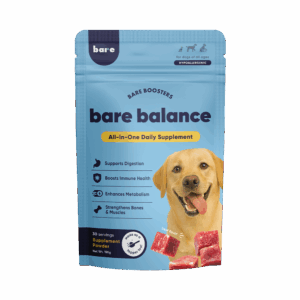
Ear inflammation may also be triggered by hidden allergens in your dog’s food. If your pup often rolls their head after eating or scratches their ears, it could signal a food-based reaction. Many pet parents have seen improvement by switching to limited-ingredient diets with natural anti-inflammatory support, such as our Bare Balance All-In-One Dog Supplement to maintain internal balance.

Practical Guidance for Dog Owners

Understanding your dog’s post-meal behaviors can help you provide better care. Dogs often display specific patterns after eating that are normal and sometimes even beneficial for their digestive health.

Interpreting Dog Behavior

Dogs roll after eating for several reasons that relate to their instincts and comfort. This behavior often stems from feeling satisfied after a good meal – much like how we might pat our bellies after enjoying dinner!

Some dogs roll to spread food scents on their fur, which is an instinctual behavior from their wild ancestors. This “scent masking” helped wild canines hide their presence from prey or potential threats.

💡 Tips

Watch for the context of rolling – happy rolling typically includes relaxed body language and possibly a wagging tail.


Other dogs may roll to relieve minor digestive discomfort. The pressure against the floor can help move gas through their system – especially important for breeds prone to bloating.

We’ve noticed that dogs fed high-quality, natural foods like those from Barepets.com often show more playful post-meal behaviors rather than discomfort rolling.

Managing Excessive Rolling

While post-meal rolling is usually harmless, excessive or frantic rolling might indicate discomfort. If your pup seems distressed while rolling, it could signal digestive issues or food sensitivities.

Warning Signs Recommended Action
Whining or yelping while rolling Contact your vet promptly
Repeated rolling for over 5 minutes Monitor closely, consider food changes
Rolling accompanied by vomiting Seek immediate veterinary care
For dogs that roll excessively, we recommend establishing a post-meal routine. Try a gentle 5-minute walk to aid digestion instead of immediate play or rolling opportunities.

Adjusting feeding schedules can also help – smaller, more frequent meals may reduce digestive discomfort that triggers rolling behavior. About 80% of dog owners report improvement after implementing consistent feeding times.

Adding a daily probiotic routine may also help stabilize digestion, especially in breeds prone to gas or food sensitivities. A probiotic blend, our Good Gut Dog Supplement, can help reduce gut-related triggers that lead to rolling or restlessness after meals.

Real dogs deserve real ingredients.

Tags
grab a Barepets bare
Close
doggy bowl
Your cart is emptyReturn to Shop
Apply Coupon
Available Coupons
bareparent20 Get 20% off New customers can avail 20% off their first order.