Ever wonder what that “turkey meal” listed on your dog’s food bag actually is? Many pet parents see this ingredient but aren’t quite sure what they’re feeding their furry friends. At Bare Pets, we believe in transparency about what goes into your dog’s bowl. Turkey meal is a concentrated protein source made by cooking down turkey meat, skin, and sometimes bone, removing the water and fat, then grinding it into a powder that provides high protein content for dog food formulations.
Turkey meal packs more protein per ounce than fresh turkey because most of the moisture has been removed. This makes it an excellent ingredient for dogs who need protein-rich diets. Not all turkey meals are created equal, though! The quality can vary widely depending on the parts used and the processing methods.
We carefully select premium turkey meal for our formulations that balances protein content with moderate fat levels. This helps maintain your pup’s muscle mass while providing sustained energy throughout the day. Plus, turkey is often a good alternative for dogs who might have sensitivities to chicken or beef proteins.
💥 Quick Answer
Turkey meal is a concentrated protein powder made from cooked, dried, and ground turkey that provides high-quality protein in dog food formulations.
Key Takeaways
Turkey meal contains more concentrated protein than fresh turkey because the water has been removed during processing.
Quality turkey meal provides essential amino acids for muscle maintenance while being moderate in fat content.
This ingredient often serves as an excellent alternative protein source for dogs with sensitivities to more common proteins like chicken.
Understanding Turkey Meal in Dog Food
Turkey meal is a concentrated protein source that plays a crucial role in commercial dog food. We at BarePets believe in helping pet parents understand exactly what goes into their dog’s food bowl and why it matters for their furry family members.
Definition and Production of Turkey Meal
Turkey meal is created through a process called rendering, where turkey parts are cooked to remove moisture and fat. This creates a highly concentrated protein powder that contains roughly 300% more protein by weight than fresh turkey meat.
💥 Quick Answer
Turkey meal is a concentrated protein powder made from rendered turkey parts, with moisture and fat removed, resulting in much higher protein content than fresh turkey.
The production begins with turkey parts that aren’t typically used for human consumption but are perfectly nutritious for dogs. These parts are ground and cooked at high temperatures (240-280°F) to separate fat, remove water, and kill potential pathogens.
What’s left is a protein-rich powder that typically contains:
65-70% crude protein
10-14% fat
10-12% minerals
Less than 10% moisture
Turkey Meal vs Whole Turkey and Other Meals
When you see “deboned turkey” on a label, it contains about 70% water. After cooking, that same turkey might only contribute a small fraction of the promised protein. Turkey meal, however, keeps its protein levels consistent because the water has already been removed.
Ingredient
Protein %
Moisture %
Cooking Impact
Turkey Meal
65-70%
10% or less
Minimal change
Fresh Turkey
18-22%
70-75%
Significant reduction
Chicken Meal
65-70%
10% or less
Minimal change
Compared to chicken meal, turkey meal often contains slightly less fat while providing similar protein levels. We’ve found that turkey meal can be gentler for dogs with chicken sensitivities while still delivering excellent nutrition.
📝 Note
Quality matters! Not all turkey meals are created equal. Look for named sources (like “turkey meal”) rather than generic “poultry meal” for better quality assurance.
Nutritional Benefits and Considerations for Dogs
Turkey meal provides numerous nutritional advantages for dogs when included in their diet. It delivers essential proteins, healthy fats, and important micronutrients that support overall canine health and wellbeing.
Protein Content and Amino Acid Profile
Turkey meal stands out as an exceptional protein source in dog food, typically containing 65-70% protein compared to just 18-22% in fresh turkey meat. This concentrated protein helps maintain muscle mass and supports vital bodily functions in our canine companions.
The amino acid profile of turkey meal is particularly impressive. It contains all essential amino acids dogs need, including taurine, which supports heart health and vision. Turkey meal also provides branched-chain amino acids (BCAAs) that help with muscle development and recovery.
💥 Quick Answer
Turkey meal typically contains 65-70% crude protein, making it one of the most protein-dense ingredients in quality dog foods.
The biological value of turkey meal protein is high, meaning dogs can efficiently use it to build and repair tissues. This makes it an excellent option for active dogs, puppies, and seniors who need quality protein sources.
Fats and Essential Fatty Acids
Turkey meal naturally contains moderate fat levels, typically ranging from 10-15%, providing concentrated energy for active dogs. These fats support healthy skin, coat condition, and cellular function throughout the body.
Fat Components
Benefits
Typical Content
Omega-6 fatty acids
Skin health, inflammation response
Moderate
Omega-3 fatty acids
Brain function, joint health
Low-moderate
Total fat
Energy, nutrient absorption
10-15%
We often pair turkey meal with supplemental fat sources like chicken fat or salmon oil to create an optimal fatty acid balance. These additional fats enhance palatability while providing essential fatty acids that turkey meal might not supply in sufficient quantities.
Mixed tocopherols (natural vitamin E compounds) are frequently added to preserve these fats, protecting them from oxidation while adding nutritional benefits of their own.
Vitamins and Minerals Incorporation
Turkey meal naturally contains a variety of essential minerals, particularly phosphorus and calcium in an approximately 1:1 ratio ideal for bone health. It also provides significant amounts of potassium, selenium, and zinc.
📝 Note
The mineral content in turkey meal is more concentrated than in fresh turkey, making it a valuable source of these nutrients in kibble formulations.
The vitamin profile of turkey meal includes natural B vitamins that support metabolism and energy production. However, most quality dog foods supplement turkey meal with additional vitamins like vitamin A for vision and immune function, vitamin D for calcium absorption, and vitamin E for antioxidant protection.
We ensure our formulations contain appropriate amounts of manganese, which works with many enzymes in the body. Turkey meal combined with these supplemental vitamins and minerals creates a comprehensive nutritional profile that supports everything from immune function to bone development.
Incorporating Turkey Meal into a Balanced Dog Diet
Turkey meal provides excellent protein for your dog’s diet and can be efficiently incorporated into their daily meals. We recommend following specific portion guidelines and combining turkey meal with complementary ingredients for optimal nutrition.
Feeding Instructions and Portion Sizes
Determining the right amount of turkey meal-based dog food depends on your dog’s weight, age, and activity level. Most adult dogs require about 25-30 calories per pound of body weight daily. Turkey meal is calorie-dense, containing approximately 350-400 calories per cup of food.
💥 Quick Answer
For a 50-pound adult dog, approximately 2-2.5 cups of turkey meal dog food daily is recommended, divided into two meals.
Always transition to a new turkey meal food gradually over 7-10 days to avoid digestive upset. Mix increasing amounts of the new food with decreasing amounts of the old food.
Monitor your dog’s weight and adjust portions as needed. Active dogs may need up to 20% more food, while less active or senior dogs might need 10-20% less.
Combining Turkey Meal with Other Ingredients
Turkey meal works wonderfully with a variety of wholesome ingredients to create a balanced diet. We at Barepets.com pair our premium turkey meal with nutrient-rich vegetables and fruits.
Food Group
Ingredients
Benefits
Vegetables
Carrots, peas, spinach, broccoli
Fiber, vitamins A & K, antioxidants
Fruits
Blueberries, cranberries, apples
Antioxidants, vitamin C
Plant Protein
Lentils
Additional protein, fiber, minerals
Fresh herbs like parsley can be added in small amounts (1-2 teaspoons per day for a medium-sized dog) to support breath freshness and provide additional nutrients.
Remember that while turkey meal provides excellent protein, combining it with these plant-based ingredients creates a more complete nutritional profile. This balanced approach helps support your dog’s overall health, immune system, and digestion.
Ever wondered what’s actually in your dog’s food bowl? If you’ve been reading pet food labels lately, you might have spotted “salmon meal” as an ingredient. At Barepets.com, we often get questions about this common protein source.
Salmon meal in dog food is a concentrated protein powder made by cooking salmon and removing most of the moisture. This creates a protein-rich ingredient that contains up to 300% more protein by weight than fresh salmon. It’s not the same as fresh salmon fillets you’d eat for dinner, but rather a processed form that packs more nutrients into a smaller volume.
We find that high-quality salmon meal offers excellent nutritional benefits for dogs, including omega-3 fatty acids for healthy skin and coat, and essential amino acids for muscle development. When properly sourced and processed, it can be a valuable part of your dog’s diet – though quality varies widely between manufacturers.
Key Takeaways
Salmon meal is a concentrated protein powder made from processed salmon with moisture removed
Quality salmon meal contains beneficial omega-3 fatty acids and essential amino acids for dogs
Not all salmon meal is created equal – look for products specifying human-grade or named sources
Understanding Salmon Meal in Dog Food
Salmon meal is a concentrated protein ingredient that brings significant nutritional value to dog food. This processed ingredient packs more protein per weight than fresh salmon and offers essential fatty acids that support canine health.
Definition and Production of Salmon Meal
Salmon meal is created through a rendering process where fresh salmon is cooked to remove moisture, then ground into a fine powder. Unlike fresh salmon, which contains up to 70% water, salmon meal has most moisture removed, creating a concentrated fish protein source for pet food formulations.
We at barepets.com carefully select our salmon meal suppliers to ensure quality and sustainability. The production process involves:
Cooking raw salmon at high temperatures
Removing moisture through pressing
Grinding the dried material into a powder
Testing for quality and contaminants
📝 Note
Quality salmon meal contains 3-4 times more protein than fresh salmon because the water has been removed!
This concentrated form allows us to pack more protein into each kibble without increasing the overall volume of ingredients.
Nutritional Benefits of Salmon Meal
Salmon meal is packed with nutrients that support your dog’s health from nose to tail. As one of the premium proteins available in dog food, it delivers exceptional nutritional value.
Nutrient
Benefit
High-quality protein
Supports muscle development and maintenance
Omega-3 fatty acids
Reduces inflammation, supports brain and eye health
Omega-6 fatty acid
Promotes healthy skin and coat
The omega-3 content is particularly impressive, with EPA and DHA that support cognitive function and joint health. Dogs eating foods with salmon meal often show improvements in coat shine and skin health within a few weeks.
We’ve noticed that even picky eaters love the rich flavor salmon meal brings to our recipes!
Key Nutrients in Salmon Meal-Based Dog Food
Salmon meal packs a powerful nutritional punch for dogs, offering a complete profile of essential nutrients. It’s especially notable for its rich concentration of vitamins, minerals, and healthy fats.
Vitamins and Minerals
Salmon meal contains an impressive array of vitamins that support your dog’s overall health. Vitamin A promotes healthy vision and immune function, while Vitamin E acts as a powerful antioxidant protecting cells from damage.
The B-vitamin family is well-represented in salmon meal with B12 supporting nervous system function and folic acid aiding in cell division and growth. Calcium pantothenate (Vitamin B5) helps convert food into energy.
💡 Tips
At BarePets, we add choline chloride to our salmon meal formulas to support brain development and liver function in dogs of all ages.
Mineral content is equally impressive. Calcium and phosphorus work together for strong bones and teeth. Zinc proteinate, a highly absorbable form of zinc, supports skin health and immune function.
Amino Acids and Fatty Acids
Salmon meal is packed with complete proteins containing all essential amino acids dogs need. These building blocks help maintain muscle mass and support immune function.
Key Fatty Acids
Benefits
EPA & DHA (Omega-3s)
Reduce inflammation, support brain & heart health
L-Carnitine
Helps convert fat to energy, supports weight management
Taurine
Essential for heart function and eye health
The omega-3 fatty acids in salmon meal are particularly valuable. They reduce inflammation, promote healthy skin and coat, and support cognitive function. We’ve found these fatty acids are particularly beneficial for older dogs and those with joint issues.
Assessing Quality and Safety
Knowing how to check the quality of salmon meal in dog food helps keep your pet healthy and happy. Good salmon meal provides essential nutrients while poor quality can cause health issues.
Ingredients Sourcing and Manufacturing
At Bare Pets, we carefully select our salmon meal sources. We use fresh, wild-caught salmon from sustainable fisheries in the USA. This ensures our dry dog food maintains high crude protein levels (typically 30-35%) without unwanted additives.
Our manufacturing process preserves the natural oils and omega fatty acids that make salmon valuable for pets. We track each batch from ocean to bag, ensuring freshness and purity.
💡 Tips
Always check if the package specifies “human-grade” salmon meal, which meets higher quality standards than feed-grade ingredients.
Our grain-free formulas use salmon meal with no corn, wheat, or soy fillers. Good salmon meal should have a fresh smell and light color, not a burnt or overly fishy odor.
Regulatory Standards and Certifications
Quality salmon meal meets strict FDA and AAFCO standards. We exceed these requirements by testing for mercury, PCBs, and other contaminants that could harm your dog.
Look for these important certifications on packaging:
Made in the USA label – ensures production follows US safety standards
Marine Stewardship Council (MSC) certification – verifies sustainable fishing practices
Quality Indicator
What to Look For
Ingredient List
Salmon meal listed clearly, with wholesome ingredients following
Guaranteed Analysis
Minimum 25% crude protein, 12% crude fat, max 10% moisture
Manufacturing Info
Made in USA with lot numbers for traceability
Our natural flavors come only from real food sources, never artificial chemicals. Premium salmon meal should support your dog’s coat health, joint function, and immune system.
Have you ever seen your furry friend eyeing your yogurt with those puppy dog eyes? You’re not alone! Many pet parents wonder if sharing this creamy treat is okay. Yogurt can actually be a healthy addition to your dog’s diet when given in moderation. Dogs can safely consume 1-2 tablespoons of plain, unsweetened yogurt per day for a medium-sized dog (20-50 pounds), while smaller dogs should have just 1 teaspoon and larger dogs can handle up to 1/4 cup.
We at Bare Pets understand that treating your pup is one of life’s little joys. Yogurt offers some great benefits for dogs, including probiotics that support digestive health and calcium for strong bones. But not all yogurts are created equal! Skip the sweetened varieties that contain artificial sweeteners like xylitol, which can be toxic to dogs.
Think of yogurt as a special treat rather than a dietary staple. Too much dairy can upset your dog’s tummy since many adult dogs don’t produce enough lactase to properly digest lactose. When introducing yogurt to your dog’s diet, start with a small amount to see how they react. Your dog’s tail will be wagging with joy at this cool, occasional treat!
💥 Quick Answer
Dogs can have 1-2 tablespoons of plain yogurt daily for medium dogs, 1 teaspoon for small dogs, and up to 1/4 cup for large dogs.
Key Takeaways
Plain, unsweetened yogurt in small amounts provides beneficial probiotics for your dog’s digestive health.
Always avoid yogurt containing xylitol or artificial sweeteners which can be harmful or toxic to dogs.
Monitor your dog for signs of lactose intolerance when introducing yogurt and adjust portions based on your dog’s size.
Understanding Yogurt for Dogs
Yogurt offers beneficial probiotics for dogs when given in proper amounts and forms. Not all yogurt varieties are created equal, and choosing the right type is crucial for your furry friend’s digestive health.
Types of Yogurt Safe for Dogs
Plain yogurt is the safest option for your pup. It contains fewer additives and less sugar than flavored varieties. When shopping for dog-friendly yogurt, we recommend looking specifically for these features:
💥 Quick Answer
Plain, unsweetened yogurt with live cultures is best for dogs. Greek yogurt is an excellent choice due to its higher protein content and lower lactose.
Greek yogurt is particularly beneficial because it’s strained multiple times, reducing lactose content while increasing protein. This makes it easier for dogs to digest, especially those with mild lactose sensitivity.
Always avoid yogurts containing artificial sweeteners (particularly xylitol, which is toxic to dogs), added sugars, or flavorings. These ingredients can cause stomach upset or more serious health issues in your pet.
Probiotics in Yogurt
The real magic of yogurt for dogs comes from its probiotic content. These beneficial bacteria can help balance your dog’s gut flora and support digestive health.
Look for yogurt with “live and active cultures” on the label. These living microorganisms provide the digestive benefits your dog needs.
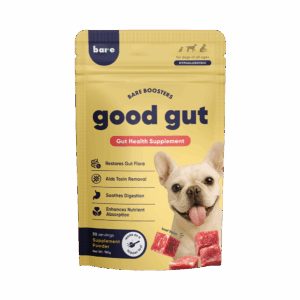
For more consistent results, consider a daily probiotic supplement like Bare Pets’ Good Gut designed specifically for dogs. While yogurt offers general digestive support, supplements can provide targeted strains backed by veterinary research.
While yogurt can be a good source of probiotics, specialized canine probiotic supplements might offer more targeted support for specific digestive issues. We’ve seen great results when dogs with sensitive stomachs receive the right probiotic blend.
📝 Note
The probiotics in yogurt are most beneficial when the product is fresh and has been properly refrigerated.
Health Benefits and Risks
Yogurt offers dogs both nutritional advantages and potential concerns. The right type and amount can support digestive health, while improper choices may lead to complications.
Yogurt as a Probiotic Supplement
Plain yogurt contains beneficial bacteria like Lactobacillus acidophilus and Bifidobacterium that support your dog’s gut health. These probiotics help maintain the balance of good bacteria in your pet’s digestive system, potentially easing digestive issues.
💥 Quick Answer
Yogurt works as a natural probiotic supplement for dogs with mild digestive issues, supporting their gut health with beneficial bacteria.
At Barepets.com, we’ve seen many dogs benefit from yogurt as a supplement. Research shows that probiotic supplements can help shorten the duration of diarrhea and improve stool quality in dogs with sensitive stomachs, though results vary depending on the strain and dosage used.
Yogurt also provides calcium and protein that contribute to bone health and muscle maintenance. Some studies indicate that regular, small servings may help boost your dog’s immune system through improved gut health.
Potential Health Risks
While yogurt offers benefits, it comes with several important cautions. Always avoid yogurt containing artificial sweeteners, especially xylitol, which is toxic to dogs and can cause dangerous drops in blood sugar and liver failure.
📝 Note
Always check yogurt labels for xylitol, chocolate, and high sugar content before sharing with your pup!
Many dogs are lactose intolerant, meaning they lack sufficient enzymes to properly digest milk sugars. This can lead to uncomfortable symptoms like:
Gas and bloating
Diarrhea
Vomiting
Abdominal pain
We recommend starting with tiny amounts (1-2 teaspoons) to test your dog’s tolerance. Approximately 70% of adult dogs have some degree of lactose intolerance due to reduced lactase enzyme activity after weaning. This is a well-documented metabolic reaction in dogs, recognized in veterinary literature and clinical references, such as the Merck Veterinary Manual.
High-fat yogurts may contribute to pancreatitis in susceptible dogs, particularly small breeds or those with existing health conditions.
Feeding Guidelines for Dogs
Proper yogurt portions and timing are essential for maintaining your dog’s digestive health. Yogurt can be a beneficial treat when given correctly and in appropriate amounts.
Determining Appropriate Portions
The right yogurt serving size depends mostly on your dog’s weight. We recommend following this size-based approach:
💥 Quick Answer
Small dogs (under 15 lbs): 1-2 teaspoons
Medium dogs (15-35 lbs): 1-2 tablespoons
Large dogs (over 35 lbs): 2-3 tablespoons
Always start with smaller amounts than recommended. This lets you check for any negative reactions before increasing the portion.
Your dog’s age and activity level also matter. Puppies have more sensitive digestive systems, so they should get even smaller portions. Athletic dogs may tolerate slightly more yogurt due to their higher metabolism.
📝 Note
Always choose plain, unsweetened yogurt with live cultures. Avoid flavored varieties that contain sugar, artificial sweeteners, or additives.
Frequency and Moderation
We recommend offering yogurt to your dog just 2-3 times per week rather than daily. This frequency provides probiotic benefits without overdoing dairy consumption.
Treats, including yogurt, should make up no more than 10% of your dog’s daily caloric intake. The remaining 90% should come from complete and balanced dog food.
💡 Tips
• Mix yogurt with your dog’s regular food
• Use as a topper for kibble
• Freeze in small portions for a cooling summer treat
If your dog is lactose intolerant or has a sensitive stomach, even small amounts of yogurt may cause issues. Watch for signs like gas, diarrhea, or vomiting after yogurt consumption.
When introducing yogurt for the first time, we suggest consulting your veterinarian. This is especially important if your dog has existing digestive problems or is on medication.
If you’re unsure about using yogurt as a daily supplement, check out our guide on the best probiotics for dogs to explore other gut-friendly options.
Your dog’s health starts with what’s in their bowl. The healthiest dog food features high-quality protein sources as the first ingredient, avoids artificial preservatives and fillers, and caters to your dog’s specific nutritional needs based on age, size, and health condition. Recognizable ingredients and an AAFCO (Association of American Feed Control Officials) approval on the label are key indicators of quality.
However, every dog is unique. For instance, your energetic Border Collie will have different dietary needs than your neighbor’s senior Chihuahua. Monitoring your dog’s response to their food—shiny coat, healthy weight, and solid digestion—can help you determine if you’ve made the right choice.
Key Takeaways
Read ingredient labels carefully: Prioritize foods with real meat as the first ingredient and minimal artificial additives.
Consider your dog’s specific needs: Age, size, activity level, and health concerns should guide your selection.
Monitor your dog’s response: Look for signs like a shiny coat, stable energy levels, and healthy digestion.
Understanding Dog Food Labels and Nutritional Needs
Reading dog food labels can feel overwhelming, but it’s essential for ensuring your pet’s health. Here’s how to decode them and identify quality nutrition.
Decoding Ingredient Lists
Ingredients are listed by weight, with the heaviest items first. This gives you a clear picture of the food’s composition.
What to Look For:
Named protein sources like “chicken” or “beef” instead of vague terms like “meat” or “animal protein.”
Recognizable whole food ingredients.
Limited fillers like corn and wheat.
Red Flags to Avoid:
By-products without specific animal sources.
Chemical preservatives like BHA, BHT, and ethoxyquin.
Artificial colors and flavors.
💡 Tip: Don’t be fooled by fancy packaging! Focus on the first five ingredients—they make up the bulk of the food’s content.
Importance of AAFCO Standards
The AAFCO sets nutritional standards to ensure your dog gets the nutrients they need at every life stage.
Formulation Statement: Indicates the food meets AAFCO nutrient profiles on paper.
Feeding Trial Statement: This means the food has been tested on real dogs, which is a stronger indicator of quality.
Look for the phrase “complete and balanced” on the label. Without AAFCO certification, you can’t be sure the food provides proper nutrition.
AAFCO Statement Type
Description
Quality
Formulation Statement
Meets nutrient requirements on paper
Good
Feeding Trial Statement
Tested on dogs
Better
Determining Nutritional Value and Balancing Diet
Dogs need a balance of proteins, fats, carbohydrates, vitamins, and minerals. The right amounts vary based on age, size, breed, and activity level.
Key Nutritional Elements:
Protein: Minimum 18% for adults, 22% for puppies.
Fat: Minimum 5% for adults, 8% for puppies.
Fiber: Typically 2–4%.
⚠️ Note: Dogs with special health conditions may require specific nutrient profiles. Always consult your vet before making dietary changes.
💡 Tip: Rotating between high-quality foods like Candidly Fresh Chicken and Seriously Beefy can provide a wider range of nutrients and prevent sensitivities.
Selecting the Right Type of Dog Food
Choosing the right format—dry, wet, fresh, or raw—can significantly impact your pet’s health and enjoyment of meals.
Pros and Cons of Dry vs. Wet Food
Dry Kibble:
Pros: Affordable, long shelf life, supports dental health.
Cons: Low moisture content (~10%); some brands rely on fillers.
Pros: High moisture content (70–80%), great for hydration, appealing to picky eaters.
Cons: More expensive, doesn’t support dental health, requires refrigeration after opening.
The Role of Fresh and Raw Foods in a Dog’s Diet
Fresh dog food, like Candidly Fresh Chicken, offers minimally processed ingredients that retain more nutrients. Many pet parents report improvements in coat quality, energy levels, and digestion after switching to fresh diets.
Diet Type
Processing Level
Typical Benefits
Commercial Raw
Minimal
Dental health, coat quality, smaller stools
Homemade Raw
None
Complete control of ingredients
Gently Cooked
Moderate
Pathogen-free, maintains nutrient content
⚠️ Note: Raw diets require careful handling to avoid bacterial contamination. Always consult your vet before starting raw feeding programs.
Addressing Specific Health Concerns with Dog Food
Food Allergies and Sensitivities
Dogs can develop allergies to common ingredients like beef, dairy, chicken, wheat, and soy. Symptoms include:
Excessive itching or paw licking.
Recurring ear infections.
Gastrointestinal issues (vomiting, diarrhea).
Red, inflamed skin.
💡 Tip: Try an elimination diet with limited ingredients or novel proteins like venison or duck to identify triggers. Hypoallergenic foods like Candidly Fresh Lamb can help reduce symptoms.
Breed-Specific Nutrition Requirements
Different breeds have unique nutritional needs based on size, activity level, and genetic predispositions.
⚠️ Note: Large breed puppies need specially formulated food with controlled calcium to prevent growth issues.
Senior Dogs
Joint Support: Look for glucosamine and chondroitin.
Digestibility: Moderate protein levels that are easy to digest.
Fiber: Increased for digestive health.
Over 50% of senior dogs struggle with obesity, which can exacerbate joint problems and increase disease risk. Weight management formulas can help mitigate these issues.
Final Thoughts
Choosing the healthiest dog food requires careful attention to ingredient quality, nutritional balance, and your pet’s unique needs. Whether you opt for dry kibble, wet food, or fresh options like Bare Pets’ Candidly Fresh Chicken, always prioritize your dog’s well-being.
Need personalized guidance? Visit Bare Pets or consult your veterinarian to find the perfect diet for your furry friend.
There are nearly 12 million dog owners in the Philippines, making up 78% of pet owners locally. Plus, 67% of Filipino households own a dog. The demand for quality dog food has never been higher, and with the many options out there today, choosing the best dog food for your furry friends is one of the most crucial decisions you make as a pet owner.
Amidst a sea of choices, dry dog food stands out for its convenience and nutritional value. This comprehensive guide delves into everything you need to know about choosing the best kibble, balancing quality with dog food prices, and navigating the vast world of dog food brands.
All You Need to Know About Dry Dog Food
Dry dog food, often called kibble, is a popular choice among pet owners for several reasons. It’s convenient to store, easier to serve and portion, often more affordable than wet food, and can help maintain your dog’s dental health by reducing plaque buildup.
But not all kibble is created equal. The best dry dog food brands prioritize premium ingredients, nutritional balance, and taste to ensure your pet is not only satisfied but healthy and thriving.
Looking for a vet-approved, protein-rich kibble with real meat as the first ingredient? Candidly Fresh Chicken Adult Dog Kibble is formulated to support digestive health, energy, and coat shine, all in one crunchy bite.
The Importance of Quality in Kibble Dog Food
The quality of dog foods plays a pivotal role in your pup’s health.
The best dog food brands go to great lengths to ensure their products exceed nutritional standards. Complete, high-quality dry dog food features ingredients that provide a balanced diet rich in proteins, fats, and carbohydrates, such as real meat, vegetables, and grains.
Avoid dog foods with excessive fillers, artificial colors, or preservatives and brands that use vague or generic terms in their ingredient lists. While the idea of mystery meat can trigger our curiosity, ambiguous by-products typically detract from the nutritional value of the kibble, offering low-quality proteins and potentially harming our pet’s health.
Additionally, reputable brands will often have their products certified by veterinary nutritionists or meet the standards set by the Association of American Feed Control Officials (AAFCO).
Key Features
What to Avoid
Real Meat (i.e. beef or chicken as primary ingredients, providing high protein)
Generic Meat Terms (i.e. vague terms like “meat meals” or “by-products”)
Fruits & Vegetables
Artificial Colors & Additives
Whole Grains (i.e. oats, brown rice)
Excessive Fillers (i.e. corn, wheat, soy)
Healthy Fats (Omega-3 & Omega-6)
Artificial Preservatives (i.e. BHA, BHT)
Transparent Ingredients List
Ambiguous Ingredients
AAFCO Certification
No Certifications
Navigating Dog Food Prices and Brands
Understanding dog food prices and what influences them can help you make informed decisions without compromising quality. Premium dog foods often have a higher price tag due to their superior and complete ingredients list and nutritional content.
However, a higher cost doesn’t always equate to higher quality. Researching and comparing dog food brands can reveal affordable options that meet your dog’s dietary needs.
Pet owners buy dog food according to their pup’s unique dietary needs, considering their own budget in the process. However, these top brands have established reputations for quality and offer a wide range of products tailored to different dietary requirements, life stages, and health conditions. Plus, some of these brands are hypoallergenic, making them perfect for dogs with food allergies and sensitivities.
Choosing the Best Dry Dog Food for Your Pet
Each dog is unique, meaning their dietary needs vary based on a combination of their age, size, breed, and underlying health conditions, among many other factors.
For instance, puppies require more protein and nutrient-dense food to support their speedy growth and development. On the other hand, adult dogs may benefit more from lower-calorie diets to prevent weight gain, and senior dogs require more fatty acids to support joint health.
Dogs with specific health issues, such as allergies, arthritis, kidney issues, or digestive problems, may require specialized formulas for vitamin and mineral deficiencies.
Consult with your veterinarian to decide on the best type of dog food. Professionals can provide personalized recommendations based on your dog’s health history and nutritional requirements.
While grain-free diets have become popular, they’re not necessarily superior. Whole grains like rice and oats can be a healthy part of a dog’s diet unless they have sensitivities.
How often should I switch my dog’s food?
When changing your dog’s diet, it’s crucial to make gradual transitions to avoid digestive upset. Introduce the new food slowly, mixing it with the old food over a week.
Does the first ingredient matter?
Absolutely! The first ingredient listed on dog food packaging indicates the primary component. Look for high-quality protein sources like chicken, beef, lamb, or fish as the first ingredient. For example, the first ingredient in Bare’s Candidly Fresh Chicken recipe is Fresh Chicken.
Final Thoughts: Choosing the Best Dry Dog Food
Choosing the best dry dog food is a significant decision that impacts your furry friend’s health, happiness, and quality of life. By prioritizing quality ingredients, understanding your dog’s dietary needs, and researching reputable brands, you can find the best dry dog food that offers the perfect balance of nutrition, texture, and flavor. Remember, the best dog food supports your dog’s overall well-being, providing a foundation for a long and healthy life. For more insights on pet care, health, and nutrition, explore our website and join our community of responsible pet owners. Have experiences or tips to share about selecting the best dog food? Leave a comment below or reach out to us with your stories.
Not sure which kibble is best for your dog’s breed or health condition? Take the Bare Pets’ Product Quiz and get personalized recommendations tailored to your pet’s needs.
Choosing the healthiest dog food is crucial for the overall well-being of our beloved pups.
Because of all the modern dog food choices and different marketing claims out there, dog owners often struggle to know what truly benefits their furry companions. This article aims to unravel the complexities of dog food ingredients and nutrients, offering clear guidance to help you choose the best option tailored to your dog’s specific needs.
Understanding Dog Nutrition
Many dog owners think their dogs don’t need a “well-balanced” meal like humans do. Many also assume that a balanced dog diet consists of kibble and gravy, and occasional frozen veggies. The truth is, like humans, a healthy dog diet should contain the essential nutrients that support your dog’s overall health – including their physical and mental well-being.
What Nutrients Do Dogs Need?
The Association of American Feed Control Officials (AAFCO) states that a complete and healthy dog diet requires the following nutrients and meets specific function and quality of life needs:
Proteins: Packed with amino acids, protein boosts immunity, improves coat and skin health, strengthens claws, builds muscle, protects cartilage, and manages weight.
Fats: Aside from adding texture to food, healthy fats, like Omega-3, are amazing energy sources for active dogs while reducing bad cholesterol levels.
Carbohydrates: Carbohydrates are another great source of energy for dogs. They also provide your dog with antioxidants and fiber, which sustains their digestive health.
Vitamins: Vitamins A, C, D, E, K, and B-complex play crucial roles in strengthening bones and muscles, metabolizing energy, and supporting skin and coat maintenance.
Minerals: Minerals like calcium build teeth and bones, zinc keeps coat fur healthy, while sodium maintains the nervous, muscular, and cardiovascular systems,
Bonus: Water! Don’t forget to refill your dog’s water bowl consistently. Water helps their body absorb the above nutrients, regulates their body temperature, and protects their vital organs.
What Factors Play A Role in A Dog’s Dietary Needs?
Each dog’s nutritional requirements are unique, and multiple factors come into play. Several include breed, age, size, gender, activity level, underlying health conditions, whether the dog is pregnant or lactating, and even whether they’re spayed or neutered.
For example, toy dogs like a 10-pound chihuahua would only need as little as 400 calories a day. Meanwhile, larger breeds, such as Great Danes and Newfoundlands, which can weigh over 100 pounds, could require 2,250 calories daily, sometimes even more.
As they age, puppies require more calcium, proteins, and carbohydrates to support their rapid development. Senior dogs may need a diet lower in fats and containing minerals like Vitamins C, E, and K to help with their aching joints and slower metabolism.
Some environmental aspects should also be considered, such as temperature, humidity, climate, elevation, and terrain. These factors are especially relevant to working or hunting dogs.
Consult a veterinarian to ensure your dog gets the right nutrients every day.
How to Read A Dog Food Label
According to the American Kennel Club (AKC), all pet food labels are enforced to contain the following information, typically in this specific format:
Product and brand name ( and/or a unique identifier)
Quantity (product weight, liquid measure, or count, depending on formulation)
Guaranteed analysis (specifies nutrient amounts).
Ingredients (must be listed in descending order by ingredient weight)
Nutritional adequacy statement (which life stage the product is for)
Feeding directions (usually specified by dog weight range)
Name and address of the manufacturer
Calorie statement (example: how much kilocalories by cup)
Understanding dog food labels can be tricky. However, learning more about the ingredients list, nutritional adequacy statement, and feeding directions is a good place to start.
As mentioned above, the ingredients are listed in order of weight, giving you insight into the primary components of the food. Premium-quality, healthy dog foods typically list a whole protein source, such as chicken or beef, as the first ingredient.
The Nutritional Adequacy Statement, often associated with AAFCO, provides information on whether the food is complete and balanced for a specific life stage. This statement is a quick reference to ensure the food meets your specific dog’s nutritional requirements.
The Role of Meat, Grains, and By-Products
Whole Meats vs Meat Meals
Many believe that whole meats always offer higher-quality protein than meat meals. While this is sometimes true, meat meals, rendered from meat tissue, can actually provide a more highly concentrated and abundant source of protein than the whole meat from which it came.
Often, whole meats contain a higher water percentage than meat meals, the latter of which are already rendered end-products of the whole meats. In fact, according to the AKC, meat meals can contain up to a higher percentage of protein than the actual whole meat itself.
However, the quality of whole meat can vary, and high-quality whole meat can be more beneficial than lower-quality meat meals. Additionally, despite meat meals having higher protein content, they can sometimes be made from lower-quality meats. Ultimately, the choice between whole meats and meat meals depends on the specific needs and health of your dog.
Is a grain-free diet good for dogs?
Grain-free diets have gained popularity among dog owners over the last few years, and grains have become infamous for causing dog obesity. This is because grains break down into sugars, which can also lead to diabetes and skin problems such as severe itchiness.
However, according to AAHA-accredited Small Door Veterinary, fewer than 1% of dogs are sensitive to grain, and food allergies aren’t common in dogs. There are actually health risks that come with a 100% grain-free diet, including an increased risk for heart disease.
Carbohydrates from grains provide an excellent energy source, especially for active dogs, and keep your pup’s coat shiny and skin healthy. Whole grains like brown rice, oats, quinoa, corn, and barley are rich in fiber, aiding in digestion and maintaining healthy blood sugar levels.
Despite all their positives, remember to use grains sparingly in your dog’s diet since they are still calorie-dense. Avoid using grains as a substitute for primary components such as meat. If your dog shows true signs of a grain allergy, consult a veterinarian immediately.
What is animal by-product, and is it good for dogs?
Many dog owners have a stigma about buying dog food that contains animal by-products. By-products are classified as “unfit for human consumption” but are used in many pet foods. In short, they’re “scraps.” But what exactly are by-products, and are they good or bad for dogs?
In terms of wet food, by-products are, simply put, organ meats: the kidneys, liver, lungs, spleen, and meat trimmings. Contrary to popular belief, by-products can be extremely rich in nutrients, palatable, and are the first choice for dogs when they’re introduced to new food.
By-products provide your pup with another source of protein other than muscle from lean meat and provide nutrients that your dog can’t get from lean meat alone. For instance, regular muscle meat lacks nutrients like calcium and Vitamin A, which can be sourced from by-products.
Ultimately, the addition of by-products to your dog’s diet really depends on your furry friend’s nutritional requirements. Make sure your dog doesn’t have any allergies or sensitivities to chicken or beef by-products before adding them to your pup’s diet.
How can you tell if your dog is allergic to the food?
Food allergies in dogs can manifest in various ways, including
Itchy skin, paws, or ears
Vomiting, gas, and diarrhea
Swollen face and/or paws
Red bumps, hair loss, hot spots
Red bumps, hair loss, hot spots
Sneezing or coughing
Frequent head shaking
Runny eyes or eye discharge
Weight loss or poor weight gain
Tiredness or lack of energy
Hyperactivity or restlessness
Increased irritability or aggression
Identifying and addressing food allergies is crucial for your dog’s well-being. If left untreated, it could lead to more serious health issues and a poor quality of life. An elimination diet under veterinary supervision, usually a prescribed or homemade diet of only protein and carbs, can help pinpoint which offending ingredients caused any allergic reactions,
Hypoallergenic diets that avoid common allergens can benefit dogs with allergies or sensitivities. Transitioning to these diets should be done gradually to avoid digestive upset.
Wet vs Dry: Choosing the Right Dog Food
Choosing between wet and dry food depends on your dog’s taste preferences, appetite, and health requirements. Consider your dog’s age, whether it’s a puppy, adult, or senior dog, as well as its size, whether it’s small, medium-sized, or bigger.
While wet food can be more palatable and easier to chew, making it ideal for pups and seniors, dry food offers dental benefits and more convenience to dog owners.
The comparison table below can help dog owners decide when to choose wet or dry dog food based on their pet’s specific needs, taste, and lifestyle.
Criteria
Wet Dog Food
Dry Dog Food
Hydration
Great for dogs needing extra moisture and hydration
Suitable if the dog gets enough water otherwise
Appetite Stimulation
Ideal for picky eaters or dogs with poor appetite
Good for dogs with normal or a bigger appetite
Dental Health
Less effective at reducing plaque buildup
Helps clean teeth and reduce plaque
Portion Control
Good for precise portion control
Easier to measure and store
Convenience
Requires refrigeration after opening
Suitable if the dog gets enough water; otherwise
Cost
Generally more expensive
Usually more cost-effective
Shelf Life
Shorter shelf life once opened
Longer shelf life
Digestibility
Easier to digest, good for sensitive stomachs
May be harder to chew and digest for some dogs, esp. seniors
Nutrient Density
Often more nutrient-dense per serving
It is more convenient, doesn’t require refrigeration
Weight Management
Can be more calorie-dense, risk of overeating
Easier to manage weight with portion control
Special Dietary Needs
Better for dogs with certain medical conditions
Wider variety of options available for different needs
Feeding Frequency
Good for dogs that eat multiple small meals
Suitable for free-feeding or scheduled meals
Age and Size
Suitable for puppies, seniors, and small breeds
Most suitable for adult dogs and larger breeds
Travel and Storage
Less convenient for travel, needs refrigeration
Ideal for travel, easy to store and carry
Homemade Dog Food and Supplements
Homemade dog food allows pet owners to have complete control over the ingredients used in their dog’s diet. This can be especially beneficial for dogs with allergies, sensitivities, or specific health conditions, as owners can tailor meals to meet each dog’s unique needs.
Before switching to this option, remember that creating a nutritionally balanced homemade diet requires careful planning and a deep understanding of canine nutritional requirements. As such, nutritional deficiencies or imbalances can lead to serious health issues over time.
Supplements may be necessary to address potential gaps in homemade diets. For example, calcium supplements might be needed if bones are not included in the diet, or omega-3 fatty acids may be added to support skin and coat health.
However, supplements should not be added without consulting a veterinarian. Excessive amounts of certain nutrients can be harmful and potentially toxic to dogs. For instance, too much calcium can cause skeletal problems, and an overdose of vitamin A can lead to liver damage.
Meanwhile, some commercial dog foods are actually formulated to be nutritionally complete, meaning they already contain all the necessary vitamins and minerals that your dog needs. These foods can effectively and conveniently double as a supplement, ensuring that your dog receives a balanced diet without the need for additional supplementation.
This convenience is one of the reasons many dog owners choose high-quality commercial foods, as they simplify feeding and provide peace of mind regarding nutritional adequacy.
The table below compares the pros and cons of feeding your homemade dog food with the addition of supplements to complete commercial dog food.
Criteria
Homemade Dog Food + Supplements
Complete Commercial Dog Food
Customization & Control
✔️
❌
Nutritional Specificity
✔️
✔️
Health Benefits
✔️
✔️
Convenience
❌
✔️
Nutritional Balance
❌
✔️
Cost
❌
✔️
Consistency
❌
✔️
Storage and Shelf Life
❌
✔️
Quality Control
❌
✔️
Special Dietary Needs
✔️
✔️
Key Learnings For Picking the Healthiest Dog Food
Choosing the healthiest dog food is a crucial decision that significantly impacts your dog’s quality of life. By understanding canine nutrition, learning to read dog food labels, and considering your dog’s unique needs, you can make informed choices that promote their health and happiness. Always consult with a veterinarian to tailor dietary choices to your dog’s specific requirements.
Sharing this knowledge with fellow dog owners can contribute to the well-being of more pets, helping them enjoy healthier and happier lives together. This comprehensive dog food guide aims to empower you with the knowledge to navigate the complex world of dog food, ensuring that your furry best friend receives the best possible nutrition.
As a pet parent in the Philippines, I’ve journeyed through various brands and types of dog food in search of the perfect meal for my furry companions. My quest was driven by the desire to enhance their health and vitality, and through my experiences, I’ve gained valuable insights into what constitutes top-tier canine nutrition. That’s why I’m excited to share a comprehensive guide to one of the best dog food options available in the Philippines: Bare Pets Candidly Fresh Chicken.
Understanding Our Dogs Nutritional Needs
Before delving into why Bare Pets stands out, it’s essential to understand dogs’ nutritional needs. A balanced diet encompassing proteins, fats, vitamins, and minerals is critical for a dog’s overall health. High-quality dog food not only satisfies hunger but also supports an active lifestyle, leading to a happier and healthier life for our pets.
The Association of American Feed Control Officials (AAFCO) plays a significant role in ensuring pet foods meet these nutritional standards. AAFCO is a voluntary association that aims to help regulate the sale and distribution of animal feeds. Although AAFCO does not directly regulate pet food, it establishes nutritional standards that most states in the U.S. adopt as part of their pet food regulations. For pet parents around the world, this can serve as one of a few great guides and sources of truth for what brands you can relatively trust without looking too deep.
One of the guidelines AAFCO provides is for adult maintenance. This profile is based on the minimum and maximum nutrient levels needed to provide a balanced diet for dogs at different life stages. For a dog food product to be labelled “complete and balanced,” it must meet the nutritional levels established by the AAFCO Dog Food Nutrient Profiles.
Bare Pets stands out because it formulates its products with these nutritional needs in mind, ensuring that every meal is not only satisfying but also contributes to the dog’s overall health and well-being. By adhering to AAFCO standards, Bare Pets demonstrates its commitment to quality and nutrition, offering dog owners peace of mind that they are providing their pets with a diet that supports an active lifestyle and promotes optimal health.
Factors to Consider When Choosing Dog Food – Dog Food Without ‘Meat Meal’
Choosing the right food for your dog involves careful consideration of several factors:
?? Quality of Ingredients: The foundation of superior dog food lies in its ingredients. High-quality, fresh components ensure your dog receives maximum nutritional benefits, promoting healthy skin and a shiny coat. Consider where your pet’s food ingredients are sourced geographically, what the manufacturing process is, and if the country exporting the pet food has any negative history associated with it. For instance, in 2008 there was a huge Chinese pet food contamination due to the lack of poor regulations and large companies cutting corners. The contamination resulted in the deaths of thousands of pets in the United States and other countries.
?? Type of Ingredients: Consider what the ingredients are, what they do for your pet’s health, and if they’re something you would be comfortable feeding your pet. For example, meat or poultry meal, for instance, “could” be considered a good source of protein; however, it’s essential to ensure it’s from a high-quality source. Most ‘meat meals’ contain very little beef / chicken meat. Meat meals might have parts of a cow and/or chicken in them, but they are not necessarily the same kind of beef or chicken as you would find in human food. Not even close. Any animal protein pet food ingredient that includes the word ‘meal’ behind it – is a rendered ingredient. In the USDA document “Rendering, Carcass Disposal, a Comprehensive Review”, rendering is defined as: “A process of using high temperature and pressure to convert whole animal and poultry carcasses or their by-products with no or shallow value to safe, nutritional, and economically valuable products. It is a combination of mixing, cooking, pressurising, fat melting, water evaporation, microbial and enzyme inactivation.” [Source] Though it has NO resemblance to meat, a ‘meat’ meal is what many brands include as a primary ingredient because most consumers do not know what it is. Bare Pets Candidly Fresh Chicken is a premium dog food without meat meal available in the Philippines that responsible pet parents can confidently purchase without having to worry about a lack of real transparency of what their pets are really eating.
?? Price vs. Value: While premium dog foods might come with a higher price tag, their value in terms of nutritional benefits and long-term health savings cannot be overstated. However, this goes without saying that not all brands that claim they’re premium, super premium or even super-ultra-premium dog food are genuinely better for your pet or your wallet. We would suggest examining the ingredient list for high-quality, recognizable ingredients like whole meats, whole grains, and named fruits and vegetables. Avoid foods with excessive fillers, artificial flavors, or by-products. Consider also looking for certifications from reputable organizations like the Association of American Feed Control Officials (AAFCO) or the World Small Animal Veterinary Association (WSAVA). These certifications indicate that the food meets certain nutritional standards.
High Protein Dog Food in the Philippines: Bare Pets Candidly Fresh Chicken
Through personal experience and extensive research, I’ve found that Bare Pets Candidly Fresh Chicken is more than just another dry dog food option. It’s a grain-inclusive, high-protein solution that meets the nutritional needs of dogs across the Philippines. Celebrated for its complete and balanced formula, it is rich in vitamins and minerals essential for a robust immune system and vibrant health. The high protein content is particularly beneficial for adult dogs, supporting muscle development and maintaining healthy skin and coat.
While protein is an essential component of a dog’s diet, more is not always better. As AAFCO recommends, adult dogs need less protein than a puppy, and thus buying a brand just because it has a higher protein content doesn’t mean you’re doing more good for your pet. Too high of a protein intake may strain kidneys, especially in dogs with pre-existing renal conditions, and contribute to weight gain due to higher caloric content, potentially leading to obesity and associated health problems. Nutritional imbalances can also arise, affecting overall health and causing digestive discomfort in some dogs. Moreover, the individual needs of dogs vary greatly based on age, activity level, and health status, making it crucial to tailor their diet accordingly. The quality of protein is equally important, emphasizing high-quality sources over sheer quantity. Therefore, it’s essential to consult with veterinary professionals to determine the optimal diet that aligns with the specific needs of each dog, ensuring their health and well-being.
Want to supercharge your dog’s diet? Pair Candidly Fresh Chicken with Bare Balance, a vet-formulated multivitamin that supports immunity, joints, and digestion in one daily chew.
Why Bare Pets Candidly Fresh Chicken is the Top Choice for Dog Food in the Philippines
Bare Pets Candidly Fresh Chicken is one of the best choices for those prioritizing high protein content that meets AAFCO standards alongside being a complete and balanced meal. The commitment to using high-quality, ethically sourced ingredients ensures that your dog enjoys a meal that’s not only delicious but also contributes to their overall health and well-being.
From my personal experience, switching to Bare Pets has made a noticeable difference in my dogs’ energy levels and coat quality. Having tried various brands, including “RC” and other premium options, I can confidently say that Bare Pets provides an exceptional balance of quality and value.
When I first introduced Bare Pets Candidly Fresh Chicken to my dogs’ diet, I was initially concerned about how they would react to a new food. To my delight, they took to it immediately, showing eagerness at meal times that I hadn’t seen before. Over time, I noticed their coats becoming shinier and their skin healthier. Even more impressive was their improved digestion and sustained energy throughout the day.
What sets Bare Pets apart is its transparent approach to ingredients. They show not only all ingredients that I can easily read and understand, but they also share exactly how much of each ingredient is included in every recipe they offer. The brand prides itself on a number of values I align to by sourcing ethically grown produce and ensuring that every batch of dog food meets stringent quality standards within Europe. This resonates deeply with me as a pet owner who values supporting small businesses looking to disrupt an industry that lacks innovation and a commitment that matches mine for my pet’s health.
Not sure which formula suits your pup best? Take the quick Product Quiz to get personalized recommendations in under a minute.
Top High-Protein Dog Foods: What Every Pet Owner Needs to Know
In conclusion, finding the best dog food for your beloved canine in the Philippines can be a daunting task amidst the myriad of options available. However, Bare Pets Candidly Fresh Chicken stands out as a superior choice for those seeking high-protein nutrition without compromising taste or quality. Its balanced formula supports healthy skin, a shiny coat, and a robust immune system—key indicators of a thriving adult dog.
As we all strive to give our pets the best life possible, choosing the right food is a significant step in that journey. With Bare Pets Candidly Fresh Chicken, you can rest assured that you’re providing your dog with high-quality nutrition that will keep them happy and healthy for years to come.
This article was written by an anonymous Bare Pet parent with an animal background for the Bare Pets Website.