Quantcast
Logo of Bare Pets

10 Longest-Living Pets That Make Great Lifelong Companions

A pet can be a great addition to any family, but when it comes to picking the right one, you want to make sure you’re choosing an animal that will be around for years. Here are 10 of the longest-living pets that you can bring home today. 

1. Goldfish

Goldfish are some of the most popular fish due to their small size and easy maintenance. But they can also live up to 15 years if properly cared for! They don’t require much upkeep, just regular water changes, clean tanks, and plenty of food. 

  • Average Lifespan: Up to 15 years
  • Diet: Flake food, brine shrimp, and occasional fresh vegetables
  • Common Illnesses: Swim bladder disease, fin rot

2. Turtles

Turtles may seem like low-maintenance pets, but they require specialized care, such as UV lighting and calcium supplements, to stay healthy and active. However, with proper care, turtles have been known to live up to 50 years or more! 

  • Average Lifespan: Up to 50 years
  • Diet: Pelleted turtle food, insects, and leafy greens
  • Common Illnesses: Respiratory infections, shell rot

3. Cockatoos

Cockatoos are intelligent and social birds who live up to 80 years in captivity if given enough attention and stimulation. They need plenty of time out of their cages for playtime and enrichment activities like puzzles or interactive toys that help keep them mentally stimulated. 

  • Average Lifespan: Up to 80 years
  • Diet: Pelleted bird food, fruits, and vegetables
  • Common Illnesses: Feather picking, respiratory infections

4. Parakeets

Parakeets are another type of bird that lives long lives when provided with appropriate care; some have been known to live up to 20 years or more! These colorful birds need lots of exercise outside their cages and daily interaction with their human companions to stay happy and healthy. 

  • Average Lifespan: Up to 20 years
  • Diet: Seeds, fresh fruits, and leafy greens
  • Common Illnesses: Psittacosis, bumblefoot

5. Rabbits

Rabbits may seem like short-lived pets at first glance, but they can live anywhere from 8-12 years, depending on their breed, diet, living conditions, and overall health status. As long as they receive regular veterinary checkups, proper nutrition, and plenty of exercise, they should be able to enjoy life for many years ahead!  

  • Average Lifespan: 8-12 years
  • Diet: Hay, leafy greens, and pellets
  • Common Illnesses: Overgrown teeth, GI stasis

6. Cats

With the right amount of love and attention, cats can easily reach into their late teens or early twenties with good health habits like regular vet visits and adequate nutrition (not too much fat!). Some breeds, such as Siamese cats, tend to have longer lifespans than others, so it’s essential to do your research before bringing one home!

  • Average Lifespan: Late teens to early twenties
  • Diet: High-protein kibble, wet food
  • Common Illnesses: Feline leukemia, diabetes

To keep your cat active and healthy into their senior years, proper nutrition is key. If you’re a dog owner too, check out Candidly Fresh Chicken Adult Dog Kibble, a high-protein option that supports long-term vitality and energy in dogs of all sizes.

7. Guinea Pigs

Guinea pigs are surprisingly hardy animals that can live between 4-8 years when provided with ample exercise opportunities outside their cages daily and a balanced diet rich in Vitamin C (they cannot synthesize this vitamin themselves, so it must be supplemented). 

Regular grooming is also essential for guinea pigs since they tend to avoid getting rid of excess fur on their own, which can lead to potential skin problems down the line if not addressed immediately by brushing/combing regularly.   

  • Average Lifespan: 4-8 years
  • Diet: Pellets, fresh fruits, and hay
  • Common Illnesses: Scurvy, respiratory infections

8. Dogs

The average lifespan for dogs varies depending on breed size, but larger breeds typically have shorter lifespans than smaller ones; however, all dogs need regular veterinary checkups and balanced nutrition explicitly tailored towards them based on age/activity level/etc. 

With proper care, dogs can easily reach double digits in age, especially when fed a high-quality, nutrient-rich diet that supports their specific life stage.

  • Average Lifespan: Varies by breed
  • Diet: Kibble, wet food, occasional treats
  • Common Illnesses: Arthritis, obesity

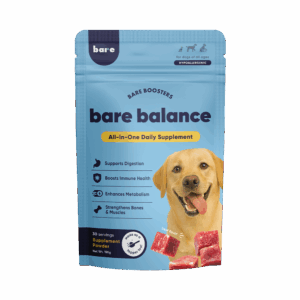
Looking for options that support longevity? Candidly Fresh Lamb Hypoallergenic Adult Dog Kibble is ideal for sensitive dogs, while Bare Balance helps round out your dog’s nutritional needs for long-term health.

9. Hamsters

Hamsters are great starter pets for kids due mainly to their cute appearance. Yet, they still provide many opportunities for learning about responsibility through primary care needs, such as feeding them properly daily or cleaning their cages once weekly. 

They usually only live 2-3 years, so while hamsters may not be around quite as long as some other pets listed above, they still provide hours upon hours of entertainment while they’re here!   

  • Average Lifespan: 2-3 years
  • Diet: Hamster pellets, fresh fruits, and vegetables
  • Common Illnesses: Wet tail, respiratory infections

10. Fish

Last but certainly not least is fish, which offer a variety of different options when looking at longevity depending on the species chosen; many types of goldfish (commonly kept) easily make it past 5years, while other aquarium residents, such as angel fish or clown loaches have known lifespans close 20yrs+! 

Fish tanks require minimal upkeep, making them perfect for those looking for something low maintenance. Yet, they still provide hours of enjoyment, watching these beautiful creatures swim around peacefully each day.  

  • Average Lifespan: 5-20 years, depending on species
  • Diet: Fish flakes, live food
  • Common Illnesses: Ichthyophthirius, fish dropsy

Frequently Asked Questions

How Often Should I Take My Pet to the Vet?

The frequency of veterinary visits varies depending on the pet. Dogs and cats typically benefit from annual check-ups. For dogs, pairing regular vet care with products like Jumpstart Joint Support Supplement can help manage mobility as they age.

What is the Most Low-Maintenance Pet on the List?

Goldfish stand out as the most low-maintenance pet on our list. Their diet is straightforward, consisting mainly of fish flakes, and their environment requires only regular water changes and a clean tank.

How Can I Adopt Rather Than Buy?

Opting for adoption saves an animal’s life and often comes with initial vaccinations and spaying or neutering benefits. You can visit local animal shelters, rescue organizations, or specialized pet adoption events. Online platforms also offer adoption listings that you can browse to find the perfect companion.

Conclusion

When selecting a pet, you want one who will stick around for many years—and these ten animals fit the bill perfectly! From guinea pigs who may only keep you company for a few short years to parakeets who could outlive us all, there is something everyone needs no matter what kind of animal lover you may be. 

No matter which type of pet you choose, just remember always to research its specific needs carefully and ensure that providing the best environment possible enables them to lead a fulfilling life alongside your family, resulting in joy and happiness all around the house!  

Bonus Tip: If you need help deciding what kind of pets would fit your lifestyle, consider adopting instead of buying from a breeder store. This way, it helps save a life while gaining loyal companions at the same time.

Looking to help your pet live as long and healthy a life as possible? Bare Pets offers supplements and food tailored to every stage, from puppy to senior. Explore our full range to give your companion the nutrition they need to thrive.

Real dogs deserve real ingredients.

Tags
Longevity, Tips

Flying With Your Dog: What to Know

Like going on trips with your human friends and family, flying with your furry buddy sounds exciting but can involve complicated procedures. This comprehensive guide dives into the essentials and covers the ramifications of not following airline pet policies.

Types of Pets Allowed on Planes

Pet policies vary from airline to airline regarding allowed pets on the plane, ranging from specific animal breeds to the size and weight of the animal.

While cats and small dogs quickly fly with you in the cabin, larger animals usually travel as cargo. Some airlines may restrict certain breeds due to temperament or size issues. It’s crucial to check your airline’s pet policies and any regulations for your destination country.

For example, some airlines may restrict certain breeds due to temperament or size issues, such as brachycephalic breeds (e.g., Bulldogs, Pugs), prone to respiratory problems.  

Meanwhile, exotic pets like birds, rabbits, or reptiles may have specific restrictions or require special accommodations. Some airlines do not allow these types of pets, while others may require you to provide specific travel crates, health certificates, or additional documentation.

Additionally, emotional support animals (ESAs) and service animals have their own set of regulations. While service animals are generally permitted to travel in the cabin with their owners, airlines may have different policies for ESAs, including restrictions on the types of animals allowed and documentation required.

It’s also important to consider the airline’s policies on the maximum number of pets allowed per flight and the total number of pets you can bring. Some airlines have a limit on how many pets can be in the cabin or cargo area on a single flight to ensure safety and comfort.

Lastly, always check the specific requirements for your destination country. Some countries have strict import regulations, including mandatory quarantine periods, vaccinations, and microchip identification for pets entering the country.

Learn your airline’s policies to ensure a smooth and safe journey for you and your pet.

List of Requirements

When traveling with your pet, you must be aware of your destination country’s specific health and vaccination requirements. Many countries have stringent regulations to prevent the spread of diseases, and failing to meet these requirements can result in your pet being denied entry, quarantined, or even sent back to the country of origin.

Key Points to Consider

  • Required Vaccinations

Most countries require pets to be vaccinated against common diseases such as rabies and may even require vaccinations against distemper, parvovirus, and other regional diseases. Ensure your pet’s vaccinations are current, and obtain a vaccination certificate from your veterinarian.

  • Health Certificates 

A health certificate, often issued by an accredited veterinarian, is typically required to verify that your pet is healthy and free of contagious diseases. This certificate may need to be issued within a specific time frame before travel, often within 10 days of departure.

  • Microchip Identification

Many countries require pets to have an ISO-compliant microchip for identification purposes. Ensure your pet’s microchip is registered with up-to-date contact information.

  • Parasite Treatments

Some destinations require pets to receive treatments for parasites, especially contagious ones such as ticks, fleas, and tapeworms, before arrival. Like the above, these treatments must be administered within a specific period before travel.

  • Quarantine Regulations

Certain countries have mandatory quarantine periods for incoming pets, especially strict rabies-free ones like Australia, New Zealand, and Singapore. Quarantine duration can vary from a few days to several months, depending on the country and the pet’s health and vaccination status.

  • Import Permits

Some countries require a pet import permit, which must be obtained in advance. This permit often involves submitting various documents, including vaccination records and health certificates.

Penalties for Non-Compliance

Adherence to airline or destination country regulations for pet travel can have serious consequences. It’s crucial to follow all guidelines meticulously to avoid potential penalties.

Some possible penalties include:

  • Hefty Fines

Non-compliance with pet travel regulations can result in substantial fines from airlines and governmental authorities. These fines can add significant unexpected costs to your trip.

  • Mandatory Quarantine

Your pet may be subjected to mandatory quarantine if it does not meet the country’s entry requirements. Quarantine periods can vary widely, sometimes lasting from a few days to several months, causing distress to your pet and incurring additional expenses.

  • Denial of Entry

In some cases, failure to comply with regulations can lead to your pet being denied entry into the destination country. This may result in your pet being sent back to the country of origin at your expense or, worse, placed in a shelter or facility.

  • Ban from Future Flights

Airlines take compliance with pet travel regulations seriously. Severe or repeated violations can lead to you and your pet being banned from flying with the airline in the future.

  • Legal Consequences

In extreme cases, what they consider severe non-compliance with international pet travel regulations can result in legal action. This can include prosecution for violating import/export laws, especially in countries with strict biosecurity measures.

Cost and Seating Arrangements

Bringing your pet along on a flight involves additional expenses. 

Most airlines charge between $100 to $200 each way for pets traveling in the cabin, while larger animals transported as cargo incur higher fees. It’s important to note that some international carriers may have stringent health regulations that restrict or prohibit pet travel altogether.

Plan and conduct thorough research to prevent unexpected complications. Consider purchasing an extra seat for comfort and safety, depending on your pet’s size.

Pet Safety During Flight

The safety and comfort of your pet during air travel should be your utmost priority. Here’s how you can ensure that for the entire duration of your flight.

  • Hydration and Feeding

Offer your pet water regularly to keep them hydrated, but avoid feeding them a large meal just before or during the flight to prevent discomfort or nausea.

  • Temperature Control

If your pet is in a carrier, ensure it is well-ventilated to maintain a comfortable temperature for them throughout the journey. Avoid placing the airline in direct sunlight or near air conditioning vents, which could cause temperature extremes.

  • Comfort and Movement

Check on your pet periodically during the flight to see if they are comfortable and relaxed. Consider gently stroking or speaking to them for longer flights to provide reassurance and alleviate stress.

  • Pet Carrier Safety

Use a sturdy and appropriately sized pet carrier that allows your pet to stand, turn around, and lie down comfortably. Secure the carrier properly to prevent shifting during turbulence.

  • Medication and Calming Aids

If your pet tends to experience anxiety during travel, consult your veterinarian about safe and effective calming aids or medications you can have on hand. Testing any medication before the flight is essential to ensure your pet’s comfort and safety.

  • Identification and Documentation

Ensure your pet wears a collar with identification tags that include your contact information. Additionally, carry copies of your pet’s vaccination records, health certificates, and any required permits in case they are requested during travel or upon arrival.

  • Pre-Flight Preparation

Familiarize your pet with the carrier well in advance of the flight. Introduce them to the carrier gradually and positively associate them with treats or comfort items. This helps reduce both of your anxieties and increases your comfort level during the journey.

  • Flight Specifics

Research specific airline policies regarding pet travel, including restrictions, carrier dimensions, and documentation requirements. Some airlines may have limitations on the number of pets allowed per flight or specific rules for international travel.

Frequently Asked Questions

Can my pet sit with me during the flight?

The answer varies depending on the airline’s specific policy and the size of your pet.

Smaller pets that fit into a regulation-sized carrier can usually sit under the seat before you. However, larger pets may need to travel as cargo. Some airlines offer specialized pet cabins to make your pet more comfortable during the flight, but you’ll need to do research beforehand.

What happens if my pet falls sick during the journey?

If your pet falls ill during the flight, alerting the flight attendants immediately is crucial. 

Most airlines have a basic first-aid kit for pets and can offer initial help. However, they cannot provide specialized veterinary care. Upon landing, seek immediate veterinary assistance. Some airports have veterinary offices or can direct you to the nearest facility.

Are emotional support animals subject to the same rules?

Policies for emotional support animals (ESAs) differ from those for regular pets. 

ESAs are often allowed to sit with their owners regardless of size, but documentation proving the pet’s ESA status is typically required. Be aware that some airlines have tightened their policies on ESAs due to system abuse, so check current guidelines before traveling.

Conclusion

Knowing what to expect makes flying with your pet a smoother experience. 

Always adhere to guidelines to avoid penalties and ensure your pet’s safety. Remember that preparation is vital to a stress-free journey for you and your furry travel buddy.

Action Steps

  1. Research airline policies
  2. Prepare required documentation
  3. Pack essentials for your pet’s comfort

Real dogs deserve real ingredients.

Tags
First Time Pet Parents, Tips, Travel

Can Pets Go to Heaven? Exploring the Age-Old Question

Disclaimer: This article aims to inform and should not replace professional religious or scientific advice. Consult local experts for more personalized guidance.

Pets often assume roles beyond mere companionship; they become family, guardians, and sources of unconditional love. The profound emotional void they leave upon passing away naturally leads us to contemplate their spiritual journey if such exists.

This comprehensive but non-exhaustive article explores various opinions, religious stances, and scientific perspectives regarding our furry friends in the afterlife.

While evidence may be sparse or inconclusive, the topic provokes strong thoughts and multiple beliefs in many pet parents globally, regardless of their spiritual background.

Diverse Religious Perspectives on Pets in the Afterlife

The Christian View: More than Just Man’s Best Friend?

Christians have divergent views on animals’ spiritual lives, though a segment believes firmly in pets joining their owners in heaven. Bible passages like Isaiah 11:6–9 and Revelation 5:13 often serve as the basis for these beliefs. The idea revolves around the possibility of animals having souls and their potential to experience an afterlife.

Christian leaders like St. Francis of Assisi have been known for their love of animals, and many argue that God’s love extends to all His creations. While the Bible may not explicitly state that animals go to heaven, the overarching themes of love and redemption leave room for many positive and essentially hopeful interpretations.

Islam: What the Quran Says about Animals

Islamic texts assert that animals have souls and will experience resurrection on Judgment Day. Specific interpretations of Quranic verses suggest that animals may have a place in heaven. The Quran’s emphasis on God’s merciful nature lends credence to this view.

However, Islamic scholars have debated this idea for centuries, and interpretations can vary. While some might believe in eternal rest for animals, others feel their role is more transient, existing solely in this world but not the next.

Hinduism and the Cycle of Life: From Animal to Human?

According to Hindu doctrine, animals, like humans, possess souls and partake in the cycle of life and death known as Samsara. Sacred texts like the Bhagavad Gita suggest that animals can reincarnate, possibly as higher forms of life, including humans. This perspective offers a broader spiritual scope for animals and their role in the universe.

The concept of karma also plays a vital role in Hinduism’s understanding of animal souls. Actions in past lives can influence the conditions of one’s next life, which also applies to animals.

The Ambiguity in Buddhism and Judaism

Judaism and Buddhism offer more nebulous viewpoints on this issue. 

Some Jewish teachings mention the possibility of animals having a form of soul, although this isn’t universally accepted. Various texts and rabbinic discussions delve into this topic, but a definite consensus still needs to be discovered.

Buddhism generally avoids strong proclamations about pets and the afterlife. The focus is more on the present life and the journey toward enlightenment. While pets are cherished, their role in the eternal cycle is less defined within Buddhist teachings.

Near-Death Experiences: Brief Reunions or Hallucinations?

People who have had near-death experiences sometimes recount meeting deceased pets, similar to seeing deceased human loved ones. These narratives often describe profound feelings of peace and comfort, giving way to the idea that an afterlife for pets could exist.

However, skeptics argue that these experiences might result from neurological functions during moments of physical, mental, and/or emotional trauma. While these accounts are compelling, they don’t serve as concrete evidence for pets in heaven.

Science’s Stance: Lack of Evidence or Unexplored Territory?

Current scientific research offers no conclusive evidence supporting the idea of pets moving on to an afterlife. Some studies have pointed out that animals display empathy, moral behavior, and even self-awareness, though these don’t directly imply a spiritual existence for animals.

Despite no scientific backing, ongoing animal cognition and behavior research could offer newer, more profound perspectives. With advances in neuroscience underway, the subject remains open for future exploration and could yield intriguing insights.

Personal Beliefs: A Matter of Heart and Soul

For many, the idea of reuniting with pets in the afterlife is based on personal conviction rather than religious or scientific evidence. These beliefs often provide comfort to grieving pet owners and serve as a psychological coping mechanism during the grieving process.

However, not everyone shares this optimistic outlook, and some people don’t believe in an afterlife for themselves, let alone for their pets. The divergence in beliefs is a testament to the complexity of the topic and the intense emotional ties we have to our animal companions.

Conclusion: A dialogue with No Closure

There’s no definitive answer to whether our pets join us in the afterlife. For some, religious teachings offer enough assurance to believe they will reunite with their pets. Others find solace in personal experiences or scientific curiosity.

Regardless of where you stand, the universal truth is that our emotional bonds with our pets remain unbroken, transcending life and perhaps even death. Our love for them endures, captured in memories that last a lifetime.

FAQs

Do all religions believe pets go to heaven?

No, beliefs vary among people of different religious backgrounds and spiritual beliefs.

What does science say about animal afterlife? 

Current scientific consensus does not support the concept of an afterlife for animals, although studies on animal cognition and emotions are ongoing.

Real dogs deserve real ingredients.

Tags
Educational

How Pets Can Impact Asthma in Humans 

Disclaimer: This article provides general information on asthma and pet ownership. For personalized healthcare advice, always consult with qualified healthcare professionals.

Living with asthma can feel like navigating a maze of triggers and concerns, especially for pet owners. The question on many minds is: do pets worsen asthma symptoms? The answer isn’t as simple as night and day as one might expect. 

But fear not! We’re here to shed (pun intended) light on this fuzzy issue.

What is Asthma? 

Asthma is a persistent, sometimes life-threatening, respiratory condition characterized by inflamed airways, resulting in breathing difficulties. 

Those suffering from asthma often have symptoms like persistent coughing, wheezing, chest tightness, and fleeting breath. It’s a condition that can be prompted by various environmental factors, ranging from the common culprits like dust mites, pollen, and mold spores to less apparent triggers such as smoke, chilly air, or weather changes.

However, it’s essential to recognize that while these environmental factors can act as catalysts for asthmatic episodes, they aren’t always the cause of the condition.

That being said, research indicates that pets might pose a potential risk for triggering asthma due to their capacity to introduce allergens and other airborne irritants into our homes.

The Influence of Pets on Asthma Symptoms

Pets play a significant role in the lives of many, but for asthma sufferers, understanding their impact is crucial. Let’s break down how common household pets can influence asthma:

  1. Dogs: These lovable companions can bring joy to your life, but they may also bring allergens such as dander, saliva, and fur into your home, triggering asthma symptoms in sensitive individuals, particularly when inhaled. However, some studies suggest that early exposure to dogs helps reduce the risk of developing allergies and asthma in children.
  1. Cats: While another popular choice, feline dander is a common asthma trigger. Cat allergens can be found in their fur, saliva, and urine, and when airborne, they can provoke asthma symptoms in susceptible individuals. Similar to dogs, some research indicates that living with cats from a young age may help form a protective effect against asthma development.
  1. Birds: Feathered friends can bring a unique set of challenges thanks to their feathers, droppings, and dander, which can all contain allergens that trigger asthma symptoms. Plus, certain species can produce fine dust particles from their feathers, further aggravating respiratory issues.
  1. Small Furry Mammals (e.g., hamsters, guinea pigs, rabbits): While they are often considered low-allergen pets, their fur, bedding materials, and urine may contain allergens that trigger asthma attacks in some individuals, mainly when living in confined spaces with poor ventilation.

Fish: Our aquatic friends are generally considered asthma-friendly pets since they do not produce allergens like dander or fur. However, it’s essential to ensure that fish tanks are adequately maintained to prevent mold growth, a respiratory irritant for asthma sufferers.

How to Reduce Pet Allergens & Asthma Symptoms

If you own a pet, or multiple, and are concerned about their impact on your asthma symptoms, consider the following steps to minimize triggers:

  • Vacuum and dust regularly
  • Wash and change your bedding frequently
  • Also, wash your pet’s bedding and toys
  • Groom pets regularly to reduce shedding
  • Bathe and brush your pet outside
  • Invest in air purifiers with HEPA filters
  • Choose hypoallergenic bedding materials
  • Opt for hardwood or tile instead of carpeting
  • Keep pets out of humid rooms
  • Consult an allergist and explore immunotherapy

Conclusion

While scientific evidence suggests that certain animals may contribute to asthmatic episodes in humans, this doesn’t mean you should rule out getting a pet entirely if you have the condition. However, if you acquire one or a few, extra precautions must be taken regarding potential triggers so as not to exacerbate existing conditions. 

With proper maintenance, any pet—even one with fur and feathers—can live happily and peacefully with its human companions without triggering unwanted episodes. 

As always, it’s best to consult your doctor before adding new furry friends to your home.

FAQs

Are some pets safer for asthmatics than others?

Generally, pets with fur are more likely to trigger asthmatic episodes. However, fish and reptiles, which don’t have fur and dander, are often considered safer options.

Can you develop asthma from pets?

According to research, early sensitization to dogs and/or cats is a strong predictor of the development of childhood asthma. Some research indicates that exposure to furry pets from a young age may help reduce the risk of allergies and asthma.

Is there a difference between pet asthma and pet allergies?

You could have a pet allergy if you notice these symptoms around animals: sneezing and itchy eyes and nose, itchy skin, or a skin rash. Meanwhile, asthma symptoms include coughing, wheezing, breathlessness, and a tight chest.

Real dogs deserve real ingredients.

Tags
First Time Pet Parents, Health, Longevity

What’s the Safest Dog Bowl Material? Here’s What Every Pet Owner Should Know

As pet owners, we want to ensure our furry friends are happy, healthy, and safe. One way to do this is by choosing suitable materials for their food and water bowls. While many options are available on the market, not all materials are created equal regarding pet safety. 

Quick Comparison Table

MaterialSafetyDurabilityEase of Cleaning
Stainless SteelHighHighHigh
CeramicMedium-HighMediumHigh
GlassHighLowHigh
SiliconeMediumLow-MediumMedium-High
PlasticLowMediumLow
WoodLowMedium-LowLow

In this article, we’ll explore the safest materials for dog bowls and what pet owners should consider when choosing the best option.

Safest Material for Dog Bowls

Stainless Steel

Stainless steel is considered one of the safest materials for dog bowls. It is durable, non-porous, and easy to clean, which makes it resistant to bacterial growth. Stainless steel is also a good option for pets with allergies or sensitivities, as it does not leach chemicals or react with acidic or alkaline foods. 

Additionally, stainless steel is rust-resistant and does not absorb odors, making it a long-lasting choice.

Key Takeaways

  • Safety: Excellent
  • Durability: Long-lasting
  • Ease of Cleaning: Simple

Environmental Impact

Stainless steel is highly recyclable, making it an eco-friendly option.

How to Identify Quality

Look for food-grade or 18/8 stainless steel to ensure high quality.

Looking for safe mealtime solutions beyond the bowl? Support your pup’s digestion with Good Gut, a probiotic blend that keeps your dog’s tummy calm and nutrient absorption on track, especially important when switching bowl types or diets.

Ceramic

Ceramic is another popular material for dog bowls. It is non-toxic, easy to clean, and has various colors and designs. However, pet owners should know that not all ceramic bowls are equal. Some ceramic glazes may contain lead or other toxic substances, which can leach into your pet’s food or water over time. 

Choosing ceramic bowls labeled “lead-free” and made from high-quality materials is best to ensure safety.

Key Takeaways

  • Safety: Generally safe, but caution required
  • Durability: Moderate
  • Ease of Cleaning: Easy

Environmental Impact

Ceramic is less eco-friendly due to the energy-intensive manufacturing process.

How to Identify Quality

Opt for ceramic bowls that are certified lead-free and have a quality glaze.

Glass

Glass is a safe and durable material for dog bowls. It is non-porous, easy to clean, and does not leach any chemicals or toxins. However, glass bowls can be prone to breakage and dangerous if shattered. It is best to use tempered or reinforced glass bowls designed for pet use to prevent accidents.

Key Takeaways

  • Safety: High
  • Durability: Low
  • Ease of Cleaning: Easy

Environmental Impact

Glass is highly recyclable but has a higher energy cost in production.

How to Identify Quality

Look for tempered or reinforced glass labeled for pet use.

Silicone

Silicone is a popular choice for travel dog bowls as it is collapsible, lightweight, and easy to clean. It is non-toxic, heat-resistant, and does not absorb odors or flavors. However, it is not recommended for everyday use as some pets can easily chew or damage it.

Key Takeaways

  • Safety: Moderate
  • Durability: Low to Medium
  • Ease of Cleaning: Easy

Environmental Impact

Silicone is less biodegradable than other materials but can be recycled in certain facilities.

How to Identify Quality

Look for food-grade silicone that is FDA-approved for pet use.

Plastic

Plastic dog bowls are inexpensive and come in various colors, but they may leach harmful chemicals, making them a less-than-ideal option for your pet’s daily use.. However, they are not the safest option for pets as they are prone to scratches and can harbor bacteria, leading to health problems. 

Additionally, plastic bowls can contain harmful chemicals such as BPA, phthalates, and other toxic substances that can leach into your pet’s food or water over time.

Key Takeaways

  • Safety: Low
  • Durability: Medium
  • Ease of Cleaning: Difficult 

Environmental Impact

Plastic is less eco-friendly due to low recycling rates and high waste production.

How to Identify Quality

Choose BPA-free, phthalate-free, and FDA-approved plastic bowls if you must use plastic.

Wood

Wooden dog bowls are a stylish and eco-friendly option. However, they are not recommended for everyday use as they can be challenging to clean and can harbor bacteria. Additionally, wood can absorb moisture and odors, which can make it difficult to sanitize.

Key Takeaways

  • Safety: Low
  • Durability: Medium to Low
  • Ease of Cleaning: Difficult

Environmental Impact

Wood can be a sustainable choice if sourced responsibly.

How to Identify Quality

Select wooden bowls treated with food-safe finishes and sourced from sustainable forests.

Conclusion

Stainless steel, ceramic, and glass are the top choices when choosing the safest material for dog bowls. These materials are durable, easy to clean, and do not contain any harmful chemicals or toxins. While silicone and wood can also be safe options for some pet owners, they are not recommended for everyday use. 

Pet owners should be aware of the potential risks associated with plastic bowls and choose a higher-quality, non-toxic option to ensure the safety and health of their furry friends. 

Pet owners can decide what materials best suit their pets’ needs by considering these factors.

Choosing the right bowl is just one piece of the wellness puzzle. Make sure your dog’s food is just as safe and nutritious. Candidly Fresh Chicken Kibble offers clean-label, protein-rich nutrition that pairs perfectly with any safe, non-toxic bowl you choose.

Real dogs deserve real ingredients.

Tags
Accessories, First Time Pet Parents, Food, Tips

How to Pick the Right Peanut Butter for Your Dog’s Health and Happiness

Peanut butter is a beloved snack for humans and dogs alike, but not all peanut butter is created equal. Like us humans, our dogs have specific tastes and nutritional needs. 

You’d be surprised, but dogs can be really picky eaters, too!

This is why it’s important to consider what makes up the ingredients, texture, and overall value of peanut butter when selecting one that’s safe and healthy for your pup. 

But remember: what’s safe for humans isn’t always safe for dogs. Some peanut butters contain hidden ingredients that can cause serious harm, even if they look perfectly normal on the shelf.

What Makes a Good Peanut Butter?

It’s essential to find peanut butter that contains only simple, wholesome ingredients such as peanuts, salt, and maybe a sweetener such as honey or molasses. Avoid any kind of added sugar or preservatives, as these can cause health issues in dogs over time. 

Natural peanut butter with no added oil is often the most healthful option as they don’t contain any unhealthy fats or cholesterol. Additional pro tip: always check for xylitol on the ingredient list, as it can be always check for xylitol on the ingredient list, as it can be toxic to dogs, even in very small amounts..

Even tiny amounts of xylitol can trigger low blood sugar, seizures, or worse in dogs—so it’s the number-one ingredient to watch out for.

How Much Peanut Butter is Too Much?

Like humans, moderation is key when feeding your pup peanuts or peanut butter, especially considering that peanuts are high in fats and oils. An excess of this treat can cause obesity, diabetes, pancreatitis, or gut health issues in dogs.

The amount you should give them daily also depends on their size. According to PetMD’s feeding guide, portion size should always be adjusted by weight and activity level.

Small dogs should be limited to a half-teaspoon of peanut butter a day. At most, you can feed them peanut butter twice a day, but you should avoid making the consumption a daily habit. 

For medium to large dogs, half a tablespoon twice a day is okay now and then.

If you plan to use peanut butter as a treat while training your dog, opt for low-calorie varieties and serve it in tiny smears on a lick mat or inside a toy. That way, your pup gets the reward without piling on extra calories.

Recommended Brands for Your Dog

After thorough research and consultations with veterinarians, the following brands are vet-approved for their quality and safety:

Jif Natural Peanut Butter: Made with Organic Peanuts, No Added Sugars

Known for its clean ingredient list, Jif Natural uses only organic peanuts and avoids added sugars, making it a wholesome choice for your canine companion.

Skippy Natural Super Chunk: Low in Sodium, High in Protein

Skippy Natural Super Chunk offers low sodium levels and a high protein content. This makes it a nutritious pick for active or training dogs.

Lily’s Peanut Butter: Available in Philippine Markets, No Harmful Additives

Popular in the Philippines, Lily’s Peanut Butter offers a locally available option free from harmful additives, meeting the needs of health-conscious pet owners in the region.

Which Types Should I Avoid?

When comparing different brands of peanut butter, avoid those made with hydrogenated oils. Avoid those made with hydrogenated oils. These contain trans fats, which have been linked to obesity and heart disease in both humans and pets.

Also, avoid “low fat” varieties that replace healthy fats with sugar, artificial sweeteners, or other fillers that offer little nutritional value while potentially causing digestive upset in some dogs. 

Finally, avoid giving your pup processed nuts such as chunky peanut butter, salted nuts, or trail mix containing dried fruit. These snacks can quickly get stuck in their throats or cause intestinal blockages if consumed whole.

Conclusion

It’s essential to read labels carefully when selecting good-quality peanut butter for your pup. Look for healthy and balanced ingredients like peanuts, salt, and natural sweeteners like honey or molasses. Anything else may provide little nutritional value while potentially being harmful if consumed in large amounts over time. 

Most importantly, though, remember moderation! A half-teaspoon per day should be plenty, so use it sparingly throughout the week as an occasional treat.

With careful consideration and research, you’ll find the perfect peanut butter brand for your pet’s tastes and nutritional needs.

Do you have a favorite brand that your dog loves?

Want to keep your dog’s health on track beyond treats? Explore our full shop or take our quick product quiz to find the right supplement fit for your pup.

Real dogs deserve real ingredients.

Tags
First Time Pet Parents, Food

Stores in Manila, Philippines That Carry The Best Fresh Pet Dog Food

As a pet owner in Manila, Philippines, finding high-quality and fresh dog food and tools can be challenging. Many pet owners prefer to feed their pets fresh, natural, and wholesome food to ensure their pets stay healthy and happy. 

In this article, we’ll explore some of the best stores in Manila, Philippines, that carry fresh pet dog food and tools, so you can provide the best nutrition and care for your furry friend.

Pet Express

Pet Express is one of Manila, Philippines’ largest pet supply stores. They carry a wide selection of fresh dog food and tools from reputable brands, including Acana, Orijen, and Primal. They also offer grooming tools, toys, and accessories. Pet Express has multiple locations throughout Manila, making it convenient for pet owners to access their products.

Vet Approval: Veterinarians often recommend Acana and Orijen brands for their high-quality ingredients.

Bow & Wow

Bow & Wow is a premium pet store specializing in all-natural and organic pet food and products. They carry a wide selection of fresh dog food with high-quality ingredients, such as real meat, vegetables, and fruits. 

Bow & Wow also offers grooming services and a variety of tools and accessories. They have several locations throughout Manila, making it easy for pet owners to find their products.

Vet Approval: Natural and organic food options are typically vet-endorsed for their rich nutrient profiles.

Pet Warehouse

Pet Warehouse is a popular online pet store with a wide selection of fresh dog food and tools. They offer same-day delivery within Metro Manila, making it convenient for pet owners who need more time to visit a physical store.

Pet Warehouse carries a variety of fresh dog food options, including raw food, freeze-dried food, and wet food. They also offer a wide selection of tools and accessories for grooming and training.

Expert Tip: Online stores like Pet Warehouse are perfect for pet parents who prefer shopping from the comfort of their homes while receiving speedy deliveries.

Petron Pet Care Center

Petron Pet Care Center is a one-stop shop for all your pet’s needs. They carry a variety of fresh dog food and tools, including dry food, wet food, and snacks. Petron Pet Care Center also offers grooming services, veterinary services, and a wide selection of pet accessories. 

They have several locations throughout Manila, making it easy for pet owners to access their products and services.

Vet Approval: Veterinary services in-store provide a one-stop solution for your pet’s nutritional and medical needs.

Dogs and the City

Dogs and the City is a premium pet store with a wide selection of fresh dog food and tools. They specialize in all-natural and organic food made from high-quality ingredients. Dogs and the City also offer various grooming services and tools, such as shampoos, conditioners, and brushes. 

They have several locations throughout Manila, making it convenient for pet owners to find their products.

Expert Tip: Natural pet food options often provide a wide array of nutrients without the added artificial preservatives or fillers.

Conclusion

Finding the best stores in Manila, Philippines, that carry fresh pet dog food and tools can be challenging, but many options are available. Pet Express, Bow & Wow, Pet Warehouse, Petron Pet Care Center, and Dogs and the City are all great options for pet owners who want to provide their furry friends with high-quality and fresh dog food and tools. 

These stores offer a wide selection of products from reputable brands and have multiple locations throughout Manila, making it easy for pet owners to access their products and services. With the right food and tools, you can ensure your pet stays healthy, happy, and well-cared for.

Expert Tip: Remember to consult your vet before significantly changing your dog’s diet or care regimen. Vets can offer personalized advice tailored to your pet’s needs, ensuring you’re providing the best for your furry friend.

Real dogs deserve real ingredients.

Tags
First Time Pet Parents, Food

Can Pet Dogs Eat Raw Meat? Weighing the Pros and Cons 

Disclaimer: This article aims to inform pet owners about the potential pros and cons of feeding dogs raw meat. However, it’s crucial to consult with a qualified veterinarian before changing your pet’s diet.

As a loving pet owner, it’s natural to want the best for our furry best friends – and part of that is ensuring they’re fed a nutritious and well-balanced diet

While some dog owners swear by a raw meat diet, others aren’t entirely convinced. Can our pet dogs eat raw meat, and if so, is it beneficial or detrimental to their health? 

In this blog post, we’ll explore the pros and cons of feeding your dog raw meat to help you make a healthy and informed decision about your pet’s diet.

Pros & Cons of Feeding Your Dog Raw Meat

ProsCons
Improved coat qualityRisk of bacterial contamination
Healthier teeth and gumsNutritional imbalances
Increased energy levelsChoking hazards
Cost-effectiveness in some casesTime-consuming preparation

The Evolutionary Argument: Wolves and Domesticated Dogs

Supporters of the raw meat diet argue that dogs are genetically similar to their wild counterparts – wolves – and that their ancestral diet primarily consisted of raw meat. Since both wolves and domesticated dogs share the same digestive systems, the claim goes that dropping kibbles and switching to a raw meat diet provides a more natural and healthier option for our pets.

Potential Health Benefits of Raw Meat for Dogs

There are numerous potential health benefits linked to feeding your dog raw meat. For example, the content of essential fatty acids such as Omega-3 and Omega-6 can contribute to a healthier coat by reducing sheddings and itching.

Additionally, chewing on raw meat and bones provides dental benefits by naturally removing plaque and tartar buildup while helping exercise the jaw muscles.

Another positive is an increase in energy levels. Thanks to being rich in digestible proteins, raw meat can provide a sustained source of energy for your dog. Plus, the absence of fillers and additives ensures that your dog receives pure, high-quality nutrients, which can contribute to improved vitality and stamina.

Proponents of raw meat diets also claim that it lowers the risk of certain health conditions resulting from commercial pet food, such as allergies and obesity.

But are you willing to pay the price for a high-risk diet with little reward?

Risks Associated with Feeding Raw Meat 

Conversely, the raw meat diet has some significant risks and concerns. 

The biggest problem is the presence of harmful bacteria, like E.coli and Salmonella, which occur during improper handling and storage of raw meat. This can cause health issues for dogs and humans who handle raw meat. 

Also, raw meat alone doesn’t provide the proper nutritional balance your pet needs. Served as is, it lacks specific vitamins, minerals, or other essential nutrients necessary for your dog’s overall health and well-being without proper supplementation.

There’s also some danger to feeding your pup large chunks of raw meat or bones, as it risks choking, especially for small dogs when bone fragments break off. Finally, raw meat diets often involve more extensive meal preparation than simply opening a bag of kibbles or wet dog food. It’s simply not feasible for busy pet owners or those with limited time for meal preparation.

Special Considerations: Breed and Age

Different breeds and ages may require specialized diets. For example, larger breeds may benefit from additional bone content, while puppies require a higher protein intake. Always consult a veterinarian for age and breed-specific dietary advice.

Precautions for Handling Raw Meat

If you want to switch your furry friend’s diet to raw meat, here are some important reminders.

  • Store meat at the proper temperatures. Raw meat is usually stored in a freezer at 0°F or colder. The safe temperature is approximately 4°C (39°F) or colder.
  • Always wash your hands and sterilize utensils after handling raw meat.
  • Practice caution when sourcing raw meat; human-grade is preferable.

Debunking Myths

  • Myth: Raw meat diets are good for all dogs.
  • Truth: Some dogs may have adverse reactions or pre-existing conditions that make a raw meat diet unsuitable. 

The Centers for Disease Control and Prevention (CDC) and the American Veterinary Association strongly recommend against feeding dogs raw meat. The health risks outweigh the potential benefits, so make sure to consult a vet before switching.

In short, your dog can eat raw meat; it’s simply not advisable.

Conclusion

While feeding your pet dog raw meat has pros and cons, remember to weigh the potential health benefits against risk factors and inconveniences. Ultimately, the decision should be based on a thorough understanding of your pet’s specific needs and dietary requirements and your ability to handle and prepare raw meat safely. 

Consulting with a veterinarian or a certified canine nutritionist can provide invaluable guidance on whether or not to consider a raw meat diet for your precious pup.

Frequently Asked Questions

Is a raw meat diet more expensive?

Generally, yes, especially if sourcing high-quality, human-grade meat.

Can I mix raw meat with kibble?

Mixing dry dog food with raw meat is perfectly safe unless your dog has a delicate digestive system or gastrointestinal issues. Dogs can digest different types of food simultaneously since their digestive system does not differentiate between them. 

If you decide to transition your dog to a raw meat diet, you should start by mixing your dog’s kibble or usual canned food, and gradually adding in more raw meat. Switching from commercial to raw meals without that interim period invites gastrointestinal upset.

Real dogs deserve real ingredients.

Tags
First Time Pet Parents, Food

What Do Pet Dogs Eat? A Guide for First-Time Pet Owners

So you’ve taken on the adventure of pet parenthood… What now?

Watching your pup grow, learn new tricks, and form a lifetime bond with you is an incredible experience. But let’s ask the most critical question: what food should dogs eat? 

As first-time pet owners, the flurry of questions can be overwhelming, but we want to ensure our pup is happy and healthy. So, let’s break down the basics of their diet!

The Best Food for Your Dog 

A balanced diet for your pup should include premium-quality food explicitly tailored for dogs. 

Prioritize labels listing proteins such as fresh chicken, beef, fish, or eggs as the primary ingredient. Accompany this with wholesome additions of antioxidant-rich fruits like apples and blueberries and nutrient-dense vegetables like broccoli and carrots for a well-rounded meal.

Avoid filler ingredients such as corn and wheat, which have no nutritional benefits for dogs. Look out for “human-grade” ingredients on the label. Unlike generic meat by-products, these ingredients, like real meat and poultry, are safe for human consumption.

According to the American Veterinary Medical Association, a balanced diet is crucial for a dog’s overall health and longevity. Here’s a comprehensive guide to set you on the right path.

Choosing The Right Dog Food

While kibble is a popular choice, it’s not the only option. 

Let’s explore various food types for your furry friend:

  • Kibble: While convenient for its accessibility and affordability, we must ensure that it lists real meat and poultry as the primary ingredients.
  • Wet Food: Despite being slightly cheaper, this option is much more favorable for picky eaters due to its saucier flavor and palatable texture.
  • Raw Food: Packed with nutritional benefits but should be handled cautiously to prevent bacterial contamination and ensure your dog’s safety.
  • Homemade Meals: This will allow you more control over your dog’s diet, but it’s best to consult a vet for a menu tailored to your pet’s specific requirements.
  • Freeze-Dried or Dehydrated Food: Preserving nutrients and flavor makes for a convenient meal, bridging the gap between raw and kibble diets.
  • Grain-Free Options: If your pup has grain sensitivities, opt for a grain-free diet to ensure they still offer enough protein and essential nutrients crucial for a balanced diet.
  • Limited Ingredient Diets: These diets address any food allergies or sensitivities and feature fewer components to minimize potential triggers while remaining delicious and nutritious.

Age-Specific Dietary Guidelines

  • Puppies (0-1 Year): They require high-protein and calorie-rich food. Feed them 3-4 times a day for 6 months, and twice-a-day feedings are fine from then on.
  • Adults (1-7 Years): Requires more balanced nutrients and fewer calories. Feed them at least two times a day, about 12 hours apart.
  • Seniors (8+ Years): These require fewer calories and more specialized diets for certain conditions. Feed them twice a day, ideally in the morning and evening.

Remember: Provide them access to clean, fresh water throughout the day!

Understanding Caloric Needs

The number of calories your dog needs depends on their age, weight, and activity level. Here is a quick but non-exhaustive example:

  • Small breeds: approximately 40 calories per pound
  • Medium breeds: approximately 35 calories per pound
  • Large breeds: approximately 30 calories per pound

Feeding Schedule 

Feed your adult dog twice daily and provide constant access to fresh water. If you have a puppy, they may require 3-4 meals per day. Always consult your vet for specific portion sizes.

Make sure that you always provide access to fresh water throughout the day as well! 

Treats & Snacks 

Rewarding your pup with treats throughout the day is a wonderful way to bond with them, express affection, and reinforce good behavior! 

However, it’s crucial to maintain a healthy balance. Treats should not exceed 10% of their daily caloric intake to prevent digestive problems or unwanted weight gain.

Avoid human food that is toxic to dogs, such as chocolate, avocados, nuts, onions, or grapes. Instead, choose organic treats made from wholesome ingredients such as bananas or peanut butter for a safer and healthier indulgence.

Conclusion

As a first-time pet owner, understanding your furry friend’s needs can be equally exciting and daunting – but don’t worry! Feeding them high-quality food, with tons of love and affection, is the cornerstone of their overall health and happiness.

However tempting it may be to constantly give them treats, be mindful of filling their diet with too many snack foods! Balance their meals with protein-rich kibble, deliciously rich gravy, and healthy fruits and veggies so they get all the necessary nutrients. With these tips in mind, you’ll be on track toward giving your puppy a fantastic, snuggle-filled life.

FAQs

Can I feed my dog human food?

Plenty of human foods, such as broccoli, carrots, and apples, are safe for dogs in moderation. However, certain human foods, such as chocolate and avocados, can be toxic.

Make sure to do your research or consult a vet before feeding. 

How often should I change dog food brands?

Consult your veterinarian, especially if your dog has any dietary restrictions. It’s best to consult a veterinarian to discover possible allergies or food sensitivities.

Real dogs deserve real ingredients.

Tags
First Time Pet Parents, Food
grab a Barepets bare
Close
doggy bowl
Your cart is emptyReturn to Shop
Apply Coupon
Available Coupons
bareparent20 Get 20% off New customers can avail 20% off their first order.